DO BE CAREFUL HENRY

As an old man there are many things I should take into account. Sometimes I do and other times I am neglectful and that is not in my best interests.

I need to watch what I eat, take care of what I drink, and watch that I don’t eat too much in between meals and snacks.

I need to make sure that I do my share of domestic looking after because that has to be a part of my role.

I must make sure that I keep in touch with our nuclear family members who are a long way away – including our three children, partners, and our 10 grandchildren.

I must make sure not to neglect keeping up to date with what is going on in the world and staying abreast of trends and developments that can be so easily overlooked and forgotten, indeed discounted, when one becomes old.

I must make sure that I do a reasonable amount of physical activity so that I don’t suffer from wasted limb syndrome.

I must make sure that I do not lose my sense of humour. 

Appreciating and respecting the viewpoints of others should always be a part of my demeanour.

I must try and enjoy life and not to virtually – as is my want – to be on the far side of the moon and in its darkness.

NT SCHOOLS CELEBRATE ‘CHANDLER WEEK’

This is the second week of the Northern Territory schools break between term three and four.

A good number of years ago, between 2012 and 2016, the then Country Liberal Party Education Minister Peter Chandler understood that not everybody was wrapped with the way the school holidays were shaped within the territory.

We had six weeks at Christmas time, one week between term one and two, four weeks between semester one and semester two, and just one week between term three and term four.

There were no public holidays between the beginning of August and Christmas Day. At the end of term three, people had a little time to wind down before having to crank up for the start of term a week later.

Teachers, students, and those connected with school-based education suffered from fatigue that the weeks break Did not dissipate.

Perceiving this disaffection, Minister Chandler undertook research that suggested different modelling for the territory school holiday breaks.

Several models were proposed and Territorians asked to comment. After consultation the decision made was to change the 6-1-4-1 model to a 6-1-3-2 model.

A week was taken from the mid-semester break (four weeks back to three) and a week added to the break between terms three and four (from one week to two).

This change occurred during Minister Chandler’s time as Education Minister in the Mills/Giles CLP Government between 2012 and 2016.

Hence this extra week has been dubbed “The Chandler Week”.

Hon Peter Chandler former MInister for Education in the CLP Government of 2012 – 2016

.

Poor Old Henry and a self-centred Australian Government

I do not feel reassured about the security vetting of those being rushed into Australia willy-nilly at the behest of our Federal Government.

Too many hasty decisions in all sorts of areas are being made by ministers in the Albanese Government because they want to soft soap and persuade voters in their electorates, lest they be turfed at the next election.

This is a prime example of putting yourself ahead of our population’s wants and needs – both economically and in security terms – at large.

I hope this government has only one term of tenure. 

MONDAY’S PRIORITY

On the last day of September,

I will remember that October is the month in the Northern Territory which stars as being “The Laksa Month” In this I will remember with respect a former Chief Minister Michael Garner who introduced the idea of this month onto the Northern Territory social and culinary calendar.

Michael Gunner – the Laksa Chief

Tribute to Ian MacNamarra host of ‘Australia All Over’ On ABC Radio each Sunday

He was in Darwin to do his show this morning. I found out afterwards.

God bless Macca and the messages of goodness and uplift he brings to his live and radio audiences.

I did not realise he was in Darwin.

I do remember when he visited to farewell the 5/7 RAR force off to Timor Leste in September 1999.

That was 25 years ago and sadly, the troops had left the night before. That was also the night the authorities started demolishing the iconic old Darwin Hotel, Green Room and all.

Macca’s program took place at Stokes Hill Wharf and he was welcomed by Leanyer Primary School students. It was a significant morning and one I will always remember. School student council President Ellin Lede now Dr Ellin Lede heading up a significant commercial enterprise in Darwin, read a brilliant piece she had written about the transformative nature of positive goodness and its powerful impact.

So, memories of times long ago.

Henry Gray

CLEARING THE AUSTRALIAN DEFENCE FORCE ASSET SHELVES

A very important person said that .. “Giving 56 old army tanks to Ukraine would in no way diminish the capacity of Australian Defence Force.”

Very optimistic. A better thing to ask might be …

What defence force?

Assets wise and from the viewpoint of personnel, Australia, by comparison to most developed countries, is very thin on the ground – and in the air and at sea.

Poor Old Henry and thoughts about work

 Glowing Good

When I feel down

In foul mood

I go to work

And glow with good.

For helping others 

Through my work

Confirms my duties 

I do not shirk.

It’s overnight

I feel the gloom

Of thinking idly

In my room.

My head fills with worry

And then I scare

For my own company

I do not care.

But working 

Each and every day

For others

Drives the blues away

I give my time

And share my skills

When I do

The gloom it kills.

To work I’ll go

Each weekday

My work I love

That’s all I’ll say.

POH asks why the AFL grand final does not recognise the losing team


Why don’t runner’s up in the Australian Rules Football grand final receive consolation medals or rings?

AI Response

In Australian Rules Football, the tradition is that only the winning team in the Grand Final receives premiership medals and the premiership cup. The runner-up team does not receive consolation medals or rings as part of the tradition and culture surrounding the sport. 

This practice emphasizes the significance of winning the premiership, which is considered the ultimate achievement in the league. The focus is on celebrating the champions, and the absence of consolation awards for the runners-up reinforces the competitive nature of the sport. While it may seem harsh, this tradition is part of what makes the Grand Final such a prestigious and highly coveted event in Australian Rules Football. 

Additionally, some clubs and organizations may choose to recognize their players in other ways, but officially, the league does not provide medals or rings for the runners-up.

I Listen

I can talk

Think

Reflect on the past, present and future.

I can sing

I can read

Tell stories in 1st, 2nd and 3rd person.

I can write

Wear good clothes

Dress for the occasion without overdoing things.

I can keep a diary

(And have done so since 1970)

I can recall in minute detail, past happenings.

I can remember names

Of past students

And enjoy some remembrances shared with them from time to time.

But

Above all

I can

And do

Listen.

Listening is such an important attribute and a quality and capacity I have AND USE.

Poor Old Henry asks AI a question that has bugged him for years and years

Why do Aboriginal people who call the country their mother and who say the land owns them and they belong to the land, leave behind their rubbish and refuse on the ground, even if there are bins nearby?

AI RESPONSE

The relationship that Aboriginal people have with the land is deeply spiritual and cultural, often characterized by a profound connection and sense of belonging. However, the issue of littering or leaving rubbish can be complex and influenced by various factors:

1. **Cultural Practices**: In some Aboriginal cultures, the concept of waste and disposal may differ from Western perspectives. Traditional practices may not align with contemporary waste management systems, leading to misunderstandings about littering.

2. **Socioeconomic Factors**: Many Aboriginal communities face socioeconomic challenges, including limited access to resources, education, and infrastructure. This can affect waste management practices and the availability of proper disposal options.

3. **Community Engagement**: In some cases, there may be a lack of community engagement or awareness regarding the importance of waste disposal. Education and outreach can play a significant role in changing behaviors.

4. **Historical Context**: The history of colonization and its impact on Aboriginal communities can also influence behaviors. Disconnection from traditional practices and land management due to external pressures may lead to practices that seem inconsistent with cultural values.

5. **Environmental Factors**: In some areas, the natural environment may be perceived as resilient, leading to a belief that littering will not have significant consequences. This perception can contribute to the behavior of leaving rubbish behind.

6. **Community Norms**: In some instances, if littering is common within a community, it may become normalized behavior, regardless of the presence of bins.

It’s important to approach this topic with sensitivity and an understanding of the complexities involved. Engaging with Aboriginal communities to promote awareness and education about waste management can help bridge the gap between cultural practices and contemporary environmental stewardship.

Upshot: I still remain confused

Poor Old Henry will wonder no longer about purple Beam scooters and battery recharge

How are the purple Beme Scooters in Darwin managed to have their batteries recharged – as they are parked and left everywhere?

In Darwin, as in many other cities where electric scooters are deployed, companies like Beme typically use a system involving local “chargers” or “juicers” to manage the recharging of their scooters. Here’s how the process generally works:

  1. Deployment: The scooters are distributed throughout the city for users to rent and ride.
  2. User Parking: After use, riders can park the scooters in designated areas or sometimes in any public space, depending on local regulations.
  3. Collection by Chargers: Individuals, often referred to as “chargers” or “juicers,” are contracted by the scooter company to collect the scooters that need charging. These individuals usually use their own vehicles to gather scooters from various locations.
  4. Recharging: Once collected, the chargers take the scooters to their homes or designated charging stations where they plug them in to recharge the batteries.
  5. Return to Service: After the scooters are fully charged, the chargers return them to the streets, placing them in strategic locations to ensure availability for users.

This model allows for efficient management of the scooters, ensuring that they are charged and ready for use while also providing a flexible work opportunity for local residents. The use of local chargers helps to keep operational costs down and allows for a more responsive service to the demand for scooters in the area.

Should old men sing POH asks AI

Should old men sing when walking or shopping?

Response:

Whether old men should sing while walking or shopping is a matter of personal preference and context. Singing can be a joyful expression and can enhance one’s mood, regardless of age. Here are a few considerations:

  1. Personal Enjoyment: If singing brings joy to the individual and enhances their experience, then it can be a positive activity.
  2. Social Context: It’s important to consider the social environment. Singing in public spaces may draw attention, and reactions can vary. Some people may enjoy it, while others might find it distracting.
  3. Health Benefits: Singing can have health benefits, such as improving mood and respiratory function, which can be particularly beneficial for older adults.
  4. Cultural Norms: In some cultures or communities, singing in public is more accepted than in others. Understanding the local norms can help guide the decision.

Ultimately, if an older man enjoys singing and feels comfortable doing so, there’s no reason he shouldn’t express himself in that way while walking or shopping.

Three jobs I would do gratis

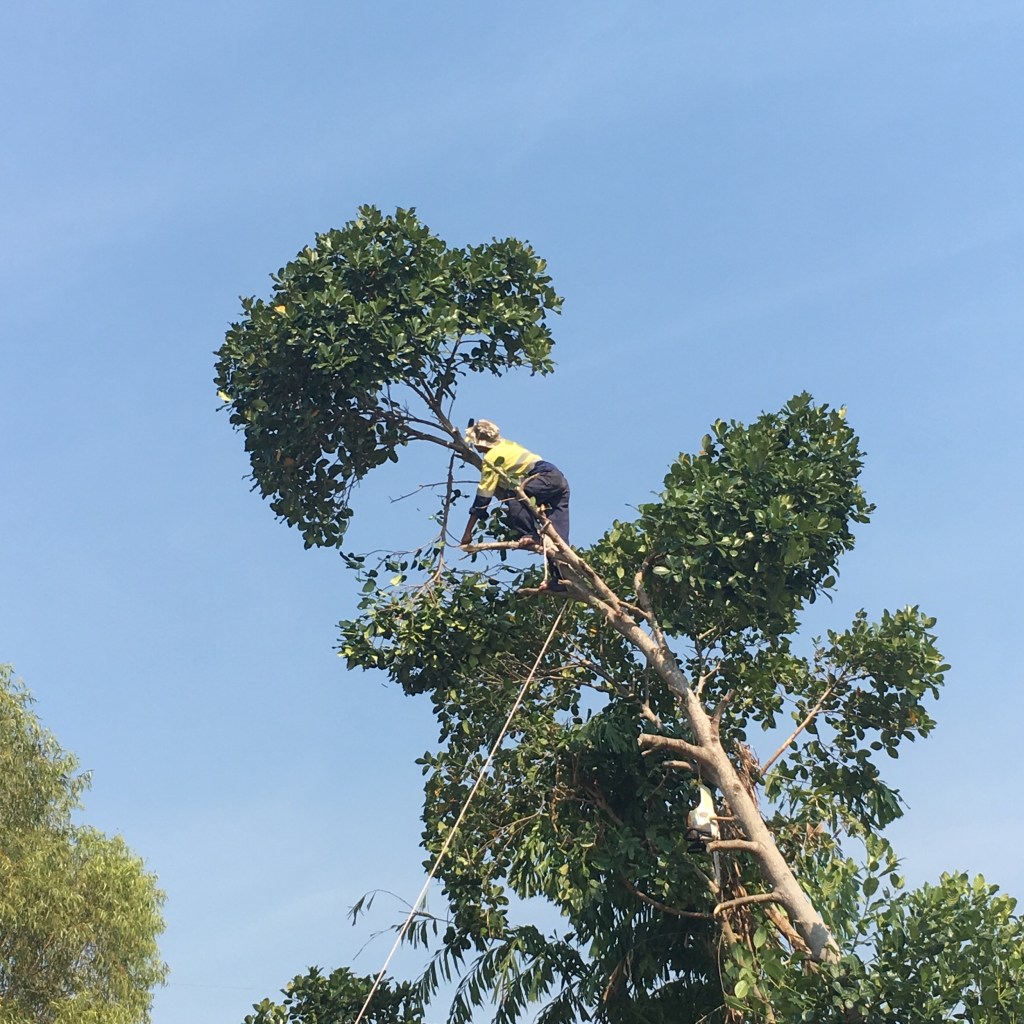
  1. I would volunteer as a tree lopper to shape and trim all trees that are overgrown and unattended on the verges of most Darwin roads.
  2. I would volunteer as an alcohol controller to intercept and rip out al alcohol being illegally consumed in our streets and parks in Darwin and suburbs.
  3. I would volunteer to teach all children in primary schools to sing and to enjoy singing in a confident and unashamed manner.

DOCTORATES SHOULD BE EARNED NOT GIFTED

By and large I appreciate universities and the efforts made to extend tertiary opportunity to students both internally and externally. Universities have to work hard to balance their research and teaching arms, with funding being a constant consideration. Neither do I believe it unfair for students to contribute to their tertiary education through fees charged. Many governments underpin universities by advancing student loans which begin to be paid back when those graduates become earners.

However, my concern has always been the way the university play up the conferral of honorary doctorates.

This for mine discounts the honour due to hardworking students whose degrees come at great cost and substantial debt.

I feel a focus on honorary qualifications degrades the quality of their work and effort.

Sportspeople, politicans, community contributors and notary publics should never be recognised with honorary doctorates or conferred professorships. Universities who indulge in this practice for the sake of attaching a prominent person to the university discredit academe

Poor Old Henry asks AI to consider the likelihood or otherwise of future peace

AI RESPONSE

Predicting the future state of global peace is inherently complex and uncertain, as it depends on a multitude of factors, including political, economic, social, and environmental dynamics. Here are some considerations that could influence whether the world becomes more or less peaceful over the next twenty to thirty years:

### Factors That Could Lead to More Peace:

1. **Global Cooperation**: Increased collaboration on global issues such as climate change, health pandemics, and economic inequality could foster a more peaceful world. International organizations and treaties may play a crucial role in mediating conflicts and promoting peace.

2. **Technological Advancements**: Innovations in communication and technology can enhance understanding and cooperation among nations. For example, social media can facilitate dialogue, while technology can improve transparency and accountability.

3. **Economic Interdependence**: As economies become more interconnected through trade and investment, the costs of conflict may outweigh the benefits, leading to more peaceful relations between countries.

4. **Democratic Governance**: A trend toward democratization in various regions could promote peace, as democracies are generally less likely to go to war with one another.

5. **Conflict Resolution Mechanisms**: Improved mechanisms for conflict resolution, such as mediation and peacekeeping efforts, can help to resolve disputes before they escalate into violence.

### Factors That Could Lead to Less Peace:

1. **Geopolitical Tensions**: Rising tensions between major powers (e.g., the U.S., China, Russia) could lead to conflicts, particularly in contested regions like the South China Sea or Eastern Europe.

2. **Resource Scarcity**: Competition for dwindling resources, such as water and arable land, could lead to conflicts, especially in regions already facing environmental stress.

3. **Nationalism and Populism**: A rise in nationalist and populist movements can lead to increased xenophobia, isolationism, and conflict both within and between nations.

4. **Terrorism and Extremism**: The persistence of terrorism and violent extremism can undermine peace efforts and lead to cycles of violence.

5. **Climate Change**: The impacts of climate change, including natural disasters and displacement, could exacerbate tensions and lead to conflicts over resources.

### Conclusion:

The future of global peace will likely be shaped by a combination of these factors. While there are opportunities for increased cooperation and understanding, significant challenges remain that could lead to conflict. Ultimately, the trajectory will depend on the choices made by governments, organizations, and individuals around the world in addressing these complex issues.

Addendum:

And we know what will drive the leaders of nations.

If there ever was world peace, it has been consigned to history.

Poor Old Henry asks AI about domestic students and upfront payment of university fees

Should Australian universities encourage domestic students to pay course fees upfront ?

AI Response

The decision for Australian universities to encourage domestic students to pay course fees upfront involves several considerations, and the implications can vary based on the perspectives of different stakeholders, including students, universities, and the broader educational system. Here are some points to consider:

### Pros of Encouraging Upfront Payment:

1. **Financial Stability for Universities**: Upfront payments can provide universities with immediate cash flow, allowing them to invest in resources, facilities, and staff.

2. **Reduced Debt for Students**: Paying upfront can help students avoid accumulating debt through student loans, which can be a burden after graduation.

3. **Commitment to Education**: Students who pay upfront may be more committed to completing their courses, as they have already invested financially.

4. **Potential Discounts**: Universities might offer discounts or incentives for students who pay upfront, making it more appealing.

5. **Simplified Financial Management**: Upfront payments can simplify financial management for both students and universities, reducing the complexity of loan systems.

### Cons of Encouraging Upfront Payment:

1. **Accessibility Issues**: Many students may not have the financial means to pay large sums upfront, which could limit access to higher education for those from lower socioeconomic backgrounds.

2. **Increased Financial Pressure**: Upfront payments can create significant financial pressure on students and their families, potentially deterring them from pursuing higher education.

3. **Equity Concerns**: Encouraging upfront payments may exacerbate inequalities in access to education, as wealthier students would be more able to pay upfront compared to those from disadvantaged backgrounds.

4. **Potential for Increased Dropout Rates**: Students who pay upfront may feel pressured to complete their courses even if they are struggling, leading to stress and potential burnout.

5. **Impact on Student Choices**: Students may feel compelled to choose courses based on financial considerations rather than their interests or career aspirations.

### Conclusion:

While there are potential benefits to encouraging upfront payment of course fees, it is essential to consider the broader implications for equity and access to education. A balanced approach that offers flexible payment options, including upfront payments, payment plans, and financial aid, may be more effective in ensuring that all students have the opportunity to pursue higher education without undue financial burden. Ultimately, any policy should prioritize accessibility and support for all students. 

TAYLOR WORN VALUE ADDED

It cost $13.00

A hat,

A black hat,

A black felt hat,

A black felt hat worn,

A black felt hat worn by,

A black felt hat worn by Taylor,

A black felt hat worn by Taylor Swift,

A black felt hat worn by Taylor Swift at,

A black felt hat worn by Taylor Swift at her,

A black felt hat worn by Taylor Swift at her Sydney,

A black felt hat worn by Taylor Swift at her Sydney Concert.

The hat,

The hat given,

The hat given to,

The hat given to an,

The hat given to an eleven,

The hat given to an eleven year,

The hat given to an eleven year old,

The hat given to an eleven year old girl,

The hat given to an eleven year old girl who,

The hat given to an eleven year old girl who is,

The hat given to an eleven year old girl who is a

The hat given to an eleven year old girl who is a number

The hat given to an eleven year old girl who is a number one,

The hat given to an eleven year old girl who is a number one fan.

The hat,

Which cost $13.00,

Is now conservatively valued,

At $500,000.

Watch,

It appreciate,

In value with,

The passing of time.

Of Owl, Cockatoos and the Kumquat Tree

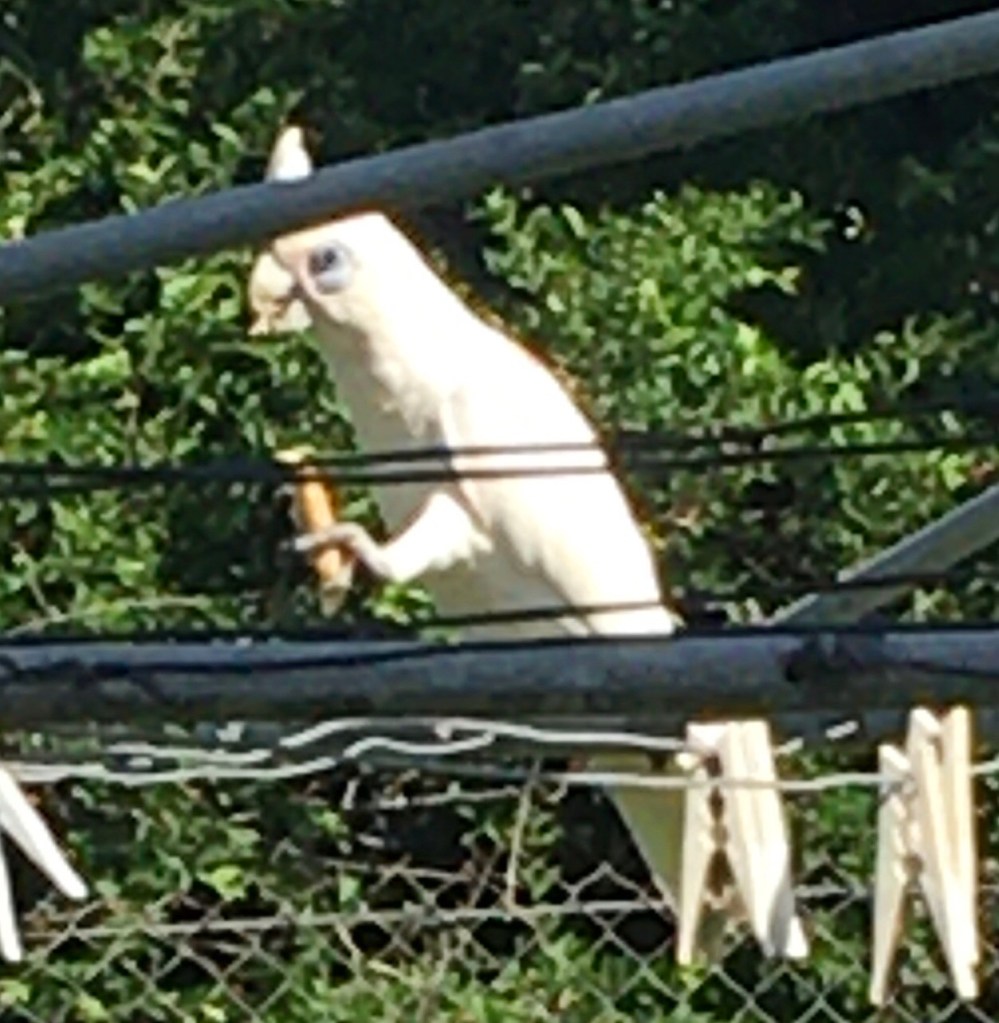
Once upon a time there was a kumquat tree that produced several crops of kumquats each year. The problem was in the harvesting. The tree was so tall no-one could pluck the fruit from its most prolific branches. It was beyond the enterprise and reach of everyone trying on conventional plucking methods. Occasionally Hosea would make with the ladder, and more infrequently he would clamber into the branches like a monkey. Otherwise the tree and its fruits were left to the mercy of birds, especially cockatoos. These intelligent birds made for the tree like homing pigeons, beak-handling and clawing the fruit. At the same time they stripped a good deal of foliage and fruits from the tree scattering the debris onto the ground. The concrete floor of the outdoor kitchen copped its fair share of mess.

It was true to say that the tree was a paradise for these birds.

Cleaning the kitchen and tidying the grounds and surrounds was a daily task for Jeleta. She devoted loads of time each day to restoring order.

No sooner was the place cleaned than the messing up started all over. The cockatoos seemed to be king pins.

Occasionally Jeleta looked up. She could see the cockatoos. They reacted toward her with mocking indifference.

The household decided that Keet the dog might, if tied up in the new outdoor kitchen, bark and frighten the cockatoos away. Keet was not at all keen on that idea and strained at his leash, trying to get away. Maybe he thought the cockatoos would bombard him with kumquats, bird droppings or that being tied up to bark was undignified for a senior canine.

Fortunately Skeet and Geet had come up for Christmas. Having heard of the cockatoo challenge, they brought with them what they thought would be the ultimate deterrent. It first required the hammering of three stakes into the ground adjacent to the kumquat tree

Geet and Skeet made sure the stakes were tied together and securely positioned. Geet then went to get what she hoped would be the ultimate cockatoo kumquat tree invasion deterrent.

The new and untried artefact was duly brought back and mounted on the stake. This introduced, fierce looking but inanimate bird cut a fearsome disposition.

OWL a prototype lookalike and fearsome nocturnal bird was installed. Owl’s job was to protect the kumquat tree, its foliage and its fruits.

Owl’s eyes were fearsome, his beak sharp and his very essence one of alertness. Surely this realistic looking scarecrow would be more than a match for those pestilential, fruit destroying, foliage stripping cockatoos.

Owl surveyed the scene unblinkingly. Geet, Skeet and Jelete hoped he would be more than a match for the cockatoos. He sat and surveyed all that was before him.

But ……

Owl was looking in the wrong direction. He had his back to the tree! So the cockatoos were able to make whoopee of the situation, carrying on as if Owl wasn’t there.

After some days, the penny dropped on the collective perplexity at 188 as to why Owl was such an ineffective decoy. It was not possible to reposition Owl’s torso in its completeness because he had been firmly set on an immovable platform. So the next best option was employed.

Owl’s head was twisted in such a way that, although facing forward, he was in fact looking back at the tree. Had he the capacity to think historically, Owl may have well felt like Lot’s wife in ancient times.

Notwithstanding this unusual postural pursuit, Owl looked back as vengefully as he had when looking forward.

There was one significant anatomical difficulty posed by Owl’s cranial re-positioning. The degree of difficulty those at 188 had with turning his head, meant that only one eye could actually focus on the kumquat tree. The other roamed the backyards of nearby neighbours.

A further impediment compounded the situation. Owl had a very stiff neck, so stiff it could not be vertically inclined. Unable to look up, Owl could only look straight ahead. This horizontal perspective gave him a clear if one-eyed view of the kumquat tree trunk. However he could not see what was happening in the tree’s upper branches foliage and fruit levels.

Safe from Owl’s line of sight, the cockatoos continued to frolic, feast and throw residue down onto the ground and into the kitchen. Could he look down, Owl would have be appalled at the ground level mess created by these birds.

It seemed that all Jelete could do was to carry on cleaning. Was this to be her never ending story?

A LITTLE OLD MAN

A LITTLE OLD WOMAN And THEIR PACKAGING SERVICE

Once upon a time, the daughter of a little old man and a little old woman, summoned their help. She had commissioned the printing of hoardings displaying the prices of goods to be sold in their cafe. The boards had finally been printed and were ready for dispatch to a distant point of the NT. They would be sent by weekly barge service.

The daughter was reassured that everything would be done by the printer to ensure the boards were delivered to their far distant destination in good order. They were important for advertising purposes and cost several hundred dollars to produce.

Notwithstanding reassurances offered, the daughter had a premonition that all might not be right. So she asked her parents to visit the printer, arranging to receive the boards if this was necessary.

Upon arriving at the printers, the little old man discovered the boards to be ‘bare’. They were not wrapped. The little old man thought that intervention might be wise. Dispatching the three bare boards without wrapping seemed an unwise option – but not one seemingly apparent to the most prominent printers in Darwin.

The little old man and woman took the boards home in their car. The boards were SO BIG that it took some imagination to manoeuvre them into the vehicle. Once home, the couriers cleared their table and took the boards upstairs to rest on its timber surface. They were ever so glad their table was large.

The two looked at the boards and felt a little daunted. How to prepare these fragile statements for a journey of hundreds of kilometres across rough seas on a shipping barge. (Shipping was the only option because the boards exceeded maximum size for posting).

Nothing ventured, nothing gained. They set about the task.

Bubble wrap was the first order of the day. Metres and metres and square metres of plastic bubbles enveloped the boards and were held in place by unbelievable metres of tape.

Whew! After all that, they needed a long spell and an overnight rest.

Next day, it was up and at it again. The barge to Gove was accepting freight the next day, in readiness for sailing the day after.

But first, a trip to Bunnings to buy plywood timber, that needed trimming to almost the exact size of the menu boards. Trimmed, then home to Leanyer to await their usage.

The table was laid with a cloth (a chair cover), in readiness for the reception of the plywood protection.

What followed was hard work. It took some doing for the daughters parents, no longer as supple and dexterous as ‘once upon a time’, to enclose the boards into their protective casing. But it was done. And done to a ‘T’. The package (to date) was gigantic but neat, secured by metres of tape.

Surely this handiwork was worth admiring.

But there was more to be done. That package (with the boards expertly anchored by tape to the backing ply) was still someway from being a complete work.

There was a need for brown paper. Lots of brown paper. The package was wrapped and taped with one paper skin, then wrapped and taped with a second paper sheath.

Now, the package was really secure. It looked as if it would withstand its journey to Gove.

Looking at the package, the little old man and the little old woman spoke with each other.

“Label time”.

Not being given to neat writing, the little old man deferred to his wife’s more professional calligraphic skills. And shortly thereafter, the package was clearly addressed and readied to go.

Job done. Into the car and out to the barge for ‘tomorrow’s shipping’.

The last news is the best news. The boards have arrived and been fastened into place on a wall of the Peninsular Bakery and Cafe.

Yes, Yes, YES!

The boards are up and are selling their message.

Brands help inform decisions

I like many brands. Best sent by picture if OK.

The Value of brands

Brands are good

Oh me oh my

They show this old man

What to buy.

So many products

Spoiled for choice

Too little, too much

Which is the worse.

Some of their jingles

Turn me on 

They are such fun

I sing along.

Brands show the way

‘Bout what to buy

Without their guidance

I’d sit and sigh.

AN OPEN APPEAL FROM POOR OLD HENRY

Dear Readers

I am closing on age 79 and really starting to feel the years.

As a child, adolescent and as a young man growing up, I was really scared about dying. I remember thinking that if I made 54 at the turn of the century, I would be doing well.

Nearly a quarter of a century later and with children closing on that age, I wonder when too many years leads to an excruciating existence.
I fear losing physical capacity and mental acuity. I fear the onset of faltering voice and am horrified by my aging and wrinkling skin, which is fast losing elasticity and, therefore, hanging on my limbs.

I am no longer afraid of dying and want to depart this life on my terms and without being a burden to others. I’d definitely like to pass over by the respectful method of euthanasia, but here in the NT of Australia that is not an option.

Where does that leave me?

Poor Old Henry looks forward to the first sitting of the new CLP Government

The first sitting of the Northern Territory Parliament under the new Finocchiaro Government will begin on October 15 and run for two weeks, with the government saying it will

  • Introduce its promised bail reforms.
  • Decrease the age of criminal responsibility from 12 back to 10.
  • Bring in minimum mandatory sentences for assaulting frontline workers.

That is all in the first week of the new parliament.

Oversights in the past?

Legislative sense at last.

Poor Old Henry asks AI

How old is old for a man in Australia?

Response

In Australia, as in many other countries, the perception of what constitutes “old” can vary based on cultural, social, and individual factors. Generally, people might consider a man to be “old” when he reaches retirement age, which is around 65 years in Australia. However, many people remain active and healthy well into their 70s and beyond.

Statistically, life expectancy in Australia is around 80-85 years, so many would not consider someone to be “old” until they are in their late 70s or 80s. Ultimately, the concept of being “old” is subjective and can depend on health, lifestyle, and personal perspective.

INCONSEQUENTIAL


Russia don’t mind, Russia don’t care,
About war’s destruction, And people’s despair, 
Wrecking of cities, Pockmarking the land,
Confirms that Russia, Has a hard, hurting hand.

Slaughter don’t matter, Their point to make,
It matters not, that their claims are fake,
Little by little, They’ll claw back the past,
‘Till Russia becomes, ‘United’ at last.
The countries that fled, Their future has gone,
Back to what was, When Russia has won.

My prediction about Australia’s political future

I predict that in times to come – and possibly before 2050 – Australia will have a Muslim Prime Minister and that there will be suburbs and areas in which Sharia Law is enforced.

That will happen because state and territory governments will be increasingly made up of those of the Muslim faith who have been voted into office.

That could all be hastened by the apologist way in which so many Australians demonise our country and its values.

Darwin’s Potato Man is my fast food hero

Recently our local newspaper ran a survey to determine the most popular and in demand mobile food vendor in Darwin.

I have never tried his product, I have always been fascinated by the Potato Man and the dedication he brings to the job that he does. He has been the potato man for many many years.

So I upheld the Potato Man and I voted and voted for him and wrote notes to the online site promoting the Potato Man as the very best.

He didn’t win unfortunately – But apparently came a very close second. I am glad that the Potato Man gained that recognition.

The Potato Man’s mobile unit.

“WELCOME TO COUNTRY” LEAVES ME COLD

I recently sat through a Welcome to Country offered at an NT Parliament House library awards function.

 The ‘Welcome to Country’ which is seemingly compulsory, went on for at least 15 minutes with great attention to minute detail provided by a person who told us this was her fourth welcome to Country ceremony/presentation for the day.

The two hour program included individuals presenting awards who, each in turn, offered  their own personal recognition to the Aboriginal group who came before us.

 Interspersed through the events of the evening were references to and inferences about how detracting were those  who came to this part of the Northern Territory. No mention of anything positive or beneficial accruing to the Aboriginal predecessors of the region by people who came after.

At the end of the evening, I left feeling like an imposter, someone who was trespassing in a country to which he had no right  or entitlement. I felt shamed by the fact that I had been born in Australia.

But in leaving, I was glad that in my four decades of school leadership, I NEVER EVER engaged in any ‘welcome to country’ acknowledgements at my schools.

For mine, we were all ‘together as one’, and differentiation would have been anathema. I am, you are, we are ALL part of Australia, Australians together.

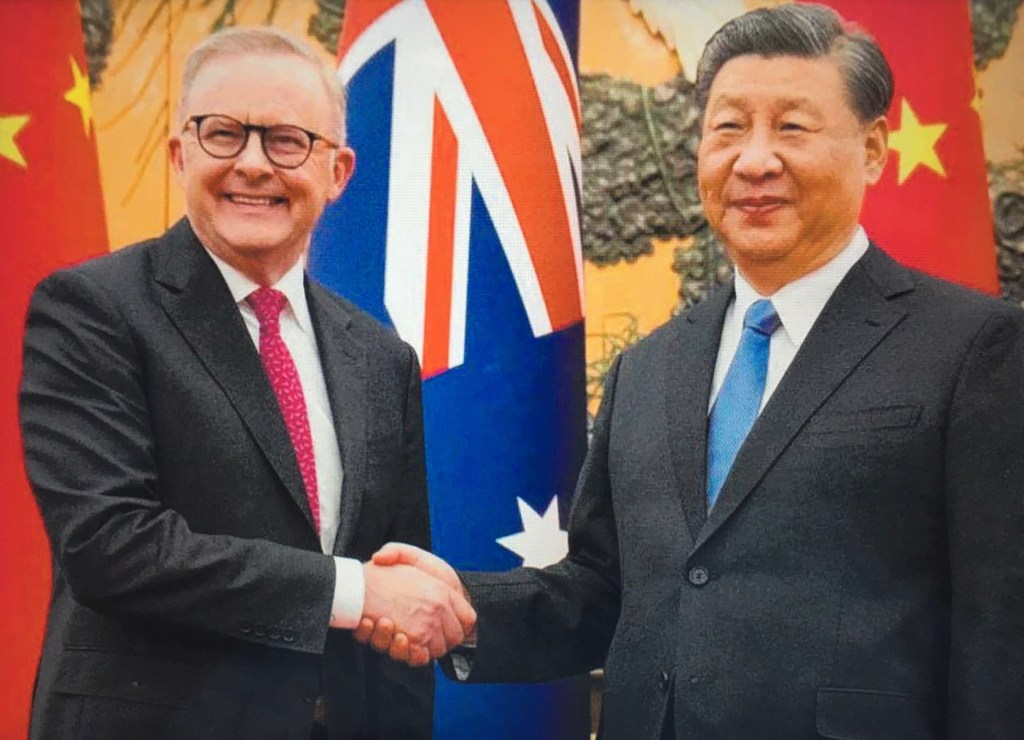
My salute to our Australian Prime Minister

I sometimes reflect upon the statesmanlike qualities he brings to the leadership role he so ably fills. Our PM is the consummate diplomat. All world leaders anticipate and appreciate the wisdom of his utterances. His powerfully positive contributions as our leader enrich and uplift Australis in the eyes of the rest of the world.

He ALWAYS speaks purposely and definitively

Appreciating and praising Albo

This morning, while showering, I was thinking about some of the essential attributes and decisions our Prime Minister has taken. Decisions, actions and outcomes place him in a critical position on the world’s [political stage.

These are some of the ‘special remembrances’ that come to mind.

  • His empathy toward the Bilowealan family had them reinstated in a community that had taken them to heart.
  • His perseverance over Julian Assange never wavered until this Australian martyr was welcomed home.
  • His willingness to share himself with other world leaders of countries, both big and small, and to keep Australia constantly to the fore in the eyes of his leadership peers by frequent forays onto the world stage.
  • His willingness to ‘let his hair down’ and mix with ordinary people on a level of equality.
  • His desire, finding practice in government, to offer a level financial playing field to all people – so that differentiation between ‘have’s’ and ‘have not’s’ becomes history with everybody being equal.
  • His interprettion in the eyes of some as a modern day ‘Robin Hood’.
  • His willingness to relax visa restrictions in order to bring as many people as possible to Australia in the shortest possible time.
  • The confidence he places in all his ministers to carry out their portfolio responsibilities without the need for him to offer suggestions about interpretation.

How wonderful it is and how blessed I am to think such thoughts.  Or not?

Poor Old Henry shudders at the thought of aged care

I am 78 years of age and sh.t scared of becoming a victim of the Australian-aged care system. 

I think of aged care as being a shark tank into which people who are old and frail can be tossed. In and forgotten with all independent decision making being ‘delegated’ into the hands of others.

Inquiry after inquiry and Commission after Commission have confirmed the obvious. Non-compliance with standards is far too common. There seems to be a falsification tendency that exists within the system.

Aged care costs plenty but care in far too many places seems to be minimal. Now the Australian Government is about to increase the cost contributions those entering aged care have to contribute.

Too many people going into nursing homes become shrouded in blankets of sadness that smother them and their families

POH asks AI a question about a matter that has bothered him for years

Why, when they are cross, do certain people attack vehicles and smash windows, inanimate objects taking no part in the altercation?

When individuals express anger or frustration by attacking inanimate objects, such as vehicles or windows, it can be attributed to several psychological and social factors:

1. **Displacement of Anger**: People often experience emotions that they may not feel comfortable expressing directly towards the source of their frustration. Displacing that anger onto inanimate objects can provide a temporary release or outlet for their feelings.

2. **Symbolic Representation**: In some cases, the object being attacked may symbolize something larger, such as societal issues, personal grievances, or a sense of injustice. For example, a vehicle might represent wealth, privilege, or authority, and attacking it can be a way to express discontent with those concepts.

3. **Immediate Release of Tension**: Physical aggression can serve as a way to release pent-up emotions. The act of smashing something can provide a visceral sense of relief, even if it is not directed at a person.

4. **Group Dynamics**: In situations where people are part of a group (such as during protests or riots), there can be a mob mentality that encourages aggressive behavior. Individuals may feel empowered to act out in ways they might not consider when alone.

5. **Frustration with Powerlessness**: When individuals feel powerless in a situation—whether due to personal circumstances, societal issues, or systemic injustices—they may lash out at objects as a way to regain a sense of control or agency.

6. **Emotional Catharsis**: Some people may believe that expressing their anger physically can lead to emotional catharsis, allowing them to feel better afterward. This belief can drive them to act out against inanimate objects.

7. **Lack of Consequences**: In some contexts, individuals may feel that attacking inanimate objects carries fewer consequences than confronting a person directly. This can make it seem like a safer or more acceptable outlet for their anger.

8. **Social Media and Visibility**: In the age of social media, acts of vandalism or destruction can gain attention and validation from others, which may encourage individuals to act out in ways they might not otherwise consider.

While these behaviors can be understood through various psychological and social lenses, they are often not constructive responses to anger or frustration. Such actions can lead to further problems, including legal consequences and damage to community relations. Understanding the underlying emotions and motivations can help in addressing the root causes of such behaviors. 

:

.

WHAT A BABBLE and WHAT A DISGRACEFUL SHAMBLES

That is the Australian Senate question time this afternoon.

I am at my home listening to the radio and to question time in Australia send it from Canberra.

Behaviour of senators in large part is absolutely disgusting and totally disgraceful. At one stage the controller had to call the senate to order seven, yes SEVEN times before any response was forthcoming.

And then we wonder at the disrespect shown in classrooms by children.

The whole atmosphere, outside of the caterwauling and derision across the chamber, tended toward attack and defence.

The atmosphere was awful. It often is.

Poor Old Henry asks AI about Australia’s Prime Minister

Is Anthony Albanese an outstanding leader and Prime Minister?

AI RESPONDS

As of my last knowledge update in October 2023, Anthony Albanese, the leader of the Australian Labor Party, became Prime Minister of Australia following the federal election in May 2022. Evaluating whether he is an “outstanding” leader and Prime Minister is subjective and depends on various factors, including political beliefs, policy preferences, and individual perspectives on leadership qualities.

Here are some points that supporters and critics might consider when assessing his leadership:

### Supporters Might Argue:

1. **Focus on Social Issues**: Albanese has emphasized social justice, climate action, and improving healthcare and education, which resonate with many voters who prioritize these issues.

2. **Climate Policy**: His government has committed to more ambitious climate targets, aiming for a reduction in greenhouse gas emissions, which appeals to those concerned about climate change.

3. **Economic Management**: Supporters may point to his government’s handling of economic challenges, including inflation and cost-of-living pressures, as evidence of effective leadership.

4. **Reconciliation with Indigenous Australians**: Albanese has expressed a commitment to advancing reconciliation and addressing Indigenous rights, including the proposal for a Voice to Parliament.

5. **International Relations**: His government has worked to strengthen Australia’s relationships with key allies and engage more actively in the Indo-Pacific region.

### Critics Might Argue:

1. **Implementation of Policies**: Critics may point to challenges in implementing policies or fulfilling campaign promises, particularly in a complex political landscape.

2. **Economic Challenges**: Some may argue that the government has struggled to effectively address rising living costs and inflation, which can impact public perception of his leadership.

3. **Political Opposition**: As with any leader, opposition parties may criticize his decisions and policies, framing them as inadequate or ineffective.

4. **Public Perception**: Public opinion can fluctuate, and leaders often face scrutiny based on current events, media coverage, and public sentiment.

### Conclusion

Ultimately, whether Anthony Albanese is considered an outstanding leader and Prime Minister will depend on individual perspectives and the evolving political landscape. His effectiveness will likely be assessed over time, based on the outcomes of his policies and his ability to navigate challenges both domestically and internationally. Public opinion polls, media analysis, and historical assessments will continue to shape his legacy as Prime Minister.

POH asks AI why the Federal Government (Australia) is losing the support of voters

Why are Australian voters turning away from the Anthony Albanese labor government, when it is only in its first three year term in office?

AI RESPONDS

There are several factors that could contribute to Australian voters turning away from the Anthony Albanese Labor government, even in its first term. While specific reasons can vary based on current events and public sentiment, some common themes include:

1. **Economic Concerns**: Voters often prioritize economic performance. If there are rising costs of living, inflation, or economic instability, voters may hold the government accountable, even if these issues are influenced by global factors.

2. **Policy Decisions**: Specific policies or decisions made by the Albanese government may not resonate with voters. This could include issues related to climate change, healthcare, education, or immigration. If voters feel that the government is not addressing their concerns or priorities, they may seek alternatives.

3. **Expectations vs. Reality**: When a new government comes into power, there are often high expectations for change and improvement. If voters feel that the Albanese government has not delivered on its promises or has failed to make significant progress, they may become disillusioned.

4. **Opposition Campaigning**: The effectiveness of the opposition parties in presenting a viable alternative can also influence voter sentiment. If the opposition is able to effectively critique the government and present their own policies, this can sway public opinion.

5. **Scandals or Controversies**: Any scandals, controversies, or missteps by the government can lead to a loss of public trust. If there are significant issues that arise during the term, they can impact voter perception.

6. **Changing Demographics and Issues**: As demographics change and new issues emerge, voter priorities can shift. The government may need to adapt to these changes to maintain support.

7. **Media Influence**: Media coverage can shape public perception of the government. Negative portrayals or critical reporting can influence how voters view the government’s performance.

It’s important to note that political dynamics are complex and can change rapidly. Public opinion polls and voter sentiment can fluctuate based on current events, so the reasons for any shift in support may evolve over time.

Poor Old Henry asks AI a question that has occupied his mind, from time to time, for many years

Is the world better or worse than 200 years ago?

AI response

Determining whether the world is better or worse than it was 200 years ago involves considering various factors, including economic development, health, education, social justice, and environmental conditions. Here are some key points to consider:

### Improvements:

1. **Health and Life Expectancy**: 

   – Life expectancy has significantly increased due to advancements in medicine, public health, and nutrition. In the early 19th century, global life expectancy was around 30-40 years; today, it is over 70 years in many parts of the world.

2. **Poverty Reduction**: 

   – The percentage of people living in extreme poverty has decreased dramatically. In the early 19th century, a large portion of the world lived in dire poverty; today, while poverty remains a significant issue, the global trend has been toward reduction.

3. **Education**: 

   – Access to education has improved substantially. Literacy rates have increased, and more people have access to primary, secondary, and higher education than ever before.

4. **Technological Advancements**: 

   – Technology has transformed daily life, improving communication, transportation, and access to information. Innovations in various fields have led to enhanced quality of life.

5. **Social Progress**: 

   – There have been significant strides in human rights, gender equality, and social justice. Movements for civil rights, women’s rights, and LGBTQ+ rights have gained momentum and led to legislative changes in many countries.

### Challenges:

1. **Environmental Issues**: 

   – The world faces significant environmental challenges, including climate change, biodiversity loss, and pollution. Industrialization and urbanization have led to environmental degradation that was less pronounced 200 years ago.

2. **Inequality**: 

   – While global poverty has decreased, inequality within and between countries remains a critical issue. Wealth distribution is highly uneven, and many people still lack access to basic resources.

3. **Conflict and Violence**: 

   – Although some forms of violence have decreased, conflicts and wars continue to affect millions. The nature of warfare has changed, and new forms of violence, including terrorism, have emerged.

4. **Mental Health**: 

   – There is increasing awareness of mental health issues, which were less understood 200 years ago. While this awareness is positive, mental health challenges are prevalent in modern society.

5. **Globalization and Cultural Homogenization**: 

   – Globalization has led to cultural exchanges but also to concerns about the loss of local cultures and identities.

### Conclusion:

Overall, many indicators suggest that the world is better off in terms of health, education, and overall quality of life compared to 200 years ago. However, significant challenges remain, particularly regarding environmental sustainability and social inequality. The assessment can vary depending on the specific context and perspective one considers.

Poor Old Henry, who has been voting for 60 years, thinks about ‘Modern’ Australia – in 2024

Is it wrong for me to think the Federal Government is absolutely stuffed?


Is it wrong for me to think this government is the worst government we have had since Federation?


Is it wrong for me to doubt the wisdom of the renewables policy?


Is it wrong for me to think that coal and gas are almost ‘enemies’ of and to the Australian lifestyle?


Is it wrong for me to despair about our ability to defend ourselves against future aggression?

Is it wrong for this 78-year-old man to feel total and utter despair about the future of this country?

Poor Old Henry remembers visiting Melbourne

I first visited Melbourne over 30 years ago. That was the city, not the suburbs.

My first impressions were of a dirty, graffiti-riddled city without environmental pride.

I remember that a great deal was being made of the relatively sophisticated suburban railway system connecting the city. I went into one of the stations and was amazed at the amount of graffiti and wanton damage plastered over nearly every carriage coming through the station.

That was then. I can but conjecture that these days, things both environmentally and possibly socially are far, far worse.

I will be the last person wanting to visit the Protest Capital.

Chronological Enhancenent Question

At closing on 79 years of age and really starting to feel the years, I wonder how old is too old to keep living.

As a child, adolescent and as a young man growing up, I was really scared about dying. I remember thinking that if I made 54 at the turn of the century, I would be doing well.

Nearly a quarter of a century later and with children closing on that age, I wonder when too many years become too much.

I fear losing physical capacity and mental acuity. I fear the onset of faltering voice and an horrified by my aging and wrinkling skin which is fast losing elasticity, therefore hanging on my limbs.

I am no longer afraid of dying and want to depart this life on my terms and without being a burden to others. I’d definitely like to pass over by the respectful method of euthanasia, but here in the NT of Australia that is not an option. Neither, when finally legalised, will mental decline be an allowed aspect of the legislation.

Suicide may well be my only option. The question becomes one of timing.

HOLIDAYS THEN AND NOW

During my decades of work, and no matter where we lived, I always looked forward to holidays but they gazetted will be they work related. I looked forward to term breaks, annual leave, and the other periods allowing us to slow down. Holidays had meaning.

now in my 12th year of retirement, holidays have a far less substantial meaning because in terms of comparing retirement with work, “downtime“ is a constant rather than a rarity.

But of course, I value holidays for our children all full-time workers and our grandchildren who are full-time students, with the older three transitioning to work.

What makes women great leaders

Women bring the following positive attributes to leadership roles:

1. Women are all seeing, all knowing and able to join in and contribute to several conversations at once.
2. Women are aware: They have 360 degree vision. 
3. Women have clear goal orientation and crystal-like focus.
4. Women cut to the chase and don’t dither around the edges of issues.
]5. Women are careful synthesisers and succinct summarisers of situations.
]6. Women are adept at timetabling and planning; they are meticulous plan followers.
]7. Women have awareness.
]8. Women show empathy to those who are under the pump.
9. Women excel in engaging others in planning and organisation.
10. Women have excellent leadership and participative perspective. They are both on the organisational balcony with all-encompassing vision and on the dance floor with and among those engaged with endeavour.
11. Women make an extraordinary contribution in going forward.
12. Women contribute proactively to staff endeavour and leadership balance within macro (and micro) management of systems. 

Poor Old Henry asks AI about parents handballing upbringing responsibilities

Should parents handball the responsibility for the bringing up of their children to schools and teachers?

AI Response

No, parents should not hand over the responsibility of raising their children entirely to schools and teachers. While schools and educators play a crucial role in a child’s development, education, and socialization, parenting is a fundamental responsibility that encompasses much more than academic learning.

Here are a few reasons why parental involvement is essential:

1. **Emotional Support**: Parents provide emotional guidance and support that is critical for a child’s well-being. They help children develop self-esteem, resilience, and coping skills.

2. **Values and Morals**: Parents are typically the primary source of a child’s values, beliefs, and moral framework. This foundational aspect of upbringing is best taught at home.

3. **Life Skills**: Parents teach practical life skills, such as communication, problem-solving, and responsibility, which are essential for a child’s overall development.

4. **Individual Attention**: Parents can offer personalized attention and support that schools may not be able to provide due to larger class sizes and diverse student needs.

5. **Collaboration with Schools**: A strong partnership between parents and schools enhances a child’s educational experience. When parents are involved, children tend to perform better academically and socially.

6. **Cultural and Family Heritage**: Parents pass down cultural traditions, languages, and family history, which are important for a child’s identity and sense of belonging.

In summary, while schools and teachers are vital in educating children, the responsibility of raising and nurturing children is a shared one, with parents playing a crucial and irreplaceable role.

What do you think?

POH asks AI to comment on parental responsibility for the public behaviours of their children

Should parents of underage children be held responsible for their criminal and antisocial conduct?

The question of whether parents of underage children should be held responsible for their children’s criminal and antisocial conduct is complex and involves various factors, including legal, ethical, and social considerations.

### Arguments for Parental Responsibility:

1. **Influence and Guidance**: Parents play a crucial role in shaping their children’s values, behavior, and decision-making skills. If a child engages in criminal behavior, it may reflect a failure in parental guidance or supervision.

2. **Deterrence**: Holding parents accountable could serve as a deterrent, encouraging them to be more involved in their children’s lives and to instill better values and behaviors.

3. **Support and Intervention**: In some cases, parental responsibility can lead to interventions that address underlying issues within the family, potentially preventing future delinquency.

4. **Legal Precedents**: Some jurisdictions have laws that hold parents liable for their children’s actions, particularly in cases of vandalism or other property crimes.

### Arguments Against Parental Responsibility:

1. **Individual Accountability**: Children, especially as they grow older, should be held accountable for their own actions. Criminal behavior is ultimately a choice made by the individual, and they should face the consequences.

2. **Circumstantial Factors**: Many factors contribute to a child’s behavior, including peer influence, mental health issues, and socioeconomic conditions. Blaming parents may overlook these complexities.

3. **Unfair Burden**: Holding parents responsible can be unfair, especially if they are doing their best to raise their children in difficult circumstances. It may also lead to further stigmatization of families in crisis.

4. **Potential for Negative Outcomes**: Punishing parents could lead to negative outcomes for the family, such as increased stress, financial strain, or even the removal of children from their homes, which may not be in the best interest of the child.

### Conclusion:

Ultimately, the question of parental responsibility for a child’s criminal behavior is nuanced. A balanced approach that considers the role of parents, the individual circumstances of each case, and the need for accountability may be the most effective way to address this issue. Solutions could include supportive measures for families, educational programs, and community resources, rather than solely punitive measures.

What you you think.

Poor Old Henry asks AI about Donald Trump – like him, a baby boomer born in 1946.

Does Donald Trump bring great blessings to America?

Opinions on Donald Trump’s impact on America vary widely and are often deeply polarized.

Supporters argue that he brought blessings such as:

1. **Economic Growth**: Many supporters credit Trump with strong economic performance during his presidency, including low unemployment rates and stock market gains prior to the COVID-19 pandemic.


2. **Tax Cuts**: The Tax Cuts and Jobs Act of 2017 is seen by supporters as a significant achievement that lowered taxes for individuals and businesses.

3. **Judicial Appointments**: Trump appointed three Supreme Court justices and numerous federal judges, which supporters believe will have a long-lasting impact on the judiciary.

4. **Foreign Policy**: Some supporters highlight his administration’s efforts to negotiate peace agreements in the Middle East and a more confrontational stance towards China.

5. **Regulatory Reform**: Trump focused on reducing regulations, which supporters argue helped businesses and economic growth.

On the other hand, critics argue that his presidency brought significant challenges, including:

1. **Division and Polarization**: Many believe Trump exacerbated political and social divisions in the country.

2. **Handling of COVID-19**: Critics point to his administration’s response to the pandemic as inadequate, leading to a high number of cases and deaths.

3. **Environmental Policies**: Some argue that his rollback of environmental regulations has had negative consequences for climate change and public health.

4. **International Relations**: Critics contend that his approach to foreign policy strained relationships with traditional allies.

5. **Impeachment and Legal Issues**: Trump’s presidency was marked by impeachment proceedings and ongoing legal challenges, which some believe have undermined trust in government.

Ultimately, whether Trump brings “great blessings” to America is subjective and depends on individual perspectives and values.

What do you think?

Poor Old Henry asks AI about Native Title and land ownership in Australia

What percentage of Australian land, by state and territory, has been returned to Aboriginal people under Native title legislation?

As of my last update in October 2023, the percentage of land returned to Aboriginal people under Native Title legislation varies by state and territory in Australia. Here are some approximate figures based on available data:

1. **New South Wales**: Approximately 20% of the land area has been recognized under Native Title.

2. **Victoria**: Around 10% of the land area has been recognized under Native Title.

3. **Queensland**: Approximately 30% of the land area has been recognized under Native Title.

4. **Western Australia**: About 40% of the land area has been recognized under Native Title.

5. **South Australia**: Roughly 15% of the land area has been recognized under Native Title.

6. **Tasmania**: A small percentage, around 1-2%, has been recognized under Native Title.

7. **Northern Territory**: Approximately 50% of the land area has been recognized under Native Title.

8. **Australian Capital Territory**: Very little land, less than 1%, has been recognized under Native Title.

These figures are approximate and can change as new claims are made and resolved. For the most accurate and up-to-date information, it is advisable to consult the latest reports from the National Native Title Tribunal or relevant state and territory land management agencies.

Poor Old Henry salutes long-term NT scribe Billy Moir

Billy Moir, retired school teacher and correspondent extraordinaire is an avid scribe regularly published – often several times each week – in the Northern Territory News, a daily with territory-wide readership.

His alertness and awareness of a myriad of issues leads to lively correspondence that is always on the money.

His interest in everything about life’s world has motivated him to write many hundreds of letters over the years.

May he live for a long time yet and never allow his pen to be stilled nor his letters flow staunched.

Poor Old Henry does not understand a quirk of Northern Territory road law

I am confused by the revelation that the drivers of motor vehicles are not infringing if drinking alcohol while driving – provided they are under the legal limit.

On the other hand, the use of a mobile phone while driving incurs an infringement if the driver is caught in the act.

There seems to be little logic in this situation and surely a correction is needed

Poor Old Henry asks A1 about character

If humans were limited to having only one character trait, what would it be?

If humans were limited to having only one character trait, it could be argued that empathy would be the most beneficial trait.

Empathy allows individuals to understand and share the feelings of others, fostering compassion, cooperation, and social harmony.

With empathy as the sole trait, people would likely prioritize the well-being of others, leading to a more supportive and cohesive society.

This trait could help mitigat conflicts, promote kindness, and encourage collaborative problem-solving, ultimately enhancing the quality of human interactions and relationships.

POH asks AI about ‘the best’ human character trait

If there was only one positive value that could be pursued in life by people, what would it be?

AI responds

If there were only one positive value that could be pursued in life, it could be argued that it would be “compassion.”

Compassion encompasses empathy, kindness, and a genuine concern for the well-being of others. It fosters connection, understanding, and support among individuals and communities.

By prioritizing compassion, people can create a more harmonious and supportive society, addressing the needs of others while also enhancing their own sense of fulfillment and purpose.

Ultimately, compassion can lead to positive change, healing, and a deeper sense of belonging in the world.

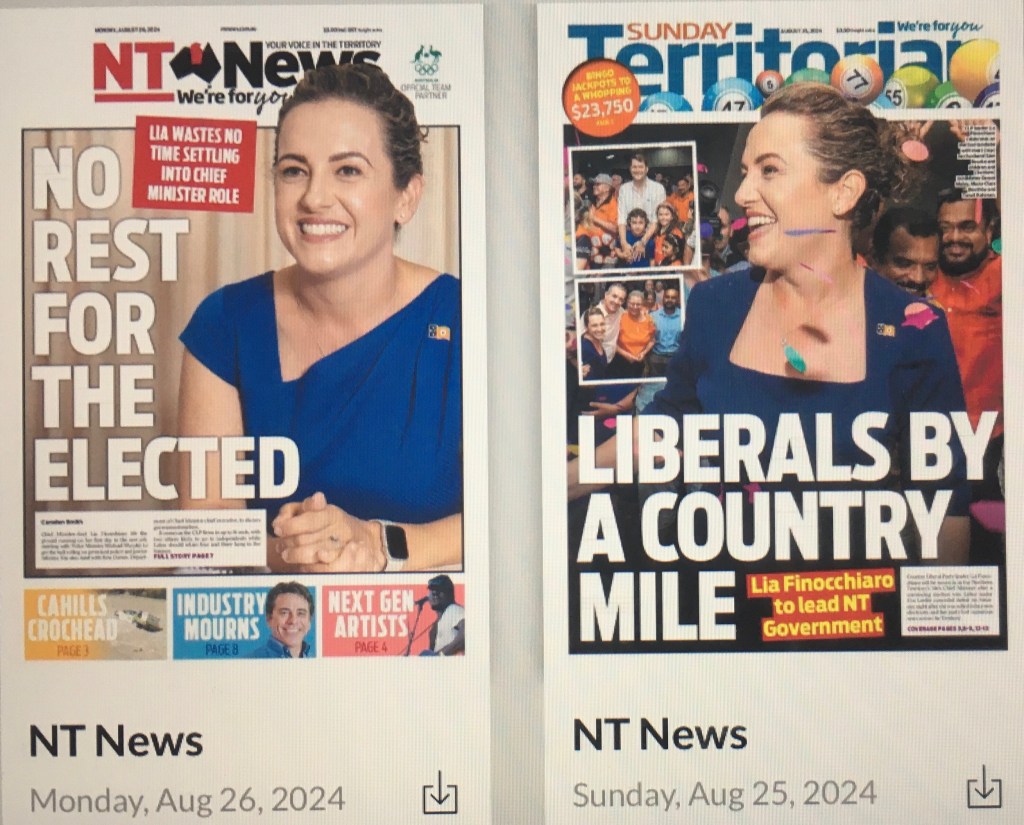
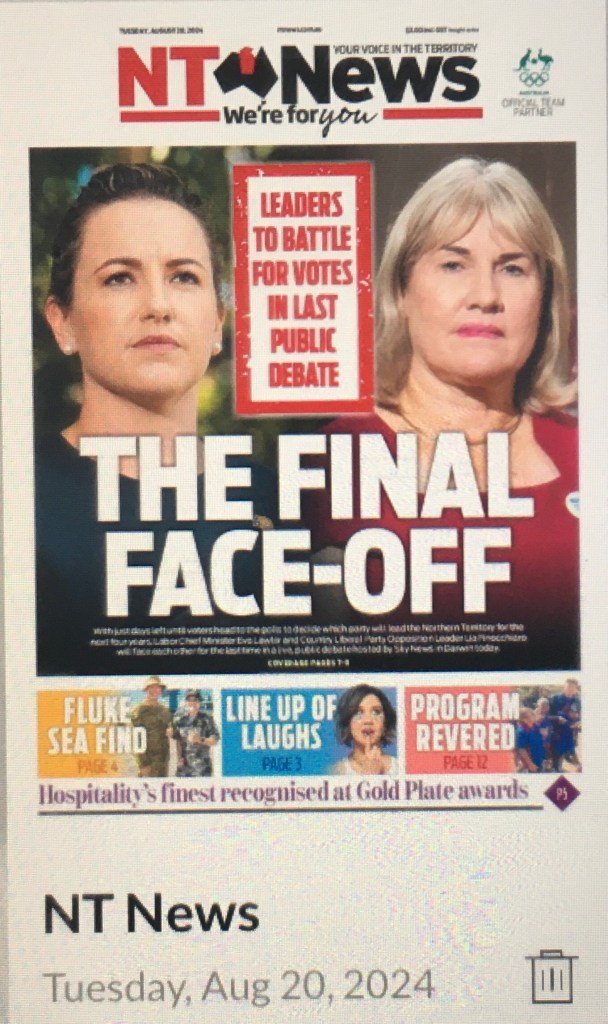
POH comments on the recent Northern Territory (Australia) election cleansweep

Gala Day for the CLP on Monday September 16 

On Monday, the many  Electoral Office’s that have been deserted since Labour’s   resounding defeat, on August 24, will come to life. They will come to life with new members elected for the Country Liberal Party (CLP).

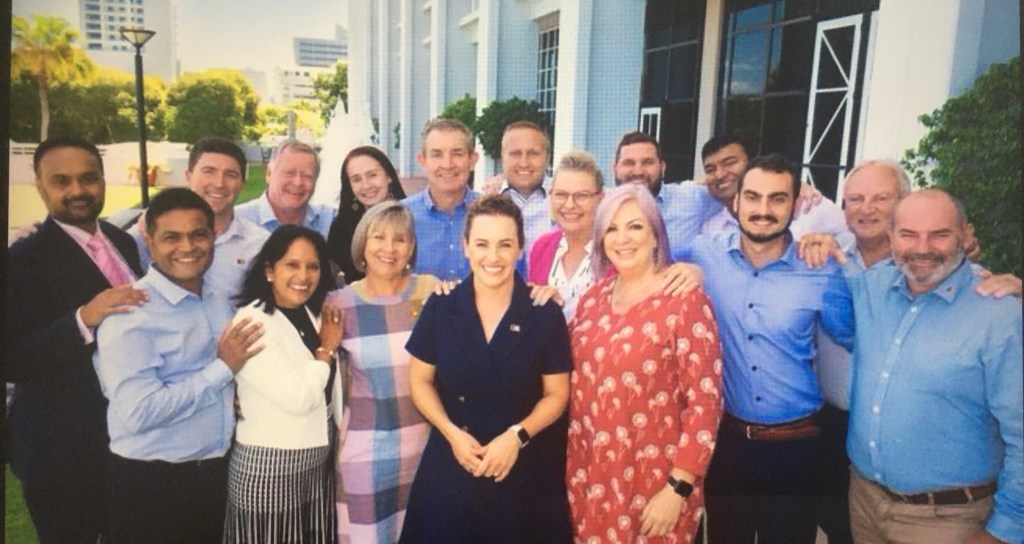
The doors,  with new members confirmed and installed will open in EVERY electorate in Darwin and its suburbs – for all sitting members were either not re-standing (Port Darwin and Wanguri) or were defeated (Karama, Sanderson, Johnson, Casuarina, Fannie Bay, Nightcliff). 

It was a clean sweep in. terms of out with Labor and in with the CLP, Independents and Greens.

Poor Old Henry asks AI if 60% school attendance is good enough for Aboriginal students

AI responds

The assertion that attending school three days a week is “very good and sufficient” for Aboriginal children in the Northern Territory is a reflection of the challenges faced in the education system, particularly in remote and Indigenous communities. However, it is important to understand the context and implications of such a statement.

1. **Context of Attendance**: In many remote Aboriginal communities, school attendance rates have historically been lower than the national average. Factors contributing to this include socio-economic challenges, cultural differences, health issues, and geographical barriers. As a result, educational authorities may have set lower attendance benchmarks as a pragmatic response to these challenges.

2. **Educational Outcomes**: While attending school three days a week may be seen as an improvement over lower attendance rates, it is generally not considered sufficient for achieving optimal educational outcomes. Research shows that consistent and regular attendance is crucial for learning and development. Attending school only part-time can hinder students’ academic progress and social development.

3. **Policy and Improvement Efforts**: Educational policies and programs aimed at improving attendance and engagement among Aboriginal students often focus on increasing attendance rates and providing culturally relevant education. The goal is to encourage full-time attendance and support students in overcoming barriers to education.

4. **Broader Implications**: The idea that three days a week is “sufficient” can be problematic as it may inadvertently lower expectations for educational achievement. It is essential to strive for higher attendance rates and to address the underlying issues that contribute to absenteeism.

In summary, while the study may reflect a recognition of the challenges faced by Aboriginal students in the Northern Territory, the notion that attending school three days a week is sufficient does not align with the broader educational goals of ensuring that all students receive a quality education that prepares them for future opportunities. Efforts should continue to improve attendance and engagement among Aboriginal children in a way that respects their cultural context and addresses systemic barriers.

Poor Old Henry asks AI a question many might wish to ask but avoid because of contention

Are Aboriginal people in Australia deemed to be more important than non-aboriginal people?

AI’s response:

The question of whether Aboriginal people in Australia are deemed to be more important than non-Aboriginal people is complex and can vary depending on context, perspective, and the specific issues being discussed.

In Australia, Aboriginal and Torres Strait Islander peoples have unique rights and cultural significance as the original inhabitants of the land. There is a growing recognition of the importance of acknowledging their history, culture, and rights, particularly in the context of reconciliation efforts, land rights, and self-determination. This recognition can sometimes lead to policies and initiatives that prioritize Aboriginal perspectives and needs, especially in areas such as education, health, and land management.

However, this does not mean that Aboriginal people are considered “more important” than non-Aboriginal people in a general sense. Rather, it reflects an effort to address historical injustices, systemic inequalities, and to promote equity and respect for Indigenous cultures.

The goal of these efforts is often to create a more just and equitable society where the rights and voices of Aboriginal peoples are respected and valued alongside those of non-Aboriginal Australians. The focus is on promoting understanding, reconciliation, and equality rather than establishing a hierarchy of importance.

Poor Old Henry asks AI a question about the relative importance of cultural studies

In Australia, is the study and awareness of Aboriginal history and culture more important than the study of Australia since the arrival of the First Fleet in 1788?

AI’s response

The study and awareness of Aboriginal history and culture and the history of Australia since the arrival of the First Fleet in 1788 are both important, but they serve different purposes and highlight different aspects of Australia’s national identity and heritage.

1. **Aboriginal History and Culture**: Understanding Aboriginal and Torres Strait Islander history and culture is crucial for several reasons:

   – **Recognition of Indigenous Rights**: It helps to acknowledge the rights and sovereignty of Indigenous peoples, who have lived on the land for tens of thousands of years.

   – **Cultural Heritage**: Aboriginal cultures are rich and diverse, with unique languages, traditions, and knowledge systems that contribute to Australia’s cultural landscape.

   – **Reconciliation**: Studying Aboriginal history is essential for reconciliation efforts, addressing historical injustices, and fostering mutual respect and understanding between Indigenous and non-Indigenous Australians.

2. **Post-1788 History**: The history of Australia since the arrival of the First Fleet is also significant:

   – **Colonial Impact**: This period includes the impact of colonization on Indigenous peoples, including dispossession, violence, and cultural disruption, which is vital to understanding contemporary issues.

   – **Nation Building**: It encompasses the development of modern Australia, including its political, social, and economic evolution, and the contributions of various communities, including migrants.

   – **Contemporary Issues**: Understanding this history is essential for grasping current societal dynamics, including debates around identity, multiculturalism, and national values.

In summary, both areas of study are important and interconnected. A comprehensive understanding of Australian history should include both the rich and diverse history of Aboriginal peoples and the subsequent history of Australia since 1788. Emphasizing one over the other can lead to an incomplete understanding of the nation’s past and present. Many educators and historians advocate for an integrated approach that acknowledges the significance of both Indigenous and non-Indigenous histories in shaping Australia today.

An angle on Prince Harry turning 40

I am so glad this great man and excellent Royal, who always acts with courage and conviction, can plan a birthday celebration commensurate with his marking such a crucial chronological milestone.

His life and his example have blessed and inspired so many people, and this will, I am sure, continue to be the case.

His aura of confidence and the positive influence he brings to bear in life’s world are inspirational.

“What level of fees are set for International Students?” Poor Old Henry asks AI

How much more do Australian universities charge international students for course fees than is charged domestic  students?

Australian universities typically charge significantly higher tuition fees for international students compared to domestic students. The exact difference in fees can vary widely depending on the university, the specific course or program, and the level of study (undergraduate or postgraduate).

As a general guideline:

1. **Domestic Students**: For domestic students, tuition fees are often subsidized by the Australian government. The fees can range from approximately AUD 6,000 to AUD 12,000 per year for undergraduate courses, depending on the field of study.

2. **International Students**: In contrast, international students usually pay full tuition fees, which can range from AUD 20,000 to AUD 45,000 or more per year. Some specialized programs, such as those in medicine or veterinary science, can be even higher.

As a result, international students may pay anywhere from two to four times more in tuition fees than domestic students, depending on the program and institution. 

It’s important to note that these figures are approximate and can vary significantly, so prospective students should check the specific tuition fees for their chosen course and university.

AI adds further on Australian Universities and student liabilities for Poor Old Henry

Given that international students pay their Fees upfront, do Australian universities prefer for domestic students to pay upfront or do they prefer domestic students to defer fee payments by using HECS?

Australian universities generally prefer domestic students to defer their fee payments through HECS-HELP rather than paying upfront. Here are a few reasons why:

1. **Government Funding**: When domestic students defer their fees through HECS-HELP, the government pays the university on behalf of the student. This funding is often more stable and predictable for universities, as it is tied to government policies and funding agreements.

2. **Cash Flow Management**: While upfront payments provide immediate cash flow, the deferred payments through HECS-HELP can lead to a more consistent revenue stream over time, especially if a large number of students choose to defer.

3. **Accessibility for Students**: Allowing students to defer their fees makes higher education more accessible, as it reduces the immediate financial burden on students. This can lead to higher enrollment rates, which is beneficial for universities.

4. **Enrollment Numbers**: Universities may encourage the use of HECS-HELP to attract more domestic students, as the ability to defer payments can make higher education more appealing.

In summary, while upfront payments provide immediate funding, the overall preference tends to lean towards encouraging domestic students to use HECS-HELP for the reasons mentioned above.

Another query to AI about Australian Universities from POH

Are international students enrolled at Australian universities able to defer their fees and pay later through HECS?

No, international students enrolled at Australian universities are not eligible to defer their fees and pay later through the Higher Education Contribution Scheme (HECS). HECS is specifically designed for domestic students who are Australian citizens or permanent residents. 

International students are required to pay their tuition fees upfront, typically before the start of each semester or academic year. This means that they must arrange to pay their course fees in full at the time of enrollment, and they do not have the option to defer payment like domestic students do under HECS-HELP. 

International students may have access to other forms of financial assistance or scholarships, but these would not include the HECS system.

A query to AI about Australian Universities from POH

Do universities in Australia get more money if students pay course fees upfront, or if they defer and pay their fees at a later date through HECS?

In Australia, universities receive funding from the government based on a variety of factors, including the number of students enrolled and the type of courses they offer. When students choose to pay their course fees upfront, the university receives that money immediately, which can be beneficial for cash flow and immediate funding needs.

On the other hand, if students defer their fees through the Higher Education Contribution Scheme (HECS), the university does not receive the payment upfront. Instead, the government pays the university on behalf of the student once the student has completed their course or reaches a certain income threshold. This means that while the university will eventually receive the funds, there is a delay compared to upfront payments.

In summary, universities generally prefer upfront payments because they provide immediate funding. However, the overall financial impact on universities can vary based on enrollment numbers, government funding policies, and the specific arrangements of the HECS system.

POH Asks A1

What is ongoing, never-ending and escalating crime doing to the Northern Territory?

Crime in the Northern Territory (NT) of Australia has significant social, economic, and political implications. Here are some key points regarding the impact of crime in the region:

1. **Social Impact**: High crime rates, particularly in urban areas like Darwin and Alice Springs, contribute to a sense of insecurity among residents. Violent crime, property crime, and anti-social behavior can lead to community disintegration, fear, and mistrust among residents.

2. **Economic Consequences**: Crime can deter investment and tourism, which are vital for the NT’s economy. Businesses may face increased costs due to theft, vandalism, and the need for enhanced security measures. Additionally, the costs associated with policing, legal proceedings, and incarceration can strain government budgets.

3. **Indigenous Communities**: Crime disproportionately affects Indigenous populations in the NT. Issues such as substance abuse, domestic violence, and youth crime are prevalent, often linked to socio-economic disadvantage, historical trauma, and systemic issues. This creates cycles of disadvantage and contributes to ongoing social challenges.

4. **Government Response**: The NT government has implemented various strategies to combat crime, including increased police presence, community programs, and legislative changes. However, the effectiveness of these measures is often debated, and there are calls for more holistic approaches that address underlying social issues.

5. **Youth Crime**: There has been a notable increase in youth crime in the NT, leading to concerns about juvenile justice and rehabilitation. Programs aimed at diverting young people from the criminal justice system and providing support and education are critical in addressing this issue.

6. **Public Perception and Policy**: Crime rates can influence public perception and political discourse, leading to calls for tougher law enforcement measures. This can create a cycle where punitive measures are prioritized over preventative and rehabilitative approaches.

7. **Community Initiatives**: Many communities are actively working to address crime through local initiatives, including youth engagement programs, community policing, and partnerships with non-government organizations to provide support services.

Overall, crime in the Northern Territory poses complex challenges that require coordinated efforts from government, communities, and various stakeholders to create sustainable solutions. Addressing the root causes of crime, particularly in Indigenous communities, is essential for fostering long-term safety and well-being in the region.

POH asks AI about leadership

Why are past challenges and successes never considered by  new leaders taking responsibility for governments and their departments?

The phenomenon where new leaders often overlook past challenges and successes when taking responsibility for governments and their departments can be attributed to several factors:

1. **Desire for Change**: New leaders often come into their roles with a mandate to implement change. They may focus on their vision and agenda, believing that previous approaches were inadequate or outdated. This can lead to a dismissal of past experiences.

2. **Lack of Institutional Knowledge**: New leaders may not have a deep understanding of the history, culture, and complexities of the organization they are leading. This lack of familiarity can result in overlooking valuable lessons learned from past successes and failures.

3. **Political Dynamics**: In many cases, new leaders are appointed in a political context where they feel pressure to distance themselves from their predecessors. This can lead to a focus on new initiatives rather than building on previous work.

4. **Time Constraints**: Leaders often face immediate pressures and crises that require urgent attention. In such situations, they may prioritize quick fixes over a thorough analysis of past experiences.

5. **Cognitive Bias**: Leaders may have cognitive biases that affect their perception of past events. For example, they might focus on recent failures while ignoring successes, or they may have a tendency to overestimate their own ideas and solutions.

6. **Organizational Culture**: The culture within an organization can influence how past experiences are valued. If the culture does not emphasize learning from history, new leaders may not prioritize it either.

7. **Communication Gaps**: There may be insufficient communication of past experiences and lessons learned within the organization. If this information is not effectively shared, new leaders may not have access to it.

8. **Innovation Over Tradition**: In a rapidly changing world, there is often a strong emphasis on innovation. New leaders may prioritize new ideas and technologies over established practices, leading to a neglect of historical context.

9. **Accountability and Responsibility**: New leaders may feel a need to establish their own identity and accountability, which can lead them to reject previous strategies and outcomes, regardless of their effectiveness.

To mitigate these issues, new leaders can benefit from actively seeking out historical insights, engaging with long-term staff, and fostering a culture of learning that values both past successes and failures.

“Why do new leaders keep visiting the mistakes of their predecessors” POH asks AI

New leaders often repeat the mistakes of their predecessors for several reasons:

1. **Lack of Historical Awareness**: New leaders may not have a comprehensive understanding of the decisions and strategies that were previously implemented. Without knowledge of past mistakes, they are likely to make similar errors.

2. **Insufficient Transition Processes**: In many organizations, there is inadequate knowledge transfer during leadership transitions. If outgoing leaders do not effectively communicate lessons learned, incoming leaders may lack critical insights into what went wrong in the past.

3. **Cognitive Biases**: Leaders may fall prey to cognitive biases, such as overconfidence or confirmation bias, which can lead them to underestimate risks or ignore evidence that contradicts their assumptions. This can result in repeating past mistakes.

4. **Pressure to Deliver Results**: New leaders often face intense pressure to produce quick results. This urgency can lead them to adopt familiar strategies or shortcuts that have previously failed, rather than taking the time to analyze past failures and develop more effective approaches.

5. **Organizational Culture**: The culture of an organization can perpetuate certain behaviors and practices. If the culture does not encourage critical reflection or learning from past mistakes, new leaders may inadvertently continue ineffective practices.

6. **Political and Stakeholder Pressures**: New leaders may feel compelled to cater to the interests of stakeholders or political pressures, leading them to make decisions that align with past practices rather than innovative or more effective solutions.

7. **Inertia and Resistance to Change**: Organizations can be resistant to change, and new leaders may find it challenging to implement new strategies. As a result, they may revert to familiar methods that have been used before, even if they were flawed.

8. **Limited Resources and Support**: New leaders may not have the resources or support needed to implement significant changes. This limitation can lead them to rely on existing strategies, even if they are known to be ineffective.

9. **Overemphasis on Short-Term Goals**: A focus on short-term objectives can lead leaders to overlook long-term consequences. This short-sightedness can result in repeating past mistakes that had negative long-term impacts.

10. **Echo Chambers**: New leaders may surround themselves with advisors or teams that reinforce their views and strategies, leading to a lack of diverse perspectives that could highlight past mistakes.

To avoid repeating the mistakes of predecessors, new leaders can benefit from conducting thorough reviews of past decisions, engaging with experienced staff, fostering a culture of open communication and learning, and being willing to challenge established norms and practices.

“SHOULD VERY, VERY OLD PEOPLE LEAD GOVERNMENTS”, I ASKED AI

Response:

The question of whether very old people should lead governments is a complex and nuanced issue that involves various factors, including experience, wisdom, health, and the ability to connect with a diverse electorate. Here are some considerations for both sides of the argument:

### Arguments in Favor:

1. **Experience and Wisdom**: Older leaders often have decades of experience in politics, governance, and public service. Their long careers may provide them with valuable insights and a deep understanding of complex issues.

2. **Historical Perspective**: Older leaders may have lived through significant historical events and can draw on those experiences to inform their decision-making.

3. **Stability**: In times of crisis, older leaders may provide a sense of stability and continuity, having navigated previous challenges.

4. **Mentorship**: Older leaders can serve as mentors to younger politicians, helping to guide the next generation of leaders.

### Arguments Against:

1. **Health Concerns**: As people age, they may face health issues that could impact their ability to perform the demanding duties of a government leader. This raises concerns about their capacity to serve effectively.

2. **Disconnect with Younger Generations**: Very old leaders may struggle to relate to the needs and concerns of younger constituents, potentially leading to policies that do not reflect the priorities of the majority of the population.

3. **Resistance to Change**: Older leaders may be less inclined to embrace new ideas and innovations, which can be crucial in a rapidly changing world.

4. **Succession Planning**: Relying on very old leaders may hinder the development of younger leaders and the necessary succession planning for future governance.

### Conclusion:

Ultimately, the suitability of any individual to lead a government should be based on their abilities, health, vision, and connection with the electorate rather than solely on their age. A diverse leadership that includes individuals of various ages can bring a balance of experience and fresh perspectives, which may be beneficial for effective governance. It’s essential for political systems to encourage a range of voices and ensure that leaders are capable of addressing the needs of all citizens, regardless of their age.

AI comments on POH’s habit of singing in the toilet or when abluting

Singing in the toilet is generally considered a lighthearted and harmless activity. Many people enjoy singing in the shower or bathroom because the acoustics can be good, and it can be a private space where they feel comfortable expressing themselves. However, whether it’s “wrong” can depend on the context:

1. **Privacy**: If you’re in a public restroom, singing might disturb others or be seen as inappropriate. In a private bathroom, it’s usually fine.

2. **Volume**: If you’re singing loudly, it might be disruptive to others nearby. Being mindful of your volume is important.

3. **Cultural Norms**: In some cultures or settings, singing in certain places might be frowned upon, so it’s good to be aware of the norms around you.

Overall, if you’re enjoying yourself and not bothering anyone else, there’s nothing wrong with singing in the toilet!

Good to know.

POH asks AI if one of his idiosyncracies – always wearing a pink hat – was okay

The decision for male school principals to wear pink, wide-brimmed hats while supervising students should be based on the context of the school environment, the message it conveys, and the comfort level of the principal.

Here are some considerations:

1. **School Culture**: If the school promotes a culture of inclusivity and self-expression, wearing a pink hat may be perfectly acceptable. It could even be seen as a way to challenge gender norms.

2. **Professionalism**: Principals are often seen as role models. If the hat is perceived as unprofessional by the school community, it might be advisable to choose more neutral attire.

3. **Student Engagement**: A unique hat could serve as a conversation starter and make the principal more approachable to students, fostering a positive environment.

4. **Personal Preference**: Ultimately, the principal should feel comfortable and confident in their attire. If wearing the hat aligns with their personality and leadership style, it could be a positive choice.

5. **Community Reaction**: Consider how parents, staff, and students might react. If there is a risk of negative feedback or misunderstanding, it may be wise to reconsider.

In conclusion, there is no definitive answer, and the decision should be made based on the specific context and values of the school community.

I think it was okay for me to wear a pink hat.

AI calls out vile character traits for Poor Old Henry

One of the most despised traits that people often cite is **hypocrisy**.

Hypocrisy involves claiming to have moral standards or beliefs to which one’s own behavior does not conform. It can lead to a loss of trust and respect, as people generally value authenticity and integrity.

Other traits that are commonly viewed negatively include dishonesty, arrogance, and selfishness, but hypocrisy tends to resonate deeply because it undermines the very principles of honesty and integrity that people expect from others.

Poor Old Henry is staying home

I do not like going out.

I have been to one formal occasion in the past three years – to be awarded a medal at Government House.

I ordered a suit to be tailored. It was fitted and adjusted three times. It was NEVER right but in the end I ran out of time for try-ons and had to take the garments.

The suit cost A$590. Then there were accessories.

On the night:

The coat was too big.

The pants were too loose and the belt was faulty. My pants kept threatening to fall to my ankles and I had to keep hitching them up.

The shirt was way too big and its sleeves far too long.

I felt like a dork and the next day, gave the suit and shirt to the Red Cross.

Now I hate going out at night and with very few exceptions, stay home.

I’ll-fitting and awful suit.

AI upholds the need for empathy

What is the most important human trait or value?

AI’s response:

Determining the most important human trait or value can be subjective, as it often depends on individual beliefs, cultural backgrounds, and personal experiences. However, many would argue that empathy is one of the most crucial human traits.

Empathy allows individuals to understand and share the feelings of others, fostering compassion, connection, and cooperation. It plays a vital role in building relationships, resolving conflicts, and promoting social harmony. By being empathetic, people can support one another, create inclusive communities, and work towards the common good.

Other important traits and values often mentioned include integrity, kindness, respect, and resilience. Each of these contributes to personal development and the well-being of society as a whole. Ultimately, the significance of any trait or value may vary based on context and individual perspectives.

Poor Old Henry is spinning out

There is so much tinsel and glitter about life in Australia.

There is so little meaningful substance.

So much trite nonsense is consuming educational curriculums.

So little literacy and numeracy substance remains a core teaching priority.

I think that the decency of what has been an Australian way of life has been cast into the vast wilderness of this country – somewhere between Lake Disappointment and Mount Hopeless.

Henry is still wondering “how can THIS be”?

INJURED TEACHERS COMPO BLOWOUT

Herald Sun Tuesday September 3 2024 Bolding mine

exclusive – Suzan Delibasic – Susie O’Brien

More than $50m has been paid out to Victorian teachers and tertiary staff who were injured on the job in the past two years, with experts blaming the ­“explosion” of compensation claims on aggressive students and staff bullies.

WorkSafe data obtained by the Herald Sun under Freedom of Information laws shows teachers from state and private schools, as well as tertiary and TAFE educators, made 1199 of claims in 2022 and 1468 claims in 2023. The claims included teachers suffering psychological stress, concussions, fractures and even cases of deafness.

Some of the biggest payouts include more than $141,500 for psychological harm, $120,253 for head injuries and $103,000 for wrist injuries. There was just over $25m in payouts in 2023, compared to $26.2m in 2022.

Carbone Lawyers partner and head of personal injury law John Karantzis said there had been an “explosion” of WorkSafe claims at schools.

“Teachers and support staff are under fire from aggressive schoolchildren and gangs,” Mr Karantzis said.

“Just recently, we had a case where a student pulled a knife on him and held it to his throat.

“Teachers are also experiencing psychological harm, including bullying from students and staff.”

Mr Karantzis said the Education Department and independent schools needed to provide better support and training.

“Unfortunately we’re seeing time and time again that staff are not being trained to manage these types of violent and aggressive situations, and as a result they are suffering serious long-term injuries.”

Michael*, 65, who worked at a state school in Melbourne’s north, sustained serious psychological and leg injuries in mid-2020 after breaking up two fights between females in the schoolyard.

“Two girls got into a massive punch-on and I tried to break up the fight. I put my arm out and one of the girls ran into me and took the full force of her weight,” he said.

“I didn’t fall but I felt something crack in my right knee.”

Michael said he notified the school about the fight, but “nothing was done”.

“They failed in their duty of care,” he said.

Michael said he was then injured on the same day after being forced to intervene in another altercation between two female students. He said he felt unsafe due to youth gangs that would frequently enter the schoolyard.

“They would have knives, knuckle dusters and their biggest defence was that they would ring up their friends who would show up to the school in a car.

“One of the worst things I saw was a year 9 boy having his head stomped by a group of students.

“This has had a traumatising impact on me … It’s not going to go away and I’ve had to do a lot of work with a psychologist to rebalance my life.”

Michael, who has had two surgeries and full knee replacements, is now awaiting a payout of more than $320,000 in compensation after seeking help from Carbone Lawyers.

Meanwhile, another law firm, Arnold Thomas & Becker, has received almost 100 inquiries in the past year relating to teacher injuries while working.

One of their clients, regional primary school teacher Julie*, who injured her vertebrae after tripping due to the school providing an unsafe environment, said her whole life had been “turned upside down”.

“It’s affected everything from my physical to mental wellbeing, my life will never be the same,” she said.

An Education Department spokesman said: “Victoria leads the nation in supporting health and wellbeing for principals and school staff and we have invested more than $200m since 2018 to support health, safety and wellbeing risks in schools.

* Names have been changed

CHECK OUT THE SEARCHABLE GRAPHIC AT HERALDSUN.COM.AU

Poor Old Henry – as a retired principal – wonders “how can this be”?

TEACHERS WALK OUT OF ‘TOXIC’ PRIMARY

Suzan Delibasic

Sunday Herald Sun September 8 2024.   Bolding mine

Five teachers have resigned from a Victorian primary school making allegations about a “toxic” culture, and saying the stress had taken a toll on their mental health.

The Sunday Herald Sun can reveal the staff, who have asked to remain anonymous, claim to have endured months of “bullying”, “intimidation” and “extreme stress” from the leadership team at Jindivick Primary School.

Some said they had experienced panic attacks on their way to work.

They said their concerns had been passed on to the Department of Education and the Victorian Ombudsman.

A teacher who quit her job claimed the school leadership team had failed to provide a safe and ­inclusive environment.

“It got to a point where you couldn’t even say anything to children that were misbehaving including swearing at teachers and other serious behavioural issues,” she said. “Their (children’s) accounts of incidents were believed over ours.

“I also witnessed the bullying and toxic culture created by the principal and it left me ­extremely stressed.

“It’s not somewhere that I would encourage anyone to work in. I feel extremely sorry for what my colleagues have gone through.”

Several former teachers also claimed that principal Lara-Jayne Wilson, who was ­appointed late last year, had failed to support them.

Another woman, who has been teaching for almost 15 years, said she was forced to ­resign in July, claiming she was offered no support by the Department of Education or the school’s regional director.

She said her problems began when a parent made an ­“unsubstantiated” complaint about the way she had spoken to her child.

“The principal did not advise me of the complaint or communicate with me as to why the student was removed from my class,” she said. “I felt like I was kept in the dark.”

The teacher claimed it took weeks to secure a meeting with the principal and when they eventually met she was “given the impression that everything had been sorted”. She continued to feel “distressed” for months and felt Ms Wilson continued to “target” her.

“She would gaslight me and lie that staff were making complaints about me, but I would ask staff members about it and they wouldn’t know what I was talking about,” she said.

“It was seriously intimidating, and I felt so much anxiety driving to school every day. It’s taken a serious toll on my mental health and I even had an employment limitation, which prevents me from working in any public system, and that is still being investigated.

“I’ve provided eight referees who have provided eight written character references supporting me, but I’m still awaiting an answer from the department.”

A Department of Education spokesman said: “We’re helping schools tackle challenging student behaviour so that teachers can teach and students can learn in a positive and supported environment.”

?

Poor Old Henry is appalled …

 To date this year, there have been 49 deaths on Northern Territory roads. Included are vehicle drivers and passengers, motorbike and quad bike riders, cyclists, pedestrians and people sleeping on roadways. 

This is horrendous and shameful for a territory with a population of 250,000. With four months to go until the end of 2024, who knows how many will have died when the bell tolls to end the year.

POH rues the diminution of educational focus – in the NT and everywhere

SCHOOLS SHOULD BE FOR CHILDREN

All school pedagogy should put children first. When the Northern Territory took on responsibility for education in 1979, our first director was Dr Jim Eedle. 

In March of that year he gathered all Principals of Northern Territory schools to a conference in Katherine. He said to us in his inimitable way of speaking, that we should always remember that “schools are for children”.

This he said was the prime function of schools. He went on to say that structure and organisation should always be about supporting function, the looking after of education for children. He suggested that if structure became the all important thing, that the quality of function would diminish.

Fast forward 45 years, and I think that the function of education is now well and truly in the shadow of structure. How I would love to have a revisitation to the words and sentiments of our first Director.

Possibility/Probability

There is a possibility but not a strong probability that Jim Chalmers will replace Anthony Albanese as government leader before the next federal government election.

There is a possibility but not a strong probability that Australia will wise up to the wisdom of going steadily when it comes to replacing reliance on fossil fuels.

Poor Old Henry asks AI to comment on the downsides of blogging

While blogging has many advantages, there are also several disadvantages and challenges that bloggers may face. Here are some common drawbacks:

  1. Time-Consuming: Creating high-quality blog content can be time-intensive. Researching, writing, editing, and promoting posts require significant effort and dedication.
  2. Consistency Required: To build and maintain an audience, bloggers need to post regularly. This can be challenging, especially for those with other commitments, leading to burnout or inconsistency.
  3. Technical Challenges: Setting up and maintaining a blog can involve technical skills, such as web design, SEO, and troubleshooting. Not everyone is comfortable with these aspects, which can be a barrier to entry.
  4. Competition: The blogging space is highly competitive, with millions of blogs available on various topics. Standing out and attracting an audience can be difficult.
  5. Monetization Challenges: While there are opportunities to monetize a blog, it often takes time to generate significant income. Many bloggers struggle to find effective monetization strategies.
  6. Negative Feedback: Bloggers may receive criticism or negative comments from readers. Handling criticism can be challenging and may affect a blogger’s confidence and motivation.
  7. Privacy Concerns: Sharing personal experiences or opinions can lead to privacy issues. Bloggers may face unwanted attention or scrutiny, especially if they discuss sensitive topics.
  8. Platform Dependence: If using a third-party platform (like Medium or Blogger), bloggers may be subject to the platform’s rules and policies. Changes in algorithms or platform features can impact visibility and traffic.
  9. SEO Knowledge Required: To attract organic traffic, bloggers need to understand search engine optimization (SEO). This can be complex and requires ongoing learning and adaptation.
  10. Content Theft: Bloggers may face issues with content theft, where others copy and use their work without permission. This can be frustrating and may require legal action.
  11. Emotional Investment: Blogging can be an emotional journey, especially if a blogger invests a lot of time and effort into their content. Low engagement or lack of recognition can be disheartening.
  12. Distraction from Main Goals: For some, blogging can become a distraction from other important tasks or goals, particularly if it takes up too much time or energy.
  13. Evolving Trends: The blogging landscape is constantly changing, with new trends, technologies, and audience preferences. Keeping up with these changes can be demanding.
  14. Limited Audience: Initially, it can be challenging to attract readers, especially if the blog is new or the niche is not well-defined. Building an audience takes time and effort.

Despite these challenges, many bloggers find the experience rewarding and fulfilling. By being aware of these disadvantages, aspiring bloggers can better prepare themselves and develop strategies to overcome potential obstacles.

Poor Old Henry asks AI to comment on the advantages of blogging

Blogging offers numerous advantages, both for individuals and businesses. Here are some key benefits:

  1. Creative Expression: Blogging provides a platform for individuals to express their thoughts, ideas, and creativity. It allows writers to share their passions and interests with a wider audience.
  2. Building Authority: Regularly publishing informative and insightful content can establish a blogger as an authority in their niche. This can lead to increased credibility and trust among readers.
  3. Improved Writing Skills: Consistent blogging helps improve writing and communication skills. Over time, bloggers learn to articulate their thoughts more clearly and effectively.
  4. Networking Opportunities: Blogging can connect individuals with like-minded people, including other bloggers, industry experts, and readers. This can lead to collaborations, partnerships, and friendships.
  5. SEO Benefits: Well-optimized blogs can improve search engine rankings, driving organic traffic to a website. Quality content can attract backlinks and enhance online visibility.
  6. Monetization Potential: Bloggers can monetize their content through various means, such as affiliate marketing, sponsored posts, advertising, and selling products or services.
  7. Audience Engagement: Blogs allow for direct interaction with readers through comments and social media. This engagement can foster a community around the blog and encourage reader loyalty.
  8. Personal Branding: Blogging helps individuals build their personal brand. It showcases expertise, personality, and values, which can be beneficial for career advancement or business growth.
  9. Knowledge Sharing: Blogging allows individuals to share their knowledge and insights, contributing to the collective understanding of a topic. This can be particularly valuable in educational or professional contexts.
  10. Flexibility and Control: Bloggers have full control over their content, design, and publishing schedule. This flexibility allows them to adapt their blog to their personal or business goals.
  11. Long-Term Value: Quality blog posts can continue to attract traffic and generate interest long after they are published, providing ongoing value over time.
  12. Therapeutic Benefits: For some, blogging can be a form of therapy, allowing them to process thoughts and emotions, share personal experiences, and connect with others who may be going through similar situations.

Overall, blogging can be a powerful tool for personal growth, professional development, and community building.

Poor Old Henry appeals to tourists

Come tourists, come

To all potential tourists

Come tourists, come

To all potential tourists; 

Come see the NT, 

The best views by far, 

Share time in the NT, 

See how lucky we are, 

To live in a place, 

So worthwhile to share, 

Come and enjoy,

Is my entreaty and prayer.

Come see the NT, 

The best views by far, 

Share time in the NT, 

See how lucky we are, 

To live in a place, 

So worthwhile to share, 

Come and enjoy,

Is my entreaty and prayer.

POH prognosticates about the new CLP government of the NT

The new government going forward

I believe that our new Chief Minister and her government are well-positioned to make a positive difference in how our territory is developing.

The government will need to be resolute, firm on its key commitments, and not become the fall guy sucked in by the desire to appease narrowly focused ‘one issue’ interest groups.

Poor Old Henry’s suspicion confirmed by AI

POH’s question

What is the most frequently uttered swearword in the world?

AI’s response

The most frequently uttered swearword in the world is often considered to be the F-word, “fuck.” It is widely used in various languages and cultures, often due to its versatility as an expletive, intensifier, or in various expressions. However, the frequency of its use can vary significantly depending on cultural context, language, and social norms. Other common swearwords may include variations of “shit” and “damn,” but “fuck” tends to be the most prominent in many English-speaking contexts.

Poor Old Henry asks AI about language

The baby’s first word

It’s not uncommon for children to pick up on expletives or swear words, especially if they hear them frequently in their environment. However, the first words that babies typically learn to speak are usually simple, everyday words related to their immediate experiences, such as “mama,” “dada,” “ball,” or “no.” 

While some children may indeed learn a swear word early on if they hear it often, it’s more likely that their first words will be those that are used in positive or neutral contexts. The context in which language is used plays a significant role in language acquisition, and children tend to mimic words that are used in loving or playful interactions. 

That said, it’s important for parents and caregivers to be mindful of their language around young children, as they are very impressionable and often mimic what they hear.

Poor old Henry asks AI

Why don’t people smile and laugh and be happy any more?

There are many factors that can influence why people may seem less inclined to smile, laugh, or express happiness. Here are a few potential reasons:

1. **Stress and Anxiety**: Many people face significant stress from work, financial pressures, or personal issues, which can lead to feelings of anxiety and make it harder to feel happy or relaxed.

2. **Social Media and Comparison**: The rise of social media can lead to unhealthy comparisons with others, which may affect self-esteem and overall happiness. People often present curated versions of their lives online, leading to feelings of inadequacy.

3. **Isolation**: Modern life can be isolating. Many people experience loneliness, which can diminish feelings of joy and connection with others.

4. **Mental Health Issues**: Conditions such as depression and anxiety can significantly impact a person’s ability to feel happiness or express joy. Mental health awareness has increased, but stigma and lack of access to care can still be barriers.

5. **Cultural Shifts**: Societal norms and values can change over time. In some cultures, there may be less emphasis on open expressions of joy or laughter, especially in serious contexts.

6. **Global Events**: Events such as pandemics, political unrest, or environmental crises can lead to a collective sense of worry and fear, overshadowing moments of joy.

7. **Busy Lifestyles**: Many people lead fast-paced lives filled with responsibilities, leaving little time for leisure and enjoyment, which can contribute to a lack of happiness.

8. **Lack of Connection**: Genuine connections with others are vital for happiness. If people feel disconnected from friends, family, or community, it can lead to feelings of sadness or apathy.

While these factors can contribute to a perceived decline in happiness, it’s important to remember that many people still find joy and laughter in their lives. Encouraging connection, mindfulness, and self-care can help foster a more positive outlook.

POH laments the disappearance of councillors 

Oh, woe is me, for  I feel quite undone.

Yesterday, our rates notice for the City of Darwin Council arrived in the mail. Inclusions apart from the Bill itself, include a statement about all the wonderful things that Council has done.

However, there was one glaring omission! In past years the council has included an insert in rates notices that this year was missing. 

What was missing, was a detail about our Lord Mayor and our councillors in the various awards – which now leaves me wondering who they all are, because you never hear from ward councillors from one election to the next – or so it seems.

I haven’t been contacted by a councillor in our ward for at least the last eight or nine years. Who are they and where are they? Without that inclusion reminding me of who our councillors are, I have completely lost touch with them.

Poor Old Henry is not his Granddaughter

My granddaughter has a function to attend this evening, as he is shortlisted for an award in creative writing.

Coming from a feeling remote corner of the Northern Territory, she must shop for Clothing and accessories to wear to the function this evening.

Now I am her old grandfather and I am with her if she looks at what she wants and makes a selection for this evening.

It is important and I am remembering that what she gets  It’s for her to wear, not me.

I am supportive, and can offer suggestions but in no way must I dictate what she chooses to wear.

Grandparents should be there for their grandchildren, but should not get in their faces.

Poor Old Henry is flummoxed 

Why is it important for up-and-coming leaders and those responsible for organisations, to discount the past and never to learn from the  mistakes and successes of their predecessors.

This propensity to discount and ignore the past puts organisations into a position of where so often the samei I i shortfalls and the same standard progress is repeated over and over and over.

All old people like me can do, is to sit back and think lol“been there, done that“, and watch while they sink  or swim.I

Poor Old Henry sitting at the Darwin Airport and reflecting

 I’m waiting for my granddaughter to collect her luggage when the baggage handlers put it on for Carol so it can be collected.

While I’m sitting, I’m thinking about the fact that when we first travelled on an aeroplane in 1975, passengers were much different to the way they are now, in terms of the way they dress and just their general department and demeanour.

It’s so much more casual now with everybody dressed in anything.

The airports are jampacked with people everywhere even here in Darwin. At Darwin, there’s a lot of confusion at the moment because upgrades are happening within the terminal and also outside. I think they’re anticipating a major uptake in the number of people coming through and using this airport in future years.

To say that passengers – and there are lots  of them  – are anything other than amotley collection would be an overstatement.

These days the crush of people going through airports onto planes to sit in cramped circumstances like battery hens in cages is the way it is in 2024.

Darwin Airport collecting luggage.

Poor Old Henry and Darwin’s ‘corrugated  bitumen’ phenomena

I have a 14 or 15-year-old vehicle that has been well-maintained and is regularly serviced.

We drive quite a bit to keep our eye on how things are progressing in various parts of Darwin. We also visit Palmerston, Darwin‘s nearby city neighbour.

Buildings are going up everywhere and houses are being constructed at a rate of knots.

However, one of the things becoming painterly obvious is the state of our roads, both major and minor in our two cities. Driving along many roads is now like driving on a corrugated gravel track. It may look smooth but reflects the underlying surface of the road breaking down.

Potholes do not help, but they are repaired in time. In many places, the surface bitumen is  breaking down and patching makes the roads look like a web of striations.

However, it is the subsurfaces of our roads that are breaking down giving more and more impact to one feeling as if driving on corrugations. The only way this is going to be fixed is for the road to be taken up and rebuilt at sub-surface levels.

Whether or not that ever happens, I do not know I do know that the fixing would run to many, many millions of dollars.

POH is in a quandary over the Australian Government’s political drivers

I do not feel reassured about the security vetting of those being rushed into Australia willy-nilly at the behest of our Federal Government.

Too many hasty decisions in all sorts of areas are being made by ministers in the Albanese Government because they want to soft soap and persuade voters in their electorates, lest they be turfed at the next election.

This is a prime example of putting yourself ahead of our population’s wants and needs – both economically and in security terms – at large.

I hope this government has only one term of tenure. 

Poor Old Henry fears for the future of the Western World

I looked and listened to the interviews of the Democratic hopefuls on TV. 

It seemed to be a staged production focussed on ‘non-commitment’ as an outcome to be gleaned by viewers. 

Given the calibre of key candidates on both sides of the political equation, I shudder at the likely future confronting America.

God help us all, for we are at a significant political crossroads.

Poor Old Henry is caught in the cross-hairs of the Middle East

I despise and hate the motivations of all terrorists.  What happened in Israel on October 7 was and is reprehensible.

However, I also question the motivations of Israel’s PM Netanyahu, whose actions as a leader seem to paint him as someone hell-bent on deflecting those legal problems he confronts in Israel because of his leadership strategies. 

He is singularly minded to the point of discounting what millions of Israelis are feeling and wanting.

Is the West wise to follow him with what seems like one hundred per cent compliance with his whims?

Poor Old Henry looks forward to VAD in the NT

I am so happy that the VAD Committee has recommended practical and logical ways in which the entitlement to end one’s life if passed through the Assembly, will work.

When the law is passed, it will be a total relief to me, a 78-year-old man. With  euthanasia  not being an option available to me, should I need to access the option, I have been left feeling very insecure and vulnerable.

Poor Old Henry – with the help of Goatchat – appreciates Adam Drake

Appreciation of Adam Drake

Adam Drake is a remarkable individual whose dedication to uplifting others shines brightly across the Northern Territory. His unwavering support manifests in countless ways—whether through the generous sharing of his time, financial contributions, or priceless wisdom, Adam tirelessly engages with those in need. He serves as a beacon of hope, illuminating the path for individuals battling the shadows of self-doubt and uncertainty.

In a world where challenges can often feel overwhelming, Adam’s commitment to doing good is a testament to his character. He doesn’t just offer assistance; he embodies the spirit of compassion and empathy, empowering others to recognize their potential and strive for a brighter future. Through his actions, he fosters a sense of community and belonging, reminding everyone he touches that they are not alone in their struggles.

Adam’s ability to connect on a personal level encourages resilience and inspires individuals to envision and pursue a better way forward. His presence is transformative. As he continues to uplift and support those around him, Adam Drake exemplifies the profound impact one person can have on countless lives, making the world a better place for all. Thank you, Adam, for being such a guiding light.

Poor Old Henry worries about the way Australia is trending

Is it wrong for me to think the Federal Government is absolutely stuffed?
Is it wrong for me to think this government is the worst government we have had since Federation?
Is it wrong for me to doubt the wisdom of the renewables policy?
Is it wrong for me to think that coal and gas are almost ‘enemies’ of and to the Australian lifestyle?
Is it wrong for me to despair about our ability to defend ourselves against future aggression?

Is it wrong for this 78-year-old man to feel total and utter despair about the future of this country?

“THIS IS WORTH A THOUGHT”, Suggests Poor Old Henry

LET’S LICENSE MUMS AND DADS

In The Sunday Mail (Brisbane) September 1 2024

Emily Pidgeon

A retired detective who believes pet owners have stricter responsibility expectations than parents is calling for radical solutions to tackle the youth crime crisis.

Former detective superintendent Mark Ainsworth says there is a certain level of accountability for animal owners, and questioned whether similar guidelines should be put in place for parents and guardians.

“You need licences to look after certain animals,” Mr Ainsworth told Gary Jubelin on the I Catch Killers podcast.

“You’re responsible for the animal’s wellbeing and you’re held accountable (for its behaviour).

“What’s the difference between that and holding a parent or guardian accountable for their child’s behaviour?

“People have to take responsibility for the children they’re raising.

“If someone breaks into a house or damages something, the parents need to be held accountable.

“I’m not saying this relates to all parents and guardians.

]

“I understand some are at their wits’ end trying to control their kids and conform with laws.”

The respected detective, who led the 2012 investigation into Allison Baden-Clay’s murder, said youth crime isn’t a policing issue, it’s a “whole community problem”.

Police have become babysitters, he said, which is “costing the community a hell of a lot of money”.

“Particularly here in Queensland, they are used as a stopgap measure for other duties, which are not necessarily policing duties.”

The retired investigator said he believed the youth crime epidemic was partially caused by the baby bonus scheme introduced by the John Howard government in 2004.

“Women in particular who got the $5000 baby bonus ran out and bought televisions or put drugs up their arms,” he said. “Now society is trying to look after those kids. I’m not saying all, but a lot fall into that age category.”

Mr Ainsworth said youth crime has become a core focus in policing, taking crucial resources away from solving other crimes.

“These offenders are getting put before the court, they get bail or they get sentenced and then they’re meeting with like- minded kids who then come out and reoffend,” he said.

Imposing tougher prison sentences, he said, won’t solve the problem.

“In reality, how often does a juvenile receive the maximum penalty? I’d argue it’s not a deterrent for the kid at the time.

“It’s just an easy way for the government to say we’re tightening things up, but they’re not looking at the core issues going on.”

Mr Ainsworth said he believed the solution was encouraging young children to step away from technology and learn important life skills.

“Set up a diversionary system to divert kids away from the court system,” he said. “It’s nothing new. They can get an education, learn farming skills, learn respect, learn a trade and more importantly, get away from social media.

“So there’s no phones or no computers and they can learn life skills that we learned as kids growing up.”

The former officer, who was with Queensland Police Service for almost 40 years, said a diversion program should be accessible to all children.