Without a shadow of a doubt the relationships that from me are the most positive, fulfilling, important, and vital our family relationships.
I sometimes think of an egg when considering a question like this.
An egg is comprised of four components. There is the shell, The membrane beneath the shell, the albumin or “White” and the yolk.
Metaphorically, the outer shell is the environment in which we live, the physical nature of our surroundings and indeed representative of the whole world.
The membrane beneath the shell is the social fabric of government that holds the world’s order in place.
Sadly, the membrane is being breached in so many places these days that the whole aspect of our world, is like a cracking and fracturing shell. Weather catastrophes of course contribute, but most of the despoilation is man-made.
The albumen to me is representative of social organisations and people we know.
The yolk, the heart of the egg, is the family. that is the most precious element of the whole deal. Sadly, family priorities take second-place to some of the other factors I’ve mentioned.
For Henry Gray, the heart of his existence and the area most precious, is the yolk, my family. Of my family I am extremely proud.
Many years ago, I was briefly a member of a political party in the Northern Territory. I was – and still am – interested in politics, but these days, not as a political party member.
(That said, I was asked several times to consider running for politics in the Northern Territory. I declined, believing I could better serve the community as an educator in our schools.)
My very brief flirtation with organised politics as a member of this particular party, lasted for about 12 months. It ended when I went to the party’s annual conference.
I was talking to one of our elected members, who happened to be the minister of education at the time.
This was just as a recess break was about to happen. As the conference broke up, this gentleman was inundated by party members and blocked around him like flies around a honeypot. They were trying hard to attract his attention, and all of them were trying to appeal and to be noticed.
I decided that if that was the way politics happened, with people looking to be noticed in some gratuitous way, that was not for me. At the time, I remarked to the politician that “flies around a honeypot” seemed to be the way it was working.
I remain interested in politics, but from the viewpoint of the job I had – as a principal – always operated as a person who made very sure that he and his school presented apoltically.
As the years have gone by I have become increasingly appalled by the way so many politicians are in politics for their own personal good, putting their wants and needs very much ahead of the needs of people who have elected them. They are a class on their own and sadly, there are very few politicans for whom I have respect.
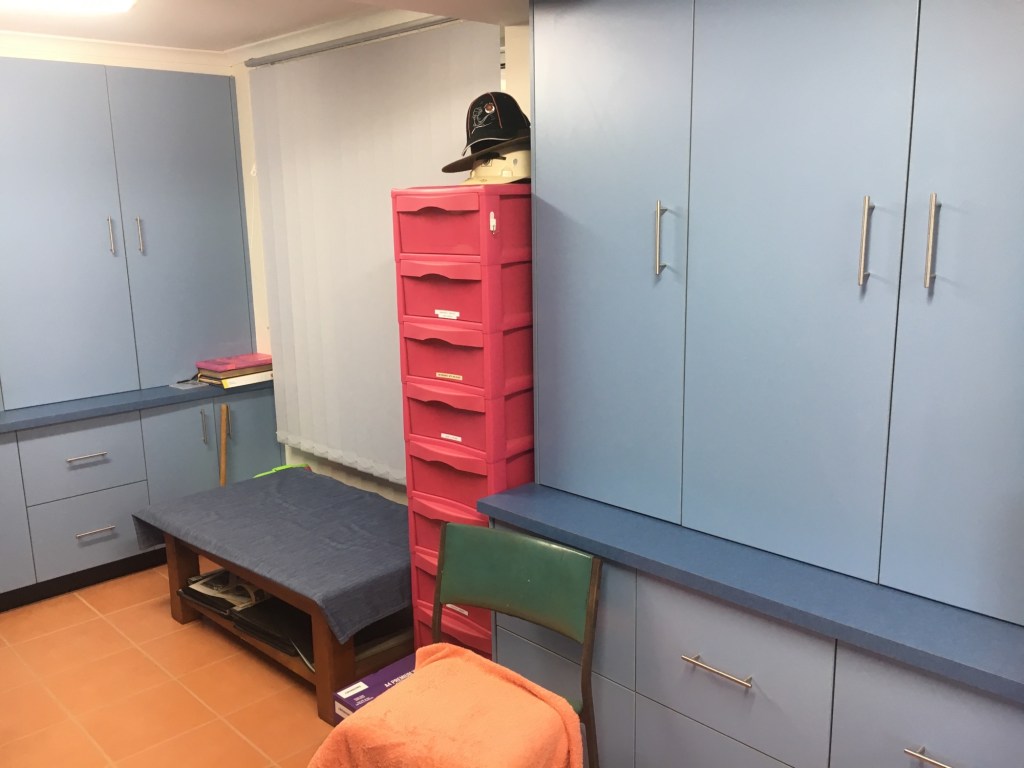
You get to build your perfect space for reading and writing. What’s it like?
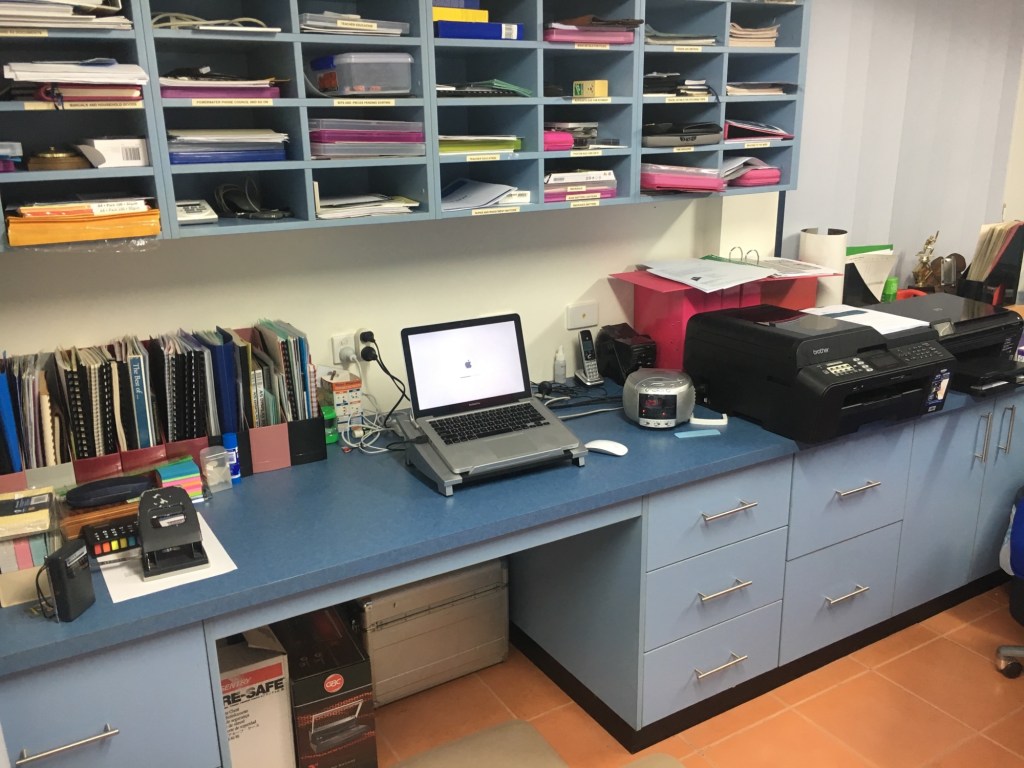
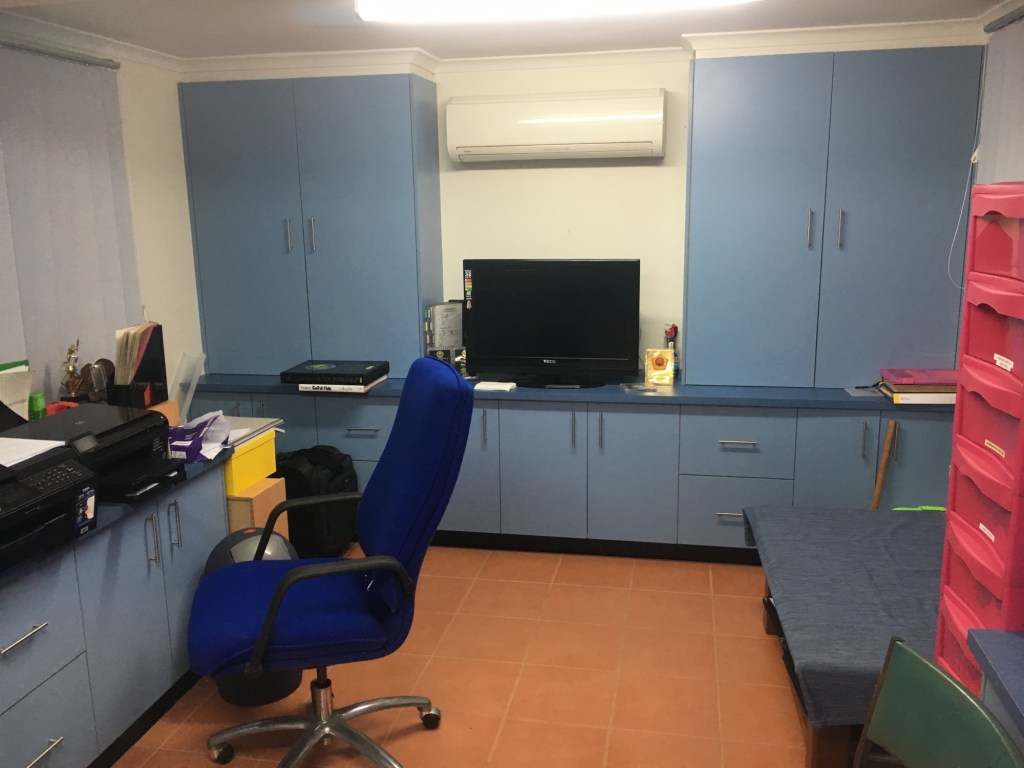
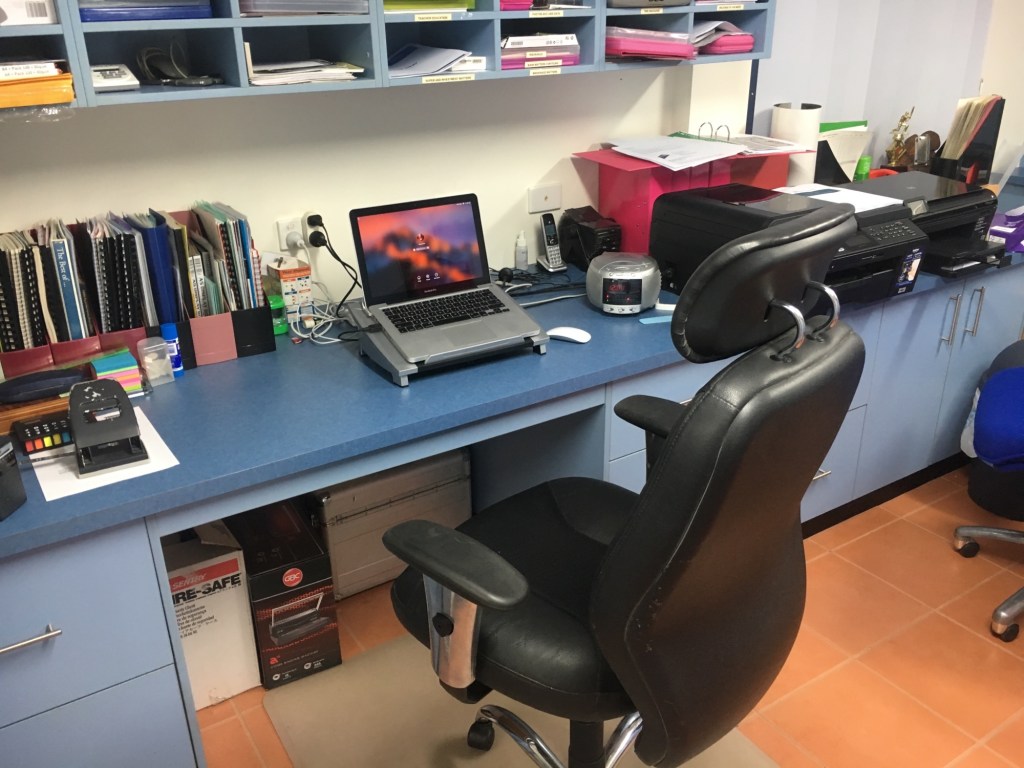
When looking at retiring, we organised and built an office underneath our house. It’s an elevated house and there was room to build a decent office designed and custom-made.
Rather than writing at length about my office, which I offer to both our children and grandchildren to use when they need to, I’ll go for sharing by
picture.
I use the office quite a bit but if truth be known prefer to work upstairs in our house on a very large mahogany table, so that I can talk with my wife as I work and so that we can share time together.
The office is nice and functional and will fit it out but it’s also separate from the rest of our house – and I do like sharing time upstairs
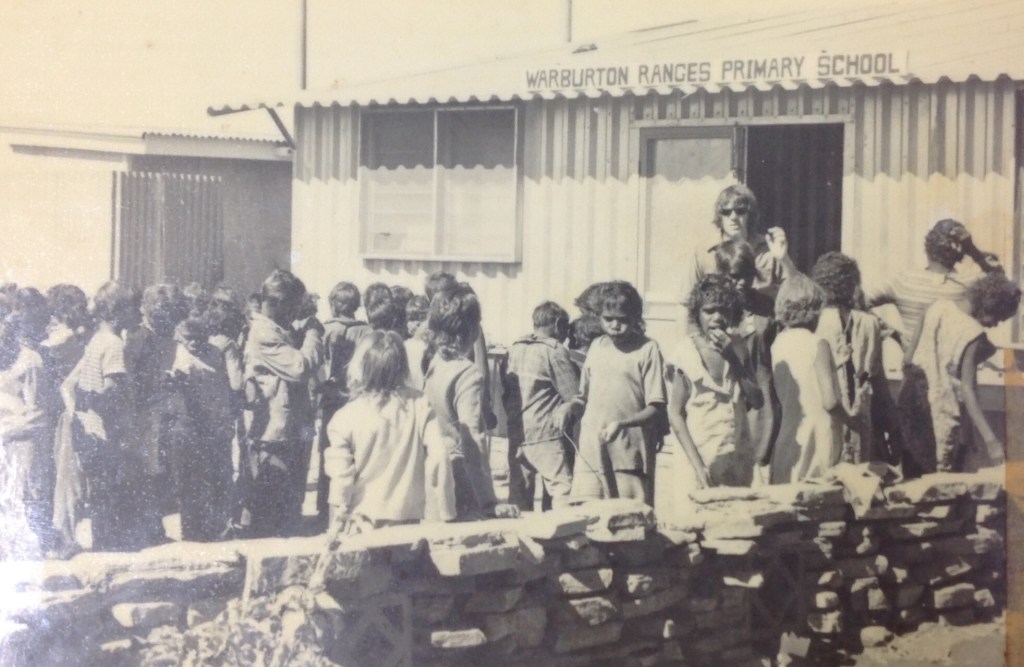
My favourite vehicle without any doubt is the Mini Moke. I had a Mini Moke in the 1970s and we took it as our vehicle to Warburton Ranges in 1974. For the time that we were there in 1974/75, it was our vehicle that took us everywhere.
I will never forget that I transported 19 of our students on one trip. The journey was over 14 km to a waterhole so that students could go swimming. They all fitted into and on every part of the Moke for the trip there and back.
I had never driven so far with so many in what must’ve been the slowest journey on record.
When we left Western Australia and went to camp in the Northern Territory, the mini Moke went with us and again it was a vehicle that gave us four years of transportation as a family.
At the end of 1978, we transferred to Angurugu on Groote Eylandt. With a growing family in terms of the size of our children, we bought another more conventional vehicle and I also have School provided utility.
The mini Moke of service faithfully and well but it was starting to show it she is and was very much suffering from fatigue. I don’t hate it to our manual arts group so that they could learn a little with their teachers about motor mechanics.
I have had lots of vehicles over the years but that Mini Moke, which was red like the one in the attached picture, was by far and away the very best for you I have ever owned.
To go into the details of everything I have done over the years to try to be creative would be an impossible task. To recall over 70 years of creativity would take a work running to many, many thousands of pages.
Suffice it to say, that I believe creativity to be a positive motivator and skill that helps one to enjoy and indeed look forward to life.
Writing for me is a creative opportunity in both fictional and non-fictional genres.
In short, it is wonderful to be able to create things.
We covered the walls and the the ceiling with a local word picture dictionary. When children were writing and leading words, they were able to check the walls and ceiling for spelling prompts.
The topic about people of influence comes up often in various conversations and in various forums. The subject is one that is written about quite extensively and discussed in all sorts of forums including through radio and television.
A lot of conversation about influencing and indeed the promotion of people who do influence others are there, saturate social media.
Influencers are people whose influential impact is judged by the number of likes and the number of followers they have on their sites.
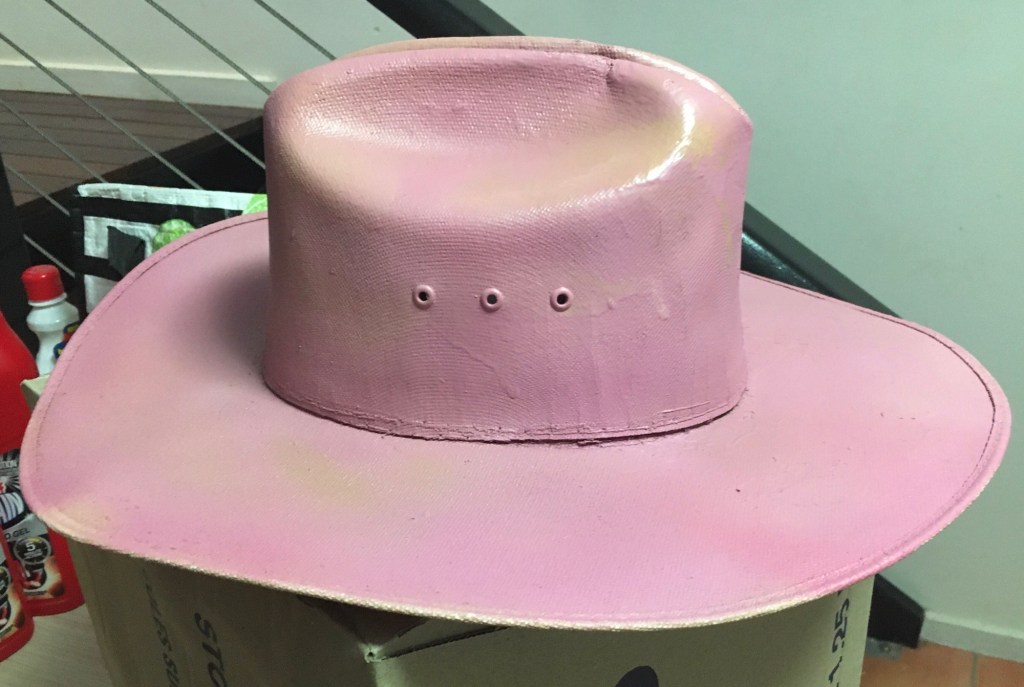
“I’ll do what she does“, “I’ll eat spinach because he eats spinach and is strong and powerful“, I’ll wear pink hats because she wears a pink hat” and so on.
There is a sad and also a comical side to the power of Influencers. The fact that people are willing to subjugate their beliefs and modify some behaviours because they want to be like the Influencers they hero worship is rather sad.
I try to learn lessons from others. But I will not allow my personality, beliefs and focus to be subjugated by the overriding and unreasonable influence of others.
I was born at Nazareth House in Geraldton on 24 February 1946.
These days Nazareth House in Geraldton is a retirement village and a care place for old people. So, 77 years on from the place of my birth, should I look at going back to Nazareth house as the place in which to spend my last days before dying?
1946 was a lot different to 2023.
Then, there were just under 7,000,000 people in Australia. Now, we have a population of 27,000,000 and it is growing like Topsy.
There were lots of “no’s”’.
No television.
No regular communication possibilities other than by letter or expensive telegram costing two and sixpence for 12 words. That is equivalent to substantial dollars in today’s currency.
Nothing of a technological nature at all without going into detail – that of course means “no“ to at least 5000 benefits coming from life these days.
No lack of good manners, and caring for others.
No lack of respect for parents, school teachers, authorities, and so on.
Much less pretending to be authorities about things that you knew little about, as is the case today.
Much less talking particularly getting out of turn and a lot more listening, resulting in better comprehension.
No calculators and gadgets to undertake processes and find answers to questions, where those answers and processes were not understood by the person working them out.
In education, no overlooking the importance of handwriting, spelling, grammatical understanding, history, and the basics of morality.
Forgive me, but I think the olden days were good days.
During my lifetime in personal and professional terms I have learned a lot about what to do my learning a lot about what not to do.
Although all the component parts of experience go to make up a day, week, month, year, decades and scores, and time beyond, It is the way one learns to put together the component parts of life that make for awareness that is so important.
One of the things that can really get in the way of success is confusing personal and professional strands of life. During my time as an educator I have seen hundreds and hundreds of examples of people doing a lesser professional job than they should because of taking those in the workplace to heart as mates.
One of the things that always has helped me in judging character is separating the personal and professional from each other. I have never ever been mates with those not professionally laid and dissociate. To try and mix these two ingredients in the one approach to dealing with people can lead to both poor personal relationships And inferior leadership and management.
There is always a chance that the expectations that should be held of subordinates and work peers will be watered down and relaxed if work people are regarded as mates. That intern can lead to Chisholm is within the organisation because Some are treated one way and some in another.
Although it has been hard times to keep that separation, it has been to my god. I haven’t worry too much about being liked by people under my leadership, but I have been concerned to operate in a way that establishes their respect for me and mine for them.
Judging of character in a way that allows an accurate appreciation of people with her with her new one is associated is very important and something off and overlooked. It is an area that has been of interest and concern to me for the last five decades or more. I hope I’ve made correct Interpretations of character about others and also hope that I have revealed myself with character correctness to those with whom I have worked and associated.
When I was a child, quite a small child, there was a course that used to be Sun at our church. It was along the lines of “I’m inright, outright, upright, downright, happy all the time … “
The chorus went on to the clear that those who gave their hearts to the Lord would have this everlasting happiness.
That certainly appealed to me as a young child. And as I grew older and departed from the church, I certainly wondered if I was throwing that happiness away. In previously explained circumstances (in an earlier post) I’ve explained why I became disaffected with organised religion. But I have never really replaced that with any other form of belief that manifested self through ritual and adherence to the religious philosophy of a particular organisation. I try to live a good life and experience moments of happiness when something I’ve done for others, be the family, or professional associates and others realise positive outcomes for them. One of my granddaughters recently achieved a score of 92.37% in her Northern Territory Certificate of Education. She was one of only 111 students in the Northern Territory to achieve a score of 90% plus. I was ever so happy for her and rejoice in her success – as I rejoice in the successes of all my children and grandchildren.
I like it when things go well for those I love and those I know. In terms of personal happiness, I feel that to be impacted these days by the fact that the things I did that made me happy as a teacher and Principal, in working with others and putting children first, have largely been disbanded and are no longer priorities.
I would like to be happy with the way education is trending. I would like to be happy with the way society is progressing.
I would like to be happy knowing that the majority of people are well-placed socially, emotionally, “spiritually/morally“, and financially. Sadly, that is far from the case.
It seems to me that a prediction I made over 30 years ago during the conference that looked at futurism, has indeed come to pass.
Participants were urged to consider the future optimistically. There were eight participants at each round table. We were each asked to write a statement of perception about the future. Once done, a participant was to place their prediction in the middle of the table. If those following disagreed, they placed their statement on top of the one with which they disagreed. If they agreed with the statement on top, they placed their statement under the one with which they agreed.
I put mine down first. One by one, the other seven read mine. Everyone left my prediction on top of the pile.
My prediction read.
“The world is not in a good place. It will only get worse, never better. It will spiral downward on every respect. There may be temporary pauses in the downward spiral, but there will never be a reversal in the downward direction.”
This seems to be the way it is turning out. And that gives rise to ever briefer periods of happiness.
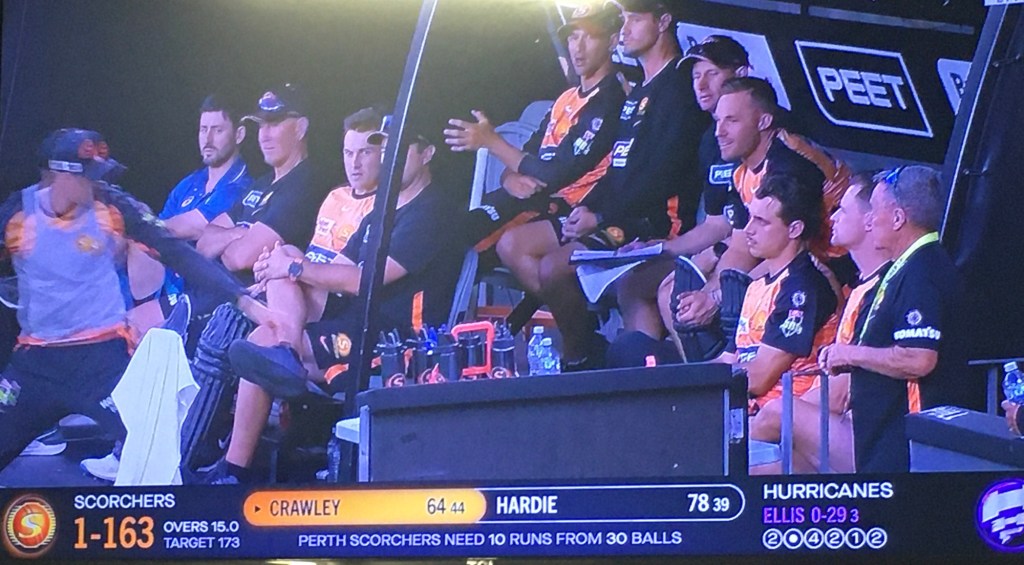
The last thing I did today for fun, enjoyment and relaxation was to watch my favourite Big Bash League cricket team Perth Scorchers play in the Hobart Hurricanes in a 20 over cricket game in Perth, in front of 28,000 people tonight.
I am an avid supporter of Perth Scorchers who have won the last two Big Bash challenges and are aiming to make it three in a row this year.
Tonight they had a great win, chasing down 173 runs with about four overs to spare and losing only one wicket in the process.
It was a great game.
Hero Batsmen Zac Crawley and Aaron Hardie in a record second wicket partnership. The team in the dugout and an exultant section of the crowd at games end. And the Scorcher’s mascots.
Describe a man who has positively impacted your life.
In past posts, I have written about people who have had a major impact on my life through the positive influence they have offered. All these people, both men and women, have helped me in positive ways towards being a better person at family, professional, and general community level.
I have also been “helped “ by people who have done things in such a negative, senseless, and even harmful way that they have influenced me. They have taught me what to do by teaching me through their example and effort about what not to do.
In 1996 my wife and I went on long service leave to the United Kingdom. For the most part, we did our own thing, including driving, taking a week on a canal barge boat, and going on the bus tour to Ireland.
During our time away certain people influenced me because of what they were doing, where they were, what they were saying, and so on. They must’ve had an impact because I remember them to this day.
• I was walking in London from the place we were staying in Capitals Court. I went for a walk one morning and it was very early. As I walked along and took us there around it was a gentleman coming the other way. As we passed I wished him a good morning and spoke to him and jovial and happy times. His reaction was to look at me in a scared way, almost vertically, and his walk turned into a scurried sort of canter. I must’ve frightened the life out of him.
• We were on the Yorkshire Moores which is in the middle of the summer but it was a bleak day and quite windy. On the side of the road was parked a van. Upon Looking I saw the owner of the van with some crates which turned out to be filled with homing pigeons that he was about to release. I can remember the beautiful view from the Moores looking down into a very Greenvalley and him telling me just how far the birds had to go from their release point. We had a terrific conversation and I remember him and his birds to this day.
• We drove up into Scotland and pulled up outside at a public convenience that overlooked Inverness to the west. I needed to go to the toilet and went inside. There was a man, who turned out to be in the mind and carer of the facility, dressed ever so neatly. He told me I would need to pay one pound to go to the toilet. I desperately needed to go, so parted with the pound. When I came out I asked him whether the work he did at the hillside toilet with a great view, gave him job satisfaction. To this day I remember the look of disdain he reigned upon me for asking such a question.
• At John – O – Groats I happened across a man with a very portable shearing machine in a makeshift pen on the back of a towing trailer. Had an enlightening conversation.
• Met another man on the Isle of Skye who had sheep corralled into the corner of a paddock. They were included by his dog. He shore each sheep with hand-held shearing blades, placing shorn fleece next to a tree All this was taking place on a tarpaulin placed on the ground.
• There were others including a street cleaner in Dublin, a fisherman with a permanently moist nose in Penzance, and a man who reminded me of meeting the man from St Ives because he was exiting St Ives with his dog, as we drove into the town. I spun the car around, went back past him and his conveyance, stopped, jumped out of the car and took his picture – all for the sale of the nursery rhyme.
At Casuarina adjacent to major shopping centre and a kilometre from the CDU Casuarina Campus. Houses a lot of students. How would you like to be accommodated here?
It is hard to see the end from the beginning. It’s hard to predict what is coming next, even one day at a time let alone what might happen on this day in 365 days.
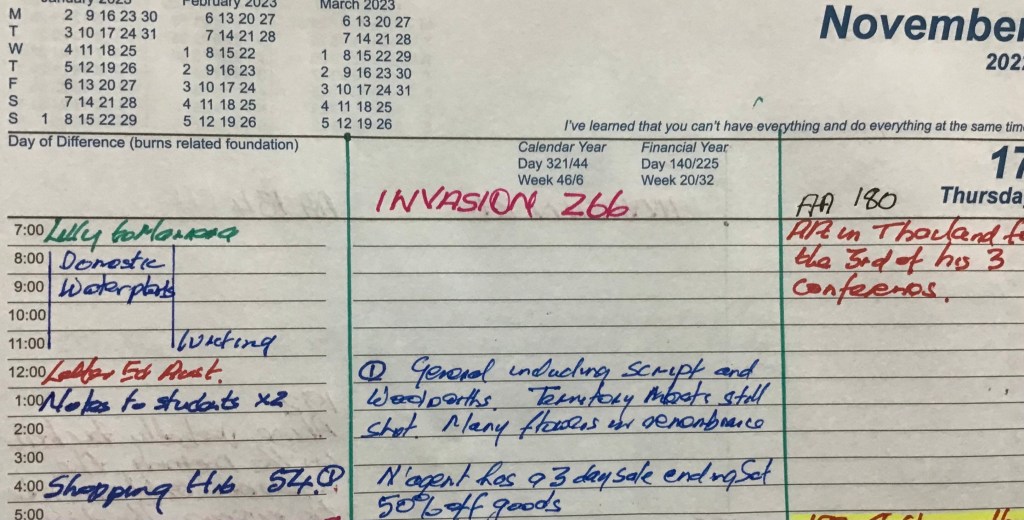
So I will check my diary and go back to 17 November 2022 to try and picture whether or not all that time ago, I was in any position to predict what might happen today.
Well, I have checked my diary and there is no way 365 days ago, I could have REALLY predicted what today might bring to the fore. There are however. some similarities.
• Our son was flying to Singapore en route to Los Angeles for a work-related conference. That’s not happening today, but he flies regularly for work.
• The Ukranian Invasion by Russia was on its 266th day. Today is its 667th day.
• There was no Hamas-related conflict with Israel at this time last year, but today the conflict is on its 72nd day.
• Anthony Albanese was in Thailand, attending his third overseas conference in a row. At the moment he is relaxing in WA taking in the wine-growing region of Margaret River – BUT he is always off overseas to conferences.
• Our newsagent was having a 50% off everything sale, with the business changing hands. The new newsagent is offering some specials at the moment.
• I went shopping. November 17th 2022. I have been shopping today and have a bit more shopping to do.
• Our local Territory Butchers shop was shut because a wonderful family member had been murdered. This excellent shop is closed today because it is Sunday.
• That is my major recall to today from 365 days ago.
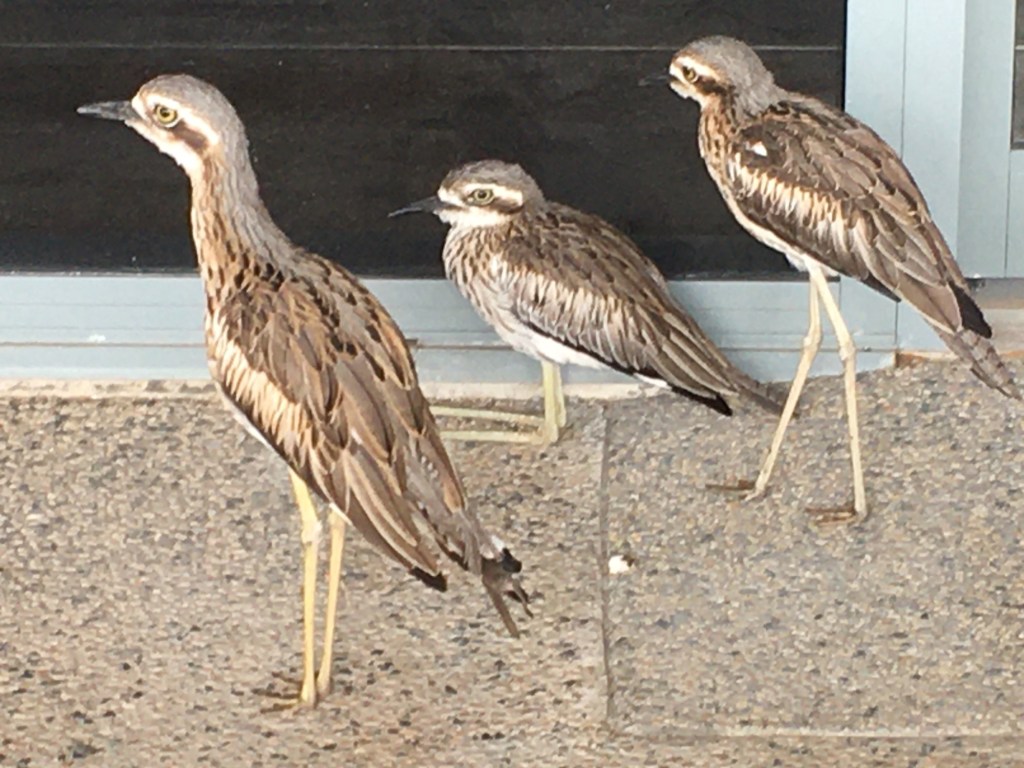
The Kirlew Parents with Junior at Millner in the Northern Territory. They were resting on a walkway in front of shops and were as still and statuesque as possible.
I am learning dark lessons that I do not have the skills to manage. The lessons are being heaped upon me as realisations that at all levels of community, negatives are on the rise.
Domestic violence is on the increase.
Crime is out of control.
Educational quality is on the decline.
Student dissatisfaction and lack of motivation is on the rise.
Primary parental care for and commitment to the upbringing of their children is on the wane.
Demands that agencies and organisations should operate ‘loco parentis’ is on the rise.
People are getting poorer but spending more and more on alcohol, cigarettes, drugs, gambling, and entertaining.
Meaningful training of people toward key occupations is ever more mediocre
Care for others is on the decline.
Selfishness and ‘I myself’ attitudes is on the rise.
The list of these sorts of realisations is on the rise.
I think these trends are wrong but I do not have the skills to turn attitudes toward any correction.
This tree frog decided to take up guard duty late at night on the lid of our bin. Not wanting to become supper, it was possibly evading a lurking cane toad.
In this world of ours, there are thousands and thousands of cities. I can well imagine that some people would find it very hard to come down to a single city but they would like to visit and to be in for a period of time.
During my lifetime I have visited quite a few cities in quite a few countries, including most of the cities in my home country, Australia.
I have read a lot about cities not visited and discovered what apparently is special about them through reading and online viewing.
But the answer to this peculiar question for myself is easy. There are no cities in the world that I would like to visit.
Cities are a turnoff because of:
To much congestion.
Too many people.
Too much dirt, dust, air-pollution, and general filth.
Too many vehicles making too much noise.
Too many shops altogether too crowded and uninviting.
Too many people who care only for themselves and nobody else.
Too much crime.
To many con artists and scammers.
So many rules and regulations that you can’t get around them all.
Too many people rushing at ever faster pace with far too many on mobile telephones and devices as they walk and not concentrating on where they going.
Too many flashing neon signs and too much advertising and that beats into your head And assails your eyes
Places as far away as possible from the freneticism of cities are the places for me.
I hope above all else to be regarded as a person who, when he passes, is appreciated for having made the world a better place for his life and contribution.
I want to be remembered for being a school leader who was somewhat unorthodox but through that, someone who earned the respect of students for always putting them front and centre in all educational planning.
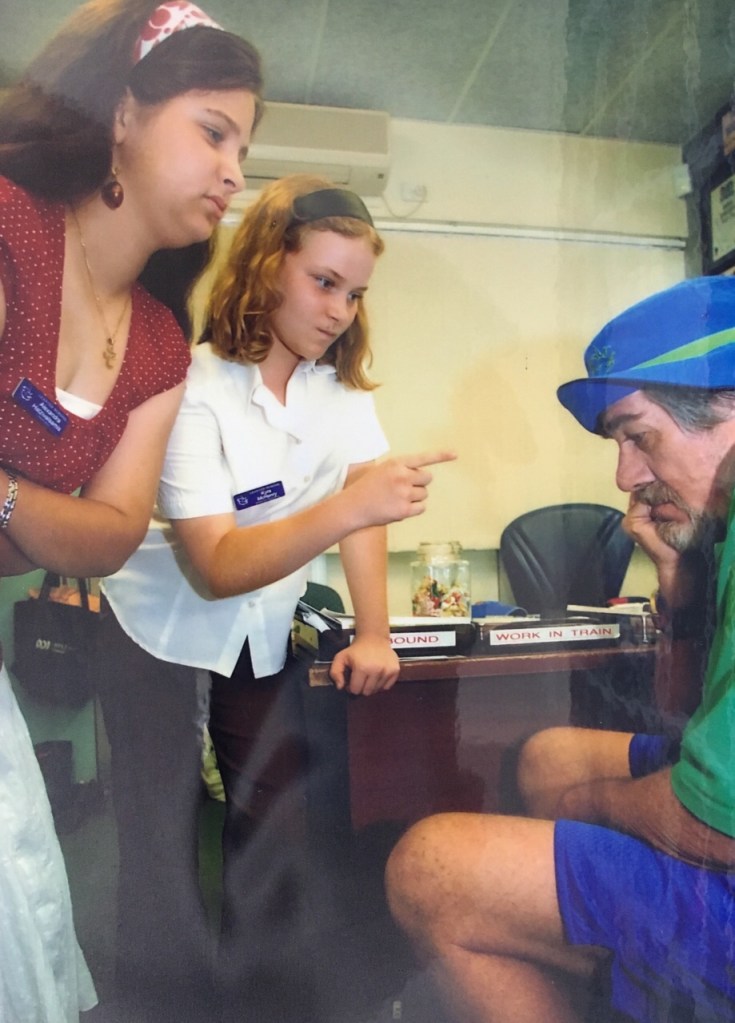
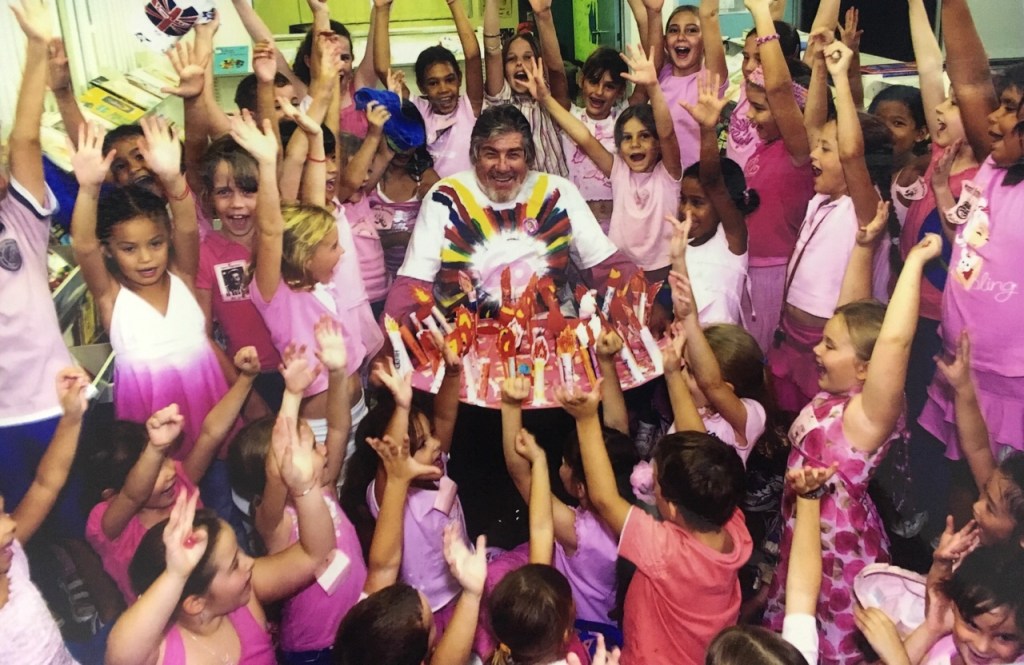
Our annual ‘Principal and Student Swaps for a day’ Illustrate. And I will always remember the fantastic way in which students surprised me with a brilliant pink day (Pink is my favourite colour) the day I turned 60.
Student to Principal and Principal to Student. Poor Old Henry berated for sinning. Turning 60 in pink.
Beware of the dangers of trendiness with ALL you do.
Education is exciting, often because of the chance to innovate and try out new ideas. However, it is crucial to consider and study the merit of new ideas. ‘Reform’ and ‘initiative’ are words often overdone.
Education that bounces from one new idea to the next, to the next in rapid succession, can present a destabilising and hard-to-follow classroom experience for children. There seems no end to the plethora of ideas, approaches and priorities that come along.
Schools and teachers must apply a filter to suggestions for change. The pros and cons of issues need to be considered. To grasp at something new for the sake of its novelty is unwise.
Schools and staff who take and consider ideas and change suggestions are wise. This is where the value of collaboration and conversation comes to the fore. Within every group, some want to run with change. Others prefer dialogue and careful consideration, and a third group dig in and avoids change at all costs. From this delightful mix, school organisation evolves.
Some thoughts:
* Discuss issues with colleagues and also be a sounding board for them.
* Read and research new initiatives.
* List the pros and cons relative to change in teaching approaches.
* Discuss ideas with people who may have trialled them.
* Make the subject one for discussion at unit meetings and possibly whole staff
meetings.
* Consider whether changes will build on what has gone before or whether
they will mean starting all over again in particular areas. There is much to say for ‘steady state’ or incremental development.
* Take into account budgetary implications of change. Programs that are resource-heavy can finish up costing schools a lot of money.
* Consider if change addresses significant learning needs or if it is simply about embellishment or ‘prettying the edges’ of learning; is it about superficiality or
substance?
Change ought not to be resisted by habit. Neither should it be unthinkingly accepted for change’s sake. Consider new ideas on their merit, including thinking, reading and discussion with others.
Importantly, consider that change should build on what has gone before. To throw out everything that has been developed, using change as an excuse to ‘start all over’ would be the extreme of foolishness.
Some say that attention the spelling is old hat and the discipline of being able to spell accurately and correctly is not necessary anymore.
In an age of computer technology, they argue that the computer, iPads and similar gadgets provide students with correct spelling options through “spellcheck” and other text-refining devices. Therefore it is not necessary to know how to spell words by heart.
Others argue that in terms of priority, spelling is a basic that no longer needs to be taught. There are other teaching and learning priorities.
Maybe “experts” believe that spelling skills will be acquired by osmosis. Some people genuinely believe that spelling accuracy isn’t essential because corrections for spelling and grammar can be provided by checks inbuilt into attachments for Word documents and others. My personal belief is that that is the lazy way out.
I once had a teacher say to me, “I don’t teach spelling because I don’t like it.” Teaching basics is apparently dull and quite stifling for some people. This overlooks the fact that teaching essential basic understandings is repetitious. Not all learning is tinsel and glitter. However, there is a way of engaging children with spelling that makes it quite exciting and looked forward to. There are numerous spelling games available that can be adapted for classroom use. These can be developed to support and reinforce graduated learning.
Spelling and word appreciation games up also available. This is one area where computer and iPad use can be reinforcing. My contention, however, is that spelling is an area that requires primary teaching. It can’t all be left to children working on devices and acquiring the understanding they need without teaching going into the program.
Tell us about your first day at something — school, work, as a parent, etc.
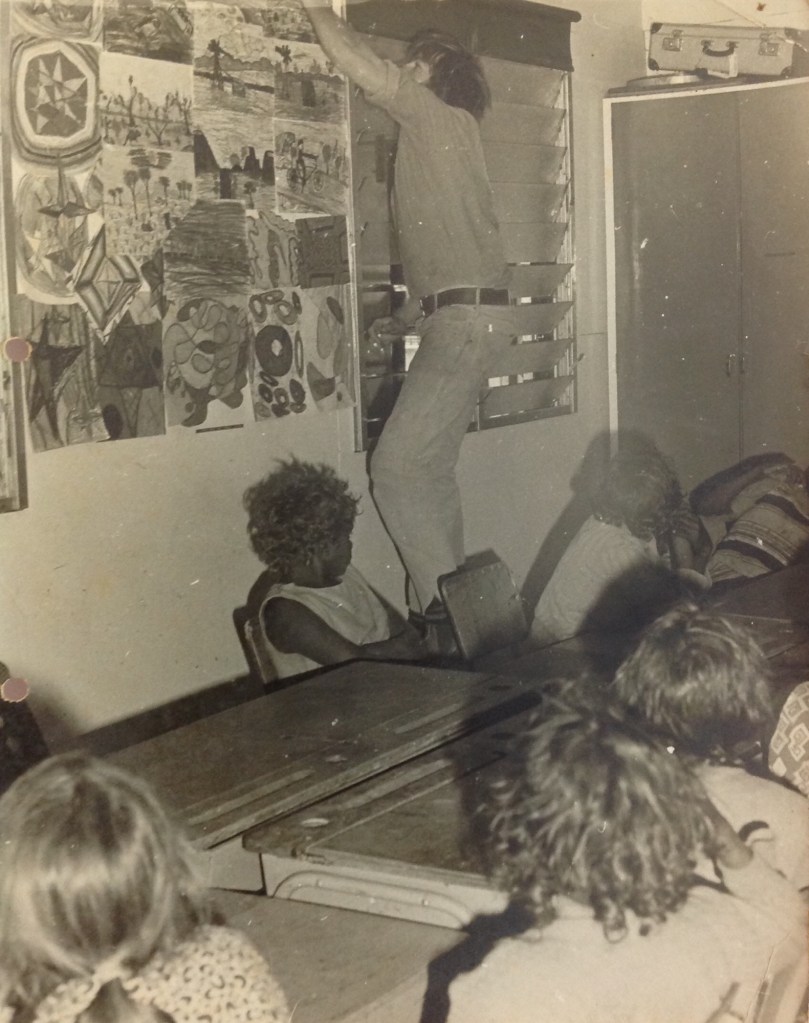
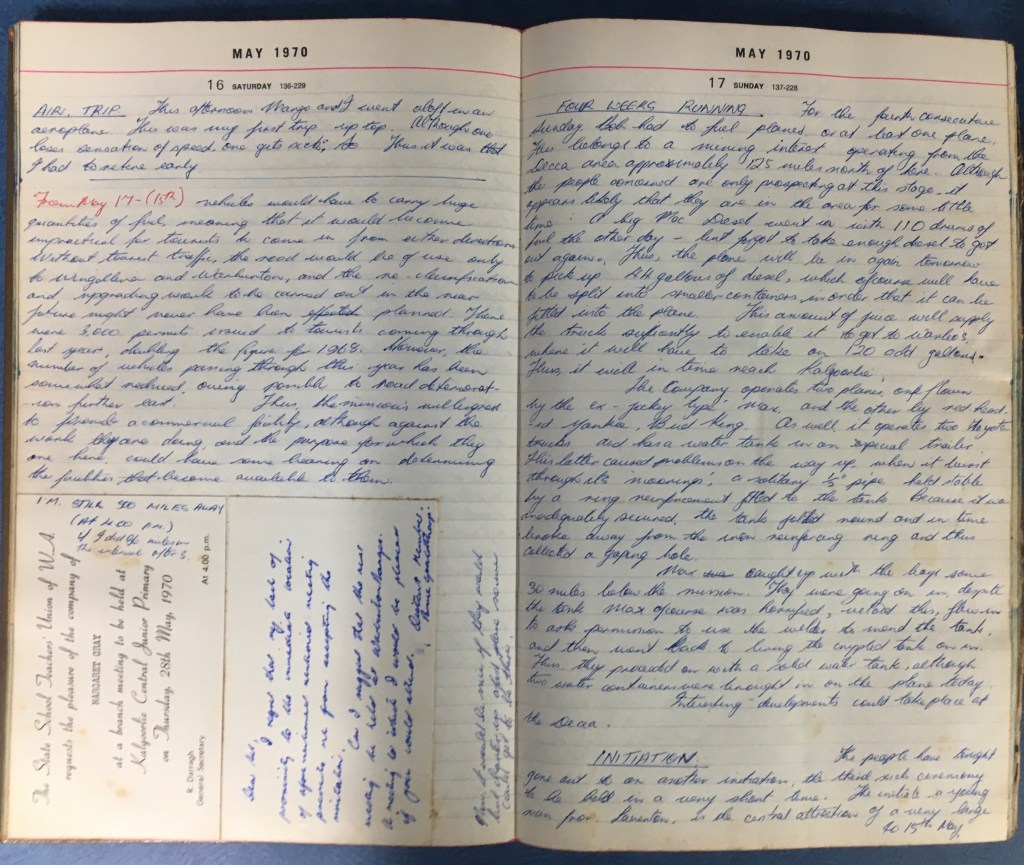
The first ever day of my full time teaching experience turned out to be pupil free, by accident rather than by design. It is a day now over half a century old I will never forget.
Warburton Range School Headmaster, Bruce Goldthorp, an educator with seven or eight years of teaching experience, was on his first day in the role of headmastership. As he lined the students up, a kerfuffle with beginnings outside the school yard, quickly entered the school precinct. It transpired that one of the older students (1) had told another that her Father had snakes in his legs. Her Father in fact had very visible and prominent varicose veins in his legs. This ‘observation’ was part of an altercation that had occurred some time prior between the two students.
This comment was relayed to her Father who took umbrage at the deep insult. With his weapons to hand, he and his family came into the school yard, seeking retribution on the utterer of that comment. She took off, into the school and up the classroom connecting passage, being chased by the offended father and family. The family of the girl who had made the comment became alerted to the dispute and with appropriate weaponry (no firearms were involved) began chasing after the offended family.
The end result of this situation was a scatter of all students, first as spectators to the event, which rapidly moved from the school yard and into the community, thence into the distance. There was no school that day: Our first school day of 1970 at Warburton was the second day of the school year.
The first day of a first year of decades of teaching.
Have you ever performed on stage or given a speech?
I have only ever acted once. I was the genie in the lamp in a play about “Mrs Wishy Washy“ at the Alangula Theatre Club on Groote Eylandt in the Northern Territory of Australia in 1979. I only had three lines and had to appear out of the cloud of fire extinguisher ‘smoke’ and speak several words.
The woman producing the play and I had words on several occasions about the fact that genies don’t have beards. I told her that my beard was a permanent fixture and that the genie either did have a beard or this particular genie wouldn’t be a genie at all. I prevailed.
I liked being a genie, particularly because a naughty little boy ran away from his mother and came up to the edge of the stage and started being rather silly. So as I spoke the words from my script, I looked down at the little boy and enunciated them in a very loud voice. That frightened the little boy and he started to howl and ran back to his mother and stayed port.
That was my first and only foray into acting.
Public speaking is an altogether different scenario for me. Over the years I’ve done a lot of it. I was an Advanced Toastmaster at the gold level as a member of the Toastmasters organisation. I also did quite a bit of emceeing and won several speaking competitions in the Northern Australian Eisteddfod held each year.
I taught speech and speaking to students and had them entering into competitions – not bad for children aged 9, 10 and 11.
I have developed material which I’m willing to share with anybody on aspects of listening speaking and evaluation.
It is quite comprehensive and covers pretty well every aspect of this important subject – being able to speak, listen, evaluate and appreciate self and others in this domain.
I attach the index of what I’ve developed and am happy to share material cost free to anyone who wants it. All I need is an email address from anyone interested to be sent to henry.gray7@icloud.com
SPEECH AND SPEAKING INDEX
Some general thoughts that may be useful as speech and speaking remembrance or reminders.
Includes listening and speaking.
Intended to have use or merit in particular situations.
1. Speak to be remembered.
2. Speak from the heart.
3. Don’t overdo notes.
4. When speaking, don’t shuffle.
5. ‘Thank you’ may be redundant. (The audience should be thanking the presenter.)
6. Avoid fillers.
7. Sincerity counts.
8. Speech first, paper later.
9. Do as I do.
10. It’s your message that counts.
11. Self reflection and evaluation.
12. Socratic Discussion.
13. Consider a critical colleague.
14. A mission statement focuses vision.
15. The importance of audience.
16. Be dignified, respected and positively remembered.
17. Points to ponder.
18. Speeches need meaning and intent.
19. Three points to remember.
20. Punctuate speech.
21. Boring, boring voice.
22. Eye contact
23. Gesture,
24. Visuals supporting your presentation(s)
25. Speak clearly.
26. Language theory and practice – the disconnect.
27. Eyes – the most important organs of communication.
28. Facial muscles support gesture.
29. Interact with the audience.
30. Speech development too often discounted.
30A Make presentations clear and succinct.
31. Today it would be counted as discrimination.
32. Word usage and pronunciation (1).
33. Word usage and pronunciation (2).
34. Word usage and pronunciation (3).
35. Word usage and pronunciation (4).
36. Word usage and pronunciation (5).
37. Word usage and pronunciation (6).
38. Word usage and pronunciation (7).
39. Know your subject.
40. High and mighty.
41. Study others and improve (Voice).
42. Study others and improve (Eyes).
43. Study others and improve (Gesture).
44. Self study and improve (‘Traits’).
45. Offer to improve others (Presentation skills).
46. You cannot ‘hoodwink’ audiences.
47. More to ‘ums’ than ‘ums’.
48. More on the ‘um’ factor.
49. Impromptu speaking.
50. Don’t discount speech impressions.
51. Send staff for speech development.
52. Speech development too often discounted.
53. Speak conversationally to audience.
54. Eye contact (Revisited and extended).
55. Gesture revisited.
56. Intonation (emphasis) makes a difference.
57. Language – the theory and practice.
58. Evaluating speech.
59. Worthwhile considering.
60. Post presentation – looking at how you have done.
61. Feedback by device.
62. Idiosyncrasies and peculiarities remembered.
63. Face to the audience.
64. Same, same (Avoid repetition).
65. Glass of water,
66. Hands free.
67. Don’t rely on props.
68. Scrabbling around with props (Defocussing).
69. ‘Uno’
70. Death by PowerPoint (1).
71. Death by PowerPoint (2).
72. ‘Kiss’ Principle.
73. Address the audience context.
74. The burden of notes.
75. Palm cards (1).
76. Palm cards (2).
77. Meet audience members.
78. ‘Recommendation’ can enhance the future for presenters.
Note: Written with teaching in mind, ths advice would apply equally to other professions and occupations.
There is a deep and abiding interest in matters of an educational nature. Increasingly print, radio, and television coverage refer to academic issues. Some people pay little attention to what is being reported about education because they feel it is inconsequential. There is also a belief that what is reported misconstrues facts. That, to some extent, may be the case; however, it is vital to be aware of the way education is trending within the community.
Retaining information about education can be helpful. There are various ways and means of doing this, but it works best if collation is organised regularly (almost daily).
Newspaper items can be clipped and pasted in a loose-leaf file, indexed book, or similar. Indexation is essential as it allows you to refer to things you may need to recall quickly.
Photographing news clippings using an iPhone or iPad, saving them to your pictures file, and then creating an album for clippings is another method that works well.
Scanning clippings and saving them onto a USB stick is a method that works well. Again, indexing the USB file helps. You may choose categories to index under rather than an “A” to “Z” approach.
Clippings files can be backed up on iCloud or saved onto a computer or USB.
From experience, the use of newspaper clippings regarding social and cultural education, general knowledge and stimulating discussion in class are but three ways this information can help. Clippings can also facilitate the content of debates, the writing of persuasive arguments for older students and so on.
Awareness of issues can promote professional discourse, including helping to shape how members of staff develop collaborative programming to support the teaching of current affairs and civic matters in schools.
Teachers would find a study of media and establishing a clippings file valuable and worthwhile.
Until I retired at the beginning of 2012, I had never heard of “blogging”. It took me more than a year beyond retirement to understand what blogging was about. Thanks to “WordPress“ I gradually came to terms with understanding from time to time by the company’s “Happiness Engineers“.
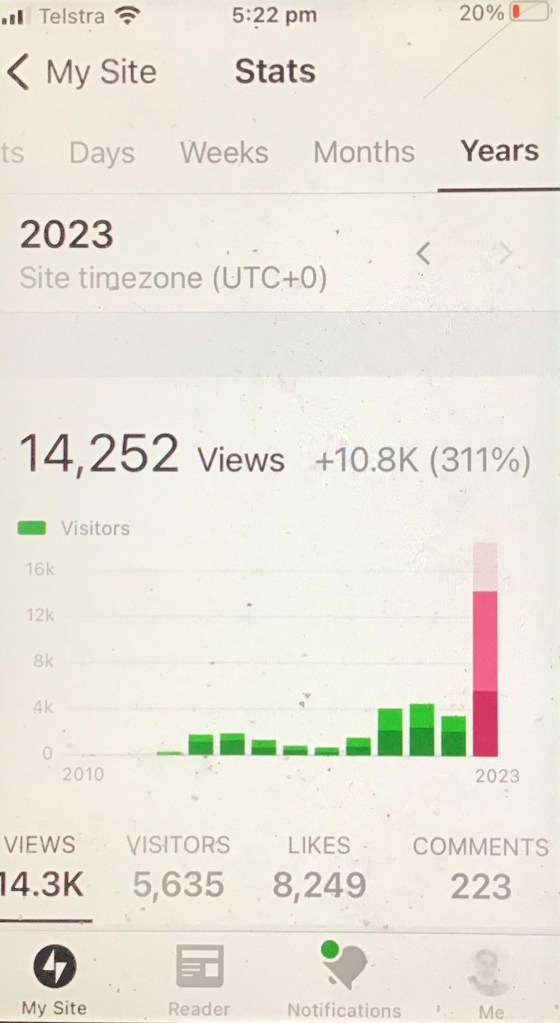
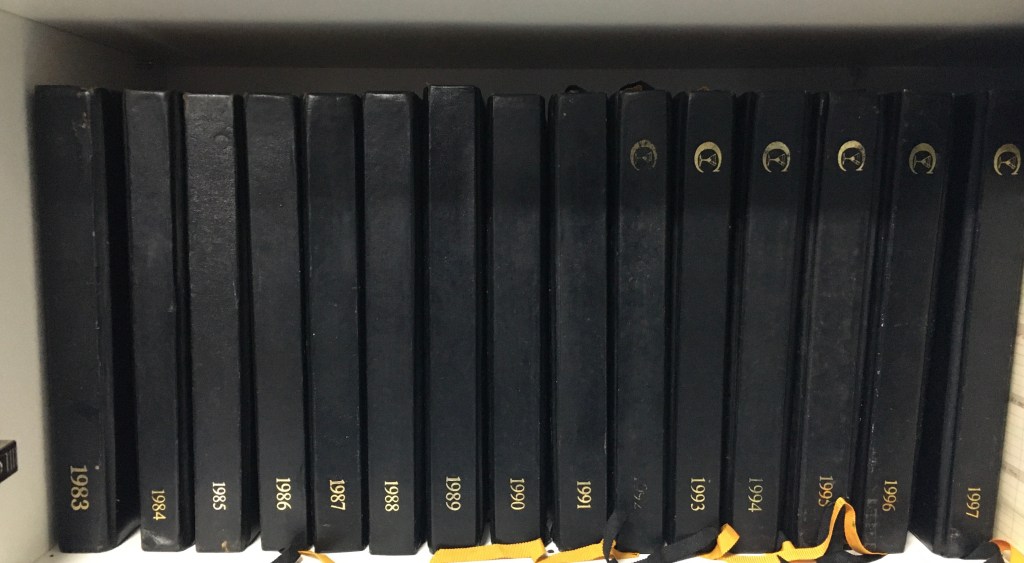
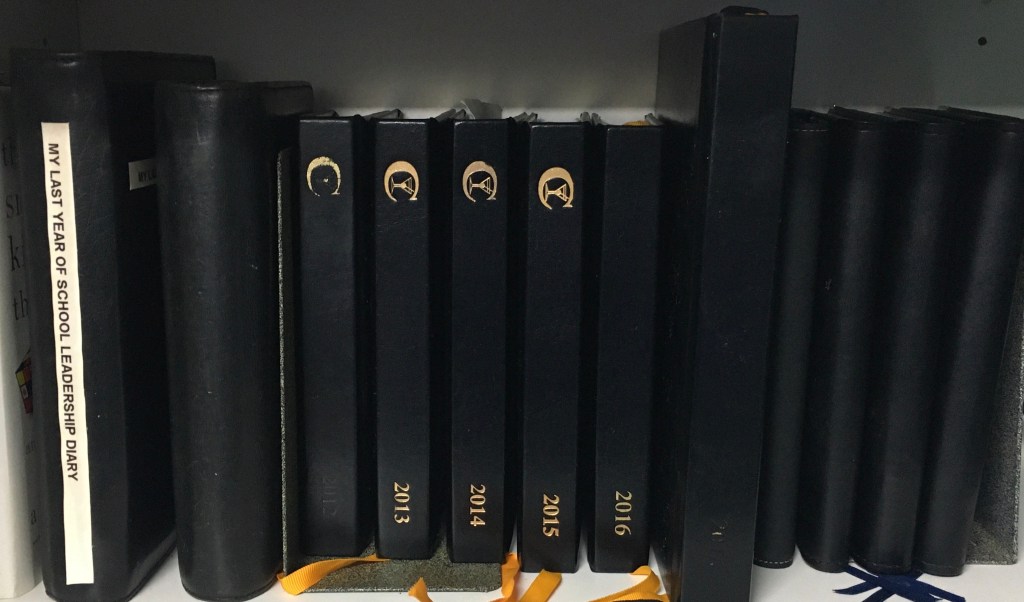
Being hesitant about dealing with new things, it took me quite some time to get into blogging. The record of my blogging at the bottom shows this to be the case.
I was quite happy with the views data attached to WordPress.
And then along came “Jetpack”. The link of your WordPress with Jetpack” was it opportunity I became aware of only in April or May of this year. It took me a while to get a handle on Jetpack, but now it is very firmly a part of my program of blogging.
Through Jetpack the number of visitors to my site has increased many hundredfold this year. Compared to past years the changes absolutely astounding.
Along with that, I’ve had a steady increase in the number of people who view my posts and link with my site “Education A Life Force”.
I appreciate those of you my site and like my posts and make comments. In turn, I tried to reciprocate my appreciation by becoming aware of their blogs and posts.
I have only one issue. For the life of me, I cannot get Jetpack, on my IPhone to sync across to my WordPress which is also on my IPad. Can I overcome this challenge?
Drama is a focus often underdone in classrooms. It is generally perceived as a subject that must give way to more essential requirements, like getting on with language, maths, science and other vital subjects. Drama is sometimes seen as a diversion, taking attention away from crucial learning and conceptual areas.
It is a pity this happens. Rather than being an isolated stand-alone subject, drama can be used to correlate and integrate with other topics. It can be used to reinforce learning by putting students into a context of acting out situations about which they’ve been learning. It offers a first-hand experience rather than second and third-hand. Drama allows students to engage with and immerse themselves in experiencing what it was like to be a part of the past and the present and to forecast the future.
Children love to play and pretend. Reinforcing literature, history, and even mathematical and scientific concepts by acting them out and engaging through play can consolidate learning experiences.
Sometimes teachers feel drama is a subject that is below them. They feel embarrassed about getting involved with students in dramatic play situations. Drama can be a very vibrant, engaging area. For teachers to involve convinces students of the authenticity of Drama as a subject reinforcer. And what’s wrong with teachers having fun in classrooms with students? If they can assume roles outside of their skin, this will encourage children to do likewise.
I encourage teachers to integrate Drama into student learning and developmental opportunities. ‘Learning by doing’ (and drama IS doing) is one of the best methodologies for educators.
One of the things that happens all too quickly and easily in classrooms is for student desks or working tables to become untidy. This bad habit applies to students of all ages. It impacts tidy trays and disk storage areas.
One of the things that quickly add to untidiness is sheets of paper students have completed but which haven’t been filed, glued into scrapbooks or arranged for permanent keeping. Although a record of work, they quickly become ratty, crumpled, dog-eared and therefore not worth keeping.
Children should be encouraged to take pride in their work. One of those pride elements is how work is stored in desks and storage units.
Another problem is that pencil shavings are left on the top of the desks, in desk storage areas, or on the floor. It’s important to encourage children to sharpen their pencils in the rubbish bin or into a container that can later be emptied into the bin. The best pencil sharpeners contain the shavings until they can be periodically emptied.
Desks and tidy trays can become cruddy quickly. I believe teachers must have students go through and tidy their desks at least once a week. It is a habit worth establishing.
It shouldn’t take more than 10 minutes for desks to be given a regulation cleanup and for tidy trays to be fixed. The ideal is achieved when students automatically and by habit keep their desks neat and tidy. Encouraging this when students finish work and have five minutes spare can be a way of helping to establish that habit.
I’ve heard it said that “cleanliness is next to Godliness”. There is no better place to start than with desk tidiness.
What is something others do that sparks your admiration?
The quality I most appreciate in others (and it is an attribute that I have always tried to practice professionally and it personal and social terms), is that of discussing issues of concern about performance face-on and not behind one’s back.
Sadly, in this life, it is all too common for people to talk about others behind their backs. That’s particularly the case if their denigration is likely to be to their advantage because of the demise of the person being criticised.
It is the height of hypocrisy, in my opinion, for somebody to be regarded favourably in face on discussion, only for them to be rubbed out by the same people when they are not around.
That’s particularly the case with professions dealing with people. It is something that I encountered as an issue when a school principal (for many years) in the Northern Territory of Australia.
I once took over a school and thought I was doing alright. I did change some things but there was never any criticism, rather encouragement, for the way I was doing things.
Imagine my shock and horror when my Regional Superintendent approached me and said that he was being given a lot of criticism about myself.
I was aghast because I knew nothing about this. My Regional Superintendent whose name was Charlie Carter, wrote me a hand note telling me of the issue and asking if we could meet privately so that he could talk to me about what had been told.
That took place and the way he approached the issue to me face on rather than perpetrating the behind the back methodology, helped me greatly. His support of me and the changes I made led to me spending another 19 years in that school as principal before retiring I think as a respected person.
I thank Charlie Carter (who sadly is now deceased) for what he did for me in that instance. His approach inspired me to emulate his example in terms of my dealing with others in education. Sitting down and discussing things face-to-face leads to respectful understanding.
It is the best way and most decent way for people dealing with people. Unfortunately, that particular approach is all too rare. Up front people in my opinion are top of the pile when it comes to decency and people management.
Note: Teachers are not the only professionals to be captured by their computers.
Nowadays, it is easy for teachers to become “captured” by computers. They become “jailed” at their teachers’ tables.
This happens because of the emphasis placed on data collection and analysis. Everything educational focuses on and is derived from data-driven outcomes. It is too easy for teachers to become so focused on data collection that the computer is a constant companion. Rather than moving around the classroom and working with children, there is a tendency to be deskbound, asking children to orally deliver results (often from across the room) so they can be input into the computer.
This, in turn encourages children to ‘one-way traffic’ from their desks to the teacher’s table. The teacher stays desk-bound.
The teachers of all students, particularly early childhood and primary children, need to be among them, moving from desk to desk.
Data, of course, has to be input, but if that takes priority over the more active movement of teaching and working directly with students, then something needs to change.
Teachers must be aware of and make “mind notes” of their time locked at their tables with their computers. That ought not to be the significant percentage of time occupation.
I believe children respect teachers who move among them. That movement is also necessary for teachers to get to know their pupils in the best possible way. Teachers must spend time at their desks with their computers, but it should be reasonable and not overdone.
Note: We all need to guard against becoming deskbound by computer demands. Proportion is necessary.
The teacher needs in terms of planning, preparation, recording and data inputting, along with other benefits, have come a long way since pen, paper and later typewriters. Without a doubt, computer and iPad options have been enhancing teachers in preparing documentation, researching and recording.
With modern educational emphasis focused on data and recording, there is a tendency for teachers to become desk-bound and screen-focussed, inserting information and results into their electronic records. That is fine, but we ought not forget the importance of moving around the classroom and engaging with students. Personal contact is essential and can quickly become lost because of screen fixation.
Another ‘beware point’ is watching children not engage in activities that offer ‘filler’ time for teachers as they manage their computers. Silent reading is an example. There needs to be a focus on sustained silent reading (SSR), an activity outcome. It ought not to be a period that is provided to facilitate administration.
Be conscious of the need to move around the classroom between, among and engaging with students. Children value contact and appreciate teachers who take an interest in them individually and in the class.
Keep your imagination alive. Make it your lifelong friend.
One of the delightful things about working with children is the quality of imagination they can bring to learning and understanding. I used to say to children in classes, particularly those in the upper primary area, that they had three eyes: Their left eye, right eye, and their “I” For “imagination”) eye. Their “I” eye was in the middle of their foreheads but not visible. Their “I” eye was hidden from view but could work hard and see a lot beneath the surface. Their imagination enabled them to visualise things not necessarily there at the moment. For instance, the ability to conjure up pictures of what was going on in stories, their understanding of historical facts, and their engagement with music, drama, and core subjects, including Literacy and Mathematics.
Imagination can make learning a living and vibrant experience because it facilitates engagement. Too often, people feel disassociated from what they are doing. They don’t bring imagination into play as they tackle tasks.
As a teacher and in later years as a person who used to work with children in music, storytelling, and drama, I used to encourage them to use imagination—making things real through their engagement with what we were doing helped develop learning outcomes.
Imagination can also be used to help tackle problems and find solutions. Often adults find it hard to overcome challenges they face because they don’t bring creativity into play. Inhibitions come to the fore and make overcoming challenges hard. Those same obstacles or barriers do not confront children. It’s for that reason that children often find solutions to problems much easier to reach than adults. They don’t have the same hangups and worries about their environment as may be the case for grown-ups.
It is a concern that video games and technological entertainment can diminish children’s imagination. Rather than relying upon their imagination and thought processes to reach endpoints, that’s all done for them by games. They are ‘rewarded’ for no more or less than following the sequence of activities and events by letting their fingers walk around keyboards. While games are part of life, they should never be allowed to take over the natural ability of children to immerse themselves in situations and solve problems without assistance.
Imagination is to be encouraged, particularly in story writing and creation. I believe we as teachers need to work hard to grow our children. Neither does it end with primary school students but extends into the middle and upper school domains.
I believe the teachers who work with children to grow their imaginations also develop their own. Being aware of creativity and its qualities to enrich educational experiences is essential. The invention should not become stunted as people from childhood into adult realms. It is critically important as a teaching development tool
Male teachers all over the world are a vanishing species. What has happened? What can be done to turn the situation around and to increase the number of male teachers in our schools?
One of the most satisfying periods of my teaching career was at Nhulunbuy Primary School, at Gove, in North-East Arnhem Land, 650 kilometres east of Darwin. Until recently, this town of 4,200 people was accessible only by air. During my principalship (1983-1986), the school enrolled 750 students from Transition through to Year Seven. Further, 90 children were being readied for formal learning in our preschool.
The school had a staff of 52 teachers and ancillaries, which included nineteen male teachers (36% of our teaching staff). We men had our Touch Football team, we made up almost all of one of the local cricket teams, and we were a major contributing force to local rugby league, basketball and other male-focused sports teams.
I didn’t appreciate it then, but a gender balance of that nature is a rarity. The ratio of male-to-female teachers in Australian primary schools is 1:27. At 1:9 in high schools. The situation is just a little better, but still, 90% of the staff are women. At Leanyer School, we are a staff of 38. Only five of us (13%) are male. Some schools have the only male on the team as the janitor.
Where have all the male teachers gone, and why? Male primary teachers are an almost extinct species. Men in teacher training at all levels are rare. More and more qualified and practising male teachers are leaving for other less stressful occupations.
Historical Reasons
There are historical reasons for the perceived unattractiveness of primary teaching to men. They centre on the perceptions of salary, status, community regard and an inherent idea that men working with children run counter to the male psyche. The notion of ‘macho’ and the nurture of children seem somehow to be incongruent. This reasoning is somewhat mythical. Maybe it’s even ‘claptrap’! To hang the diminishment of the male teaching species on such ideas is illogical. But it does nothing to ease the actual situation that there are now very few male teachers, particularly in primary schools.
Men Under Siege
I do not doubt that male teachers in primary schools are under siege. Along with colleagues, I study the media’s coverage of our profession. While the press is interpretative and accuracy sometimes skewed, it still reflects the perceptions generally held by the society of social institutions and its managers.
Diet of Male Dysfunctionalism
The community is fed a bountiful print, radio and TV diet of stories about male teachers dysfunctional. There has been and continues to be, a plethora of reports alleging interference with, and abuse of, children by male teachers. Sadly, some instances of infringement and violation against children and students are proven in court. However, a significant percentage of allegations leading to court action are baseless.
For those tried, ‘legal’ acquittal does not negate the associated moral perception and social resentment. Those found ‘not guilty’ by courts and those who never go to court because charges are dropped are left feeling tainted. In the minds of the wrongfully accused, the damage to their reputations is everlasting.
Children and students are increasingly aware of their rights to care and protection. ‘Stranger danger’, the ‘Kid’s Helpline’ and similar strategies are filling what, historically, has been an information void. Children must understand their rights and the respect that is due to them. Information from student disclosures, however, needs to be carefully checked before action is taken. If the information offered is accepted without verification, with allegations subsequently found to be untrue, then the accused is violated.
The Need for Human Warmth
Male teachers face a real dilemma. It’s no secret that primary children, particularly younger ones, often seek to be physically close to their teachers. Gripping the hands of teachers, giving teachers cuddles, and wanting to sit on teachers’ laps are manifestations of this deep-seated human need. Female teachers seem to be less at risk in this situation than males. Males may want to respond to children with human warmth and empathy but are warned off by a deep societal frown.
By contrast, middle-aged female teachers are often regarded as grandmotherly’. It seems much more socially acceptable for them to respond to the affection of children. A male teacher of the same age has to be much more circumspect, lest his actions be interpreted as those of a ‘dirty old man’.
The phenomena of single-parent families increasingly exacerbate the challenge. Single mothers often ask that, if possible, their children be placed with a male teacher for the sake of masculine role modelling. The scenario can become one that creates an acute conflict within the mind of the male teacher.
The Future for Male Teachers Is Not Rosy
There is an increasing focus on male teacher vulnerability, but tackling the issue has been, at best, oblique. Deflecting the problem is no way of handling its challenge. At some stage – hopefully sooner rather than later – a considered response to the issue by senior managers will be necessary. Ignoring the situation won’t make it go away. In an age where litigation is increasingly common, the threat to male teacher integrity will likely become more pronounced.
Many factors influence the issue of school staffing. Conversations with teachers reveal that the tension of being a vulnerable group weighs heavily on the minds of remaining male educators
The problem of the male teacher shortage may rapidly worsen shortly, given the ageing teaching profession and the imminent retirement of many existing male teachers. Unless something is done, primary schools will soon be staffed almost entirely by women. Do readers have any suggestions about how this problem can be solved
INDIVIDUAL AND COLLECTIVE SUCCESS IS THE PRESERVE OF CARTOONISTS
Cc
INDIVIDUAL AND COLLECTIVE SUCCESS IS THE PRESERVE OF CARTOONISTS
.With the imposition of an increasing number of barriers to free speech, fewer and fewer people have the confidence to comment freely on issues. Cartoonists have been an exception to this rule. They defy the odds by region, state, country and the world for plying their trade and calling those out who act wrongfully or make shortsighted and crass decisions.
Good cartoonists honestly and unswervingly highlight the pros and cons of issues. While they may invoke people and personalities into cartoons, they do this to magnify matters about which we should be concerned.
All cartoonists have specific drawing styles, which adds to their stamp of communication by caricature. A key ingredient of cartooning is conveying a message so the reader is not left wondering what the cartoon is really about. His style and relevance make the cartoonist’s messages meaningful. They take on contentious matters and stimulate debate on issues.
Any law or its interpretation that would stifle the free expression of cartoonists would be a retrograde step. Freedom for cartoonists to express what are often deep-seated community opinions must be preserved. That right should be as sacrosanct as parliamentary privilege.
But if laws of restriction were to be introduced, I am sure cartoonists would defy them and continue their trade of offering us all deep-seated awareness and understanding.
COLIN WICKING MY FAVOURITE
The news that Colin Wicking, the NT News/Sunday Territorian cartoonist for the past forty years, is farewelling the job he has done so brilliantly for so long, fills me with sadness and nostalgia.
Wicking’s perspective on the Territory and those within has long taken us ‘behind the curtain of pretence and facade’. Through his simple yet telling illustrations, he has characterised the territory, warts and all, to readers of our papers.
Many who peruse the print and online editions of our papers will attest to Wicking’s view being one of the first, best and most sought after check of the pages each morning.
A black-and-white specialist, Wicking only drew two cartoons which included colour. The first commemorated the rainbow crossing at the Smith and Knucky Street junction in the CBD. The second depicted Michael Gunner sitting behind his purpled ‘Boundless Possible’ desk.
There are several of Colin Wicking’s cartoons which will live long in my memory – standouts for me among his vast collection of offerings. One is the recent depiction of our Chief Minister (March 25) sitting and listening to the dogs barking the name of ‘Rolfe’ into the night air.
It is a blessing to our Territory that Wicking has gifted thousands if his works to the NT Libraries and Archives. There they will reside permanently, to be a source of historical remembrance of the events and deeds depicted. As people look through his collection, they need to understand that Wicking’s work portrays the real territory that existed at the time each cartoon was drawn.
Whoever takes over as cartoonist for our local papers will have big shoes to fill.
Thanks Colin, for your rendering of our history through your eyes. Your work has been crafted with honest interpretation and transparency. The legacy you leave in retiring from cartooning our territory will be everlasting.
.With the imposition of an increasing number of barriers to free speech, fewer and fewer people have the confidence to comment freely on issues. Cartoonists have been an exception to this rule. They defy the odds by region, state, country and the world for plying their trade and calling those out who act wrongfully or make shortsighted and crass decisions.
Good cartoonists honestly and unswervingly highlight the pros and cons of issues. While they may invoke people and personalities into cartoons, they do this to magnify matters about which we should be concerned.
All cartoonists have specific drawing styles, which adds to their stamp of communication by caricature. A key ingredient of cartooning is conveying a message so the reader is not left wondering what the cartoon is really about. His style and relevance make the cartoonist’s messages meaningful. They take on contentious matters and stimulate debate on issues.
Any law or its interpretation that would stifle the free expression of cartoonists would be a retrograde step. Freedom for cartoonists to express what are often deep-seated community opinions must be preserved. That right should be as sacrosanct as parliamentary privilege.
But if laws of restriction were to be introduced, I am sure cartoonists would defy them and continue their trade of offering us all deep-seated awareness and understanding.
COLIN WICKING MY FAVOURITE
The news that Colin Wicking, the NT News/Sunday Territorian cartoonist for the past forty years, is farewelling the job he has done so brilliantly for so long, fills me with sadness and nostalgia.
Wicking’s perspective on the Territory and those within has long taken us ‘behind the curtain of pretence and facade’. Through his simple yet telling illustrations, he has characterised the territory, warts and all, to readers of our papers.
Many who peruse the print and online editions of our papers will attest to Wicking’s view being one of the first, best and most sought after check of the pages each morning.
A black-and-white specialist, Wicking only drew two cartoons which included colour. The first commemorated the rainbow crossing at the Smith and Knucky Street junction in the CBD. The second depicted Michael Gunner sitting behind his purpled ‘Boundless Possible’ desk.
There are several of Colin Wicking’s cartoons which will live long in my memory – standouts for me among his vast collection of offerings. One is the recent depiction of our Chief Minister (March 25) sitting and listening to the dogs barking the name of ‘Rolfe’ into the night air.
It is a blessing to our Territory that Wicking has gifted thousands if his works to the NT Libraries and Archives. There they will reside permanently, to be a source of historical remembrance of the events and deeds depicted. As people look through his collection, they need to understand that Wicking’s work portrays the real territory that existed at the time each cartoon was drawn.
Whoever takes over as cartoonist for our local papers will have big shoes to fill.
Thanks Colin, for your rendering of our history through your eyes. Your work has been crafted with honest interpretation and transparency. The legacy you leave in retiring from cartooning our territory will be everlasting.
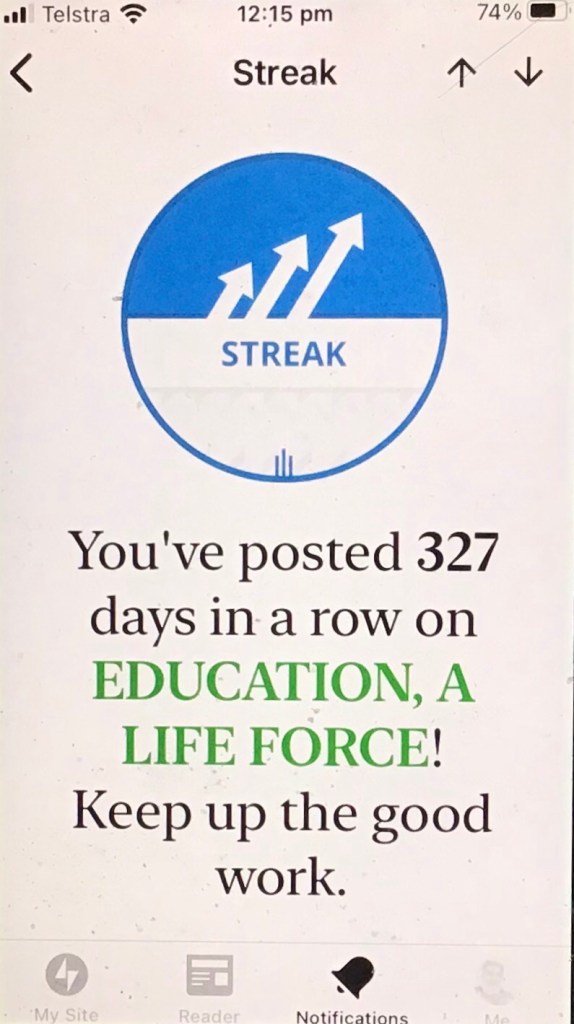
I once did 175 days in a row before lapsing. I do not go out a lot for fear of COVID-19 and because I do not feel safe in this era of ultra crime, so resort to communicating by blogging and LinkedIn access.
In one word there is one thing I should do much less than happens. “Worry“ is the thing that has assailed my life with constancy and it is the quality that I would like to be able to dismiss from my thinking.
It seems to me, that to worry less would be good but absolutely impossible. The state of the world, the uncertainty of the future, the volatility of relationships between nations, the lack of certainty about the direction of Australia’s future, my concerns about the development of our own Northern Territory, give me cause for constant worry.
Our prime minister of Australia Anthony Albanese was recently quoted as saying that Australia was “a harmonious multicultural country“.
Mr Albanese is so wide of the mark that it’s not funny. What’s happening is people being encouraged by government to migrate to Australia at the rate of a 500,000 increase in our population each year (The excess of arrivals over departures) and the country can no longer cope.
What exacerbates the situation is the disharmony and discord elsewhere in the world, for instance what’s happening in Gaza at the moment, is inflaming relationships between Palestinians and Israelies in Australia. Antisemitism is growing and there is disquiet within our population, and that happens every time there is some sort of situation occurring elsewhere in the world, with those who have migrated from these places taking up the causes of the countries they have left.
In other words, we have a lot of people who have moved physically from where they lived to Australia, but in essence they are still living back in those places they have left behind.
And then there is the situation of where the government seems dead set on creating a divided Australia with Indigenous Australians (the First People) being given rights and entitlements beyond the rest of the people living in Australia.
Finally, while Australia apparently has a population of just around 27 million (just under 7 million when I was born in 1946), that figure is far too low. It’s more likely that we have 32 to 33,000,000 people in Australia and honestly the government doesn’t know how many people are here.
It’s these things and the deepening disquiet within the country and it’s regions that cause me to worry, and really I cannot stop being concerned.
This is about teachers and parents talking with children. But the quality of speech and decency of verbalisation should be by everyone to everyone
One of the most essential things about offering security to children is how teachers speak “with” them. Often it’s a case of teachers talking “at” or “to” those they are teaching.
When dealing with each other in staff rooms, at collaborative sessions or during professional development sessions, teachers speak conversationally. They each feel comfortable with the other, and conversations reflect this attitude.
When dealing with children, however, teachers often lose the conversational element replacing it with what might be termed “command language”. The niceness of speech usually dissipates, and delivery takes on a harsh quality.
Metaphorically speaking, teachers, when dealing with each other, are somewhat like motorcars which purr along quietly from point ‘a’ to point ‘b’. However, when working with children, those same teachers trade the cars for four-wheel drive vehicles, lock them into 4×4 and then grate their way through conversations with children in a manner that can be far from pleasant. Language can be embracing or off-putting. To draw children close in terms of comfort, qualities of conversation and vocalisation are important. There is no way the teachers will draw children in and toward them if their language is ‘push off’ in terms of its invitation.
School days are hectic and “hurly-burly”. There is so much to do and so little time to do it! That being the case, it is easy for teachers and students to overlook the need for classrooms and personal space within (desks, tables, lockers and so on) to be kept in a reasonably clean and tidy state.
There can be nothing worse than opening a student desk to see a mass of learning material, waste material, socks, hats, toys, and other bits and pieces shoved in all higgledy-piggledy and to the extent that it’s hard to exert the pressure necessary to force the desk lid closed.
Another area quickly sullied is the classroom floor. Pencil shavings, bits of the writing tool, pieces of paper of all sizes, items of clothing, food scraps and wrappings are evidence of untidiness and sloppy behaviour. Floors can be left in this unsavoury state until cleaners come in at the end of the day and endeavour to straighten out the chaos. Cleaners and school support staff talk. They can give the class and teacher a bad name because of how things are left.
(That is not a good look! Neither does it do anything for the reputation of the class or teacher – for cleaners certainly talk amongst themselves and to each other about the state of things they find in classrooms.)
There need to be some basic rules about classroom cleanliness and tidiness. They can be hard to maintain because of the pressure on teachers and students. Nevertheless, it is necessary.
Some suggestions:
. Have children periodically (at least once a week) clean the lockers of residue.
. Undertake the same routine for desks but possibly a little more often. Make sure the children have loose papers fastened into books or folders, as the case might be.
. Have children or students pick up any rubbish from the floor at the end of each session or period. That becomes something done before recess and lunch breaks. If insisted upon, that process becomes “automatic”, a habit many children will undertake without being reminded.
. (Ensure that the above applies equally to older and younger students. Students will sometimes argue that it is not “cool” to pick up after oneself and to keep things tidy. That particular lackadaisical mindset needs to be overcome.)
. Check the children keep refrigerators closed and lunch boxes tidy.
. If children eat lunches in the classroom, ensure that their lunch containers are clean, that they eat their food as they should, and that any genuine rubbish goes into the bin.
. Cupboards and benchtops belong to the whole class. Include these areas in the cleanliness and tidiness drive. It might be appropriate to assign particular students or groups to charge common areas within the classroom. It becomes their responsibility to ensure that tidiness is maintained.
* Make sure that the teacher’s example models to children. Teachers’ tables and work areas need to be kept tidy and organised in the same way as being advocated for children. There is nothing more powerful than a personal example.
. Having students involved in group competitions to reward cleanliness and tidiness is a good idea. Rewards can be extrinsic or intrinsic. Reinforcing the need for positive civic attitudes is essential, and putting physical environmental cleanliness into a competiti
What positive events have taken place in your life over the past year?
POSITIVES OF 2023
In spite of everything going on in the world, in spite of sadness,, misery, conflict, social absence, environmental catastrophes, the sad insidiousness of war, and the overall uncertainties with which we are confronted locally, within Australia, and around the world, there has been for me at significant positive nucleus.
It’s the thankfulness and the gratitude I have for my wife, our three children, their partners, and our 10 grandchildren.
The world is like an egg. As the yolk is the centre of an egg, our family is at the heart of our individual and collective lives.
How glad I am that individually and collectively our family is a positive nucleus, centre of focus and motivation that helps to balance in all things.
We are there for each other, rejoice in the good things that happen for each other and are there to support and help when challenges confront anyone for another of us.
Written from the viewpoint of teaching and schools education, the tenet of this post has relevance for all occupations and professions.
One of the most vital attributes of the teaching and any profession is that of ‘fraternity’. Collegiality and sharing are elements of that togetherness. Unlike some occupations where people feel they have to sit on problems or challenges and muddle through, teaching invites those with questions to seek assistance. This does not mean teachers should not have a go but instead encourages them to seek support to help reach satisfactory outcomes.
This might include asking for clarification when a theory or teaching practice is not fully understood. It could be that teachers are struggling with classroom management, discipline policies need explaining, and many issues may press the teacher’s mind. They will remain unless help is sought or given.
Teachers are often credited with having a sixth sense. Part of this is having the intuition to understand matters others might find confusing and offering advice or support. Gumption needs to be a characteristic that allows teachers having difficulties, to ask for help if required.
It is not a sign of weakness or inability to ask for support in understanding matters that are not fully comprehended. If there is a need ‘sensed’ in others, ask if they would like assistance. Two-way caring and sharing should be informal, a part of the relationships between staff members.
Mentors are sometimes assigned to staff members new to a school. Building a two-way professional relationship with a mentor or coach is wise. Beginning teachers can contribute to these relationships, for they often have a better understanding of new methodologies than those who have been in schools for some years. Therefore meaningful two-way relationships can be established.
Keeping in touch with each other in a collegiate context is essential to the professional growth of teachers and school staff members. If problems are not shared, and help is not sought, worry, hopelessness and despair can set in and infect the soul. It is indeed sad if this happens … and it need not!
Caring and sharing are attributes to be cherished and practised.
Note: Although this paper is written with a schools and educational slant in mind, I believe these considerations are important for any occupation
Occasionally, teachers will be asked to prepare presentations for colleagues, school staff, parents committee meetings and other audience groups. As they are more comfortable when working with children and students in a classroom context, presentation requests can take teachers outside their usual comfort zone. Suddenly they are confronted with a new arena.
Often, people are asked to prepare a presentation to react with stage fright. Presenting in a formal or semiformal matter causes them a great deal of nervous reaction. Some become so nervous they refuse point-blank to participate.
In an informal or social context, people are comfortable conversing and exchanging experiences. Yet when asked to present to the same people and others more formally, those selfsame and confident communicators clam up!
There is no doubt that the first time is the hardest when it comes to presentations. Relaxation of the mind and not anticipating “the worst” is critically important.
I would strongly recommend to teachers and all professionals that they consider joining Toastmasters, Penguins, or some other speech and speaking club. Membership in such groups enables people to develop confidence in speech presentations. Graduated programs help recognise the essential ingredients of speech. Graduated development means progress in understanding the rudiments of a presentation, with presenters building on previously acquired skills. Membership in these groups also facilitates critical listening, with a view to members evaluating each other and, through that process, honing their self-evaluation skills.
Many people in high places have great difficulty when it comes to presenting. Some have managed to sidestep the challenge by resorting to PowerPoint presentations. Still, the essence of delivery can be stilted, uninspiring and predestinated to leave the listening audience feeling bored, flat and unconvinced.
Speaking up with confidence does not come naturally to a lot of people. However, it is a skill that can be acquired and, once gained, builds confidence in people called upon to make formal presentations or contribute to organisations and groups.
Details of such groups are often available by word of mouth, online, and telephone book entries. Although membership has a fee attached, this can be tax-deductible because it involves professional development.
I unequivocally recommend this course of action for your consideration.
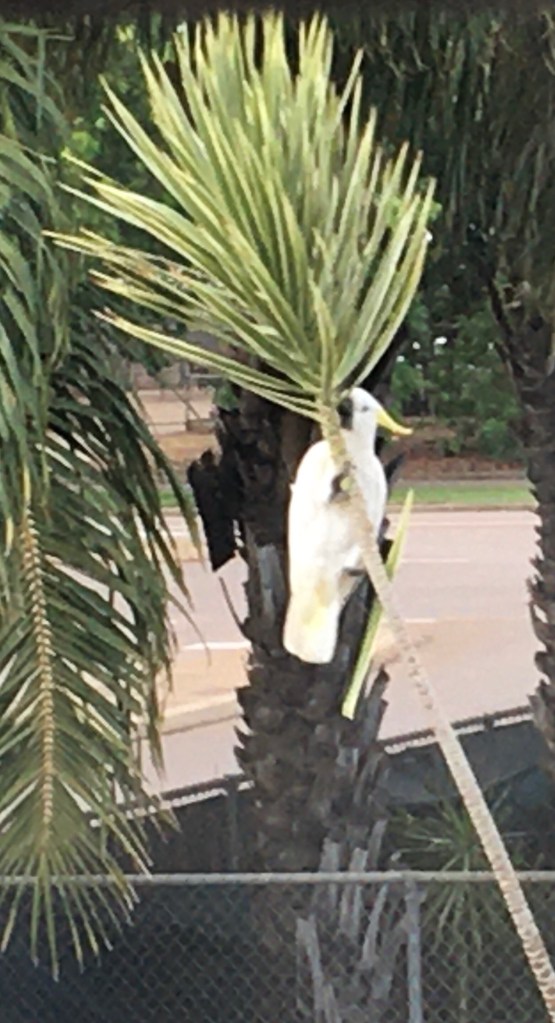
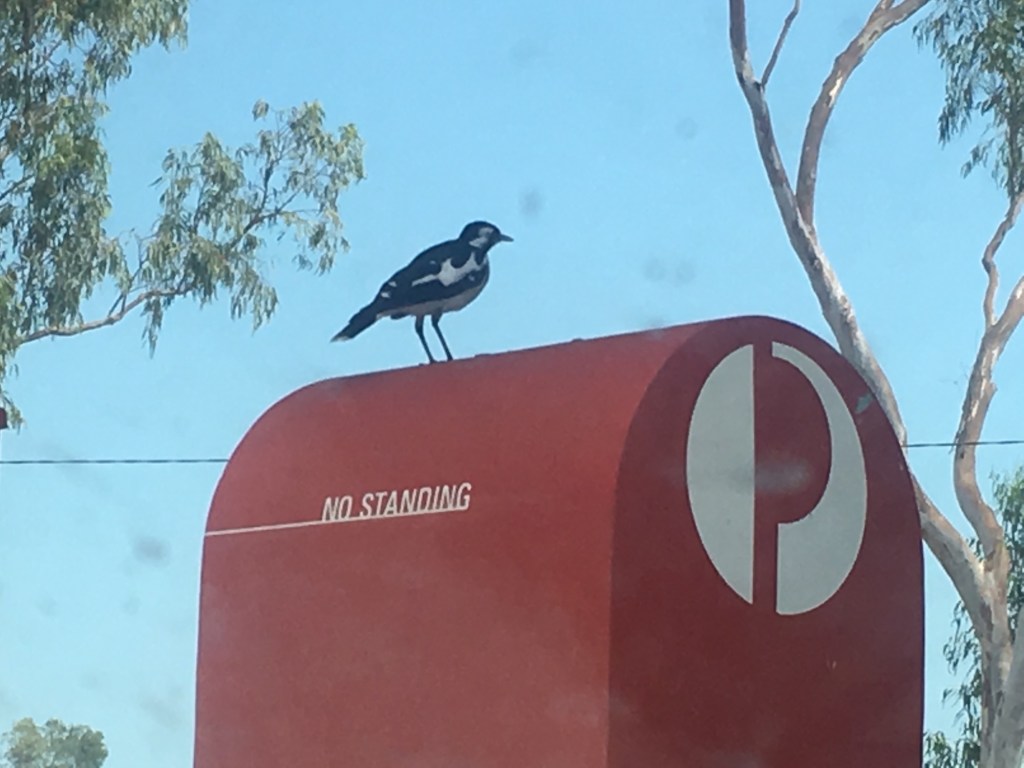
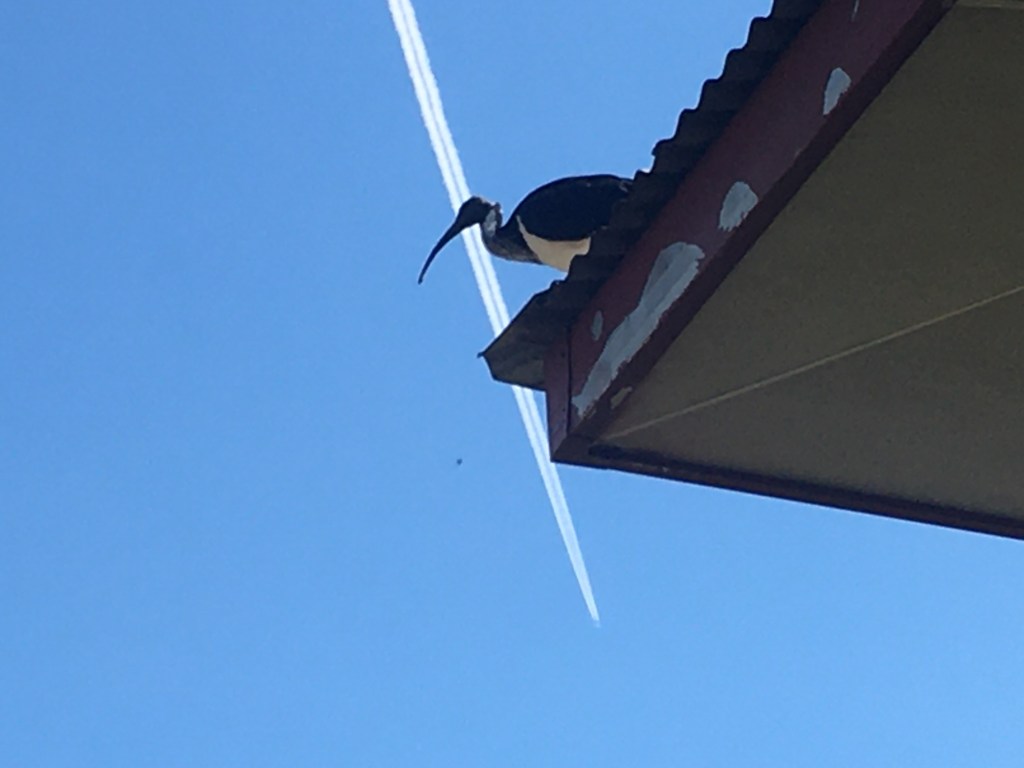
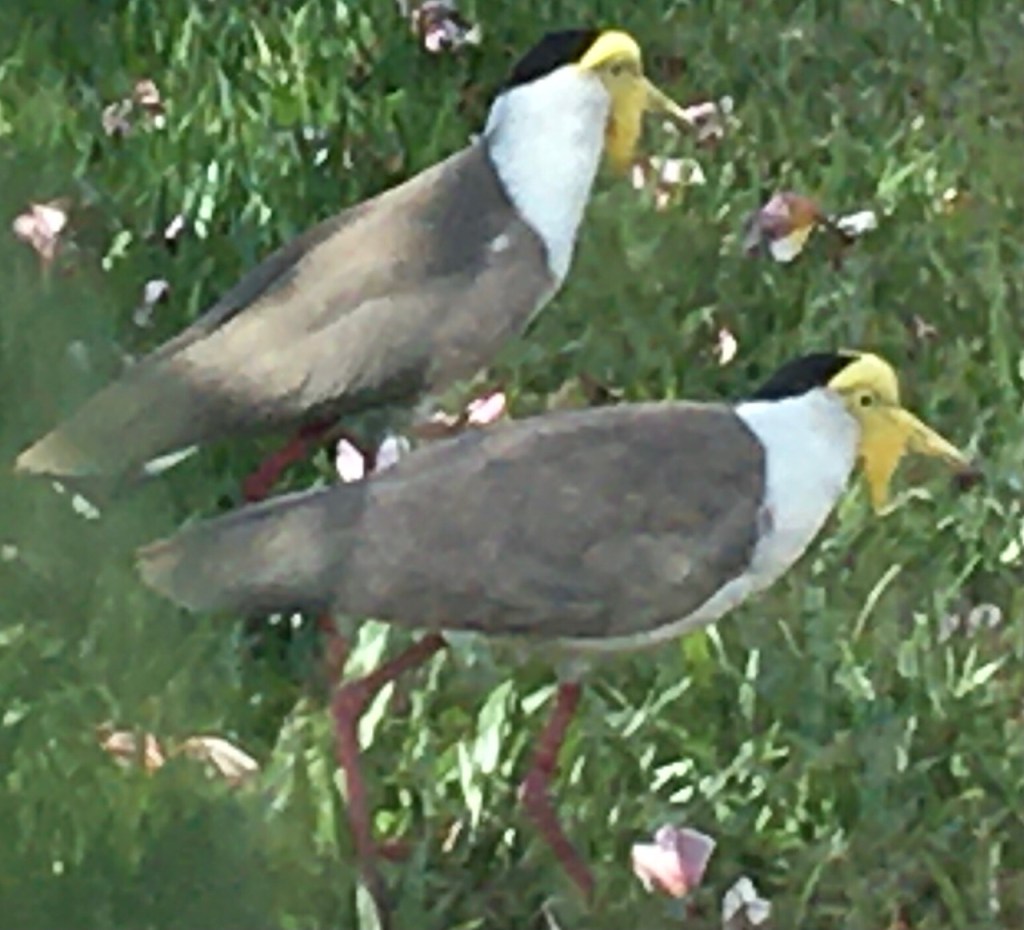
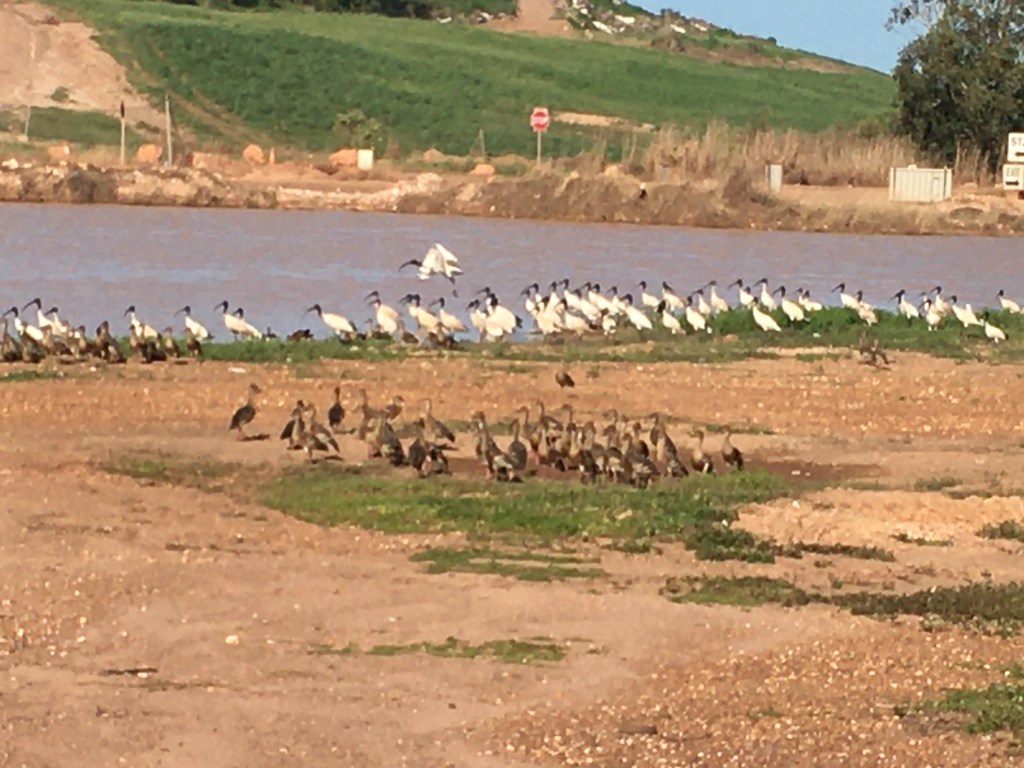
I am loosely interpreting “wild animals“ to include non-domesticated members of the animal kingdom. Living in Darwin in Australia, one doesn’t happen across lions, tigers, cheetas, leopards, giraffes, monkeys, hippopotamus, brumbies, kangaroos, and other species of animals.
That being said, I was a person who lives in the suburbs of Darwin in the Northern Territory, can tell you that we not lost from the topic. Our share of wild animals are plenty.
Note: While I relate this blog to teaching, its sentiment applies equally to any occupation.
In today’s world, emailing has become one of the most common forms of written communication. Most people have email accounts and use emails prolifically. Schools and teachers have email accounts, often displayed on the school’s website.
Communication by email is encouraged, including contact between parents and teachers. Notwithstanding the ease with which email communication can be used, it is essential to consider a cautionary approach to its use. This is because emails are written documents and can be held against writers for years and years to come.
* If parents seek information about homework assignments and work due,
excursion information or similar response is acceptable.
* If parents want information on school policy or are confused about particular
whole school policies or school matters, refer them to a member of the
the leadership team and forward the email sent, and you reply to your senior.
* Under no circumstances offer parent value judgements about a child’s
character by email. Written statements can come back in future times to haunt
the writer.
* Be aware that emails can be used as documentation supporting
actions in courts, including custody battles between parents. To that end, avoid
sending emails that ‘take sides’ or can be interpreted as supporting one parent’s
viewpoint or the other.
* Never promise by email that a child ‘will’ make specific progress by a particular
time or ‘will’ achieve particular outcomes. ‘Will’ is an absolute and confirms
that clear attainment will result. Use ‘can’ or ‘could’ or similar
non-committing words. The onus is then on the child and not the teacher to
take prime ownership of possible outcomes.
* It is wise to keep copies of emails sent to parents in a designated folder.
Trashing can be tempting, but if a communications issue is raised to the
teacher at some future time, not having a record can be very unhelpful.
The above dot points could be extended, and others added. Suffice it to say, the use of emails can be fraught with danger, a situation that all too many people find to their eternal sorrow. Stick to material issues, and don’t enter the realm of value judgements and character comments. Parents may send emails of this nature, asking you to comment on their perceptions. That invitation should be avoided because a response means they may quote you and tie you to what is their position.
Never write and send emails in the heat of the moment while over-tired or less inhibited than usual because of the use of alcohol. The reasons for this advice should be obvious.
If in doubt about email correspondence, check with a senior staff member. It is always better to be sure than sorry when dealing with email traffic.
How teachers talk with children is an important consideration. Talking ‘with’ children rather than talking ‘to’ or ‘at’ them is ever so important. It helps students understand you as ‘one with them’, not someone over and above them. It is easy to talk down to children, and when that happens, the respect they hold for you becomes somewhat dampened.
The tone of voice needs to confirm teachers as being conversational when working with children. I often think of teachers in staff rooms and talking to conversational peers, speaking on the same level as their peers. When those same teachers attend their classes, their voices take on a ‘tone of command’ that can become almost perpetual. In metaphoric terms, their voices, which have been ‘quiet and car-like on a smooth bitumen road’, take on the grind of a 4WD travelling over rugged terrain. That grinding, shrill, loud, commanding voice is not something I would recommend as being of help to teachers wanting to engage with children.
Voice can embrace children; it can also be off-putting, distancing you from them and making the student group challenging to reach.
The teacher’s voice is their most powerful tool. Use it carefully.
Do you have a favorite place you have visited? Where is it?
I have visited many places that have made an impression. But the place I remember with the greatest fondness is Acaroa.
“Akaroa is a town on the Banks Peninsula, southeast of Christchurch, New Zealand. Akaroa Beach is on the eastern shore of Akaroa Harbour, where rare Hector’s dolphins swim. The Akaroa Museum includes 3 heritage buildings and chronicles the town’s development, especially its 19th-century British and French colonial history. The Giant’s House has terraced gardens and features colourful sculptures and mosaics.” (Online source)
We visited Acaroa in 1978. To this day I remember this place with fondness.
Note: I have used an Australian context, but quizzes can be adapted to fit school environments anywhere.
Nothing beats good old-fashioned quizzes as engaging time fillers. Quizzes also have relevance to general knowledge and understanding. They can be related to subjects being studied, skills development and general knowledge – to name but a few options. One of the best topics is ‘the world around us’. Topics that come to mind within this genre include:
1. School Source
* Features in and around the school and its grounds.
* Identification of teachers teaching in particular units or rooms; call it ‘location, location’.
* Roles filled by people within the school. “Who is our principal? Who is our Janitor? Who is our canteen manageress?” and similar questions.
* For older students, chronological recall of who has been in the school and their capacities.
* Historical events embracing the school, including anniversaries. (It may be that a quiz of this nature is given ‘on notice’, allowing students a day or a few days to visit the school’s library/resource centre to scan material from which questions may be drawn.
* Quiz material is embedded within literature and can be part of studying science, SOCE, mathematics, music and other school subjects.
2. Community Context
* ‘ What’s where’ and similar questions relating to the local shopping centre or a nearby major shopping complex.
* Questions about road names, parks, sporting facilities, churches, natural or artificial landmarks, street names, bus routes, and so on that apply to the location or suburb.
3. Territory Context
Similarly, questions about the Territory or State regarding landmarks, topographical features, tourist destinations, notary public people, parliamentary make-up, mining, agricultural pursuits, industries, parliamentary details and so on can be source material for quizzes. There might be a link to local and extended excursions with students being made aware that quizzing will be part of the follow-up program.
4. Australian Context
Included could be questions about federal parliament, names of State and Territory capitals, features of major cities (i.e. Sydney’s ‘coat hanger’ and opera house), methods of travel to reach these places, attractions within cities, states and territories, weather and climate, celebrations (i.e. Australia Day, Anzac Day), sporting events (i.e. Sydney-Hobart Yacht Race, football codes, Territory players in Australian sporting teams), topographical features, naturally occurring phenomena (i.e. droughts, floods, bush-fires, weather disturbances), and so on. The list of source materials is endless.
Process
The important thing is to construct quizzes according to the age, background and comprehension of students. However, examinations that start within the confidence zone of known and understood issues can extend to enable children to explore, through quizzing, areas of new knowledge and understanding.
It seems that there is a surprising lack of general knowledge these days. Many adults, let alone children have no grasp of what might be termed ‘general knowledge. Quizzing is one way of helping to develop this base of understanding.
When conducting quizzes between groups, watch that the exercise does not become a ‘free-for-all’ with children having no consideration for others, calling out answers in loud, drowning tones. It has to be ‘hands up’ or a variation of that methodology. With arms, avoid the distraction that goes with frantically waving extensions. Still, rather than wildly gesturing, arms should be acknowledged. Set the protocol ground rules before commencing the exercise.
Quiz examples and conduct
I can provide a couple of examples of quiz construction in this vignette. (Contact me at henry.gray7@icloud.com for these). Quiz questions can be taken straight from one’s head. Groups within the class can play in competition with each other. The context may be a ‘girls versus boys’ approach or any other arrangement that comes to mind. If, as sometimes happens, a teacher has to take temporary responsibility for another class, it may be that the quiz is between the two classes or several children are selected as representatives from each class.
Sometimes, teachers are confused about how children and students should address them. Some believe that to encourage relationships, first names are acceptable. ‘Henry’ rather than ‘Mr Gray’ is acceptable.
Under no circumstances would I endorse this approach. Teachers are adults, students in primary and secondary schools in a learning relationship under their guidance. Respectful address demands that teachers are addressed as Mr, Mrs, Miss or Ms.
Surnames can be hard to pronounce. Teachers with complex or indecipherable surnames often ask students to use their Christian names instead. If this is done, I’d strongly suggest the Christian name be preceded by Mr, Mrs, Miss or Ms. Another method might be to have children use the first letter of hard-to-pronounce surnames. In that case, it would be Mr M, Ms S, etc.
Students in secondary schools tend to refer to teachers as “Sir”, “Miss”, or “Ms”. That may be a preference, but I recommend using the abovementioned names. That personalises and individualises recognition and address of staff members.
Appropriate address of teachers by students helps when it comes to the establishment of a respectful relationship. Similarly, those relationships are enhanced if teachers take the time and make an effort to learn and use student names when speaking to their learning clientele.
I think that this is a very positive and very timely topic. It is one that fits so frequently to people within organisations and within life generally.
The topic reminds me of the fact that so often we are want to help with bats, criticism and negatives at others and to think them about ourselves – And to the point of where positives overlooked.
In order to achieve balance in life there needs to be a consideration of things that people do well and things that they might do differently and better. All too often, it’s the former that takes prominence with appreciation being forgotten.
I submit the following as five self- positives.
I have always tried and always try to appreciate others.
I can carry out two or three things at a time by synchronising activity.
I listen to others, with my ears being more important than my mouth.
I support others through sharing experiences, editing work and by helping where possible to support others.
I keep a diary and have a yearly record of my activities – with a few gaps here and there – going back to the start of my teaching career in 1970.
Interviews between parents/carers and teachers about children are one of the most important ways of keeping in touch with progress being made. Teachers and parents must be on the same wavelength regarding student progress.
In many schools, interviews are organised toward the end of terms one and three. This allows teachers to let parents and carers know how students are progressing to a particular point in time during the school year. These conversations also help to prepare the way for written reports that follow, usually at the end of term two and term four.
While these interviews are usually brief (around 10 to 15 minutes), they ensure some regularity of contact about teaching and learning.
At times, more extended interviews dealing with more specific issues are necessary. I believe that discussions to deal with specific topics or being called for particular reasons need to be programmed. Arranging by phone or note for parents to come in at a mutually convenient time is the best way to go. Similarly, if parents ring requesting interviews, the same should apply. Discussions should happen in privacy and after school hours.
Some parents will approach teachers at the start of this school day to deal with an issue “there and then”. That isn’t fair to the teacher or the class. Interviews conducted audibly in front of children place teachers in a harmful and often embarrassing situation. These conversations can be quite ‘revealing’ and should not be shared by the world. When this happens, and teachers are confronted, I believe it appropriate to “call time” on the conversation there and then and arrange for a mutually convenient time when the discussion can be pursued. This needs to be, without exception, a standard practice, one reinforced to parents by reminders from the school.
If the teacher is unsure how an interview will progress or if they feel undue pressure, it is advisable to ask a senior to be present during the meeting. If the teacher feels comfortable about an interview and doesn’t need that support, being under the gaze of others as the discussion progresses can be helpful. The venue may be an interview room, a classroom that is visible to others, or a similar environment in which the conversation can take place.
A strong suggestion is the teachers take notes for their records of interviews that are undertaken. It is a good idea to spend time post the meeting to write these notes in detail. Messages can record positives and matters dealt with in a more challenging context.
When interviews happen “off-the-cuff” and in “the spirit of the moment”, teachers are unprepared. They may also be dealing with parents or carers who are somewhat agitated and even hostile. Setting a future interview time allows everybody to prepare and to come into the conversation in a rational and more settled manner.
When teachers catch students doing something good and want to offer praise, sharing that praise with parents and carers is a worthwhile relationship-building strategy. That might be done through a phone call or a simple brief message of congratulations to the parents coming to the school. Such a policy offers a sense of balance about why contact is made with parents and carers. Conversations do not have to be totally about poor attitudes or behaviour.
It is wise for students to be made aware of interviews taking place between parents and teachers. That can be done positively. It is hard on students when adults have conversations about them without their knowledge or understanding of why the interview is taking place. Students are very imaginative and may have all sorts of things on their minds about matters being discussed. Misunderstanding needs to be avoided. Children need to know that meetings of this nature are about helping them overcome issues and grow in character and accomplishment.
One of the sticking points about life and relationships, both personal and professional, is to insist that ‘your’ viewpoint is the ‘right viewpoint’. To offer an incorrect statement or recommend an action that proves wrong is, at best, reluctantly followed by an apology.
Within school contexts, this can have atmosphere-destroying and suspicion-arousing outcomes.
For teachers, it can be all too easy to make mistakes. It may be the incorrect spelling of a word, the misunderstanding of roles played by children in some dispute, or getting it wrong regarding a particular fact being correct or incorrect. In these instances and others, apologising to students for a mistake or misunderstanding is essential. It models a correct social attitude to children and earns their respect. The following examples illustrate my point.
1. Incorrect Instructions
On occasions, incorrect instructions might be given to students who are asked to complete an assignment or other piece of work. When the mistake is realised, or when students or parents point it out, an apology and correction earns respect. To discount the error is quite the reverse. If students complete work tasks based on instructional error, accepting the assignment rather than requiring resubmission is the better course of action.
2. Forgetting an event
The lives of teachers, classes and schools are both crowded and busy. In that context, upcoming events which require preparation, parental permission, the wearing of unique clothing (i.e. swimming, costumes for an item being presented) or the need for extra food because the class is going on an excursion can be forgotten. Sometimes it is too late to correct the matter, so children miss out on the event or the outing. Apologise for your mistake; don’t try to brush it over.
3. Failing to keep appointments
Appointments are made to be kept. Perchance you cannot keep an appointment, for instance, with a parent or student, make contact and apologise. Set up an alternative date and time.
4. Misjudgement
If misjudging a matter, apologise for the mistake. It can be easy to underestimate a situation involving student discipline, work completion and so on. If this happens and the error is yours. Say so and apologise.
Teachers are models. This includes behaviour and attitude. If something you do is wrong, say so, apologise and move on. That will be good modelling and leading by example. Apologising as necessary is part of role modelling.
As an educator, I always had to be careful to set a good standard for dress. Clothes needed to be functional, but they also needed to be presentable.
Throughout my career, regardless of what school situation I was working in, I tried very hard to do the right thing by myself in the example I sent through the clothing I wore. As a school principal, I wanted my staff to be an example in how they presented and, of course, in how they taught. That meant that I had to lead the way by not asking one thing and doing another. That cruels respect and sets a deplorable example.
However, now that I’m retired, I have a penchant for old clothes and like to wear them out. I feel comfortable in old clothes
Recently, a couple of clothing items became so worn that I had to bid farewell. The shirt I farewelled was starting to become very “Holly” indeed. I was in danger of getting sunburnt from the lack of coverage this shirt offered.
I also had an ancient and treasured pair of shorts. Sadly, the expiration date came around the same time the shirt became an object that could not be worn any longer.
I love these old clothes and treasure their memories. In time, replacement garments will take their turn at Wearing out and becoming items beyond economical repair by patching, darning and any other short-term stopgap measure I am doing to extend their longevity.
The years and years old shirt And the wonderful shorts
Technology has introduced cyberspace to young people in a way that helps and hinders it. It offers advantages and benefits that support and assist in their studies. However, some downsides can deleteriously affect their minds and lives.
One of the significant digital age drawbacks is the savage impact social media has on lives through cyberbullying. Another downside is the temptation to complete assignments through cutting, pasting and plagiarising from online sources.
One of the more sinister impacts of the online age is its ability to disrupt and change the behaviour of users. Young people can be influenced to alter their thinking about things important to their future life. Some of these changes are a little short of bizarre.
“Australian children as young as seven … are launching aggressive attacks on their parents, lying to get out of school and avoiding family holidays to play Fortnite marathons, as the video game recruits a new generation of underage players.” (Jennifer Dudley-Nicholson, Kids in video game crisis, Sunday Territorian, 26 May 2019)
The author adds, “Education and neuroscience experts warn excessive and premature use of (video games) is leading to a ballooning crisis for Australian families, … now checking their children into dedicated rehabilitation centres to wean them off screens and reintegrate them into social, family and school life.” (Op.cit)
This is an issue that has been looming for some time. Experts have cautioned against children of tender years being allowed uncontrolled access to gaming applications. However, it seems their advice has largely been ignored.
Others claim to be experts who maintain that ‘games are just games’ and do not alter young people’s perceptions about the realities of life.
If many children and adolescents are so preoccupied with gaming that nothing else matters, then addiction is a real issue. Fortnite, one of the top online games, is not recommended for players under 13.
It is influencing far younger children. The article quotes neuroscience communicator Jill Sweatmen who is concerned that this particular game is attracting children who, at 7 or 8 years of age, are too young and mentally unprepared to handle its content. “There are short-term consequences and significant long-term consequences to this.” (Op cit)
Parents need to be on guard and aware of the sites their children visit and the online games that can be so absorbing. Schools play their part, but awareness, education, and shaping young attitudes must start at home. This issue cannot be ignored.
In recent years a lot of commentary has been directed toward shortfalls in student accomplishment. Australian students are regularly compared with their Asian peers. More money and material resources are directed toward our education than in Asia. Yet, our results are inferior to those earned by Asian students. The gap between Australian and overseas results continues to widen.
There are two issues that need to be considered when undertaking comparative study of this nature.
History needs to repeat
Until the late 1970s teachers were trained in how to teach maths, spelling, english, science, social education and so on. Teaching methods for every subject had to be passed before teachers graduated. This was by far and away the most important aspect of training. That is no longer the case. While content is covered, the way teachers go about teaching that subject matter, is generally left to what they glean from practice teaching periods.
While teachers on practice get an idea of how subjects are taught in their training schools, subject awareness and method is given less treatment than used to be the case.
Student Attitude
Asian students have a real thirst for learning. They are eager to attend school, always remaining focused and concentrated. They diligently complete all aspects of lesson requirements and pay close attention to their teachers. They realise that learning can be challenging, but succeed because of inner motivation. Parents and family members are fully supportive of their efforts.
There is a great deal of focus on rote learning and doing what teachers say. Students are inclined towards learning and achieve outcomes that are more significant than those of their Australian peers.
Within our educational systems, teachers are urged to ‘motivate’ children so they ‘want’ to learn. The desire to achieve has to come from within, as it does for our Asian counterparts. It cannot be instilled from without. That is an important part of attitude that often seems to be lacking in the Australian context. Overseas students are eager to attend school. Lateness and absence blemish many of our own school attendance records.
A parallel issue is that of classroom behaviour. Although not talked about openly, the behaviour of many students at both primary and secondary levels leaves a lot to be desired. Teachers spend as much, if not more time, on providing for classroom management and discipline as they do in teaching. This destroys instructional time and is not fair on those who are keen to learn.
These are issues that need to be corrected if our students are ever to attain the levels achieved by their Asian counterparts
What technology would you be better off without, why?
I grew up in an era when it was important to be able to write by hand, spell, carry out calculations in the head, and to do without all sorts of technological advances – because they had not yet been invented. There are occasions when I wish they had stayed uninvented.
I have the technologies of communication many and varied, and certainly carry as well and truly beyond the days of pencil, paper, envelopes, postage stamps, snail mail and very expensive timed telephone calls (known as trunk calls) where you paid by the minute to talk to somebody at distance.
In communications terms we have come along way in a relatively short time.
The technological advances that have helped with communication and those that I can do without, are in the field of social connection.
I appreciate that technology has enabled me to develop a blog, to access LinkedIn, to read and sometimes contribute to News online, and so on.
I detest and abhor technologies which have facilitated the development of social media that in far too many cases is misapplied to denigrate, hurt, scarify souls, and reduce people all too often to a state of blithering behaviour because of total and utter put downs.
I will never have Facebook, Instagram, TikTok, X, or any other social media accounts because so many people use them negatively. I think people who are on social media might have a propensity at times to published material that had they thought more carefully might not have been published.
As a retired educator I’m aware of far too many instances where young people particularly and others have been negatively affected by the sorts of comments imposed upon them by others. In my opinion for every one good thing about social media, there are at least twenty negatives.
I will not be hurt, nor would I think of hurting others through the use of social media accounts because this is an arm of technology that will always be foreign to me.
In our increasingly cashless society there is a distinct danger that children will grow up without understanding the value and worth on money. It was recently reported that 81% of business transactions are now completed online or by card. Only 19% of transactions involve hard currency. With coins and notes disappearing from purses and wallets, the value of money is becoming abstract and without real meaning.
Writing in the Sunday Territorian some years ago Sophie Elseworth warned that children are losing ‘the sense of cash’. Our card focussed culture is eroding their understanding of money and finances.
Elseworth’s column cites a recent Financial Planning Association report. “The report … quizzed 1000 Australian parents with children aged between 4 and 18. … A majority of parents (66%) concede electronic transactions are a massive barrier for children grasping the true value of money. It … showed 68% of parents were reluctant to speak to their kids about cash.”
Parents have an important part to play in helping their children overcome ignorance about money. The article suggests that giving children pocket money “… makes it a lot easier for parents to discuss and teach their kids about money. … The truly important thing is to teach kids about the ‘value’ of money.”
Giving children pocket money and encouraging them to save some of it, initially in money boxes and then by banking into a savings account can help. With that should come conversations about the reason for saving. There is a paradox to parental responsibility in this matter. Elseworth wrote the FPA report “ … showed 38% of parents admitted to borrowing money from their child’s piggy bank or bank account to pay for urgent expenses.” That does not set a good example on money management.
Although children should have been introduced to money at home, schools have a part to play in extending their awareness about the value of money.
Educators often state that children learn best when their initial experiences involve the use of concrete objects.Their understanding is reinforced if they can use and handle the materials being discussed. The Australian Curriculum requires that “ … students learn about the nature … and value of money.” (ACARA Mathematics overview). Children start with simple experiences which include them handling money and understanding it in a very basic way. More complex matters are presented as students move up the grades through their schooling years.
Elseworth advises of caution offered to parents (and teachers) by Tribeca Financials Chief Executive Officer Ryan Watson. He urged that young people be taught that “credit cards are the devil”. This may be a little extreme but cards need to be managed carefully and sensibly.
A lot has been said and written about the need for teachers to be professionals who meet an expanding raft of the developmental needs of students. Educational expectations held for teachers seem to be constantly expanding.
Teaching is more minutely inspected by the community than any other profession. It seems greater responsibility for the bringing up and development of children is placed on teachers and schools rather than on parents and homes. It has become the done thing for some parents and primary caregivers when things go wrong for children, to vent their displeasure on teachers.
The bullying of teachers by a cohort of parents is an issue of growing concern. The Sunday Territorian (Teachers’ bullying crisis, January 27 2019) confirmed that the Australian Education Union (NT) is worried about this trend and its impact on teaching staff. Union secretary Adam Lampe said he was aware of incidents “ … where parents scream and harass teachers constantly in person and online … that can really take a toll … teachers leave their jobs, transfer and even fall into depression – it pushes people to a breaking point.”
Stories from media outlets within the Territory and around Australia are increasingly reporting on matters of teacher abuse. The way in which the personality and character of teachers can be misrepresented and maligned is extremely alarming.
Expectations held of teachers from selection and training through to their delivery of educational outcomes in the classroom, are subject to increasing scrutiny. However, respect for them in personal and professional terms seems to be diminishing.
The Department of Education is on the record as upholding the fact that “ … wellbeing and safety of all … staff is paramount. … The department takes all incidents seriously and does not condone bullying, harassment and violence of any form in schools.” (Op cit)
I believe that teachers are at times reluctant to report matters of bullying behaviour to school leaders because they may be considered as not able to manage unpleasant situations. Contract, limited tenure and relief staff particularly, may feel that raising the issue will adversely affect their future employment opportunities.
It may well be that some school principals, who are on end-dated contracts, feel the same way about reporting these matters to the department. The Teachers Union maintains that a significant number of teacher bullying incidents go unreported.
Most parents are people who develop respectful relationships with their children’s teachers. However, the actions of the minority referred to in recent and worldwide reports, negatively misrepresent that majority. Bullying and abusive behaviour should be consigned to history. Sadly, it is getting worse.
Flying, Connair in the Northern Territory in the 1970s offered some quite unique experiences. One of the things that had to be carefully considered and strictly managed was the weight of the load on each plane.
That was in so much of an issue on the day that the DC 3’s were flying. It was more pertinent when the herons were on the roof. They had a much smaller payload capacity, but still a lot of passengers and baggage to flying. On many of occasions when the herons were flying, not only would baggage to be loaded onto the plane at each stop along the route weighed but so two were passengers and their hand luggage. The total payload could not exceed the maximum amount designated for each flight.
Being weighed was hardly private. Scales were placed at the point of check-in and passengers were asked to stand on their scales with and without their carry-on baggage, their weights were recorded and added to the total to be carried out on the particular flight.
In those days, especially for the ports along the way pilots and flight attendants had to double as counter staff and receivers of luggage and passengers. They were the ones responsible for updating manifests and ensuring all of necessary paperwork was completed. There were generally one or two people who could assist, but they weren’t direct Conair employees. Rather, they were the delivering of passengers and cargo people and that is designated to meet the planes as they came in and then took off.
Connair was an airline that really was for a particular time in the history of the Northern Territory. It could be said that the quality of the service was somewhat unique and even quaint. But they did provide in a way that insured a connection with Darwin and all settlements in Arnhemland and the Katherine Rivers region. Connair provided an iconic service, one with a deference but ever so essential and appreciated.
What’s the hardest decision you’ve ever had to make? Why?
During my lifetime as a single person and later with my wife and then my wife and our children, I have had to make some tough decisions about different factors posed as confrontations and challenges.
Some of these have been professional, others to do with social and economic priorities, while a third cash related to expectations of a personal and individual nature.
All of those decisions came down to choice – choosing one outcome or the other, selecting one direction or another and so on.
I think the hardest decision I have ever had to make goes back to my upbringing and adherence to faith. My parents brought me up as a Seventh–Day Adventist.
As a child, teenager and young adult, I adhered to the faith externally and, for the most part, within my inner self.
As I was coming into my early 20s, I began, for various reasons, to question my faith.
One rather catalytic event triggered the first doubts in my mind that went below the surface and began searching my inner soul.
I have been brought up as an Advantest to believe that’s a great deal of work needed to be done to further the work of the church within Australia and in outreach terms. Members of aboriginal congregations were encouraged to give, give in to give it when it came to monetary contribution to the church. There was a lot of work to be done and a shortening period in which to do it, and therefore, every pound – later dollars, after currency decimalisation in 1966 – helped.
Our church congregation had chosen me to be one of the representatives for our area at the annual conference of the church. During proceedings, financial reports were offered on what was the wealth status of the Conference.
Part of that was shared by the church’s state treasurer, who showed the church to have significant and substantial investments in a property portfolio that was growing and adding to the material wealth of the church. Having been brought up with the idea of giving to facilitate church expenditure on reaching people, I was somewhat taken aback by the fact that so much of what was given was going Into property portfolio and other material investments rather than being directed, as I saw it toward reaching people who needed support and from the churches for you point a realisation of salvation’s opportunities.
I was told that what the church was doing was right and I was out of order in questioning monetary priorities.
In our modern, technological age, every child seems to have a mobile telephone, smartphone or similar device. Understandably, parents give their children phones so that they might be contacted in emergency situations. However, there is a time and place for their use. That time and place are not within schools and certainly not in classrooms.
If children bring mobile telephones to school, they need to be kept in their bags or lockers. If there is a worry about security, it may be appropriate for teachers to take and lock these devices in a secure place.
It is too easy these days for children and students to misuse mobile phones. Sadly, there seems to be a trend toward taking inappropriate photographs of students who are being bullied, interfered with, or in compromised situations. These photographs are then circulated for all to see.
When this happens within a school context, it casts the school, its leaders and its staff in a poor light. When students have been embarrassed or injured and that is recorded on a phone camera, all sorts of recriminations can come back on the school. A great deal of time is taken to resolve issues and overcome the hurt occasioned by the wrongful use of those devices.
Far better that the school have a rule that smartphones and other recording devices do not belong within its boundaries.
We must be aware of the trouble smartphones can cause if used for the wrong purposes and at bad times. They need to be carefully secured and not used during the school day.
We cannot overestimate the importance of teachers’ modelling for students. This goes for primary and secondary students.
In some contexts, teaching is regarded as a profession in which one group (teachers) tells the other group (students) what to do and how it should be done. This, of course, is a rather simplistic definition of the teaching and learning processes. It is hardly an example of the interaction and togetherness that ideally embraces teachers and pupils in teaching/learning contexts.
One of the fundamental aspects of leadership teachers offer is the modelling they do through their example and conduct. Students being young, look to and emulate teachers. An example is that children often tell their parents a particular viewpoint is correct because it is what the teacher thinks; therefore, it must be right.
Without being prescriptive in any way, I believe that modelling extends to include the following:
* Dress standards
* Speech patterns and modelling – setting a bright example of free speech and vocalisation.
* Punctuality
* Showing respect.
* Handwriting, including in students’ books and on whiteboards.
* Correct spelling and accuracy in word usage.
This list could go on. Teachers deal with the development of students as people. It’s what we do and how we live that is so important to those we teach and shape toward being the adults of tomorrow. They are watching us.