Better late than never
Reply


Are the following defined medical conditions
Response:
The terms you’ve listed generally do not correspond to recognized medical conditions in clinical terminology. However, I can provide some insights:
If you need information on specific conditions or explanations about symptoms, feel free to ask!
Clarification is important.
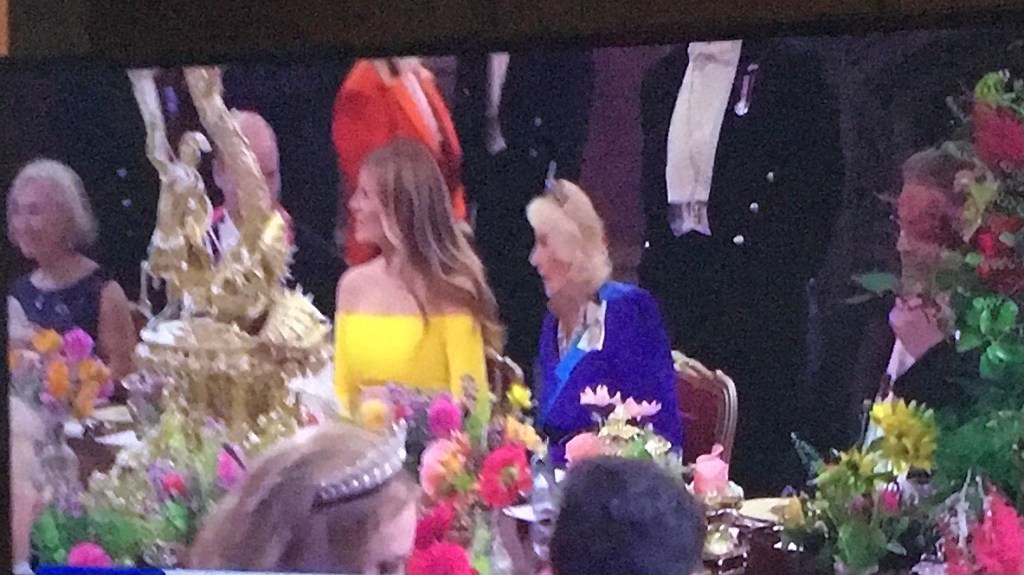

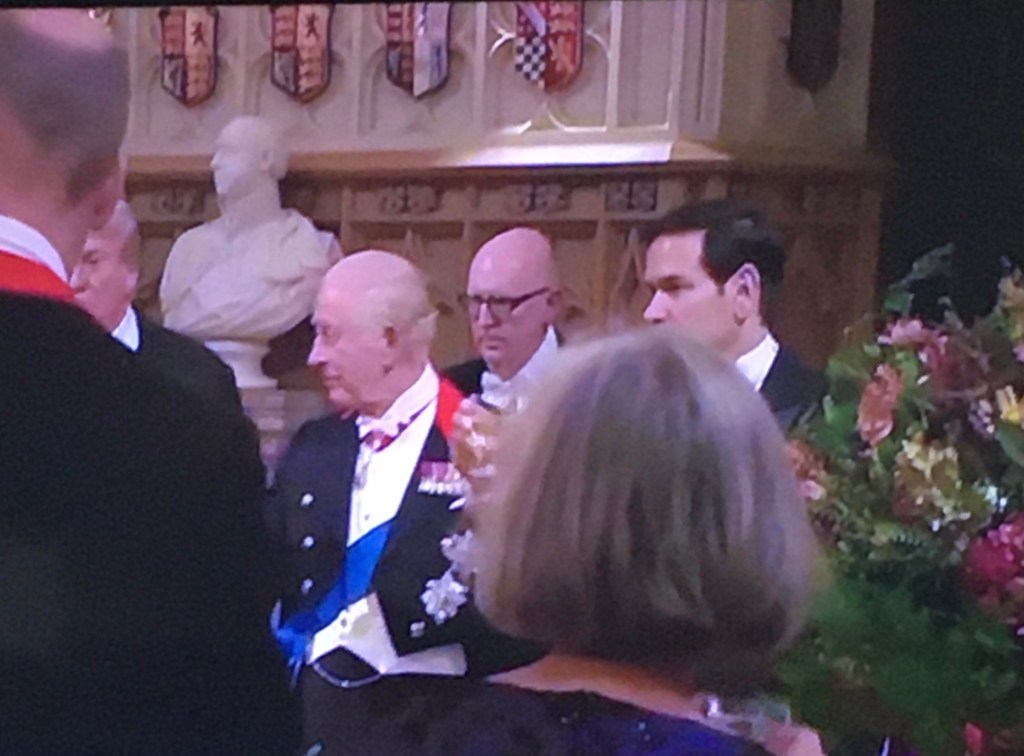
Source: ABC TV News
Source: Outback Truckers
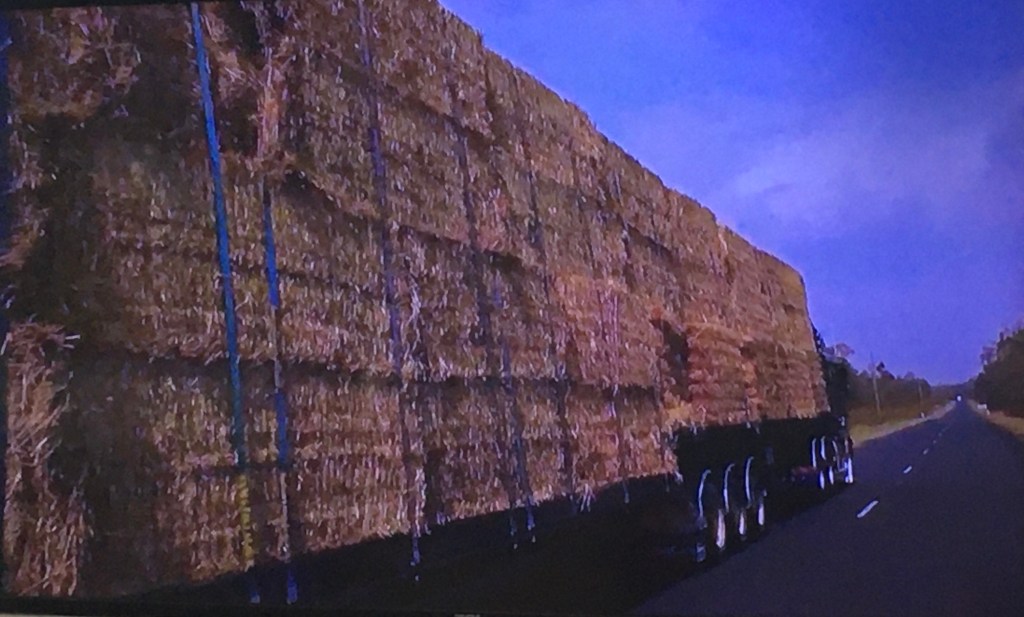
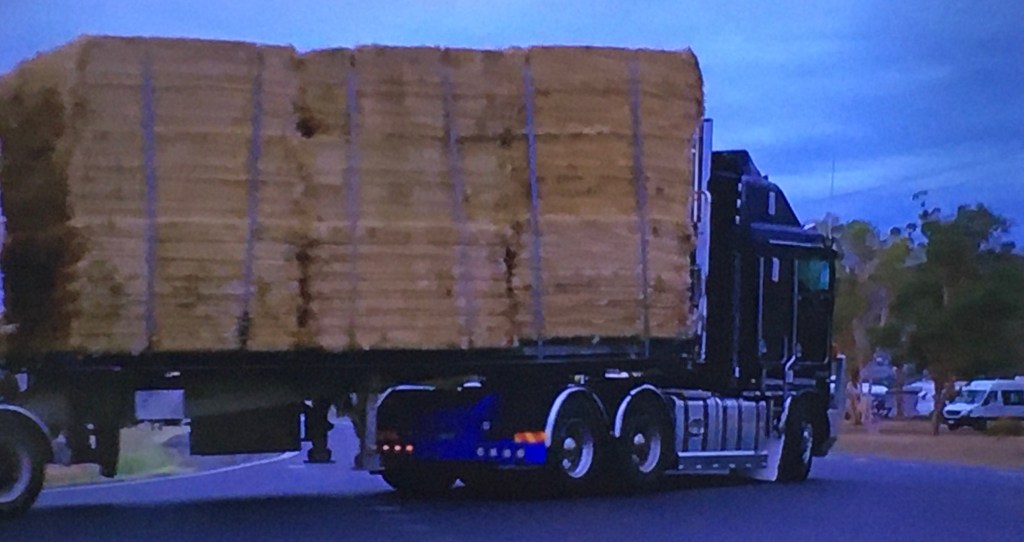
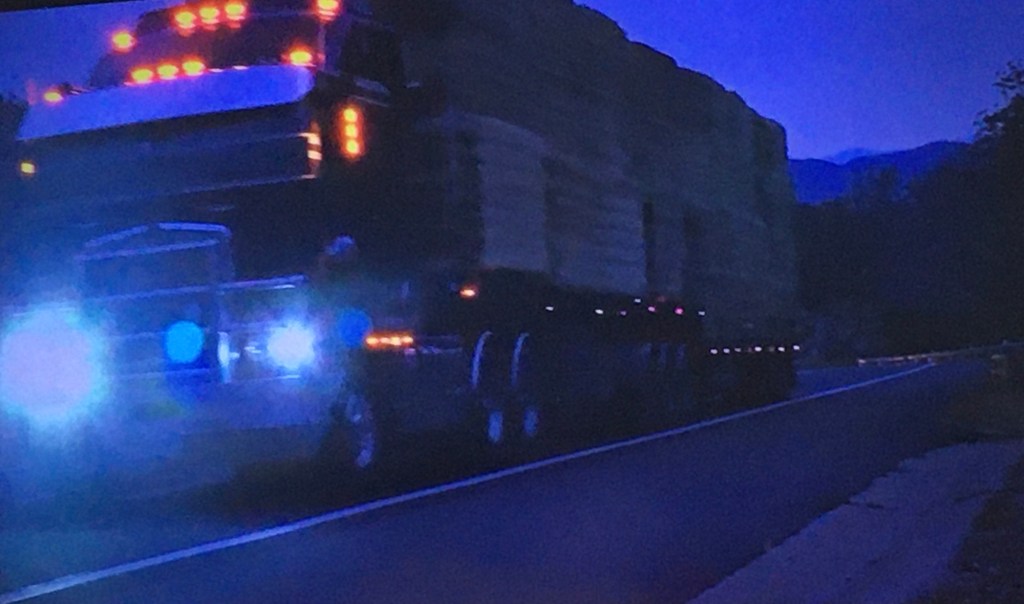


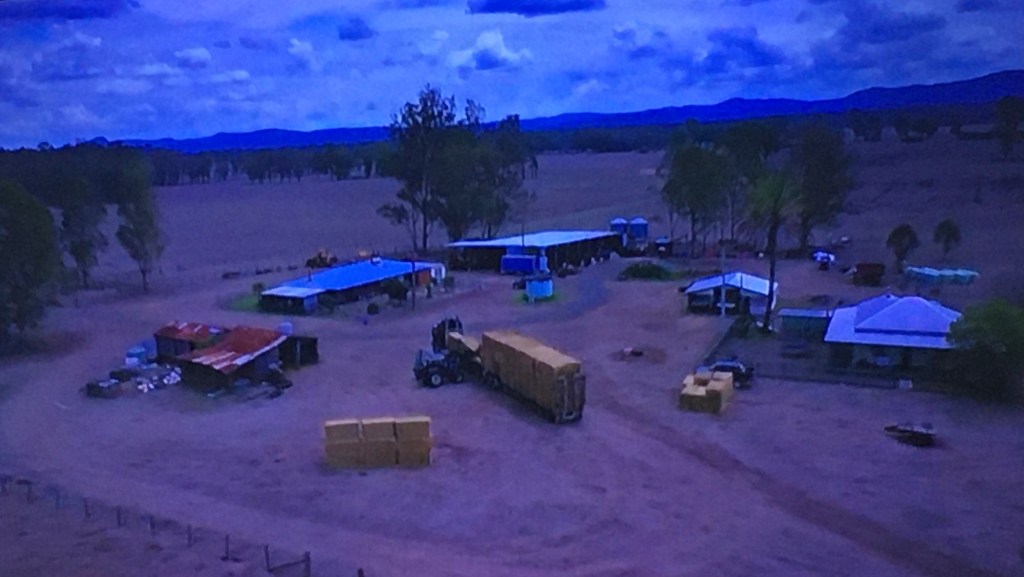
Source: “Outback Truckers


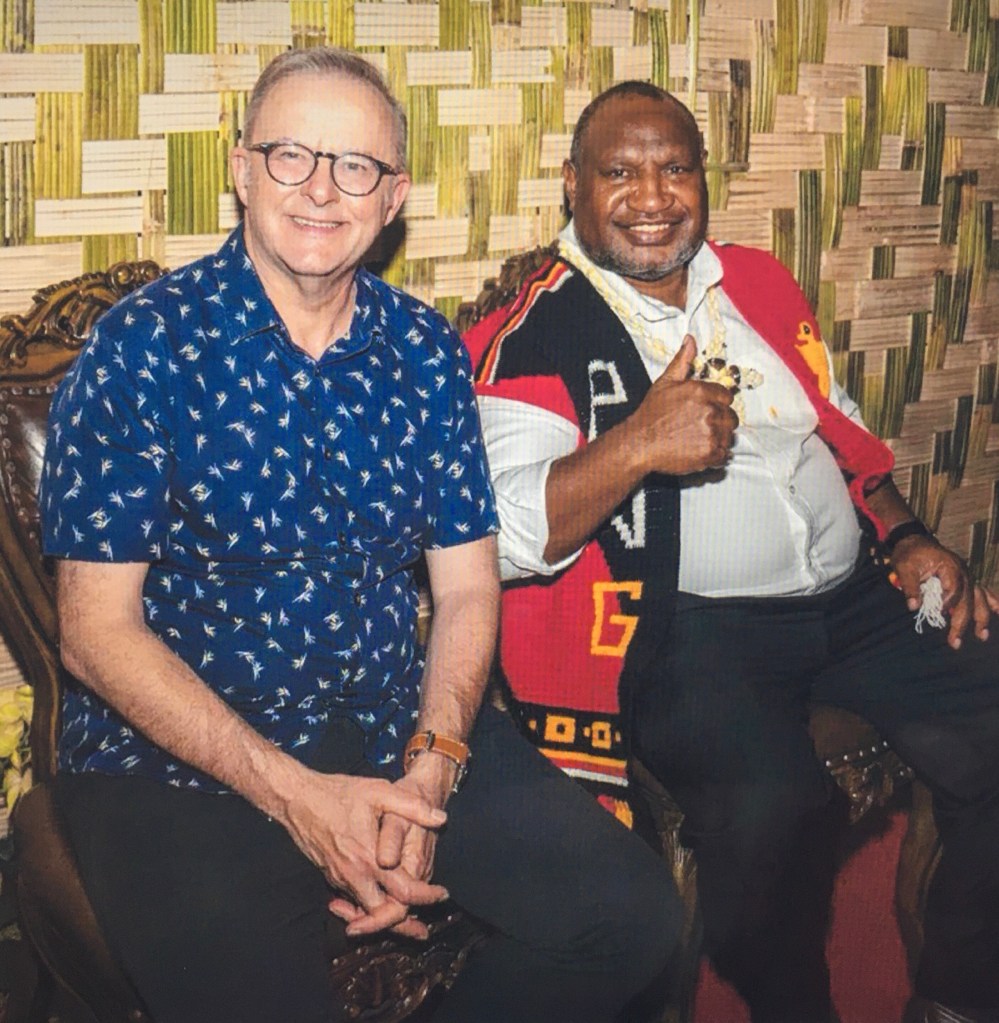
Poor Old Henry.
Donald Trump’s.
Donald Trump.
Are the following defined medical conditions
Response:
The terms you’ve listed generally do not correspond to recognized medical conditions in clinical terminology. However, I can provide some insights:
If you need information on specific conditions or explanations about symptoms, feel free to ask!
Thank you AI
It will never happen.
Not for Australia.
We sell gas and coal like there is no tomorrow,
But deny domestic use.
Victoria buys in gas,
But won’t touch its own underground ocean of the precious commodity.
What a sad state of affairs,
We are nobbling our future and lowing our politicians sell us down the gurgler.
What are the benefits and shortfalls of singing?
Response:
Singing has a variety of benefits and some potential shortfalls. Here’s a breakdown:
In summary, while singing offers numerous emotional, physical, and social benefits, it does come with some challenges that may affect individuals differently.
Thank you AI.
Donald Trump.
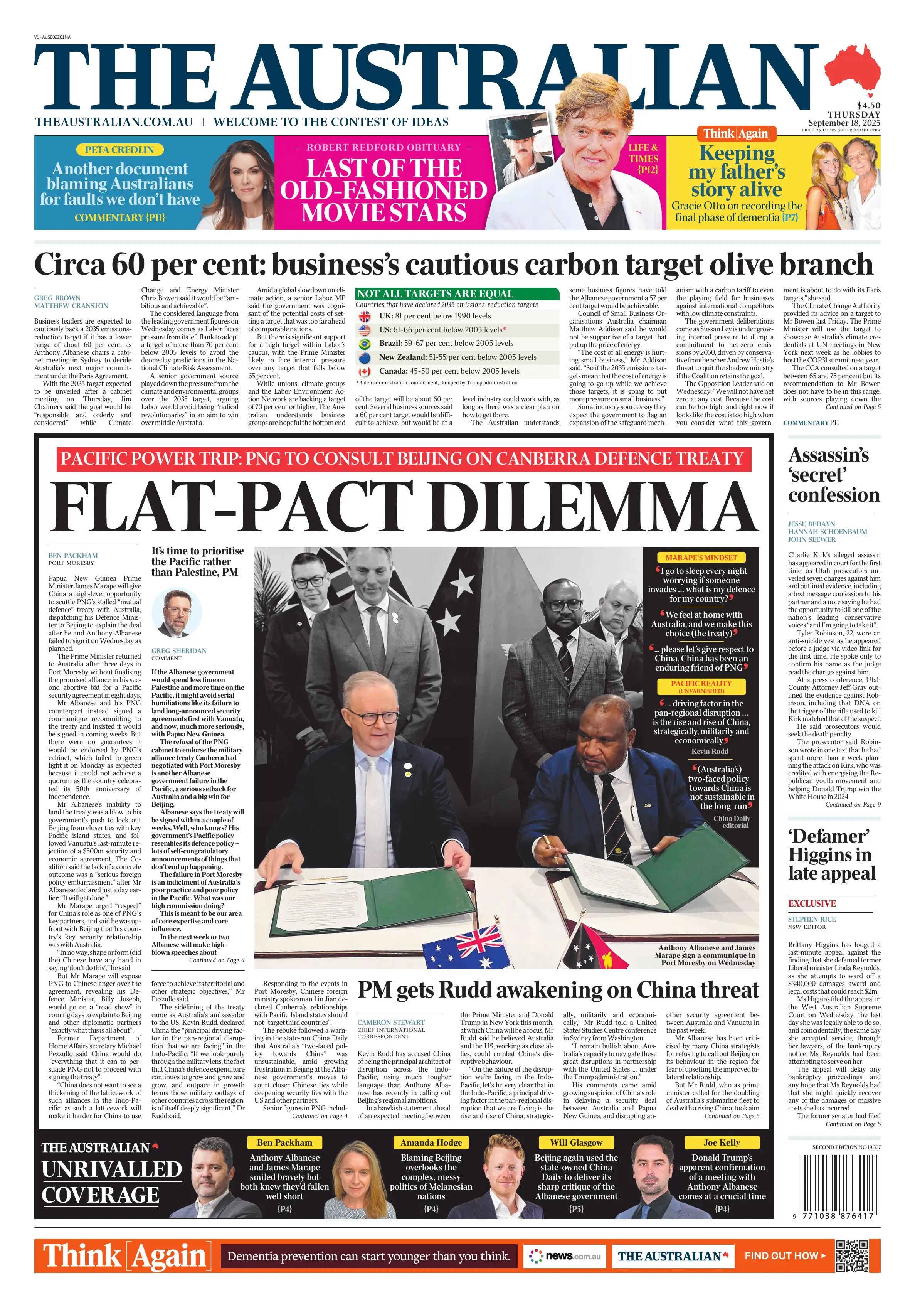
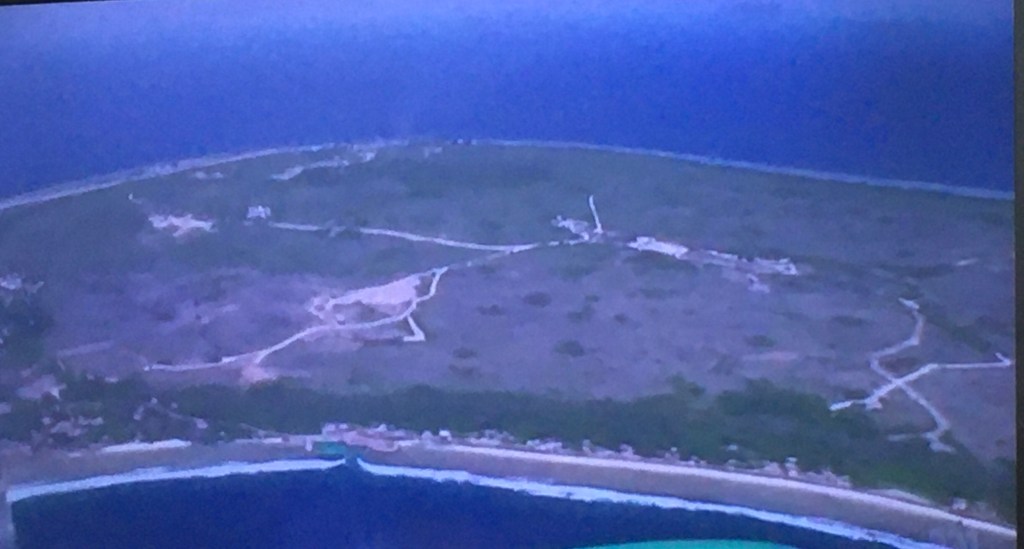
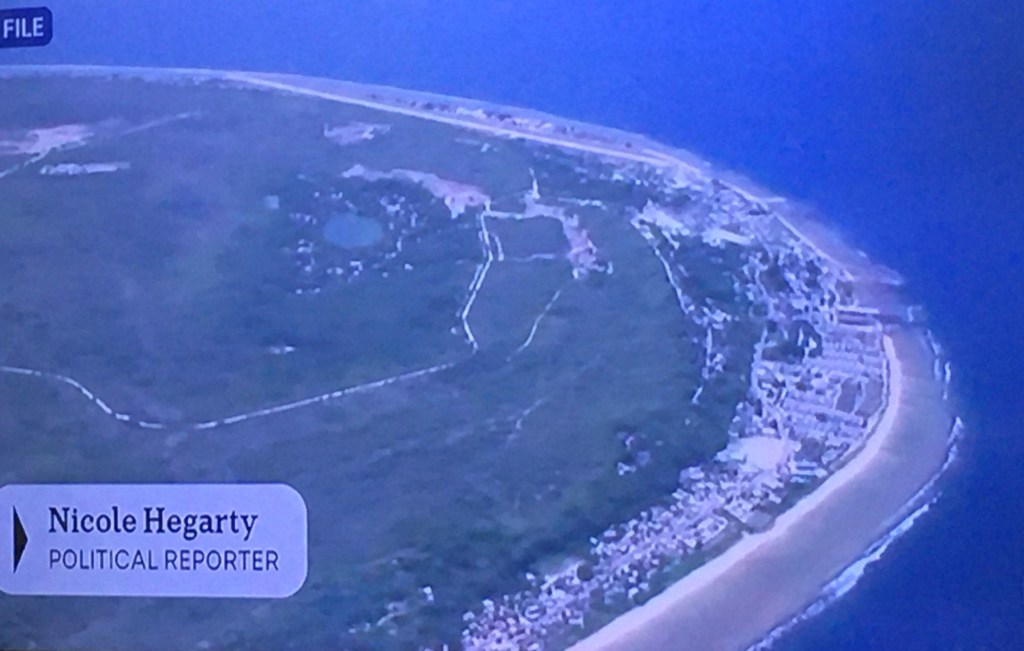
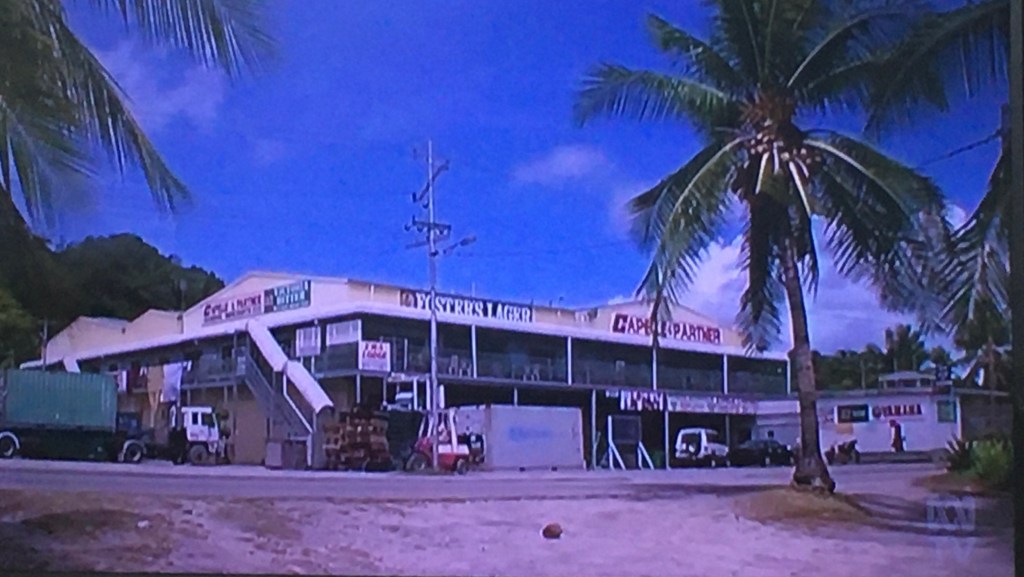
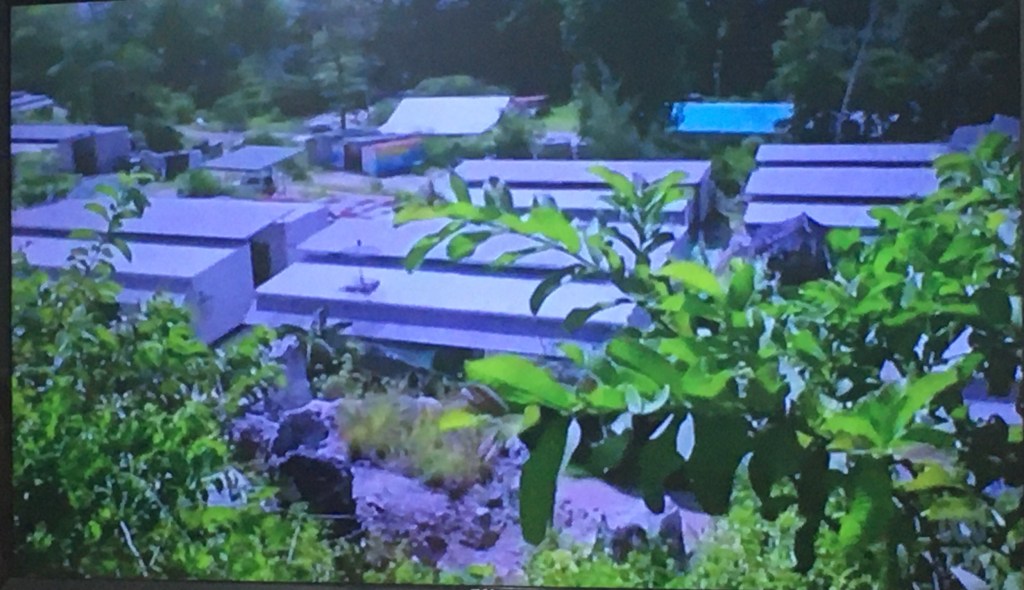
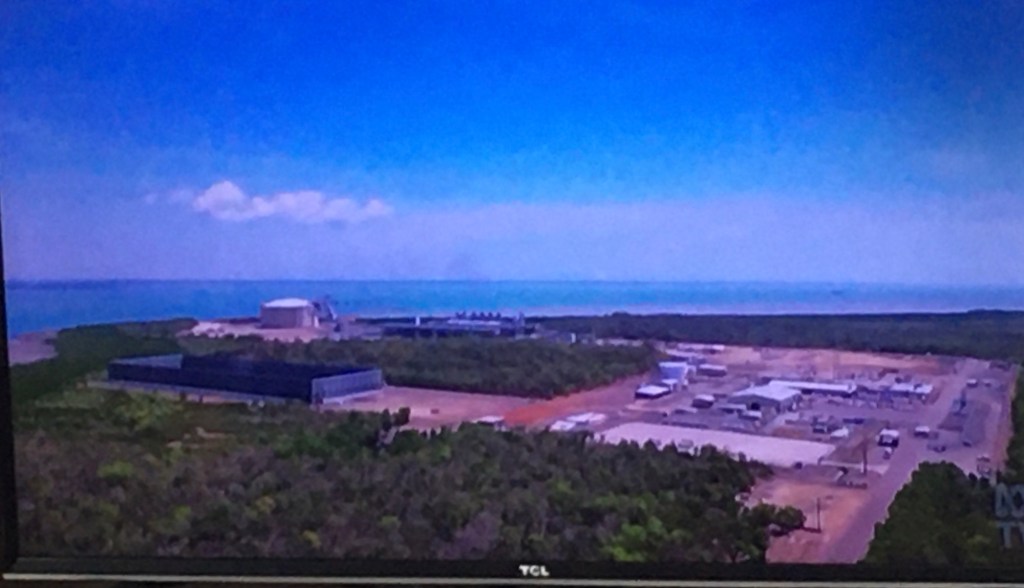
Pictures – courtsty the ABC TV News are of Nauru.

What are the most common names for girls and boys in these modern times.
Response:
Here are some of the most common names for girls and boys in 2023:
For more detailed lists and statistics, you can visit the following resources:
You can check these links for comprehensive insights into baby names trends!
Thank you AI


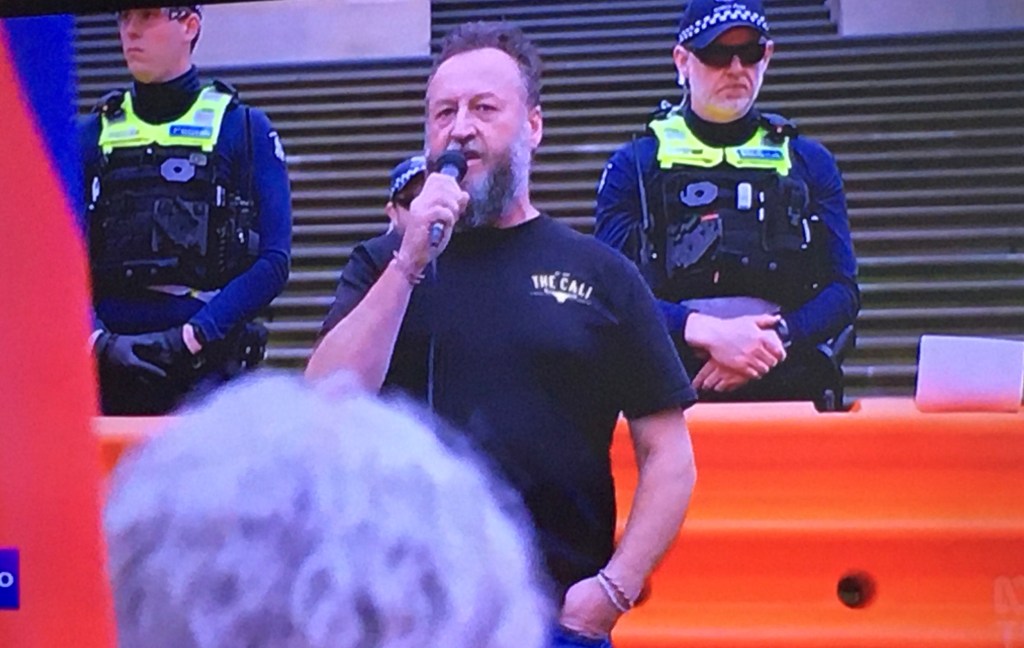
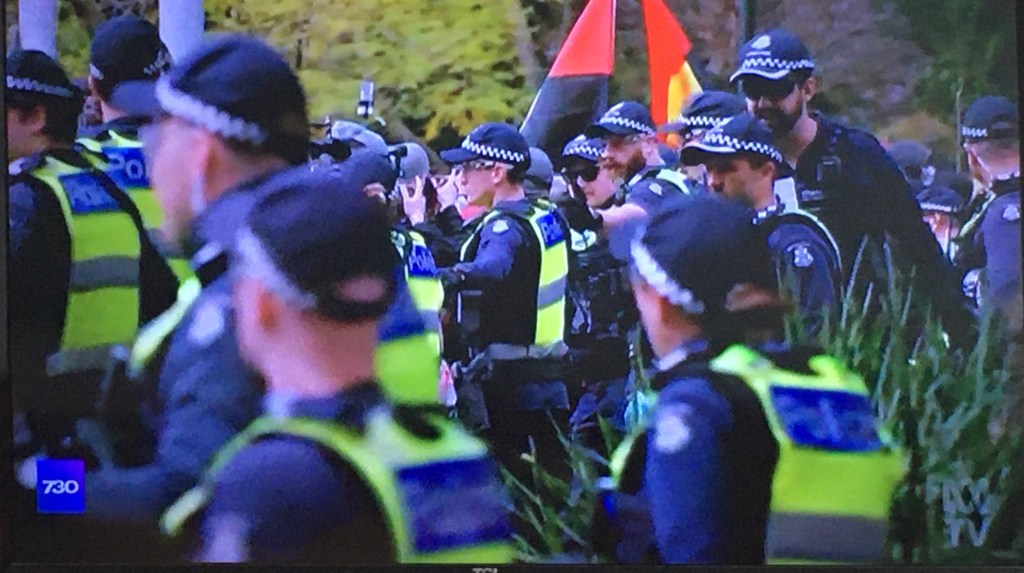
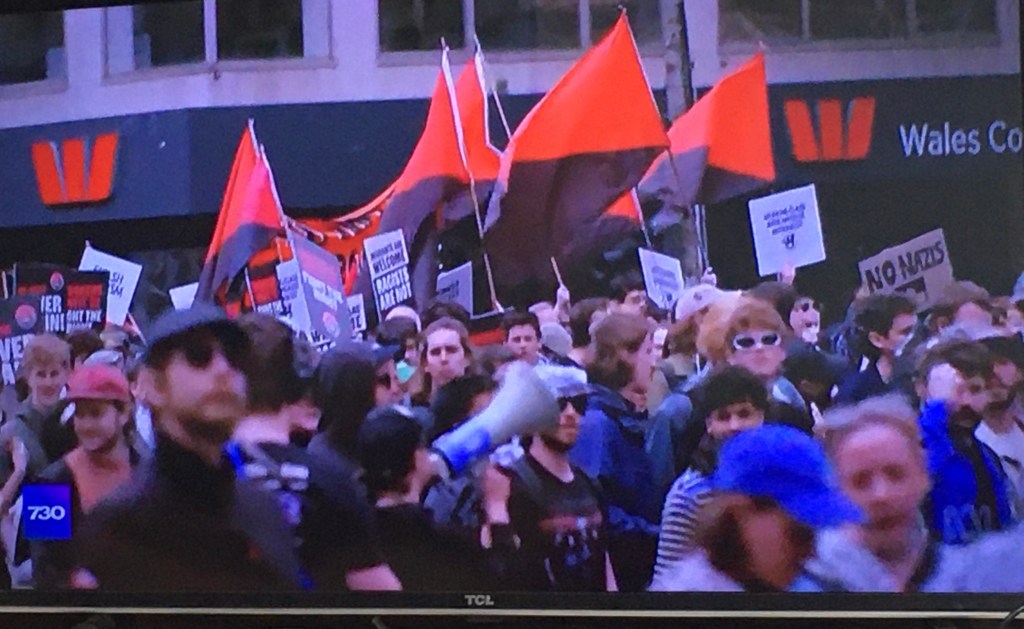


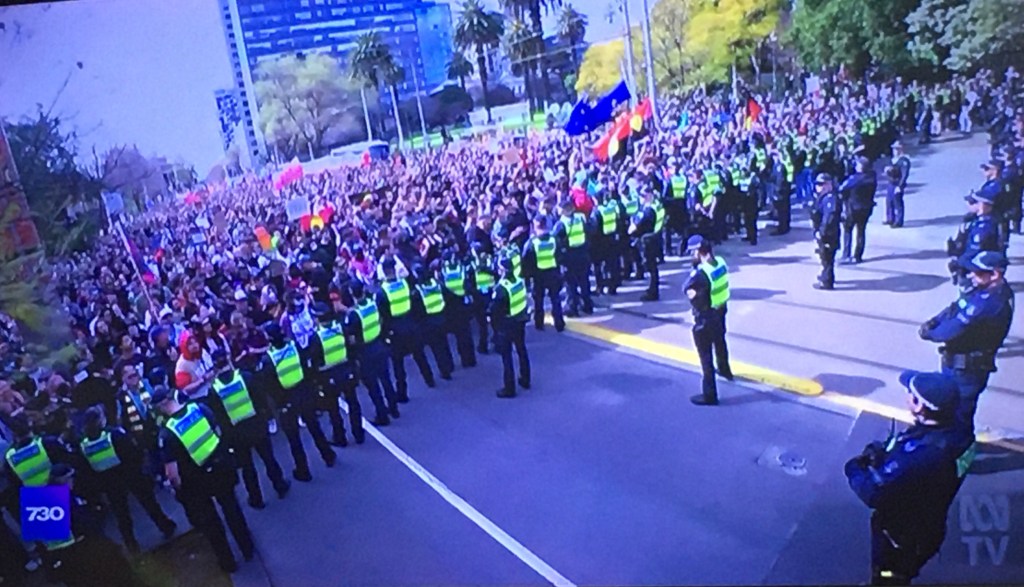

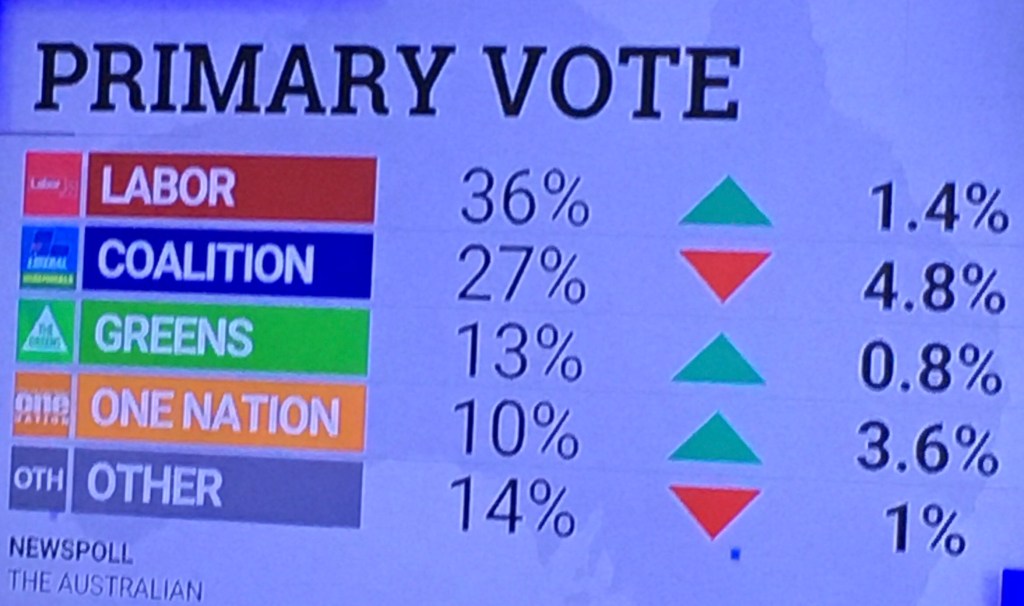
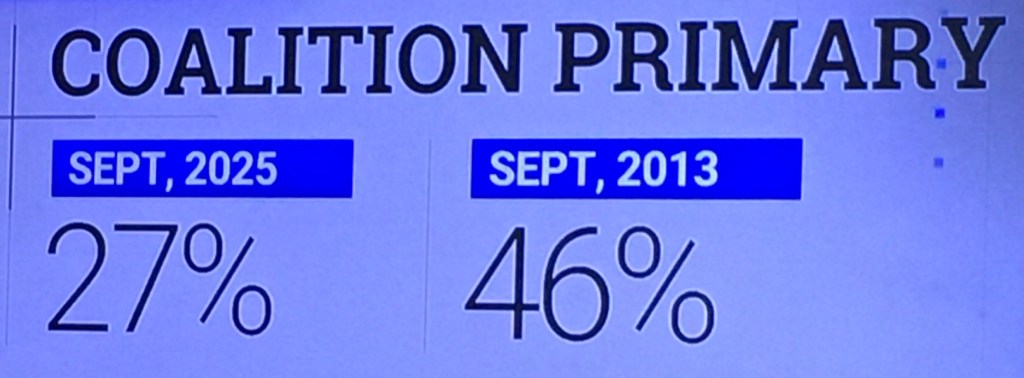
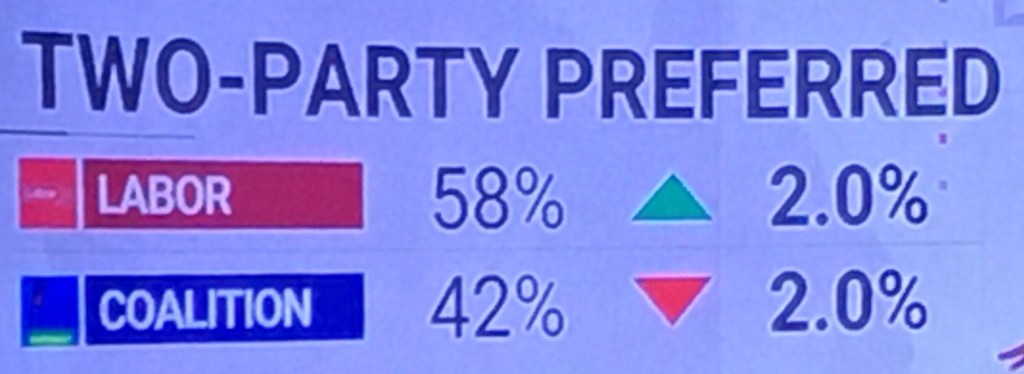
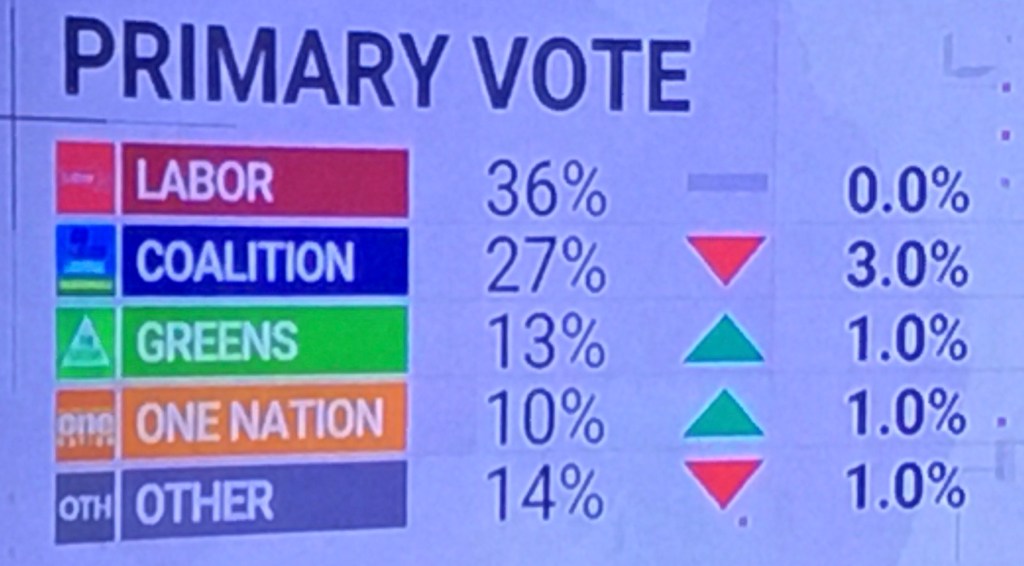
This is so bad. Should the coalition be disbanded and put into receivership.

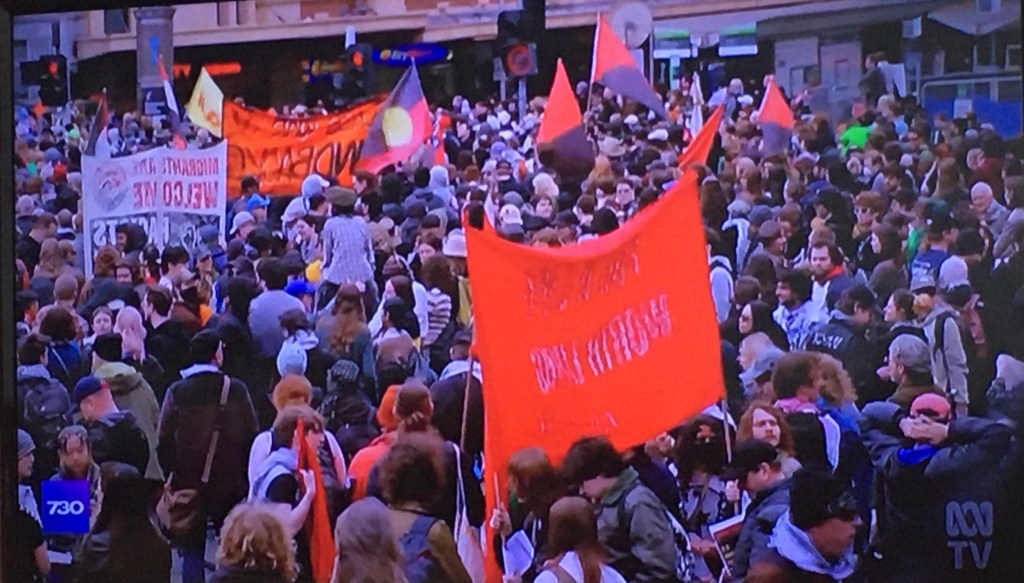


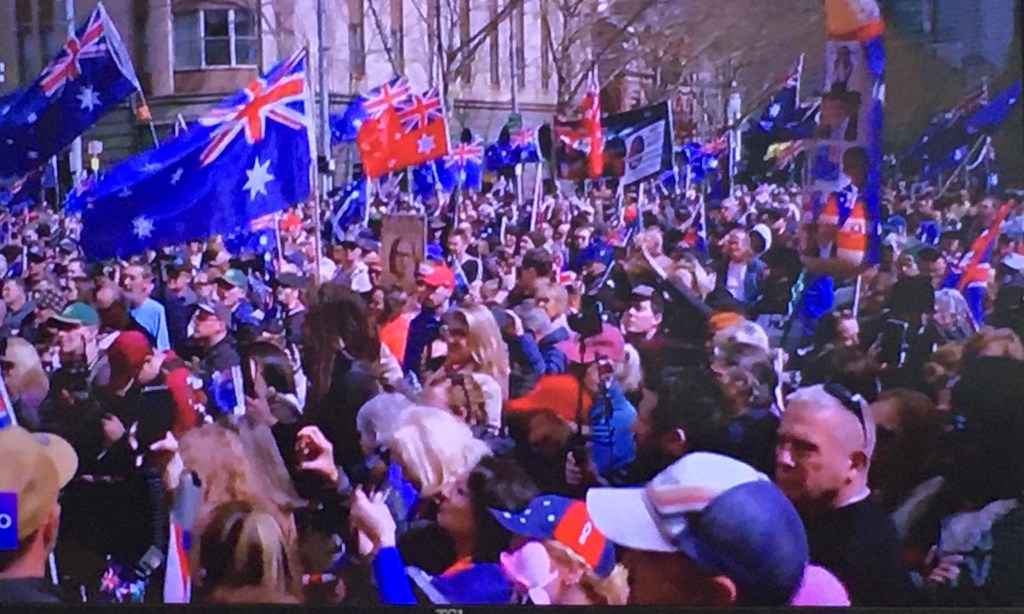
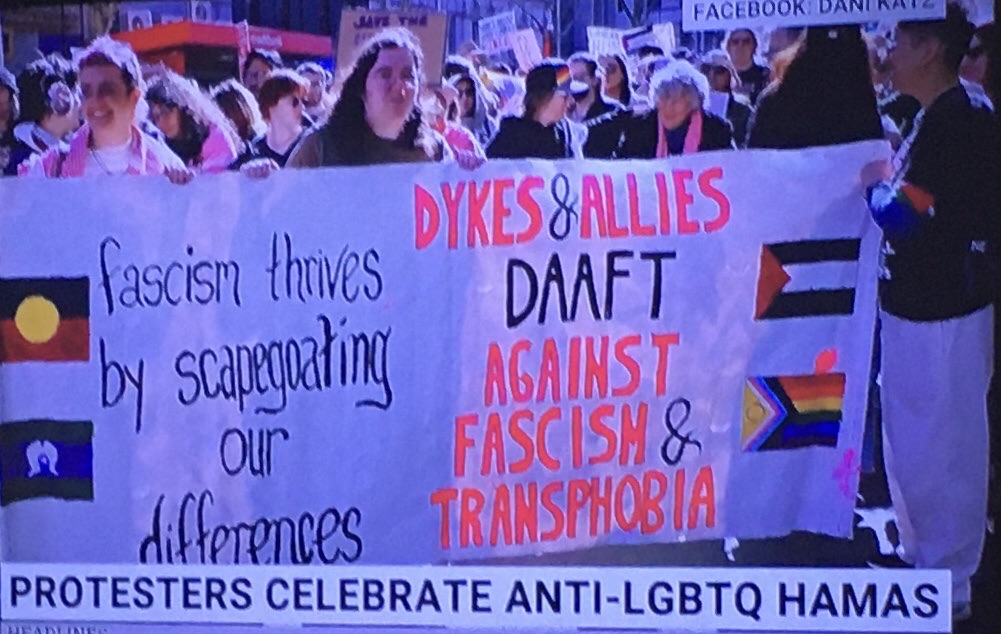
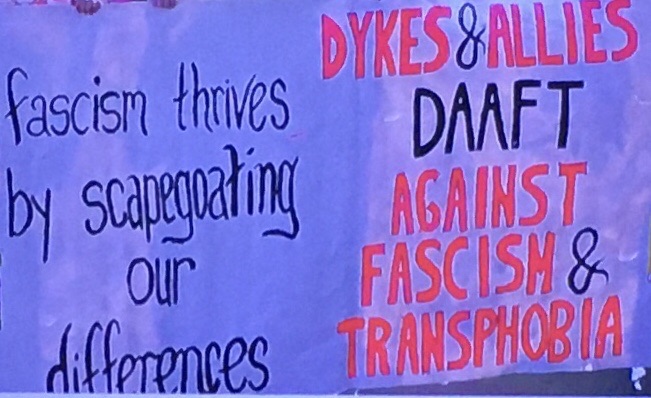
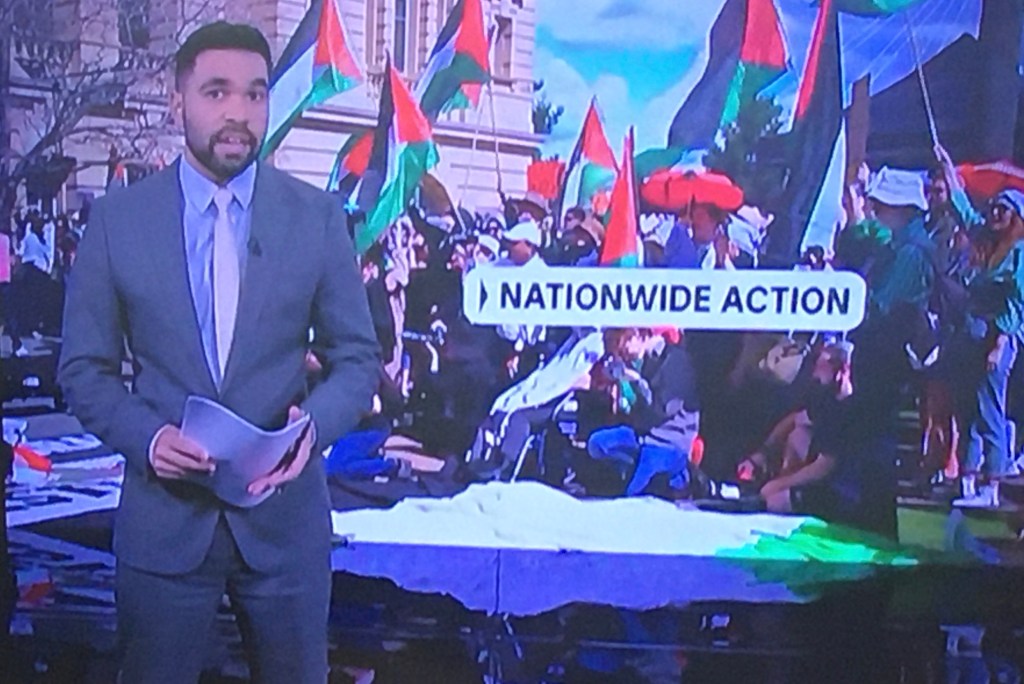
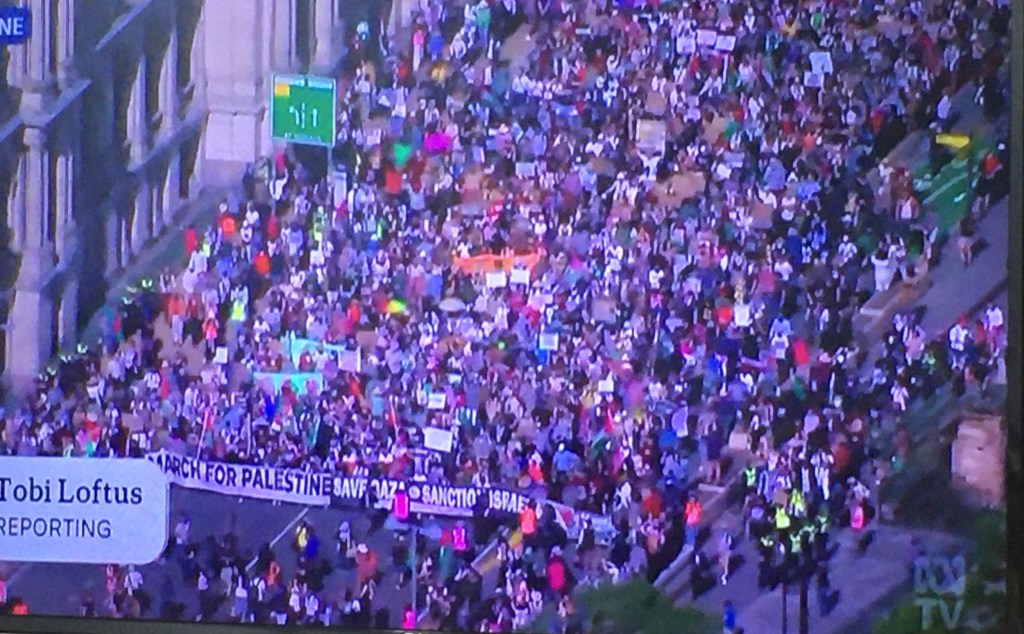
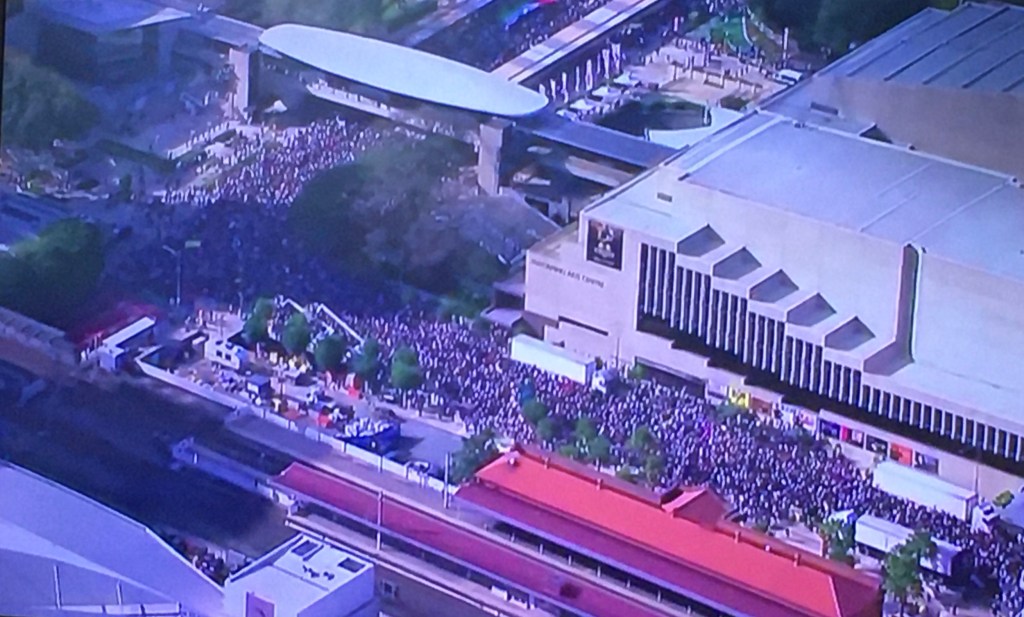
Pro and anti-Australia. Pro and Anti on Palestine and Israel. This is for the ONE HUNDREDTH WEEKEND IN A ROW.
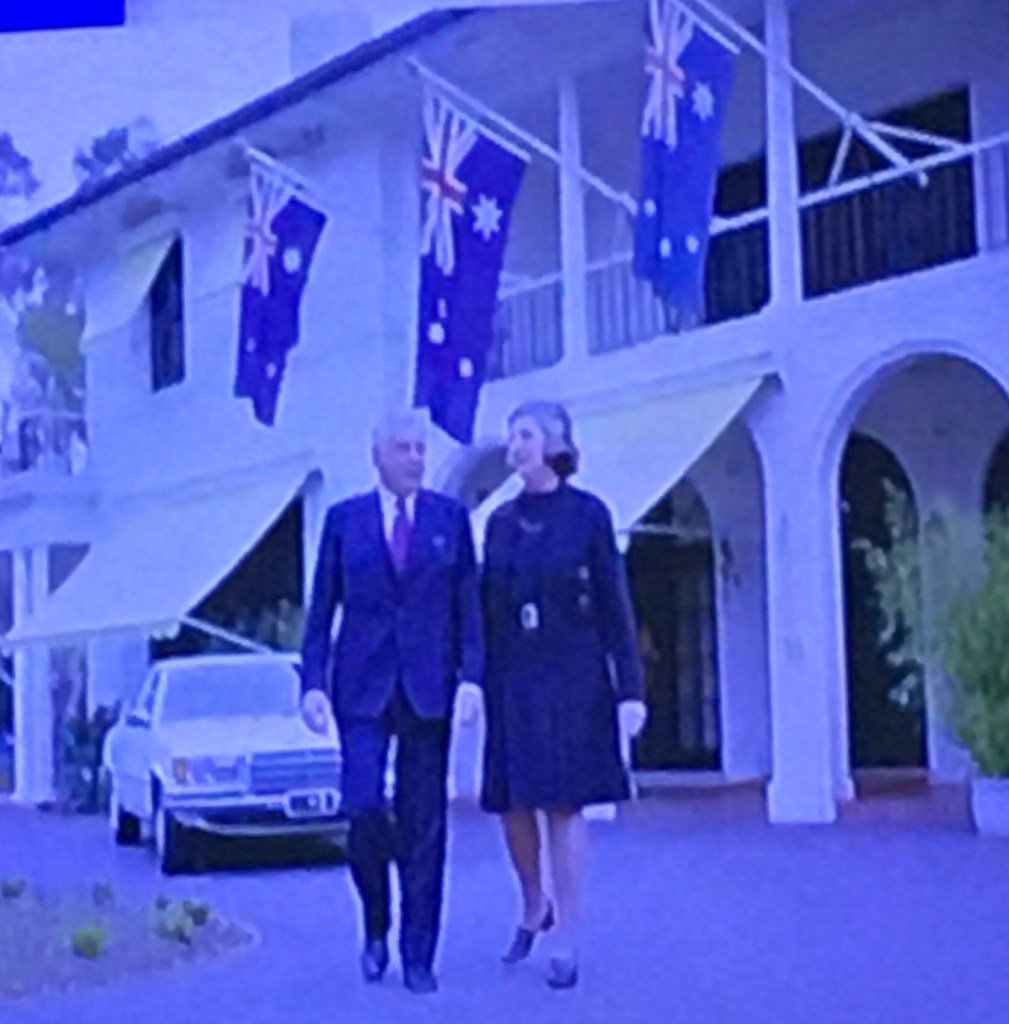
Pics on TV news
ANZ Bank Australia has been fined $240 million by ATSIC for banking iregularities. Where will that money go and who gets corporate fines like this?
Response:
ANZ Bank has recently been fined $240 million by the Australian Securities and Investments Commission (ASIC) for various banking irregularities, including “unconscionable conduct” in bond trading and other misconduct. Here’s how the money from corporate fines typically flows:
For more detailed information regarding this specific case, you can refer to the following sources:
I wonder whether the disbursement by government is programmed – or is the scattergun method the preferred allocation policy?

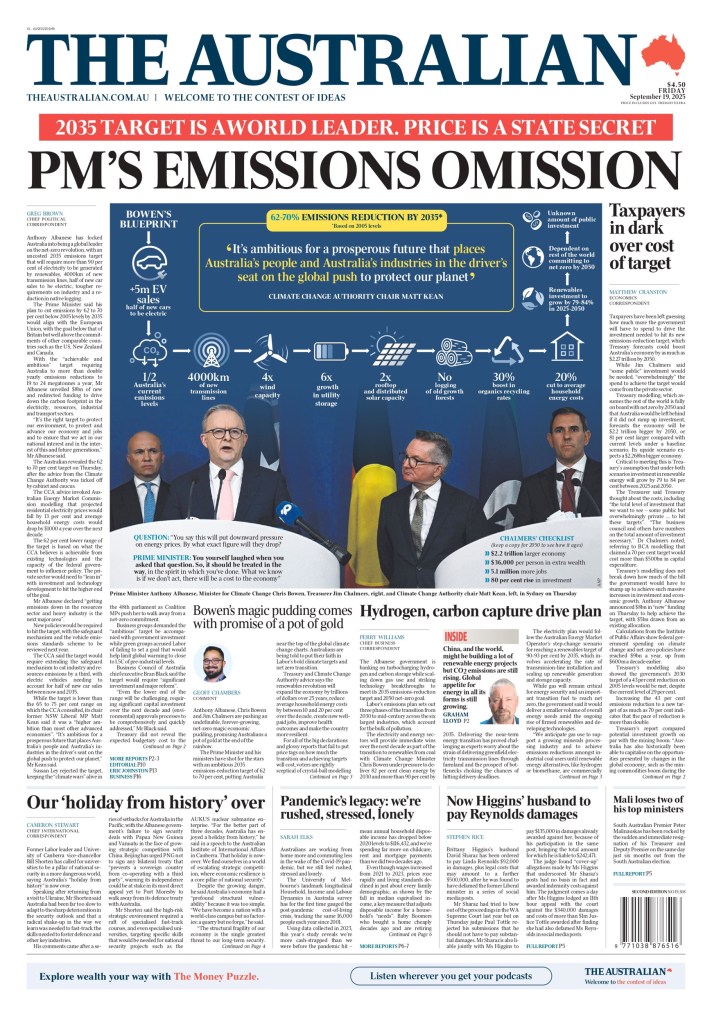
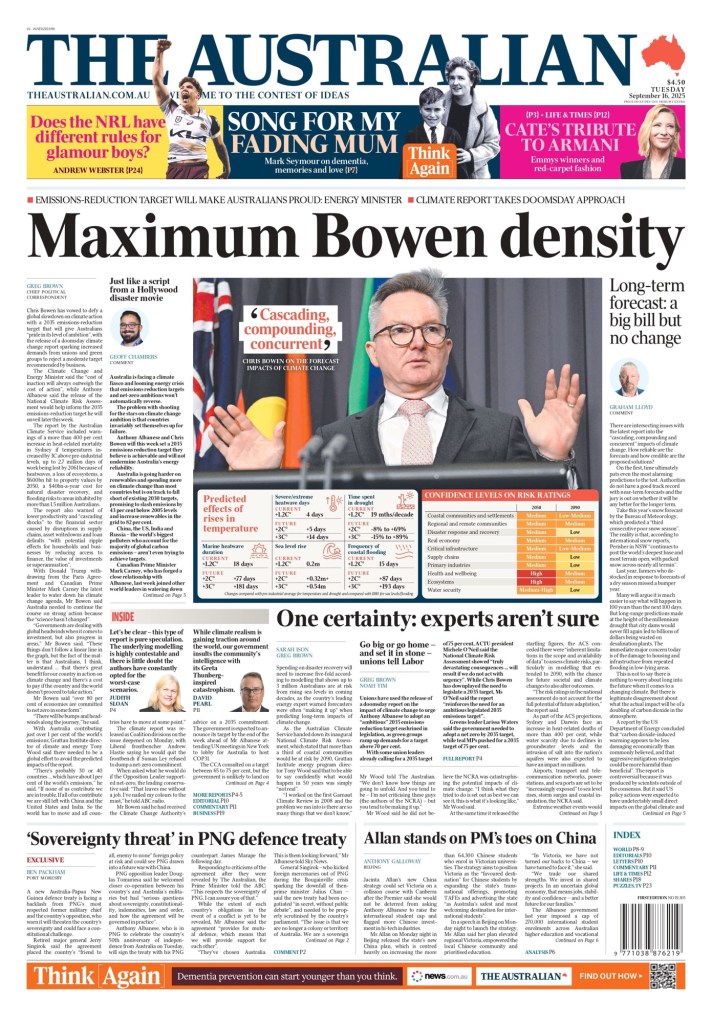
Source: The Australian

Donald Trump.
Donald Trump.
He would iron out the bumps, reform the surface and reinstate a smooth, safe drive for truckers and motorists.
Donald Trump.
21 to 30
The future of Albanese as Prime Minister
PM Albanese is starting to cook his goose regarding his continuance as Prime Minister. Suffice it to say, and in the not-too-distant future, he will be forced to relinquish the Prime Ministership to one or another of his front benchers. However, talent is somewhat limited by the strangulation of leftist policies.
Road use tax
In our part of the world, the state of roads is a testament to the fact that much more money is needed, not to extend roads but to maintain and upgrade what we have correctly. Increasingly, Darwin, Palmerston, and rural areas have roads nearby. Bumps and pothole patches are so numerous that they are like the pattern of endless patches Lena stitched onto Yarcob’s britches.
We are blessed to have many thoughtful and vibrant people standing for the local government election. However, voters will be hard-pressed because candidates of equal calibre will miss out no matter who they vote for.
A medal of valour for our PM
There is a possibility and a very high level of probability that the Palestinian leader will present our Prime Minister with a Medal of Valour for his declared position on Palestine’s future. He may be invited to Jerusalem to receive this honour with acclaim from the West Bank populace.
Victoria – no way!
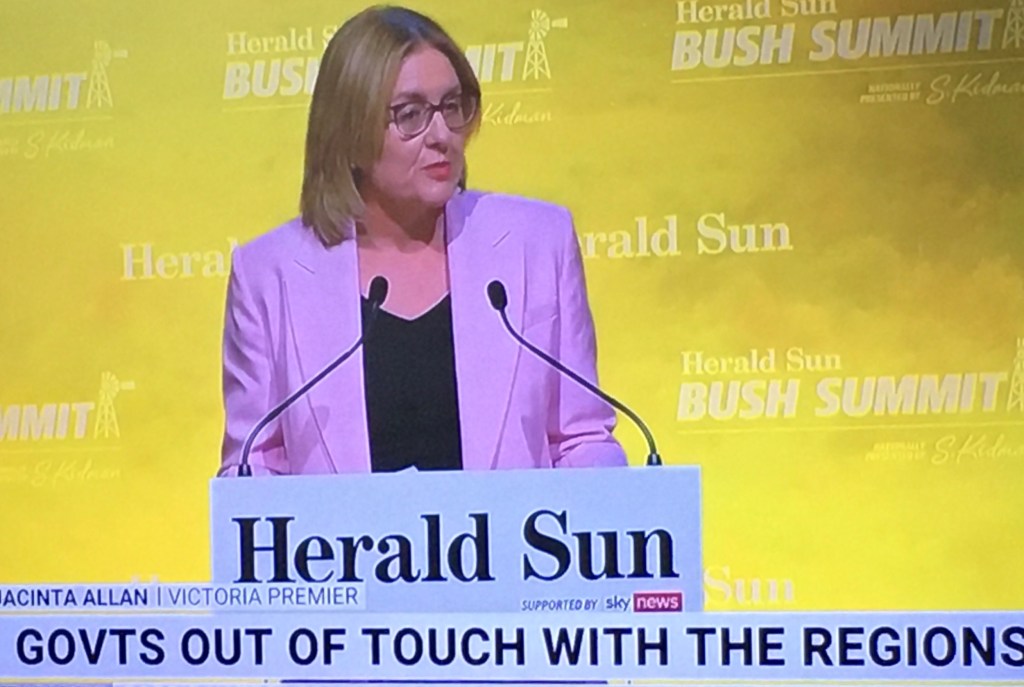
For my life, and as a careful follower of news, I cannot think of ONE decision or position the government with Jacinta Allen as premier has taken that has positive outcomes for the people of Victoria. She is continuing the leadership practices of her predecessor, Daniel Andrews. Victoria is a state in ruin and is bankrupt to the extreme. I’d suggest the Victorian Government be put under Commonwealth administration—except that the Albanese Government is no better.
Trump and Putin meet in Alaska
Will this meeting yield any positives, or will the ‘same old, same old’ continue as it has since 24 February 2022 – 1271 days ago?
Albanese and his decisions
Anthony Albanese is doing what he says he is doing for Australia. I think he is doing what he is doing for himself. Invoking ‘Australia’ behind his actions is just a ploy to legitimise what he decides. 27
Mobile phones
My days as a school principal ended in retirement in January 2012. Then, mobile phones were more or less ‘newly emerging’ and students were far less gripped by the addiction of constant usage that is now the case. But there were still issues, without any debate at my school. Mobile phones were banned – as simple and as effective as that! Since then, with the proliferation of phones and their sad consequences, school administrators’ and educational systems’ hesitation to ban them has led to countless societal problems and issues. Mobile phones were declared essential educational tools in the NT at one stage. Fortunately and finally, bans and restrictions came into place, generally at a school level. However, despite ‘no phones’ policies, many schools still have significant issues due to the policy’s non-enforcement. For educational systems and administrators, the problem is easily fixed. There is a rule – then enforce it! End of story.
Paul Keating and Victoria
Once upon a time, when Paul Keating overflew the NT, he declared this place to be ‘the arse end of the country’ or similar. He could offer the same epithet these days by overflying Victoria in a southbound direction. What he said then was not entirely true, but it would be now if it were related to Victoria.
The Anchorage Meeting
Putin’s supremacy in dialogue and viewpoint insistence is paramount. The Anchorage showdown was like an episode of “The Master and the Apprentice” or ” The Maestro and the Novice.” 30
.
.
Donald Trump.
Mark Knight and Johannes Leak

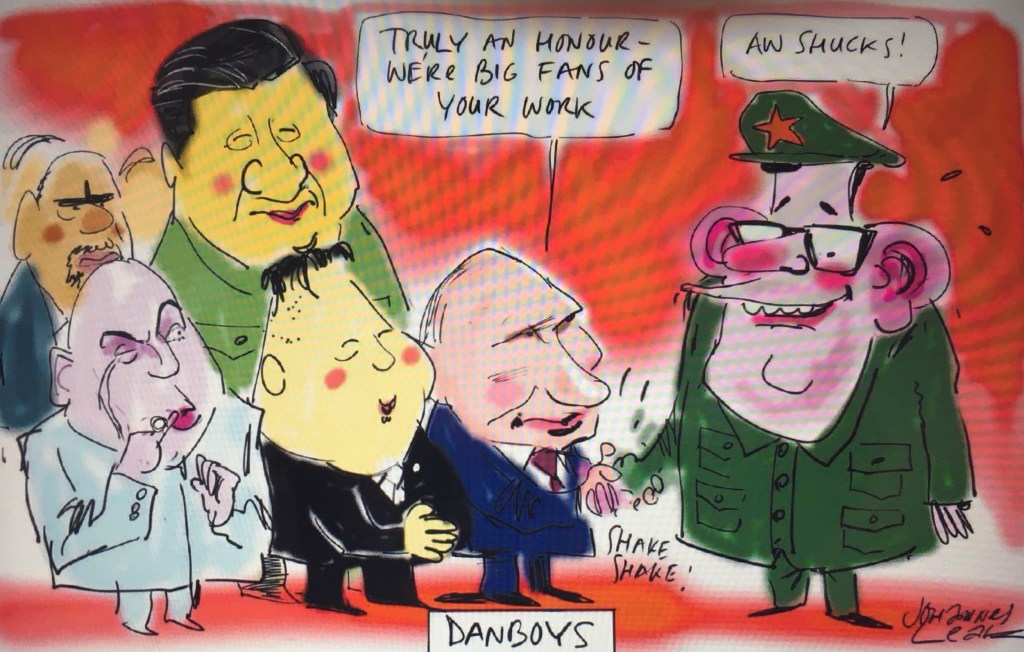
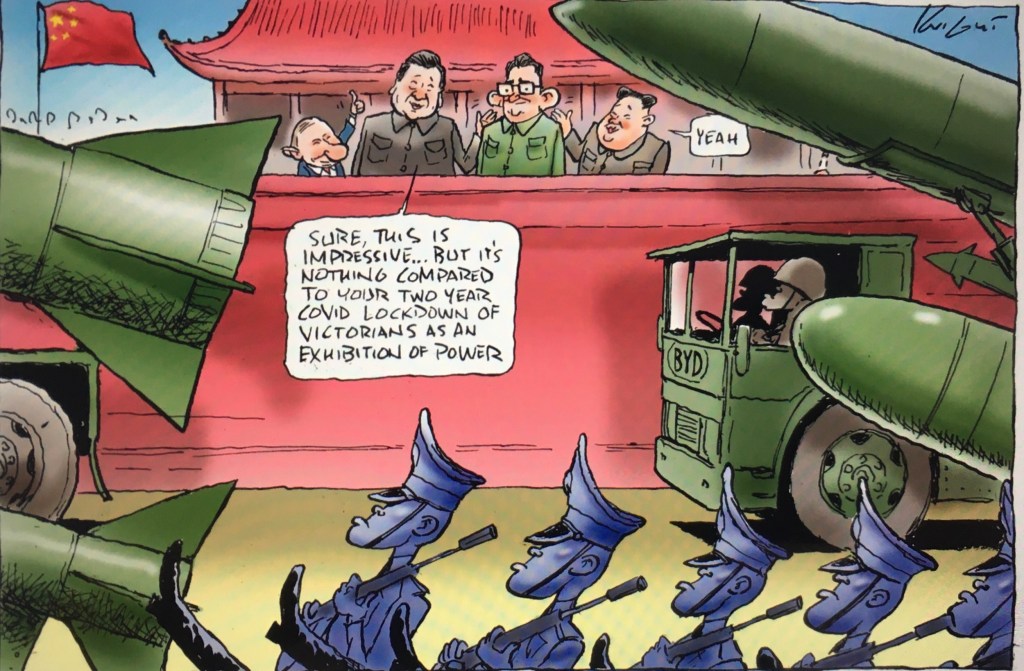
Donald Trump.
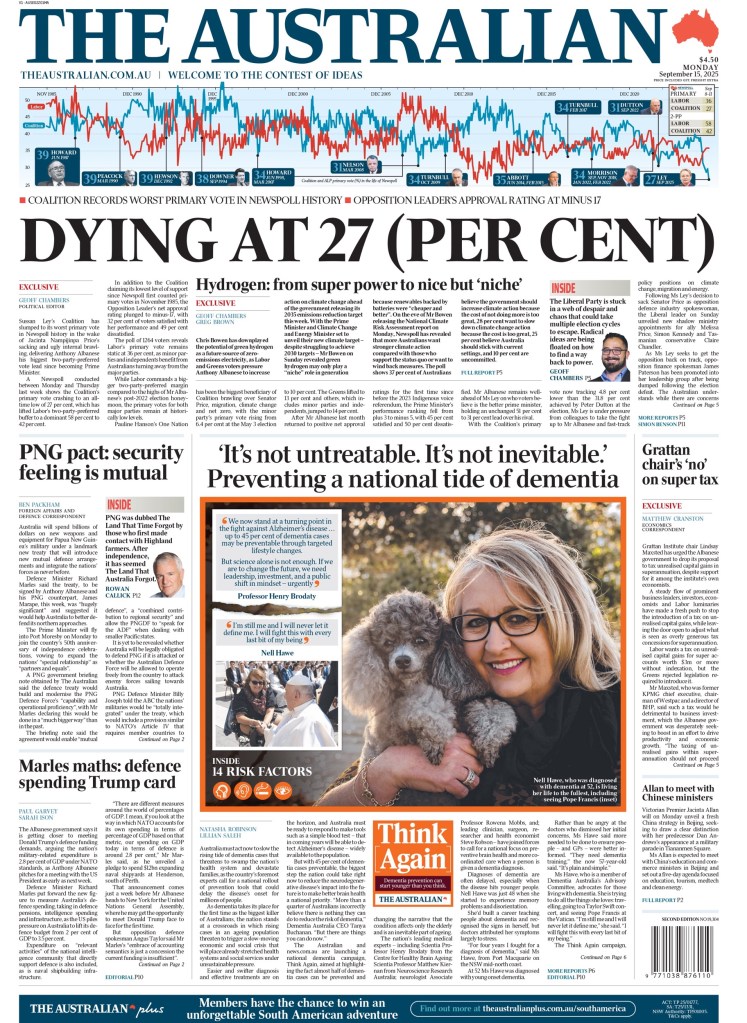
That is the way it is!
Sad but true,
Discounted and condemned for what may or may not have happened historically.
For whites like me, the future is bleak.
I am made to feel like an imposter in the country of my birth.
Especially in the last ten years.
Donald Trump.



Being interviewed on CNN

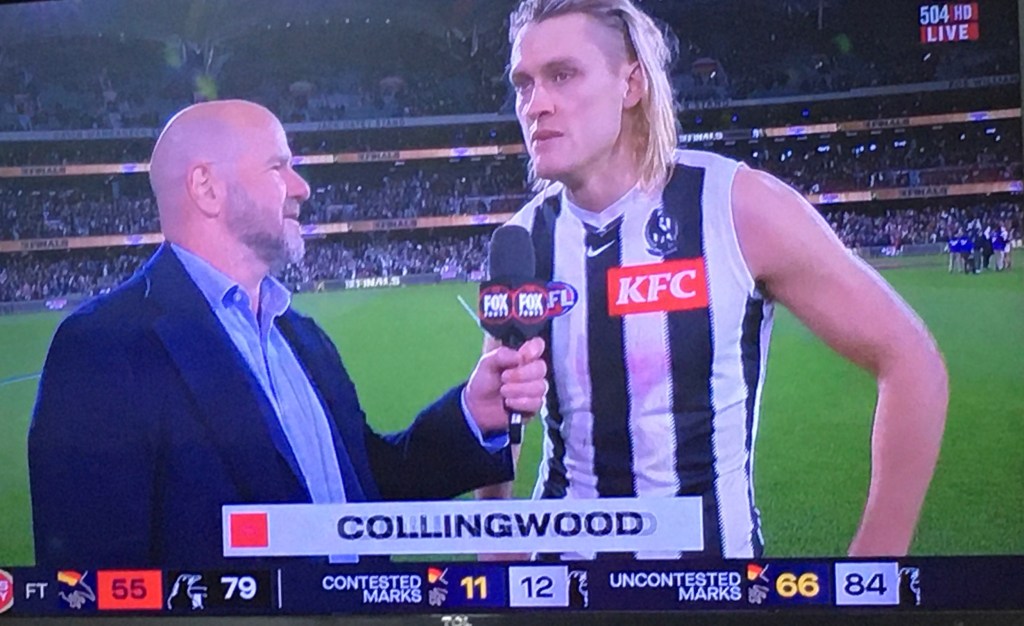
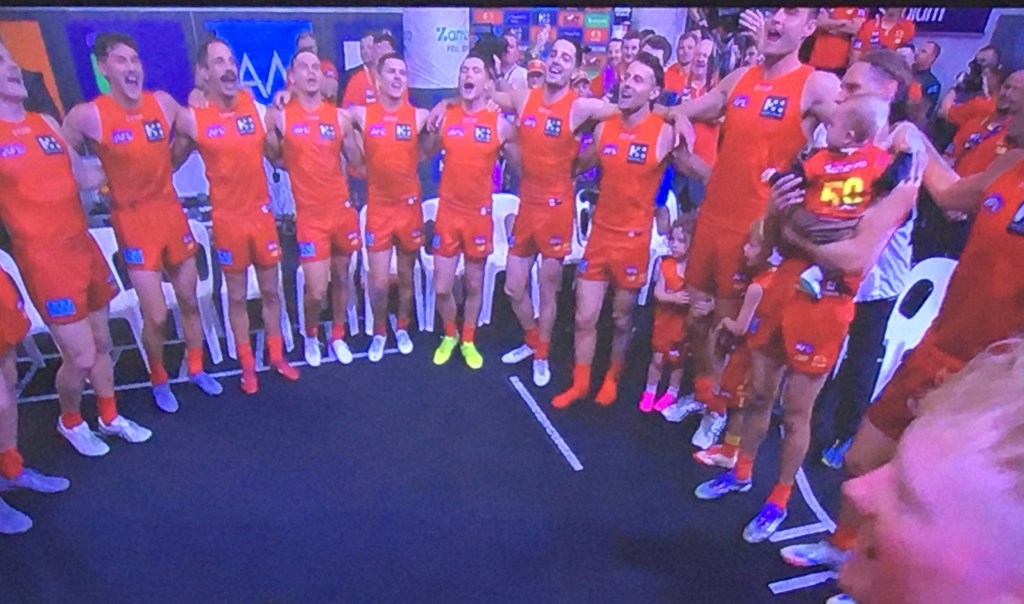
Q – Queensland semi Brisbane – last week’s loser – against Gold Coast Suns – last week’s winners
Gold Coast kicked the first two goals of the game and then surrendered. The Gold Coast Suns trailed by only one point at quarter time but from there on it was all one way traffic.



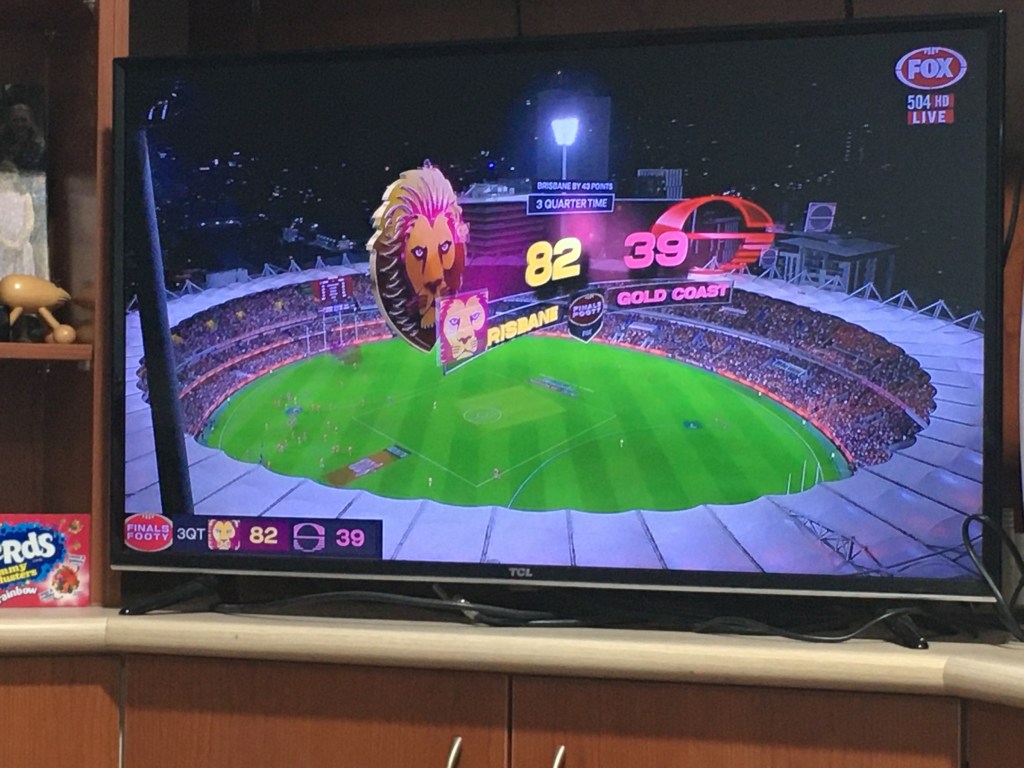

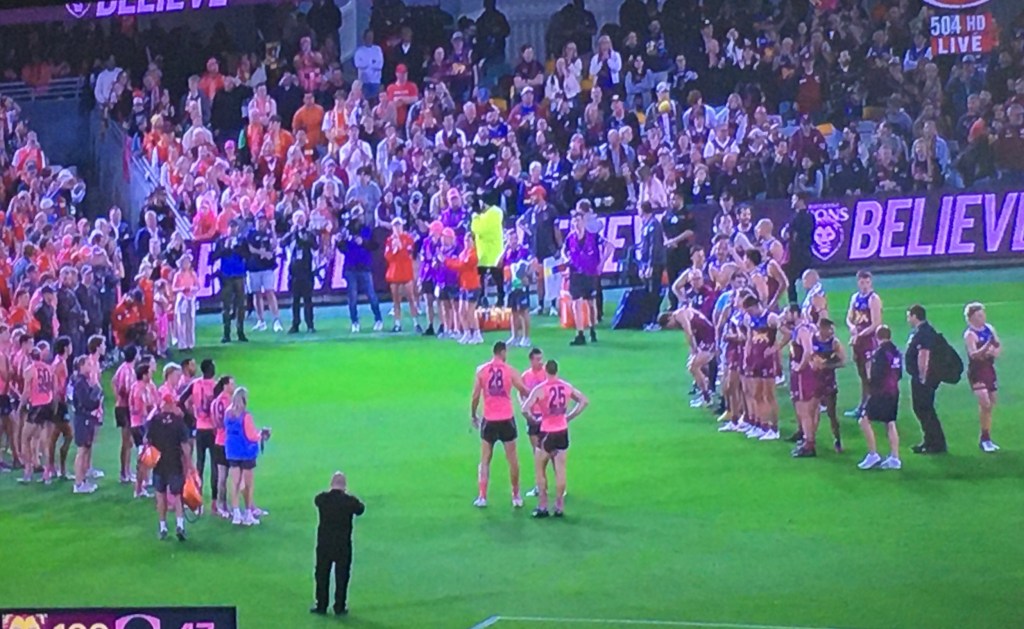

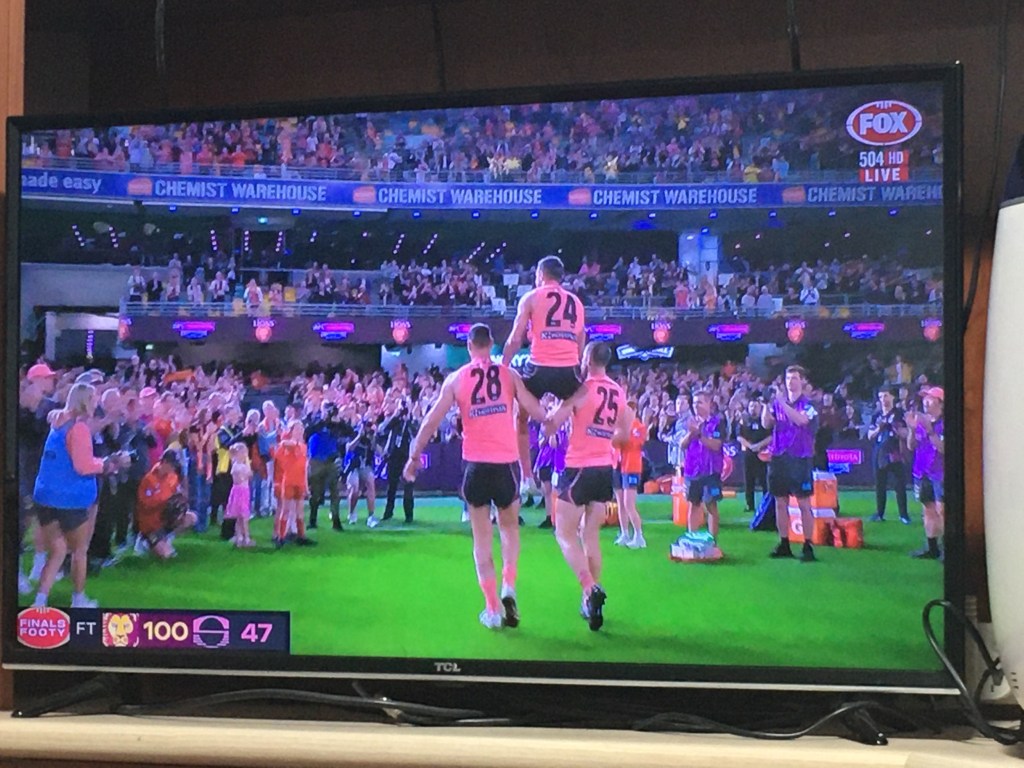

This was the first time the Suns have been in the finals.





13 August 2015


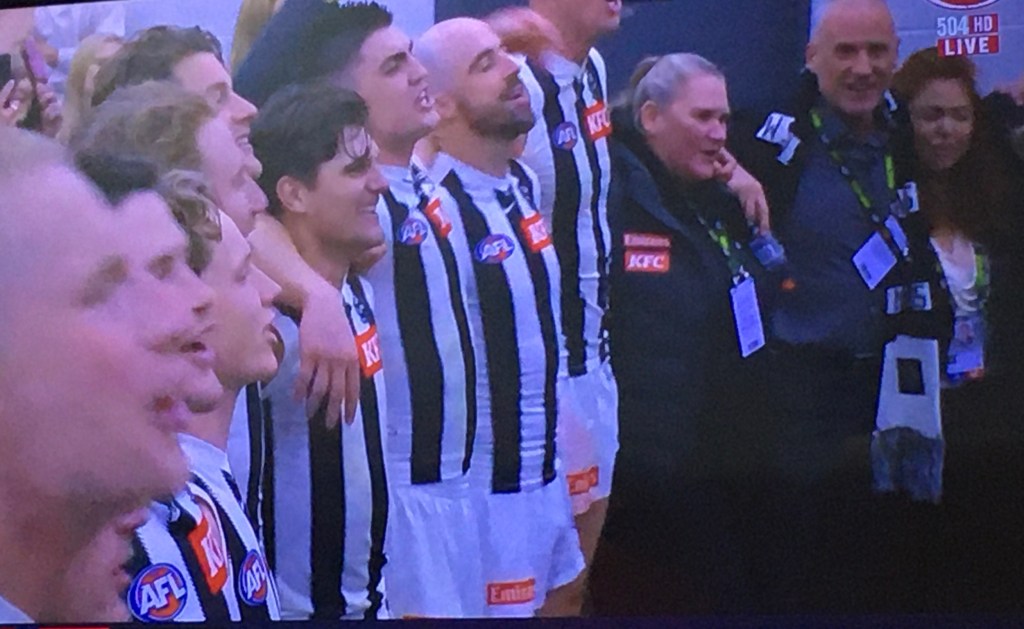
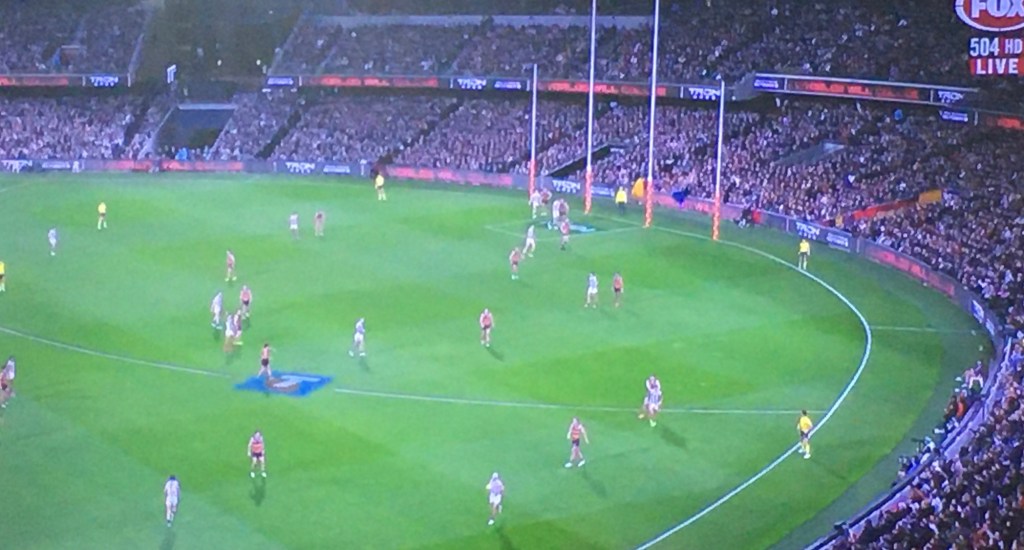
Hawthorn, eighth in the AFL competition, won their second final to unseat minor premiership winners Adelaide Crows in Adelaide last night – August 12 2025


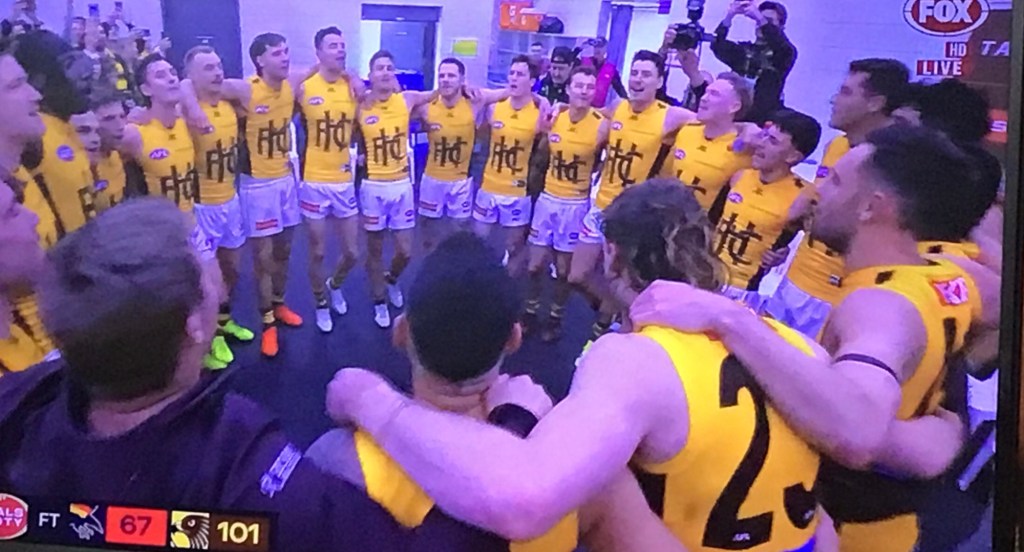
Hawthorn, eighth in the AFL competition, won their second final to unseat minor premiership winners Adelaide Crows in Adelaide last night – August 12 2025
THE CROWDED STANDS AT ADELAIDE OVAL




Hawthorn, eighth in the AFL competition, won their second final to unseat minor premiership winners Adelaide Crows in Adelaide last night – August 12 2025
Adelaide Oval



Donald Trump
I would give them away. I am through with travel. Happy to travel through TV.
We travelled a lot once but the challenge of travel in 2025 well and truly outweighs the benefits.
HAVE TV, WILL TRAVEL
The title sums up my future travel plans.
In an earlier post on a similar subject, I outlined some of the places my family had visited from the 1970s onward. Our last trip (the first without our children, who were now growing up) was to the UK.
From that point in time onward, The only time I’ve travelled anywhere has been to do with work, study or for medical needs.
Fast forward to 2023, I can say with absolute confidence that I’ve travelled nowhere other than for medical appointments (including a couple of diagnoses taking me to the southern states).
My vision via media of the way airports are always so crowded and dance with people, why my awareness of the fact that planes are constantly delayed. Flights cancelled, and knowing how crammed cabin space is for passengers these days, makes me not want to travel anywhere.
Airports are bustling with security and more crowded than any place on earth, making one feel like a sheep or a goat being drafted here and corralled there.
Once in the air, sitting in an economy seat with ever diminishing amount of legroom in space and it’s ever pressing closeness to the seat in front (usually accommodating someone who wants to put the seat back as far as it can go) makes one feel like a battery hen in a cage. You’re stuck.
When you get to where you’re going, it’s hustle and bustle and haste. It can be so hard to do what you want to do when you get there because other things have cropped up along the way, not the least bit in emergencies of weather and environment.
That’s why these days, when I want to travel, I turn on the television set. Television takes you worldwide in either a factual or a fictional sense. You can revisit history through programs developed to revisit times from years and years ago; You can catch a glimpse of the future through the eyes of those who develop cinematography that stretches beyond our century and into infinity.
I love travelling – in front of my television set
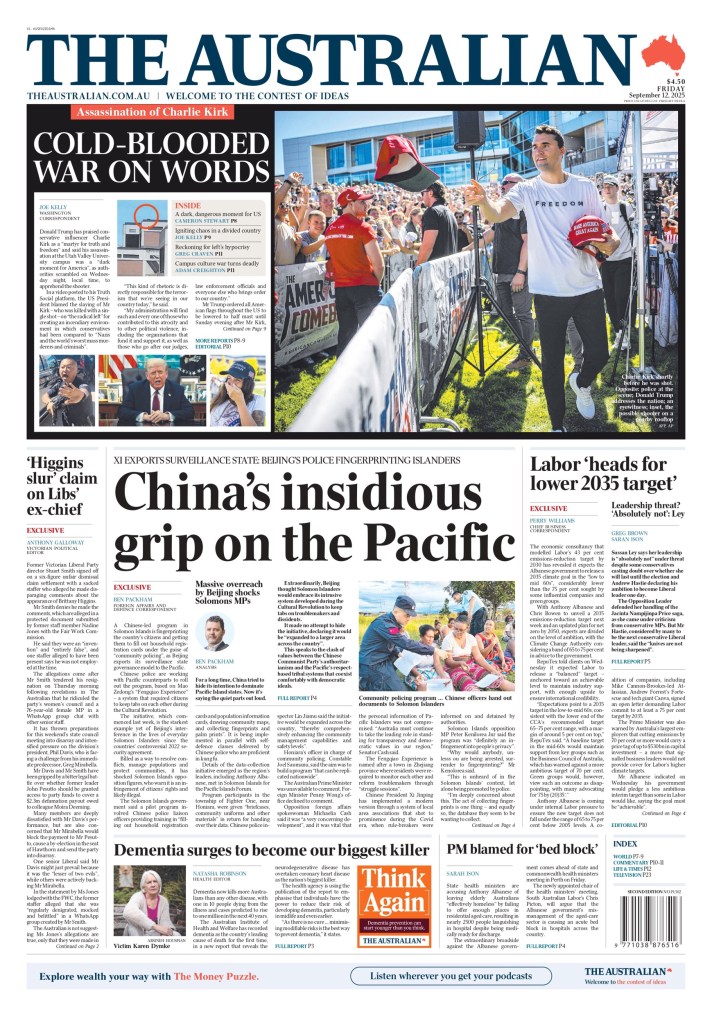
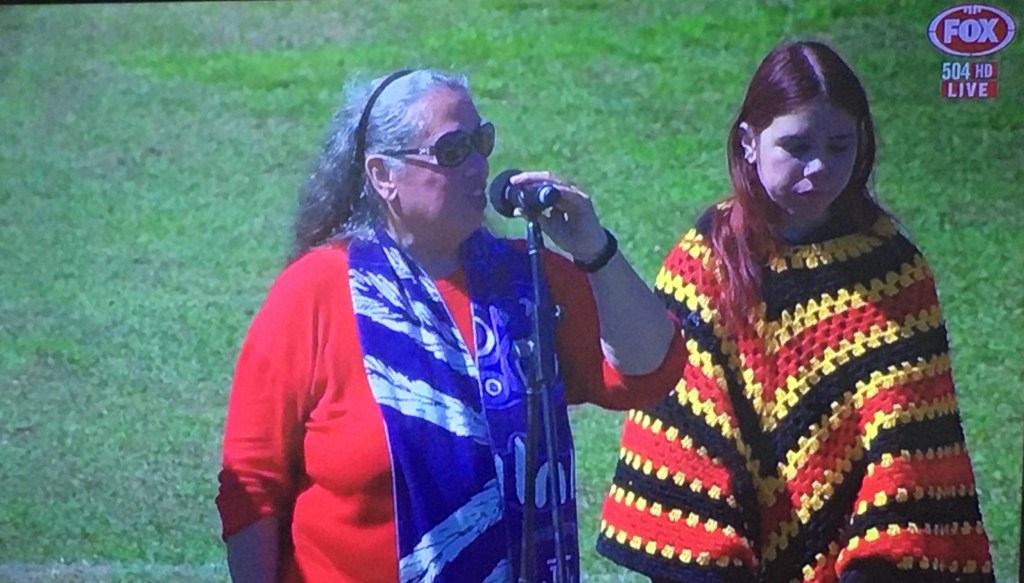
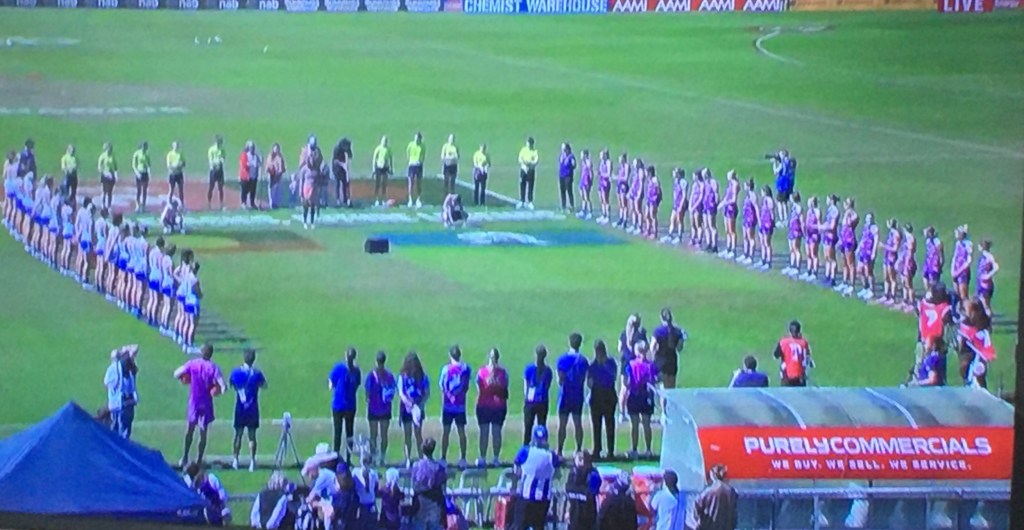
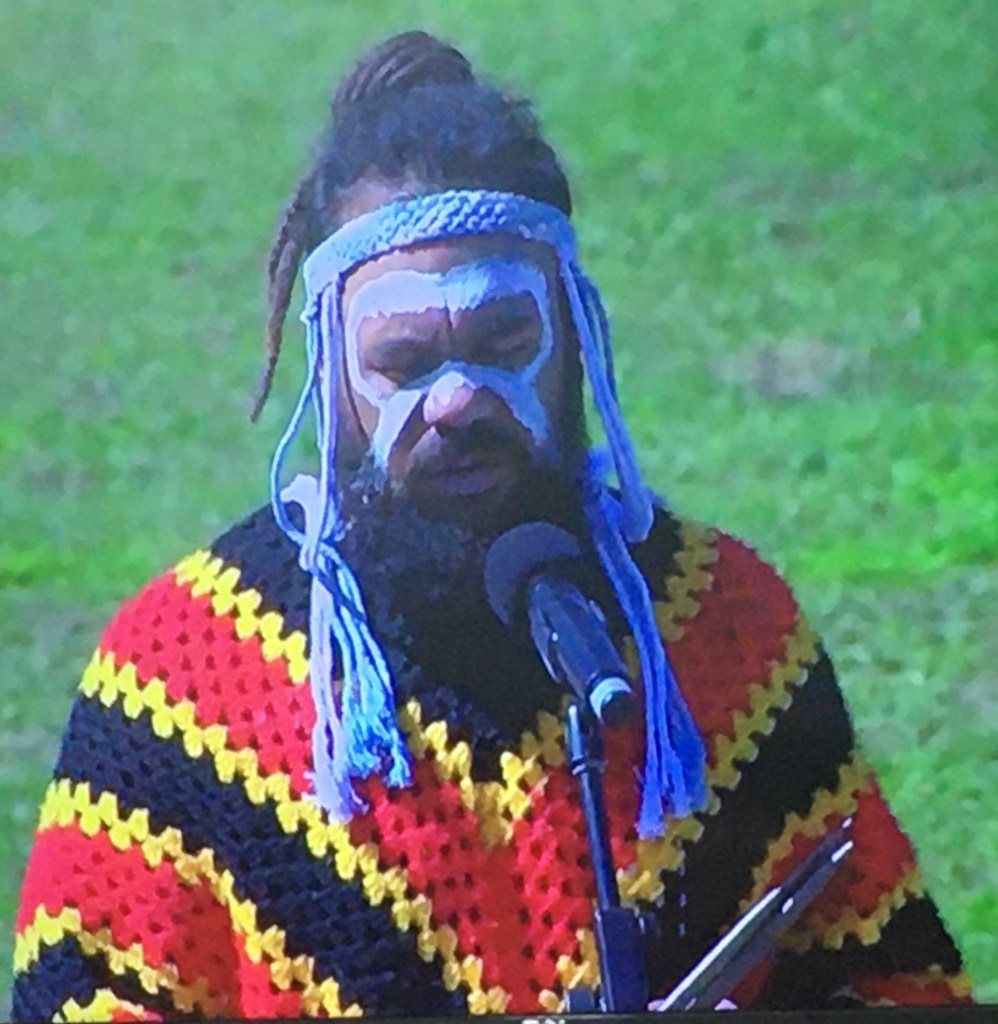

Welcome to country happens everywhere.
Donald Trump.



Are Aboriginal Australians the only Australians impacted by intergenerational trauma?
Response:
Intergenerational trauma affects various communities in Australia, not just Aboriginal Australians. Here are some key points to consider:
In summary, while Aboriginal Australians are significantly impacted by intergenerational trauma, they are not the only group in Australia experiencing these effects. Other communities also face challenges related to trauma that can affect generations.
But it is waved away for everyone else than Aboriginal Australians.


Everlasting flowers for everlasting thanks.


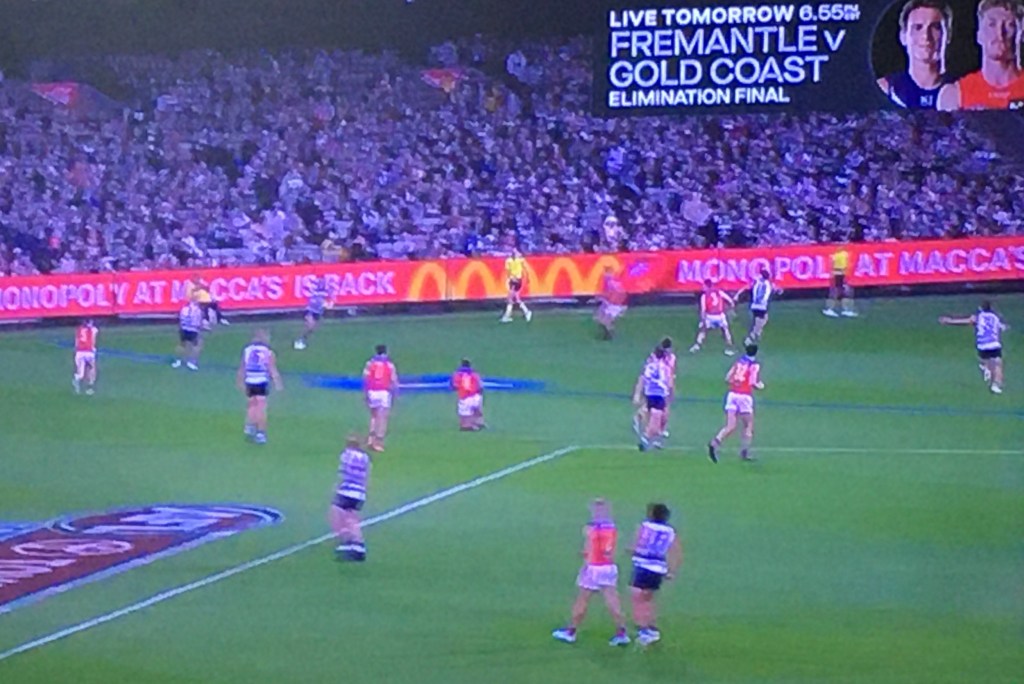

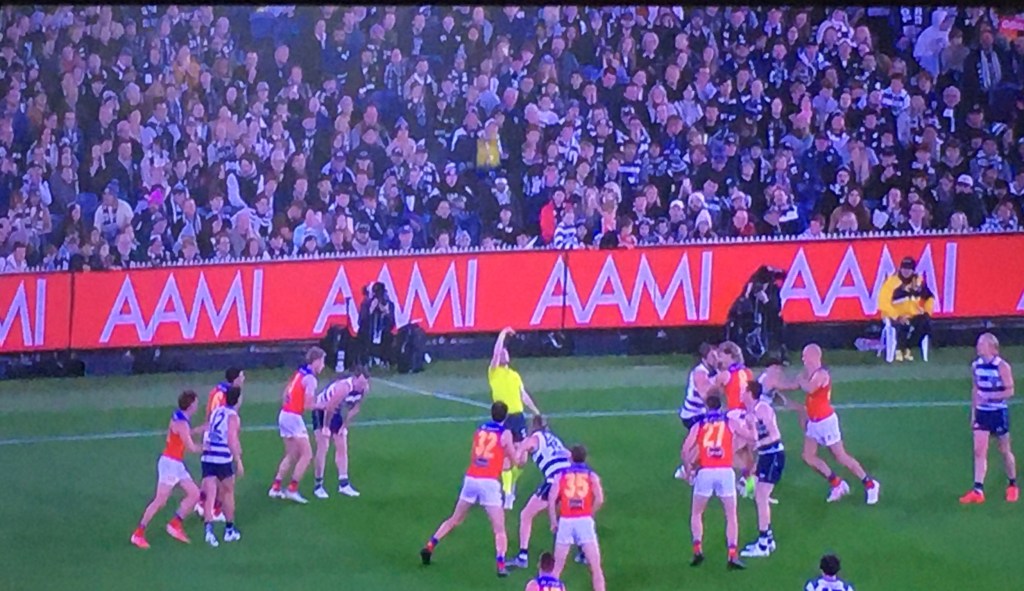


Great Game.










Continued
Tonight has become every night
Tonight I feel disquiet about the way the world is heading and feel more insecure and apprehensive about the future than I have for a long time.
I feel that we are on the edge of catastrophe.
Be it at a local level, territory level, Australian level, regional level, or on the global front, it seems to me that more and more is going wrong and less and less is turning out right.
Not only are we afflicted by an increasing number of man-made disasters and tragedies, but it seems that environmental factors are evermore against us.
And now we are being divided on the basis of race with ‘intervenerational trauma’ being the justification for this division.
I confess to feeling a deepening level of apprehensiveness and despondency, that has not overcome me to this extent for a long period. I do not feel good about the future.
AUSTRALIA – HELP!!
Major defecits
A shadow of the country it once was.
A place that upholds protests and downplays decency, law and order.
A location where production is at an all time low and where posturing and grandstanding hold pride of place.
A country where optimism and hope are draining away and down the gurgler.
Once a happy place but now a country where light is being snuffed out by a penumbra of creeping gloom.

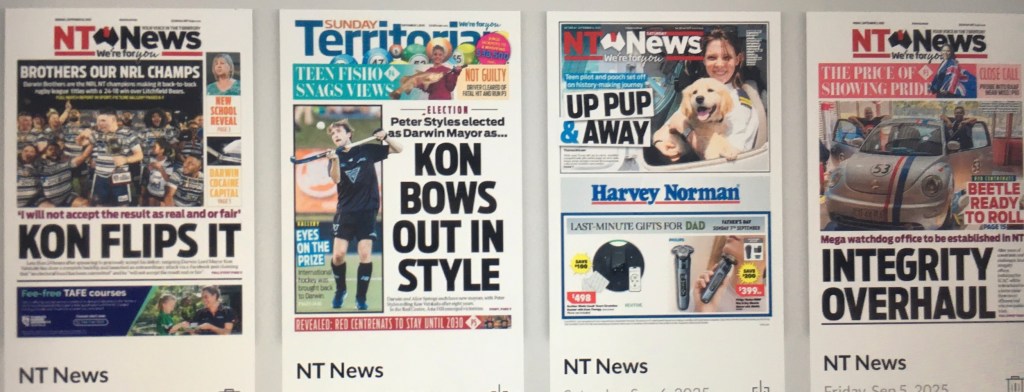
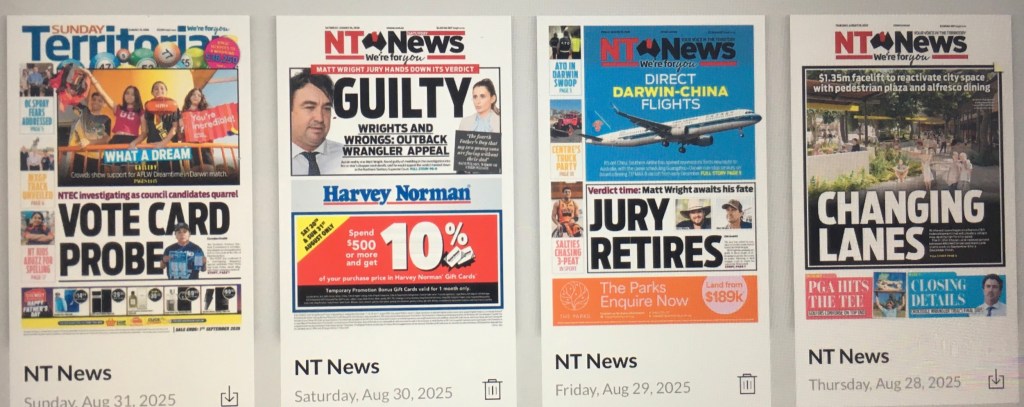
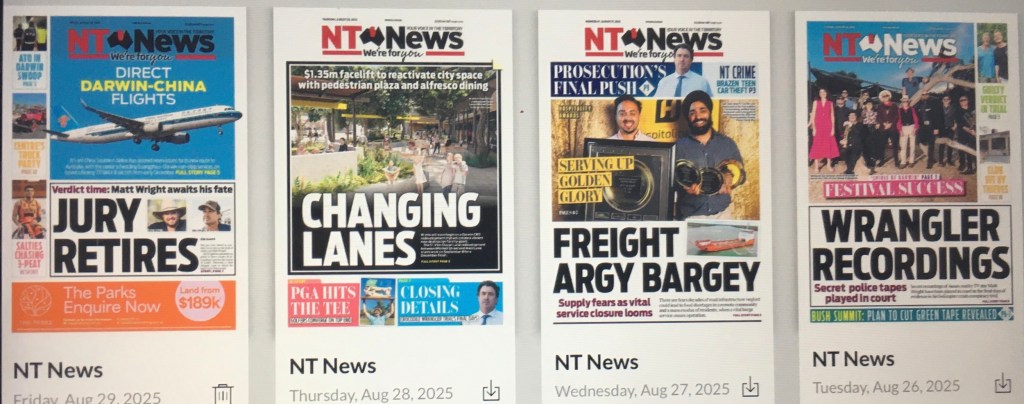
I have appreciated the NT News since coming to the Northern Territory in 1975. For the past fifty years, the paper, in print and more recently online, has been an appreciated source of information.
While the paper’s focus and emphasis have varied over the years and decades, one constant has been the quality of photographs your photographers took and used to enhance stories and columns.
Clive Hyde and Peter Bennett are among the best of an expert team. Some terrific photographers have brought the paper to 2025, when photographic illustrations are as good as and possibly better than ever.
Zizi Averill, Pema Tamang Pakhrin and others add quality through photographs and captions. Their work helps keep the NT News and Sunday Territorian as papers – both in print and online – with local appeal.
I could not help but ponder two stories on opposite pages in the NT News (8 September)
On page four, there was a column in which journalist Paul Shapiro was taken to task by Darcy Fitzgerald for his ultra-negative criticisms of our capital city. What came to mind was the need for balance in reporting.
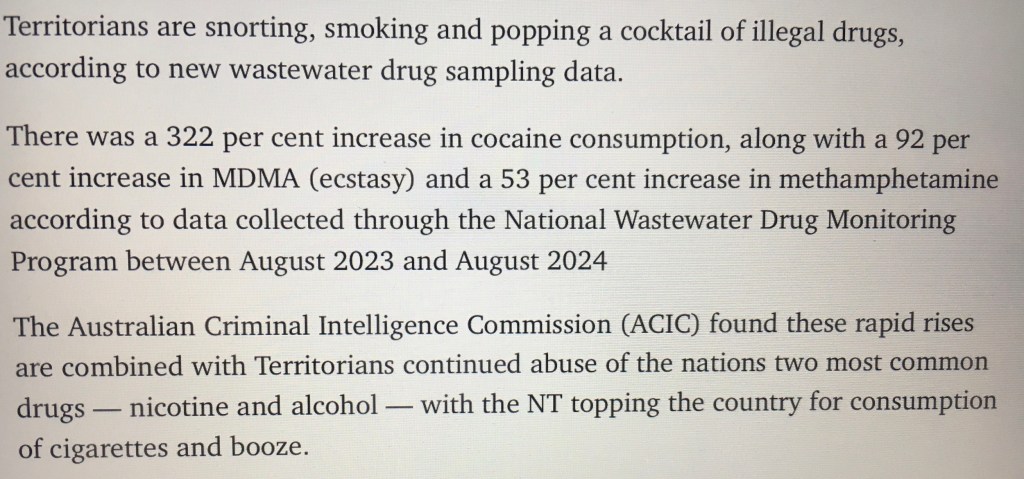
Then on page five was another story, both alarming and sad, in which Mr Fitzgerald shared evidence of Darwin being the “ … cocaine, ketamine, cannabis and alcohol capital”. Along with that, tobacco use by Territorians is the highest in Australia.
The Chair of Banyan House rehabilitation service, Dr Robert Parker, echoed the alarm this story should raise. He described alcohol as “ … the most problematic drug in the Territory … (and) one of the reasons we have such a high rate of violence and crime in the NT”.
These two columns left me wondering “where to from here for Darwin and the NT.”

The future of Albanese as Prime Minister
PM Albanese is starting to cook his goose regarding his continuance as Prime Minister. Suffice it to say, and in the not-too-distant future, he will be forced to relinquish the Prime Ministership to one or another of his front benchers. However, talent is somewhat limited by the strangulation of leftist policies.
Road use tax
In our part of the world, the state of roads is a testament to the fact that much more money is needed, not to extend roads but to maintain and upgrade what we have correctly. Increasingly, Darwin, Palmerston, and rural areas have roads nearby. Bumps and pothole patches are so numerous that they are like the pattern of endless patches Lena stitched onto Yarcob’s britches.
We are blessed to have many thoughtful and vibrant people standing for the local government election. However, voters will be hard-pressed because candidates of equal calibre will miss out no matter who they vote for.
A medal of valour for our PM
There is a possibility and a very high level of probability that the Palestinian leader will present our Prime Minister with a Medal of Valour for his declared position on Palestine’s future. He may be invited to Jerusalem to receive this honour with acclaim from the West Bank populace.
Victoria – no way!
For my life, and as a careful follower of news, I cannot think of ONE decision or position the government with Jacinta Allen as premier has taken that has positive outcomes for the people of Victoria. She is continuing the leadership practices of her predecessor, Daniel Andrews. Victoria is a state in ruin and is bankrupt to the extreme. I’d suggest the Victorian Government be put under Commonwealth administration—except that the Albanese Government is no better.
Trump and Putin meet in Alaska
Will this meeting yield any positives, or will the ‘same old, same old’ continue as it has since 24 February 2022 – 1271 days ago?
Albanese and his decisions
Anthony Albanese is doing what he says he is doing for Australia. I think he is doing what he is doing for himself. Invoking ‘Australia’ behind his actions is just a ploy to legitimise what he decides. 27
Mobile phones
My days as a school principal ended in retirement in January 2012. Then, mobile phones were more or less ‘newly emerging’ and students were far less gripped by the addiction of constant usage that is now the case. But there were still issues, without any debate at my school. Mobile phones were banned – as simple and as effective as that! Since then, with the proliferation of phones and their sad consequences, school administrators’ and educational systems’ hesitation to ban them has led to countless societal problems and issues. Mobile phones were declared essential educational tools in the NT at one stage. Fortunately and finally, bans and restrictions came into place, generally at a school level. However, despite ‘no phones’ policies, many schools still have significant issues due to the policy’s non-enforcement. For educational systems and administrators, the problem is easily fixed. There is a rule – then enforce it! End of story.
Paul Keating and Victoria
Once upon a time, when Paul Keating overflew the NT, he declared this place to be ‘the arse end of the country’ or similar. He could offer the same epithet these days by overflying Victoria in a southbound direction. What he said then was not entirely true, but it would be now if it were related to Victoria.
The Anchorage Meeting
Putin’s supremacy in dialogue and viewpoint insistence is paramount. The Anchorage showdown was like an episode of “The Master and the Apprentice” or ” The Maestro and the Novice.” 30
.
.
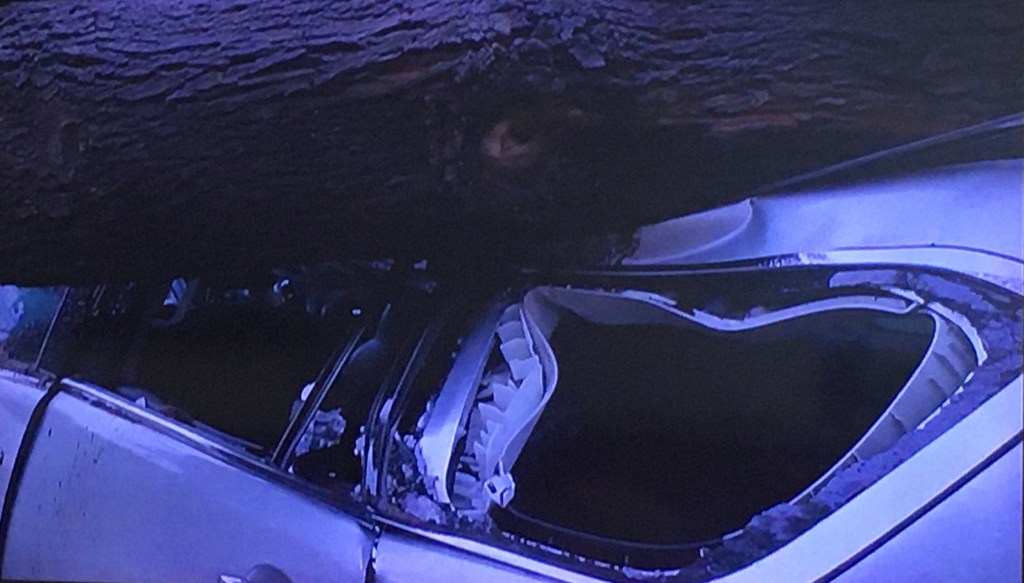
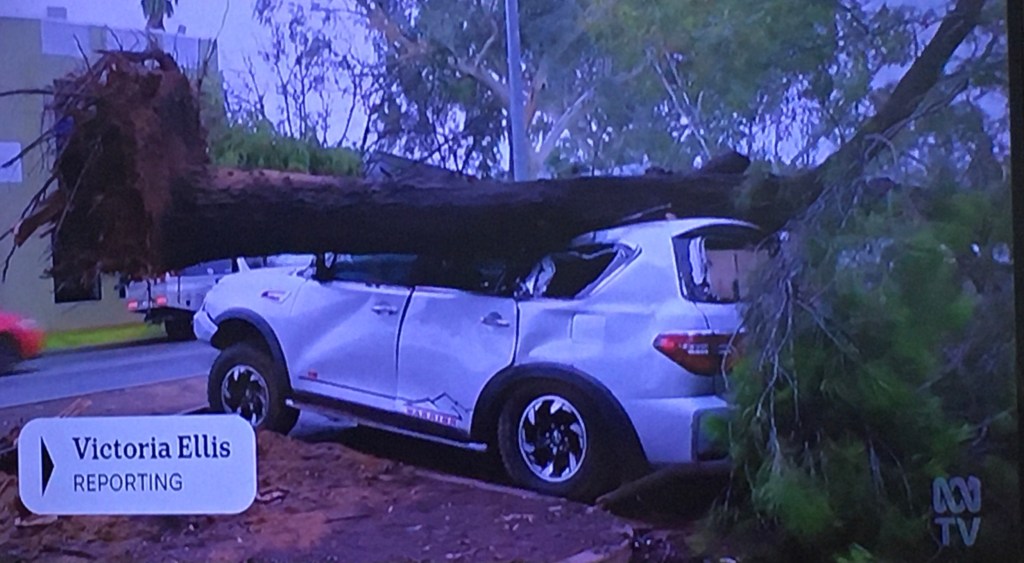
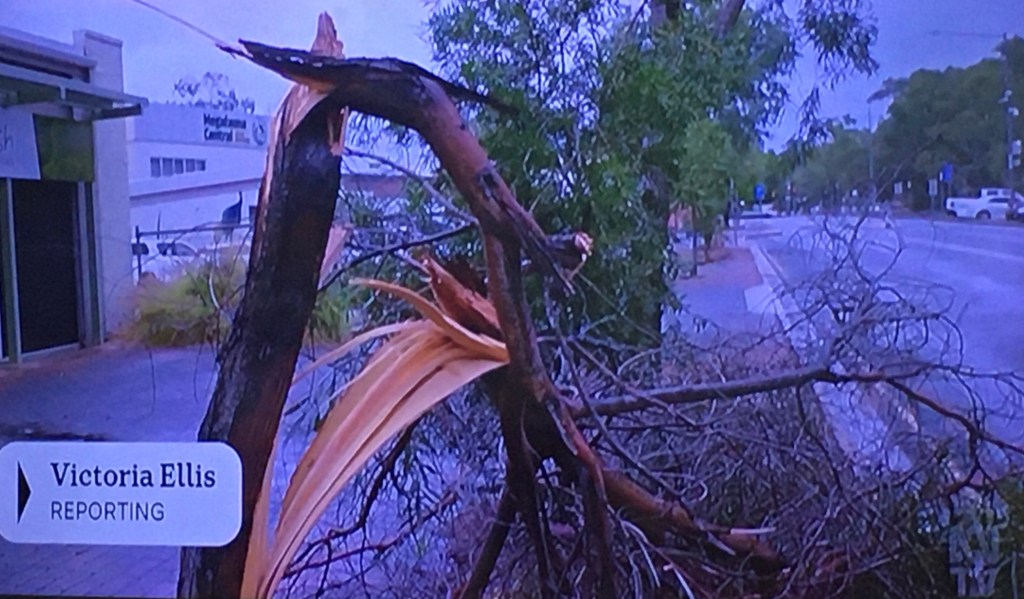
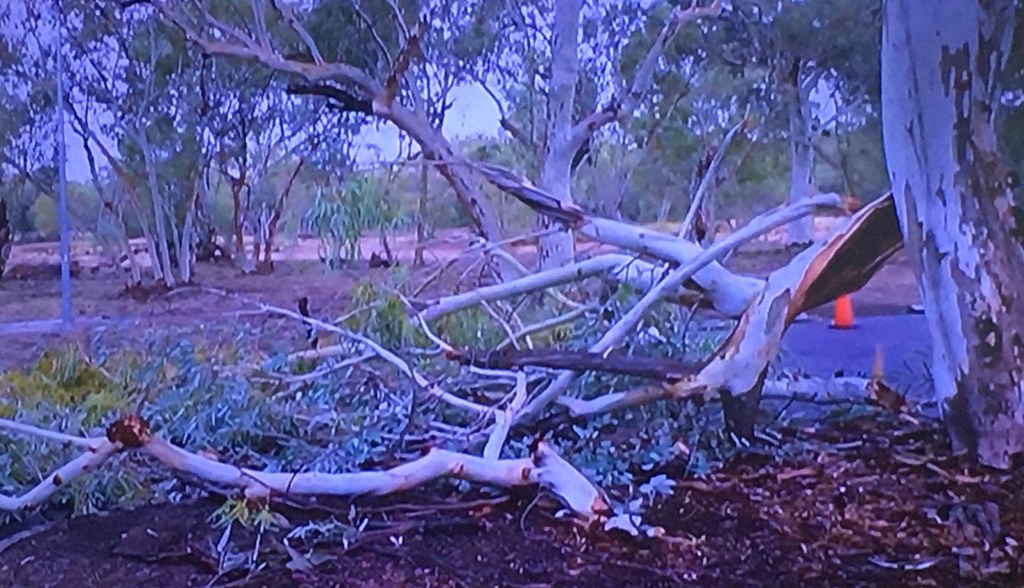
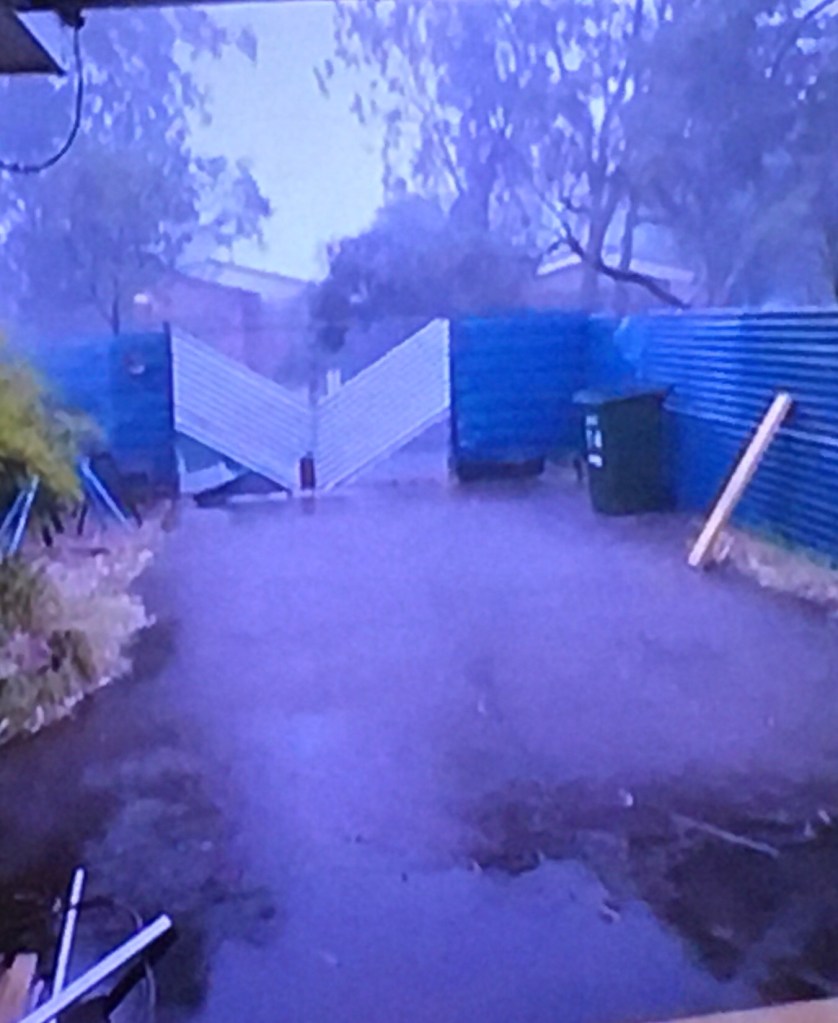
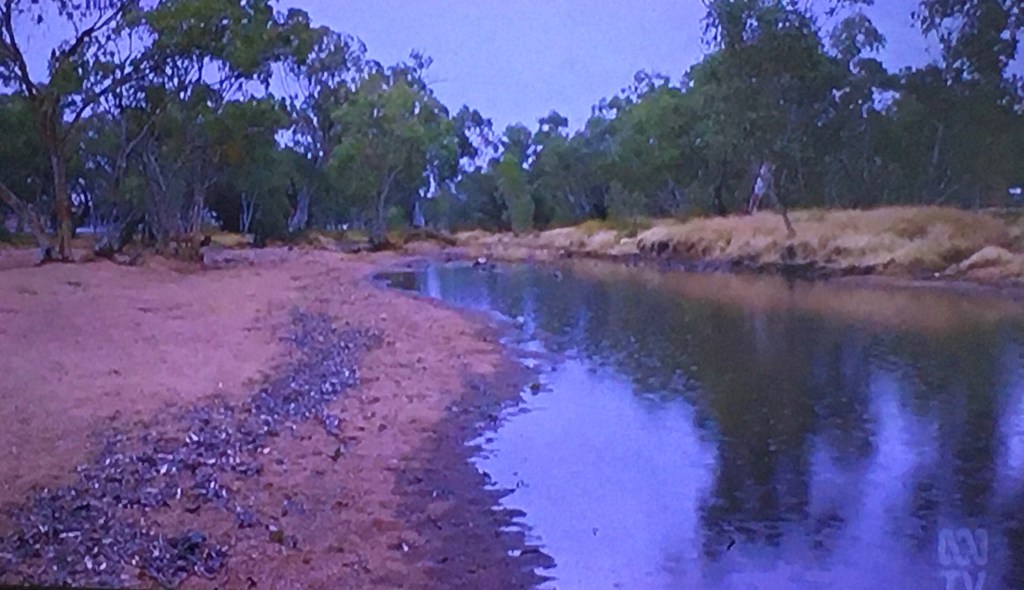
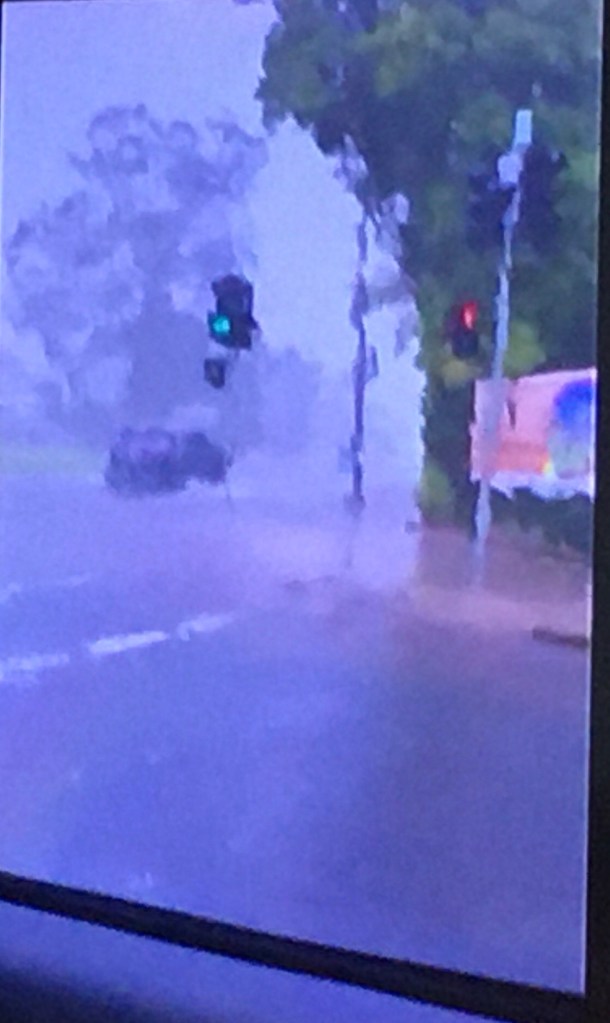
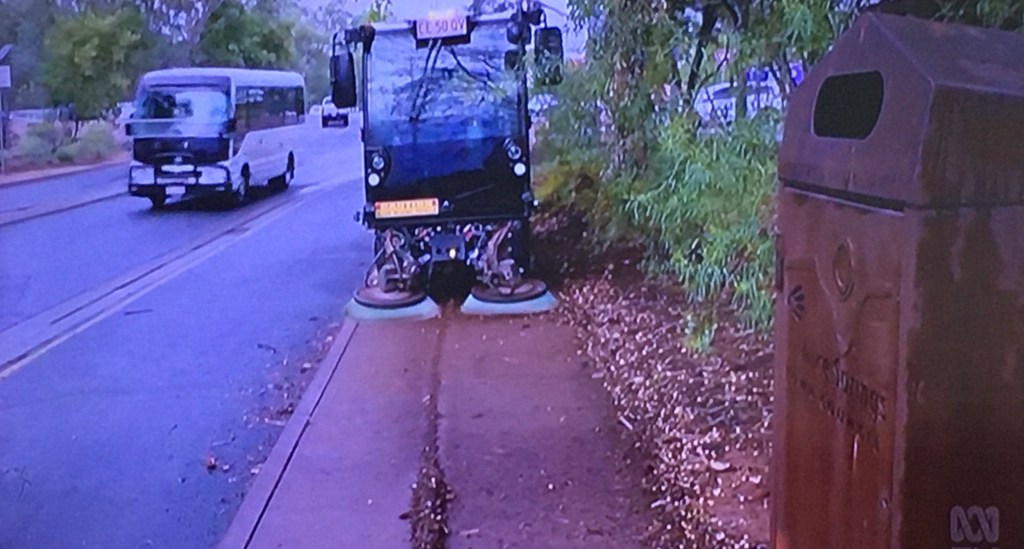
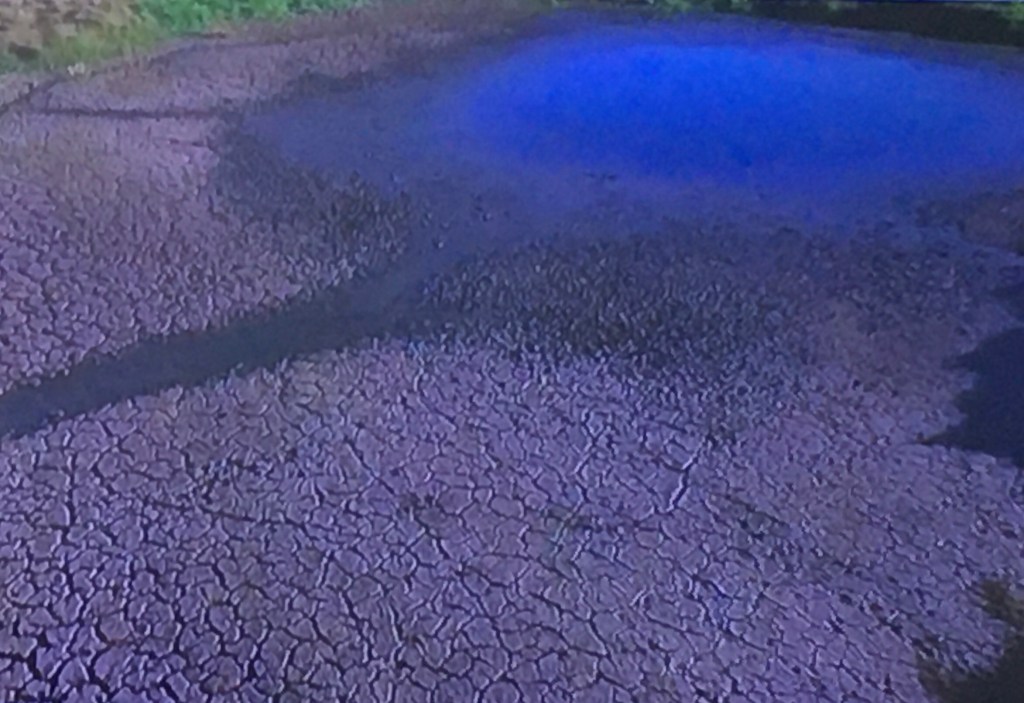
Suddenly and with little warning came heavy rain and strong winds to the Red Centre mid afternoon on September 8 2025.
Water pooled in the Todd River but it did not run.


Is there an endpoint to intergenerational trauma? Is someone born in 2025, close to 250 years after settlement of non-Aboriginal people in Australia, suffer from trauma for changes in the cultural structure of the landscape all that time ago?
Response:
The question of whether there is an endpoint to intergenerational trauma is complex and involves multiple factors, particularly in the context of specific historical and cultural backgrounds, such as that of Indigenous Australians. Here are some considerations regarding the potential for healing and the impact on future generations:
While intergenerational trauma presents significant challenges, it also opens avenues for healing and resilience. The experience of those born in the future will depend on how society acknowledges and addresses historical injustices, creates supportive environments, and fosters cultural revitalization. The goal is to cultivate a future where descendants can thrive without the burdens of past traumas.
Is it still all for real?
Response:
Intergenerational trauma refers to the transmission of the effects of trauma from one generation to another. This concept suggests that the psychological, emotional, and even physical effects of trauma experienced by individuals can influence their descendants, often manifesting in various ways. Here are some key points:
Intergenerational trauma underscores the importance of recognizing the long-lasting effects of trauma and the need for compassionate approaches to healing that consider the historical and familial contexts of trauma experiences.
Does it last forever and evermore?
11 – 20 comments
Indeterminate Prime Minister
Our PM seems to do a lot of huffing and puffing about key world issues, but is not stamping himself with any authority in matters of substance. Is it a case of having two bob each way?
On being retired
I retired from full-time educational participation in January 2012. I have enjoyed the intervening years since then. I like being retired. It is not deadly dull and boring. I reflect a lot, write a lot, talk a lot, sing a lot, laugh a lot, and create poetry that is everything from nonsensical to severe. I also observe, with my mouth agape, how people who are leaders today do NOT. I like to consider history, which may assist in their decision-making. They love making the same mistakes that have been made in the past. I enjoy the lead-up to elections and like pondering the future, which seems more to be heading south than north. Where to from here – further into retirement until the end of my time on earth.
The depth of Mr Burke
It is tough for me to ever accept what Minister Burke says on the subject of Palestine and HAMAS. They are not separate entities but are bound together. I remember how willing Mr Burke was to offer parliamentary responsibilities on the issue to satisfy voters in his electorate before May this year. Depth in every personality is essential. For with depth there is substance. Superficial statements are but a veneer.
Australia’s compass is failing
I am very worried about Australia’s future. Metaphorically, I feel we have moved from a country whose people were on a smooth and well-maintained road to one that is full of uncertainties, corrugations, and potholes.
Prime Minister Utterances
Sometimes, when hearing and trying to digest some of our Prime Minister’s positions through his actions and utterances, I cannot help but remember the cartoon strip about Popeye the Sailor Man and his tins of spinach.
Tread with caution, Mr Prime Minister
In the eyes of Donald Trump, Mr Albanese needs to be careful not to blow his credibility. He is walking a fine line in piloting Australia into an uncharted future with dangerous possibilities to unleash on our island-continent.
Four-day working week
It seems that employees—or at least their unions, in which some have membership—want more and more from workers, with them doing less and less. This is turning into a no-win situation for business and possibly industry. For many companies, robotic performance and AI will become standard alternatives to live people at work—and that in the not-too-distant future.
Dr Chalmers Round Table
I am envisaging this summit. It will involve key people—very important people in their respective fields of endeavour—walking, talking, sitting, and thinking about what will work for Australia. They will get 10/10 – A+ for their earnestness and their endeavours. 18
Darwin is on the cutting edge of potential conflict
In defence terms, Australia is on a hiding to nothing. With the dawn of every new day here in Darwin, a city in the most vulnerable of positions, should conflict eventuate, I wondered how long it would be before Australia is confronted by aggressive overseas adversaries.
Putin always bests Trump
I doubt the Trump-Putin meeting will be more than pie-in-the-sky hot air posturing. Putin has Trump’s measure and is the only leader in the world who can best and outlast him. 20


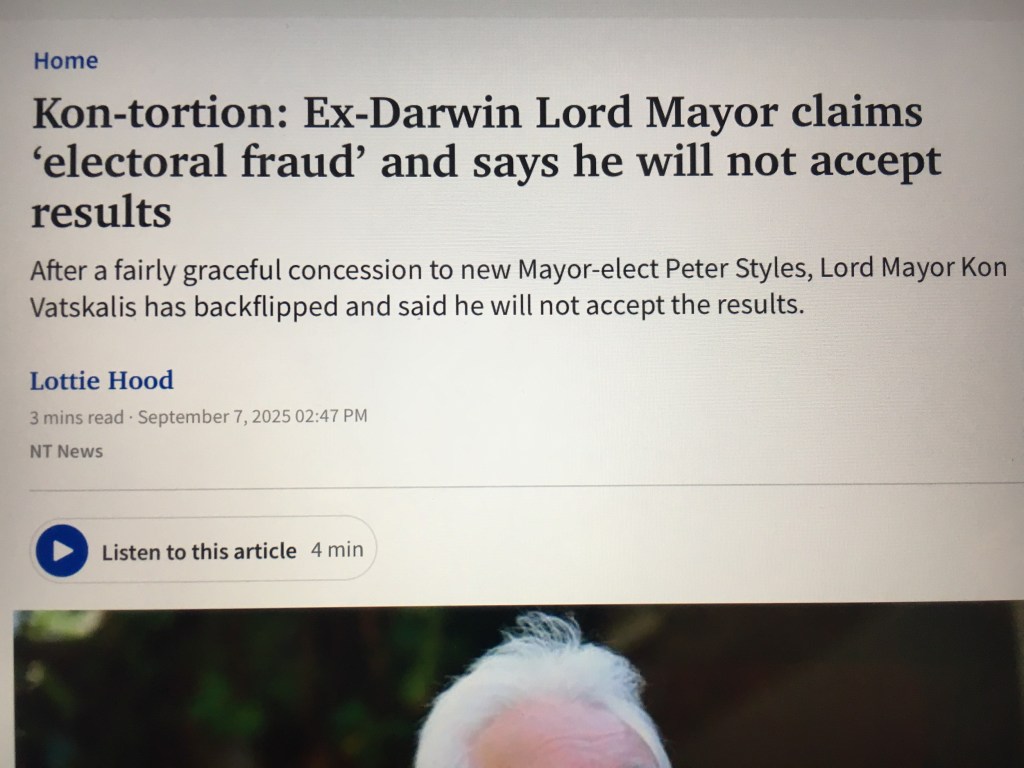

Where to from here?

Donald Trump’s press secretary
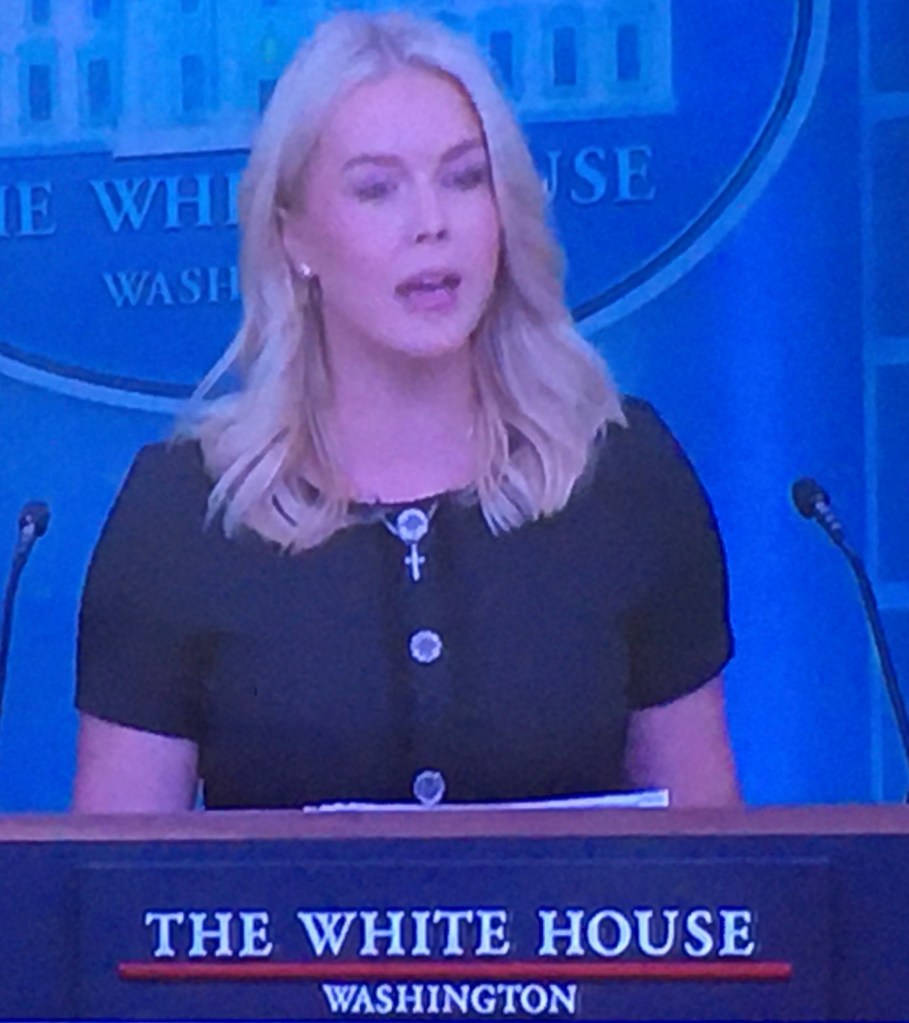
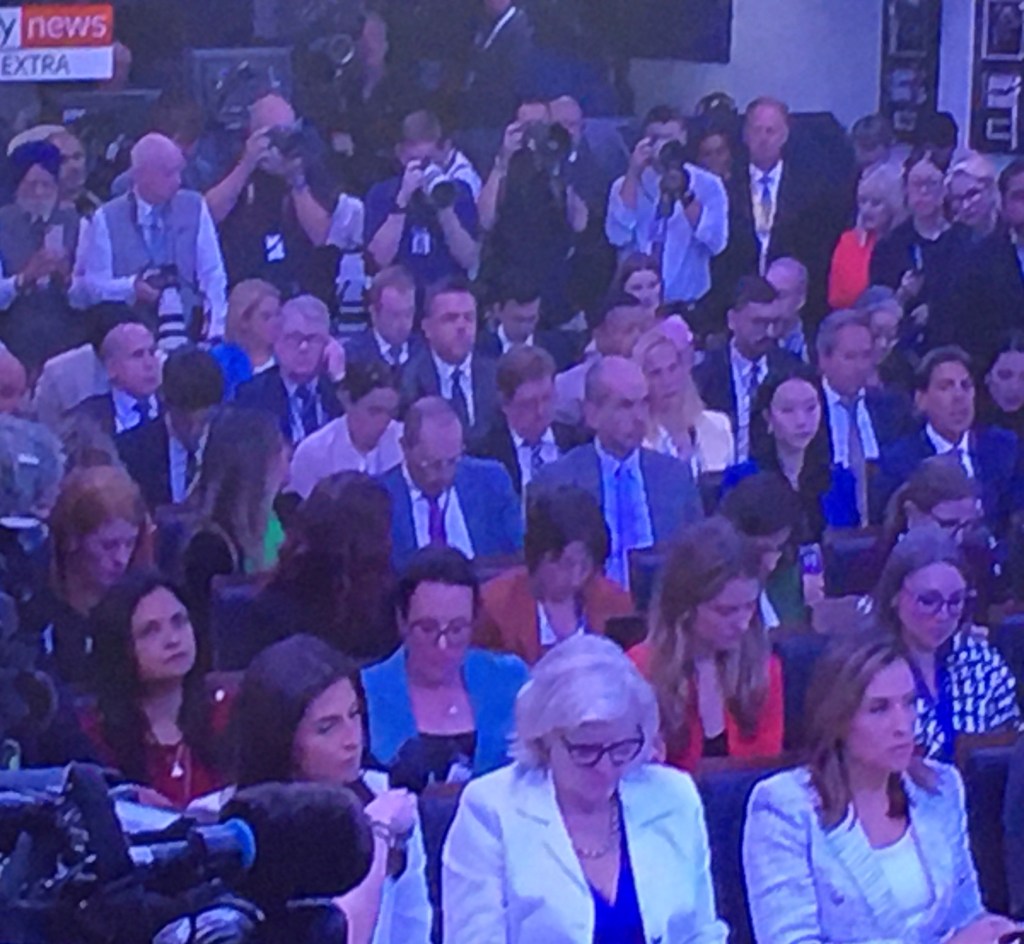

So well organised and conducted with decorum. A model that could be emulated in Australia.
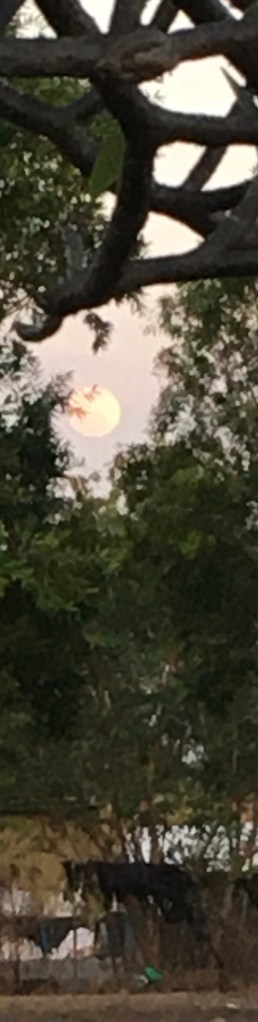

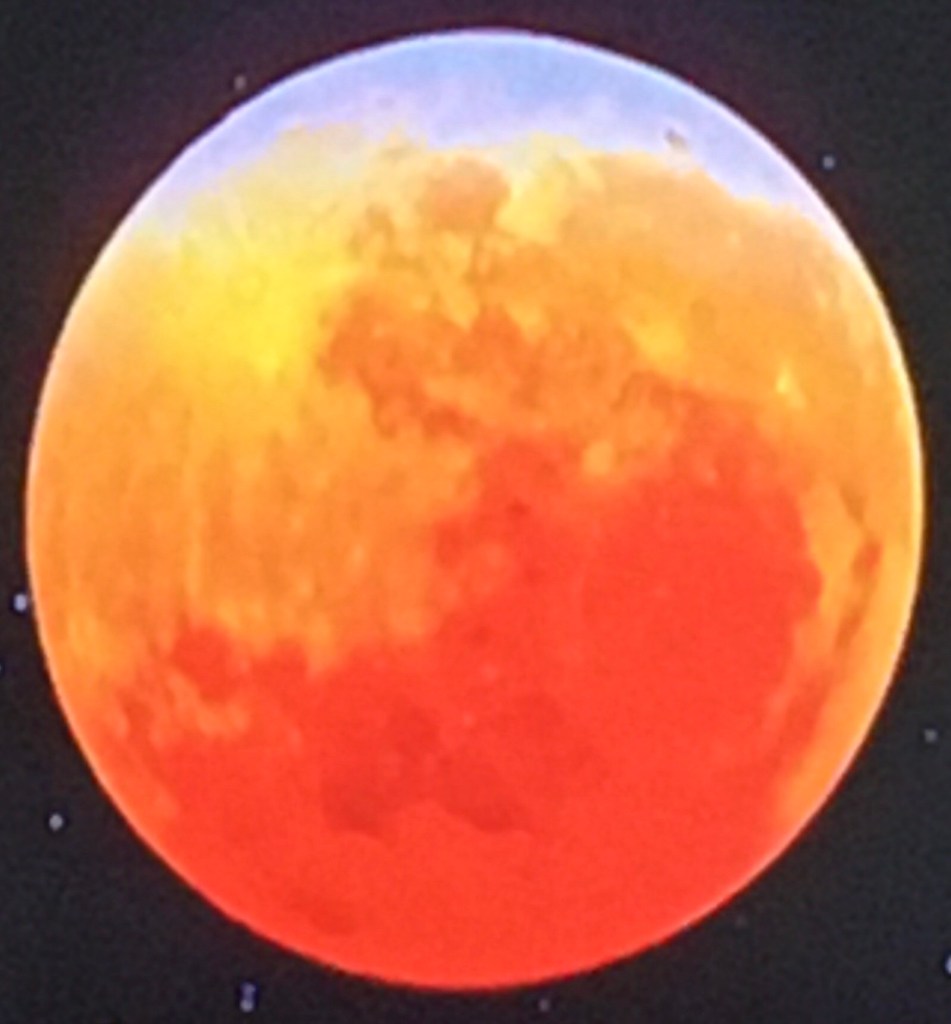
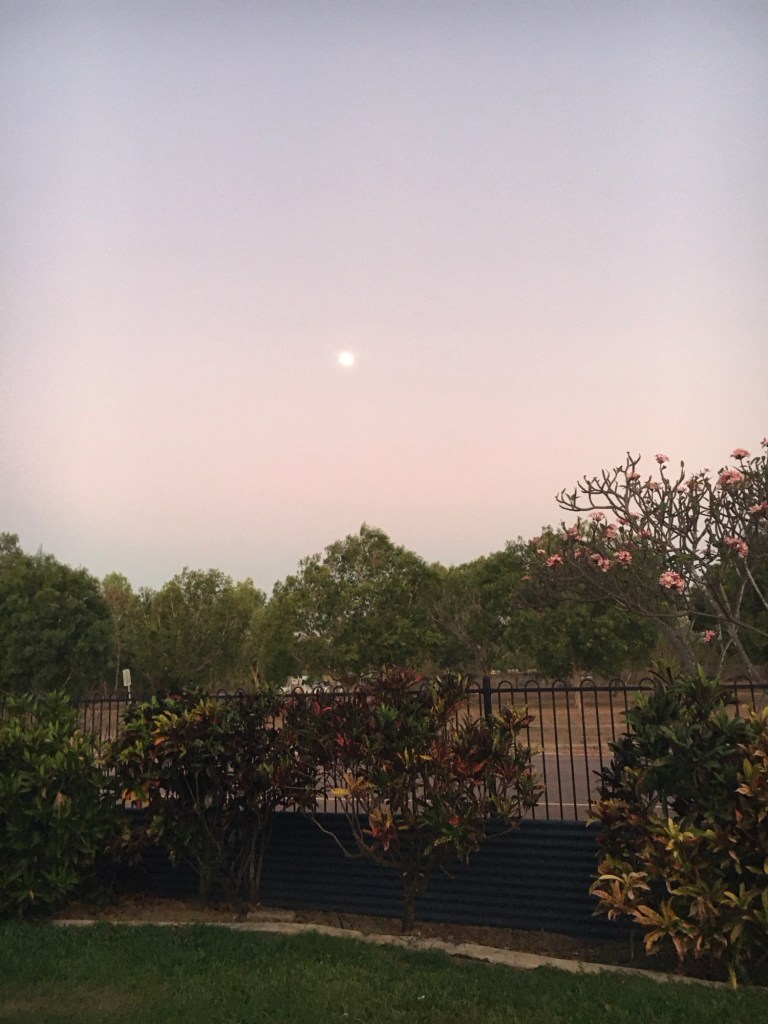
8 September 2025 — Total Lunar Eclipse — Darwin, NT, Australia Time Weather Time Zone DST Sun & Moon
Today Sunrise & Sunset Moonrise & Moonset Moon Phases Eclipses Night Sky
8 Sep 2025 at 3:41 am
Max View in Darwin, Northern Territory
Global Event:
Total Lunar Eclipse
Local Type:
Total Lunar Eclipse in Darwin, Northern Territory
Begins:
Mon, 8 Sep 2025 at 12:58 am
Maximum:
Mon, 8 Sep 2025 at 3:41 am 1.362 Magnitude
Ends:
Mon, 8 Sep 2025 at 6:25 am
Duration:
5 hours, 27 minutes
All times shown on this page are local time.
Many will be up early to watch
Tell me about Henry Gray at Warburton Ranges school as a teacher in 1970 then as headmaster from 1974 to April 1975. How was he regarded and remembered?
Response:
Henry Gray served as a teacher at Warburton Ranges school in 1970 and later became the headmaster from 1974 to April 1975. Here’s an overview of his time there and how he was regarded.
These resources provide deeper insights into Gray’s experiences and contributions to the field of education, especially in remote regions.
If you asked AI about yourself, what would it say about you?

To AI
Tell me about Graylands Teachers college in Perth WA in 1969.
Response:
Graylands Teachers College, established in 1955, was a prominent institution for primary teacher education located in Mount Claremont, Perth, Western Australia. By 1969, the college had developed a distinct identity as a key provider of teacher training during a period of significant educational evolution in Australia.
For further information, you can check the Wikipedia entry on Graylands Teachers College or explore reunion-related content that reflects on the experiences of its former students from 1969.
Yes – we were taught to teach. In that era was proper training – that no longer takes place.
What happens to tattoos when people with them start to have sagging and wrinkled skin?
Response:
As people age and their skin begins to sag and wrinkle, the appearance of tattoos can change significantly. Here’s how:
In general, tattoos can age along with the skin, leading to a different visual appearance that may require touch-ups or adjustments over time.
Let the buyer beware!
Do people insure their tattoos?
Response:
Yes, some people do choose to insure their tattoos. Tattoo insurance is not very common, but it can provide coverage for damage, loss, or other issues related to a tattoo. Here are some key points about tattoo insurance:
If you’re considering tattoo insurance, it’s essential to research providers and understand the terms of the policy.


What is the strangest place in which a person has ever sung.
Response:
The strangest places where people have sung can vary widely based on personal experiences, but here are some notable examples:
These examples showcase the creativity and adventurous spirit of performers seeking unique experiences!
I sing in the toilet
Do tattoos add value to human bodies?
Response:
The value of tattoos on human bodies can be subjective and depends on various personal, cultural, and societal factors. Here are some perspectives:
Ultimately, whether tattoos add value to a person’s body is a matter of personal opinion. For some, they are a source of pride and identity, while for others, they may hold less significance.
Six of one and half a dozen of the other.

This piece was published in the ‘NT Sun’ on August 21, 2018.
(This was the 250th column I have written and had published in the NT Sun.)
“FEES” … A DIRTY WORD
Use of the word ‘fees’ when requesting monetary support for government schools from parents or primary caregivers, was outlawed over a decade ago. Until that time schools, when requesting extra support to assist in covering costs for educational extras, did not have to be so careful when wording this request.
This change was necessary because of the connotations linked to ‘the word’. Asking for a fee was seen as a compulsory demand. Public education was promoted as being free, so using ‘the word’ when requesting extra monetary support was not appropriate. At the time, both the government and the education department went to great lengths to ensure schools did not make any reference to fees. This was so off-putting and of such concern to some school leaders, that money contributed to support programs, was refunded to parents.
The issue was eventually clarified with the following statement under ‘Fees and contributions’ on the Education Department website. “Tuition for the standard curriculum program is provided free to all students in government schools.
There are three areas where you may be requested to make a contribution:
Educational items
Optional extra items
Voluntary contributions.”
A further statement clarifies the issue of voluntary contributions. “You may be asked to make a financial contribution or donation to your child’s school for a specific purpose. You are not obliged to contribute.” (Bolding mine)
The department and schools considered the embarrassment when inability to pay arose. “If you are unable to contribute to optional extra items because of financial hardship you should arrange a confidential talk with the school principal. Confidentiality, privacy and dignity will always be maintained.”
The NT Government’s Back to School Payment Scheme of $150 per child each year, helps with defraying some of the costs parents face. In particular, the vouchers can be be used to offset the cost of book packs and school uniforms.
There has always been some angst about educational costs.
Populist thinking is that in government schools, everything should be provided, with education being totally free for parents. Without parental contributions, many of the extra programs that add to extending educational opportunity would not happen.
Explaining how voluntary contributions will be used and what extras they will provide always helps. Some schools produce an information statement for parents, explaining how contributions will support these extra programs.
This helps counter misunderstandings about the way donated money is used. Without doubt, the provision of quality education is enhanced by these contributions
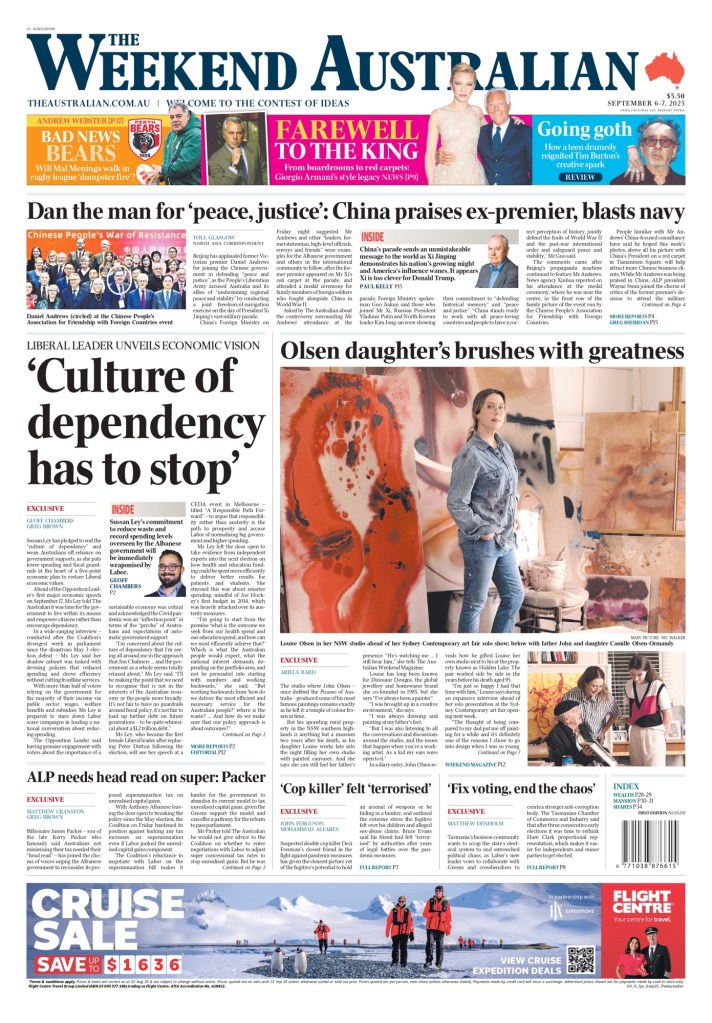
Indeterminate Prime Minister
Our PM seems to do a lot of huffing and puffing about key world issues, but is not stamping himself with any authority in matters of substance. Is it a case of having two bob each way?
On being retired
I retired from full-time educational participation in January 2012. I have enjoyed the intervening years since then. I like being retired. It is not deadly dull and boring. I reflect a lot, write a lot, talk a lot, sing a lot, laugh a lot, and create poetry that is everything from nonsensical to severe. I also observe, with my mouth agape, how people who are leaders today do NOT. I like to consider history, which may assist in their decision-making. They love making the same mistakes that have been made in the past. I enjoy the lead-up to elections and like pondering the future, which seems more to be heading south than north. Where to from here – further into retirement until the end of my time on earth.
The depth of Mr Burke
It is tough for me to ever accept what Minister Burke says on the subject of Palestine and HAMAS. They are not separate entities but are bound together. I remember how willing Mr Burke was to offer parliamentary responsibilities on the issue to satisfy voters in his electorate before May this year. Depth in every personality is essential. For with depth there is substance. Superficial statements are but a veneer.
Australia’s compass is failing
I am very worried about Australia’s future. Metaphorically, I feel we have moved from a country whose people were on a smooth and well-maintained road to one that is full of uncertainties, corrugations, and potholes.
Prime Minister Utterances
Sometimes, when hearing and trying to digest some of our Prime Minister’s positions through his actions and utterances, I cannot help but remember the cartoon strip about Popeye the Sailor Man and his tins of spinach.
Tread with caution, Mr Prime Minister
In the eyes of Donald Trump, Mr Albanese needs to be careful not to blow his credibility. He is walking a fine line in piloting Australia into an uncharted future with dangerous possibilities to unleash on our island-continent.
Four-day working week
It seems that employees—or at least their unions, in which some have membership—want more and more from workers, with them doing less and less. This is turning into a no-win situation for business and possibly industry. For many companies, robotic performance and AI will become standard alternatives to live people at work—and that in the not-too-distant future.
Dr Chalmers Round Table
I am envisaging this summit. It will involve key people—very important people in their respective fields of endeavour—walking, talking, sitting, and thinking about what will work for Australia. They will get 10/10 – A+ for their earnestness and their endeavours. 18
Darwin is on the cutting edge of potential conflict
In defence terms, Australia is on a hiding to nothing. With the dawn of every new day here in Darwin, a city in the most vulnerable of positions, should conflict eventuate, I wondered how long it would be before Australia is confronted by aggressive overseas adversaries.
Putin always bests Trump
I doubt the Trump-Putin meeting will be more than pie-in-the-sky hot air posturing. Putin has Trump’s measure and is the only leader in the world who can best and outlast him. 20
The future of Albanese as Prime Minister
PM Albanese is starting to cook his goose regarding his continuance as Prime Minister. Suffice it to say, and in the not-too-distant future, he will be forced to relinquish the Prime Ministership to one or another of his front benchers. However, talent is somewhat limited by the strangulation of leftist policies.
Road use tax
In our part of the world, the state of roads is a testament to the fact that much more money is needed, not to extend roads but to maintain and upgrade what we have correctly. Increasingly, Darwin, Palmerston, and rural areas have roads nearby. Bumps and pothole patches are so numerous that they are like the pattern of endless patches Lena stitched onto Yarcob’s britches.
We are blessed to have many thoughtful and vibrant people standing for the local government election. However, voters will be hard-pressed because candidates of equal calibre will miss out no matter who they vote for.
A medal of valour for our PM
There is a possibility and a very high level of probability that the Palestinian leader will present our Prime Minister with a Medal of Valour for his declared position on Palestine’s future. He may be invited to Jerusalem to receive this honour with acclaim from the West Bank populace.
Victoria – no way!
For my life, and as a careful follower of news, I cannot think of ONE decision or position the government with Jacinta Allen as premier has taken that has positive outcomes for the people of Victoria. She is continuing the leadership practices of her predecessor, Daniel Andrews. Victoria is a state in ruin and is bankrupt to the extreme. I’d suggest the Victorian Government be put under Commonwealth administration—except that the Albanese Government is no better.
Trump and Putin meet in Alaska
Will this meeting yield any positives, or will the ‘same old, same old’ continue as it has since 24 February 2022 – 1271 days ago?
Albanese and his decisions
Anthony Albanese is doing what he says he is doing for Australia. I think he is doing what he is doing for himself. Invoking ‘Australia’ behind his actions is just a ploy to legitimise what he decides. 27
Mobile phones
My days as a school principal ended in retirement in January 2012. Then, mobile phones were more or less ‘newly emerging’ and students were far less gripped by the addiction of constant usage that is now the case. But there were still issues, without any debate at my school. Mobile phones were banned – as simple and as effective as that! Since then, with the proliferation of phones and their sad consequences, school administrators’ and educational systems’ hesitation to ban them has led to countless societal problems and issues. Mobile phones were declared essential educational tools in the NT at one stage. Fortunately and finally, bans and restrictions came into place, generally at a school level. However, despite ‘no phones’ policies, many schools still have significant issues due to the policy’s non-enforcement. For educational systems and administrators, the problem is easily fixed. There is a rule – then enforce it! End of story.
Paul Keating and Victoria
Once upon a time, when Paul Keating overflew the NT, he declared this place to be ‘the arse end of the country’ or similar. He could offer the same epithet these days by overflying Victoria in a southbound direction. What he said then was not entirely true, but it would be now if it were related to Victoria.
The Anchorage Meeting
Putin’s supremacy in dialogue and viewpoint insistence is paramount. The Anchorage showdown was like an episode of “The Master and the Apprentice” or ” The Maestro and the Novice.” 30
Perish the thought
The thought or suggestion that our PM would ever have a go at the RBA over interest levels is preposterous. Our PM accepts accountability – he does not deflect it onto others. He offered others bouquets of appreciation, never brickbats of negative appreciation.
Payback from Netanyahu
The responses from PM Netanyahu – not untrue in my opinion – are understandable, given the length of time and the frequency of retorts against Israel that our government has perpetrated. It is no wonder the Australian Jewish Community feels abandoned and alone.
Premier Chrisafulli to charge audience fees
What a load of garbage. Premier Chrisafulli, you have gone down 80% in my estimation. You are supposed to be a leader who is accessible to all. You are not a god, and this move on your part is the height of arrogance.
Child care all regulation and no fun
As a school principal, my first – and best – experience with children was in 1988/89. Our school had a general-purpose room. After school, the children gathered in that room for activities with the program leader and one or two other ladies. The program ran like clockwork; there were no worries, limited regulations, and there was lots of homework done, some excursions, physical and sporting activities, and arts and crafts. The program was so good. Come 1990, and the beginning of regulations. From then on, the program entered a different era – as was the case all around Australia. The goodness of childcare has eroded over time and will never again reflect the honest simplicity and the parental trust it once enjoyed.
Denying what happened – Australian Government Trait
Thank you for this insightful and well-researched paper. Can a copy please be sent to Anthony Albanese, Penny Wong, and Tony Burke? The three copies should be sent by registered mail, requiring the recipients to sign on delivery, so the awarenesses offered are not shrugged aside as irrelevant.
Leadership – master and apprentice
This story and its revelations confirm that Donald Trump is really nervous about deeply offending Vladimir Putin. Putin is the master of demonstrating leadership determination, and Trump is still on a learning curve.



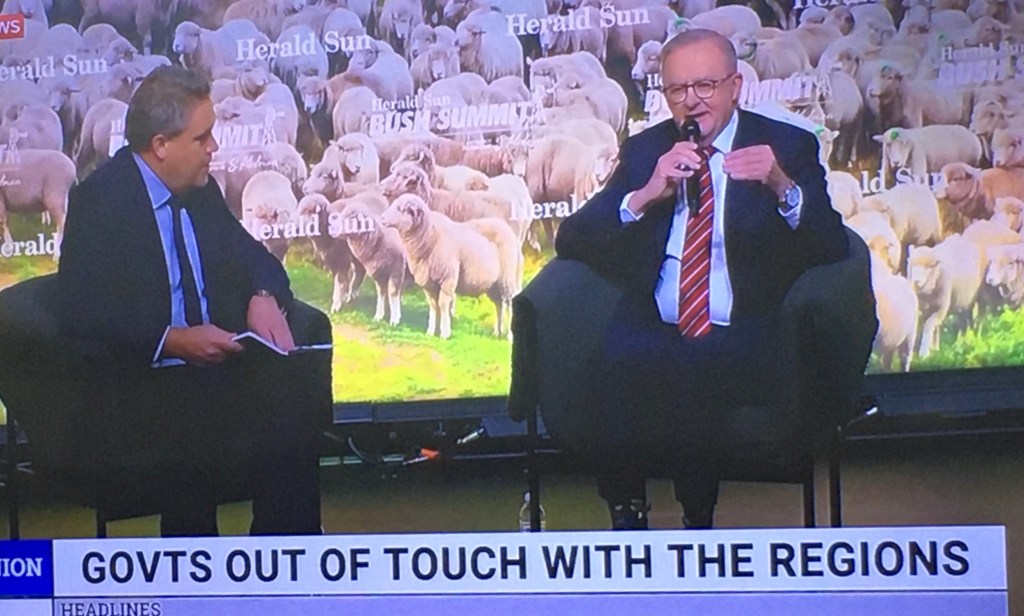
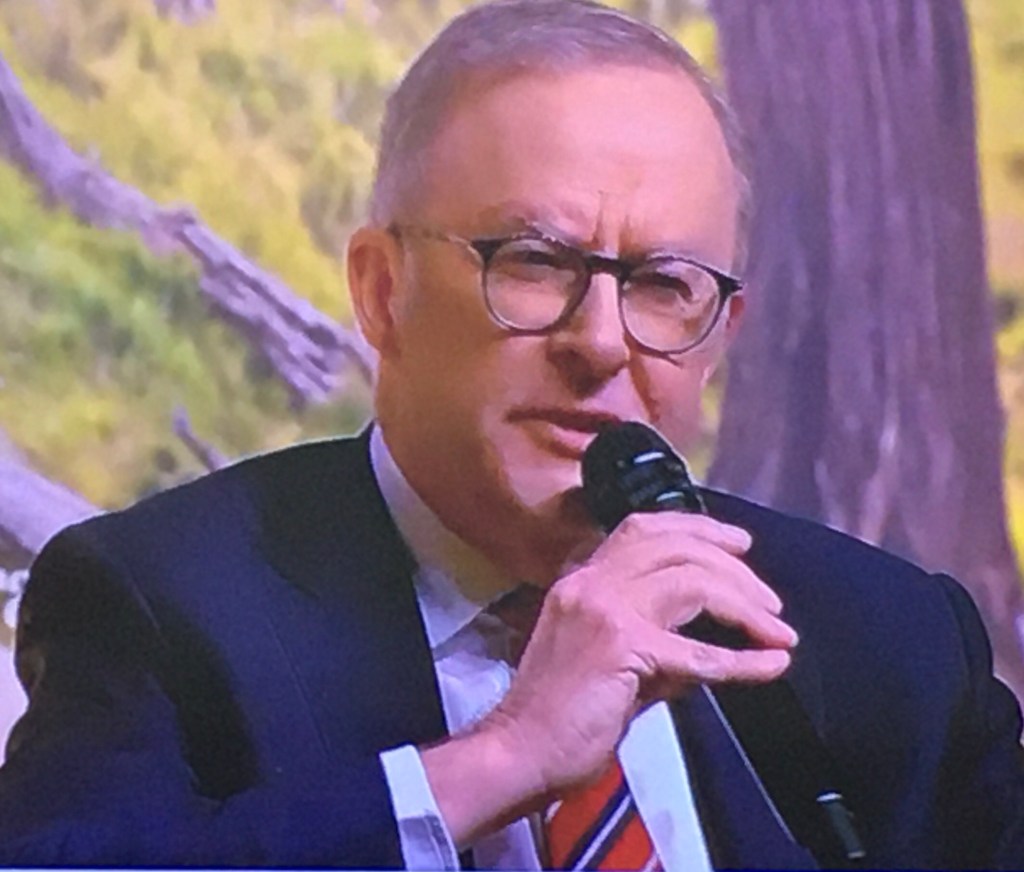

At the end, his car was chased out of town by a tractor brigade.

I.T.
I.T.,
Idealogue,
To you alter ego,
We sacrifice our souls.
BAAL
Of the modern era,
To you all things are beholden.
Servant,
Now master,
Bowing low in supplication,
We are putty in your hands.
Hydra
With seven heads,
Your resource appetite is enormous,
Knowing no bounds.
Barely satisfied,
By the dollars,
The tens of thousands of dollars,
Poured into your thirsty gap.
Venus Flytrap,
Your scent entices,
Your jaws snap shut,
You suck our vitality,
Eschew our energy,
Spitting our dry, skeletal remains.
Quickly forgotten,
We blow away on the winds of change,
While you seek,
Your next victim.
Praying Mantis,
Upon us you prey,
Grabbed!
Our heads serrated by your pincers,
You feast upon our brains,
Injecting numbing belief,
That YOU,
I.T.,
Are ALL that counts.
Prince of Modern Darkness,
You command attention,
We look upon you,
Falling like blind souls,
At your technological feet.
Stunned by your intensity,
We let all things,
Other than YOU,
Slip from peripheral vision,
Plunging,
All considerations BUT I.T.,
Into never-ending darkness.
I.T.,
You are a drug,
Seared into our psyche.
You are an aphrodisiac,
A demigod,
Exciting our desire,
Driving us to worship at your altar,
NOTHING else matters.
Pied Piper,
You have lead your rats to the brink.
Stand smilingly aside,
Witness from your screens,
As we sink,
Further and further,
Into a hopeless abyss,
Of eternal servitude,
From which,
We will NEVER emerge.
POH
_____________
Does all out immigration adding to the population of a country help the economy?
Response:
The impact of immigration on a country’s economy is a complex topic and can vary based on multiple factors. Here are some key points to consider:
Ultimately, the economic effects of immigration depend on factors such as the specific characteristics of the immigrants (skills, education), the existing economic conditions of the host country, and how policies are structured to manage and integrate immigrants. Comprehensive studies often suggest that while immigration can provide significant economic benefits, careful management and policies are required to address the challenges that may arise.
It is a question of balance and Australia is tipping the balance heavily into the negative area of migration.
Are you holding a grudge? About?
GRUDGE TIME
I try hard to live and let live and try very hard to avoid feeling grudges or dumping on people because of some situation that has occurred or because of some wrong I feel has been done to me.
In terms of personal relationships with others, I try very hard to play along the lines of forgiveness or not responding in a tit-for-tat way if I’ve been wronged.
But in a more overarching sense, I do hold a grudge and it’s permanent because the source of the grudge never goes away. I hold a grudge against government at the local, Territory/state and Australian levels. It’s because of the selfishness of so many politicians who put themselves before others and don’t appear to give a fig about their constituents. It’s also a grudge fuelled by the fact that governments are quite prepared to waste, waste and waste money from Treasury funds to which we are all contributing through taxes.
It often seems to me that the government is intent on taking from people by way of taxation and giving to those who don’t deserve the support that they’re offered. The welfare industry is so alive and well in Australia that it’s mind-boggling.
So much money is wasted (with obvious attempts to justification) by politicians and high-level public servants who travel and seem to be exiting the area and often Australia to go to any tinpot conference it’s on offer. The amount of money that is spent on travel is absolutely astronomic. It’s always official of course and there’s no contribution by politicians to their costs.
One of the amazing things for me is the amount of contrivance that goes on, in order to justify extra dipping of hands into the public purse by those who are so richly rewarded by way of salary, entitlements and everything else.
Yes there are a few politicians who put themselves second to others and there are some who are generous with their own personal money in support of others.
But for every one of these there are 99 who go the way that causes me the grudges I hold.
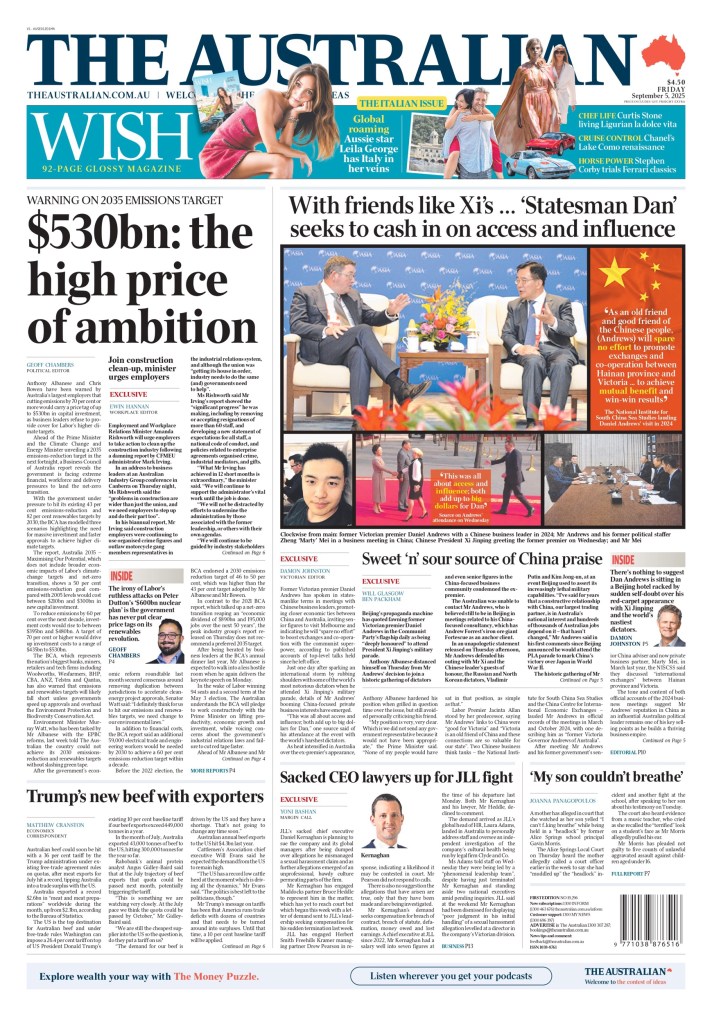





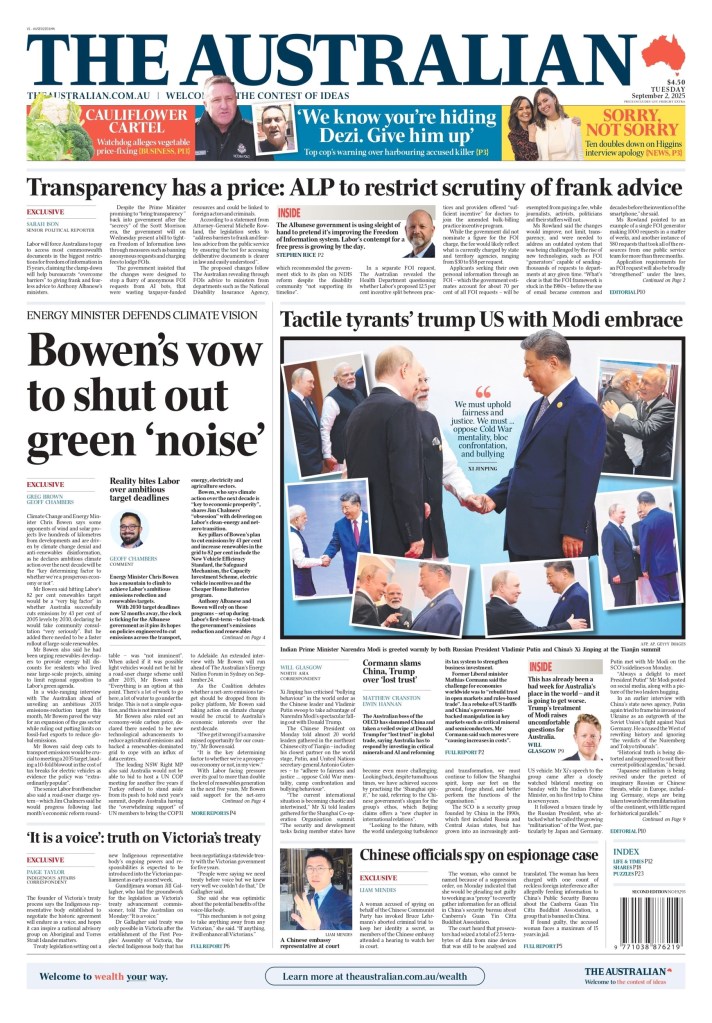
In the headlines indeed.
Cartoonists: Mark Knight, Brent Warren, John Spooner

Pic. The Australian

Pic. The Australian 4/9/2025
Share a story about the furthest you’ve ever traveled from home.
Over the years, our family has travelled quite widely. In terms of overseas destinations, that started in 1975, with our last trip north of the equator happening in 1996.
It was during this trip that I was able to golf three of the things I most wanted to do – Based I suppose on some sort of idiotic aspiration.
At the age of 50 (1996), I wanted to:
Slide down a banister attached to a set of steps in Harrods in London.
Witness a sunset in July from that point of land most eastern/northeastern from John O Groats in Scotland. That would be “lands end” at the other end of the United Kingdom.
They were my three wishes.
Go as far out as I could onto the land attached to the western/southernmost point of Lands End in Cornwall.
I did the banister slide. It was from the ground floor down into the eatery or cafeteria at Harrods.
I climbed out over the safety barrier at Lands End and nervously took myself as far out beyond that fence as I could without falling into the water, where any misstep would have meant falling and being battered to pieces on the rocks by water in a turbulent ocean.
Above all, I observed and experienced and was drawn it by that perfect sunset from the easternmost point of the top-end of Scotland out beyond John O Groats, a little town I found quite fascinating.
And it was travel to that point in time that took me to the furthest point in distance away from where I live in Australia. It remains the furthest point of travel home to this day.

Closing the Sydney Harbour Bridge for a Protest
What an outrage and what a judicial blunder – in my opinion – in interpreting the rights of protesters to hold sway over the greater good.
Chalmers wanting people to have more babies
This is a load of c..p as an idea. Have kids for money and then poke them into government-funded childcare, and from then on, rely on schools and care programs to bring them up. They will quickly add to the hordes of children in Australia who are unwanted and unloved. Stick to your parliamentary role, Dr Chalmers, and don’t repeat this arrant nonsense.
The Sydney Harbour Bridge protest
What an outrage and what a judicial blunder – in my opinion – in interpreting the rights of protesters to hold sway over the greater good
Government
The Federal Government’s machinations remind me of the mayhem that clowns create in the circus ring. However, the clown’s chaos is organised.
Australia’s oneness and unity
Our political leaders insist that Australia is a racially united and harmonious country where we all live peacefully, with a shared vision, empathy, and understanding. That was once true.
Government Priorities
It seems that on issues of critical world importance—from HAMAS to China, to AUKUS, to our defence systems, to the matters of deteriorating social and cultural harmony within Australia—the Government is like an ostrich burying its head in the sand to try and escape undertaking action based on reality.
Sussan Ley and Leadership
Opposition Leader Ley is still finding her way into party leadership. However, there needs to be more decisiveness and confidence in what she says and her message delivery method. She is not a nasty or vinegary person, and that is good. However, affirmation and confidence in her manner are essential if her messages are to cut through with greater clarity and effectiveness.
Public Servants and Travel Needs
ALL key public servants deserve the VERY BEST flight experience on offer. They are deep thinkers and careful planners whose vital policy-making roles could be negatively impacted if they sit in less comfortable and accommodating seating. They do vast amounts of work in flight, so they are in ‘onboard and in-flight’ offices. Let us not deny them the creature comforts they need to help them plan and shape their vital work.
Minister Burke and home affairs issues and visa management
Minister Burke makes too many gaffes in his home affairs role, and I have very little confidence in him as a politician or minister. However, it is easy to understand some of his decisions when one considers the makeup of his electorate in terms of the area’s socio-cultural mix.
Lowering expectations of English competence to accommodate migrants
This is yet another example of the government lowering standards—albeit quietly and without publicity—to gain popularity among the impacted and their relatives already living in Australia.
Building of new homes with less red tape and system delays
I hope these homes will be sturdily constructed and have an anticipated life of well over 50 years. It worries me that many homes look fine on completion but age very quickly. The way in which homes are jam-packed together without space around them is also very disconcerting. Privacy must be hard to maintain.
NT Languid in develpment
The plethora of organisations that gobble up and waste royalties, money, and other payments—huge amounts of money in total—have led, in large part, to the Territory languishing and becoming increasingly non-vibrant in what should be key developmental areas.
Project misconceptions
The monstrous – 800% – cost blowout of the shiplift facility is in company with:
The Arts/Cultural museum in Smith Street – $100 million with no occupational use in sight.
The Nightcliff Police Station is a $12 million edifice that serves no real purpose.
The Bundilla Beach sculpture which cost $700,00 all up, which has little cultural value or relevance.
Very limited CBD accommodation for students, challenges the Darwin University Campus in Cavanagh Street. Sequentially, accomodation should have been first, the facility next.
The building of a new 21-story Civic Centre next door to the current premises, but nineteen floors higher.
Sometimes vision outstrips the essence of reality in terms of the ultimate value of projects.
Coreflute Awareness
As of yesterday (August 13), there were 146 coreflutes along McMillan’s Road from Bagot Road to the Vanderlin Drive roundabout. Returning from the roundabout to Bagot Road, there are 116 more coreflutes. Now, that’s a significant saturation of awareness opportunities.
Local Government elections
We are blessed to have many thoughtful and vibrant people standing for the local government election. However, voters will be hard pressed because, no matter who they vote for, candidates of equal calibre will miss out.
Anthony Albanese at Garma
Closing the gap is best achieved when the two groups on either side of the gap work toward each other through responsible and accountable process. Closing the gap is harder to achieve if one group is doing all the giving and undertaking all the action while the other group adopts a static and at times deconstructing stance that makes gap closure even more difficult.
Closing the gap is constrained by the fact that one group is doing all the giving, the other all the taking.
The dominant methodology under which closing the gap operates, means the gap will be everlastingly open.
Pepper Spray
We spray flies,
We spray cockroaches,
We spray fleas,
We rid ourselves of bedbugs,
We spray spiders,
We spray carpet beetles,
We treat itchmites and scabies,
We spray mosquitos,
Now, we will be able to spray burglars, would be car thieves,
those physically assaulting us, those assailing us with deadly weapons, those intent on sexual assault, those throwing rocks and objects at us.
This spraying is a step in the right direction.
Time to protect would-be victim through this self-help approach.
Regard for students
I feel for our domestic students. With the focus always on international students – valued because they are cash cows – our own, Australian students must at times feel they are regarded as second and third-class citizens.


Government Dreamtime
Capital city interactions.


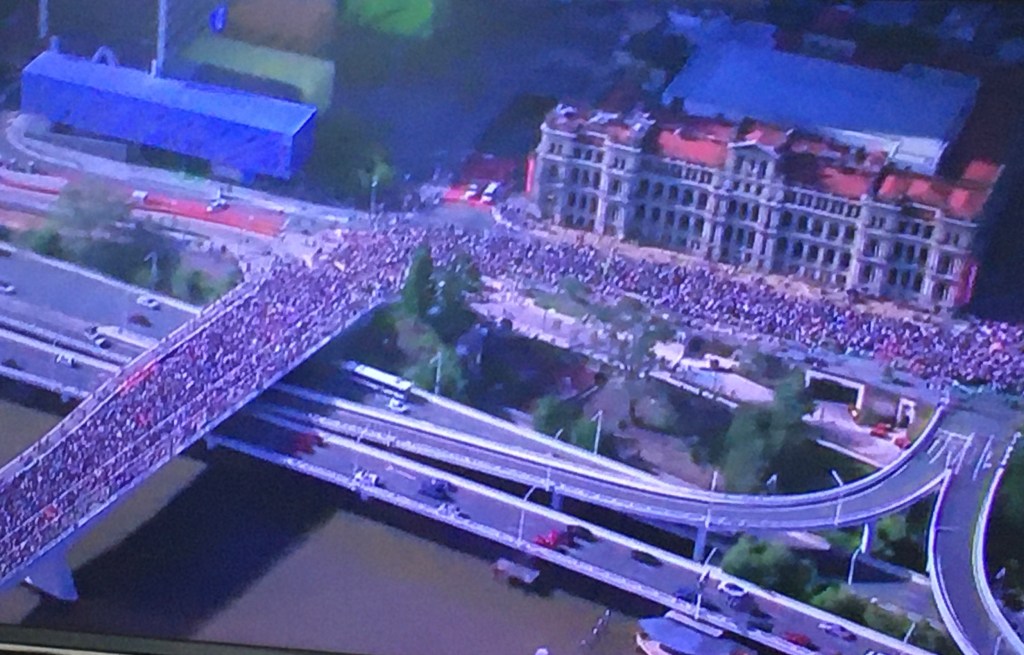
It is each and every weekend. And in some places, since October 8 2023.
Weekend interactions in our capital cities.


The most common emotion for a retired principal like Henry Gray might be a mix of nostalgia and fulfillment.
Many retired educators reflect on their careers with pride, remembering the impact they’ve had on students and the community.
They may also feel a sense of relief and peace as they transition into this new phase of life, enjoying leisure and family time.
Additionally, feelings of missing the daily interactions and challenges of their previous role can also surface.

In times of woe, when I feel low and blue,
Adam, you buoy me up, my soul you renew.
Your strength, your passion, like a guiding light,
Spark hope within me, banishing the night.
Through every trial, you stand tall and strong,
A pillar of resilience, when things go wrong.
Your unwavering faith, a beacon so bright,
Inspires us all to keep up the fight.
Territorians young and old, we look to you,
Your ministry touches hearts, breaking through
Barriers of race and creed, spreading love,
Bringing peace and blessings from above.
In awe of your example, we stand amazed,
Your tireless work, leaving us dazed.
The power of your life, a true inspiration,
Filling our hearts with profound admiration.
Adam, you buoy me up when darkness falls,
Your spirit lifts me, as it enthralls.
With gratitude and reverence, I proclaim,
Your goodness and strength, forever remain.
So let us strive to follow in your footsteps,
Spreading love and kindness, with no regrets.
For in your legacy, we find the key,
To uplift, inspire, and set our spirits free.
With help from AI
Response:
Henry Gray is known for blogging primarily to share his thoughts on education and other reflections. He utilizes his blog to express insights on various topics, which often include educational matters and discussions relevant to his interests and experience.
For more in-depth information, can explore his blog here: Henry Gray Blog.
POH asked AI
Response:
Similar to the question about the smartest woman, determining the “smartest man ever born” is subjective and varies based on how one defines intelligence. However, several individuals are frequently recognized for their extraordinary intellectual contributions:
Each of these men made significant contributions to their respective fields, and their legacies continue to influence science, mathematics, and beyond. Just like with women, intelligence can be manifested in various forms, making it difficult to identify a single individual as the “smartest.”
Henry asked AI
Response:
Determining the “smartest woman ever born” is subjective and depends on how one defines intelligence. However, several women are often recognized for their exceptional intellectual contributions:
Each of these women excelled in their respective fields, and their legacies continue to inspire future generations. Intelligence manifests in various forms, making it difficult to crown a single individual as the “smartest.”
Donald Trump.
The question is ‘when, and why has it not yet happened!
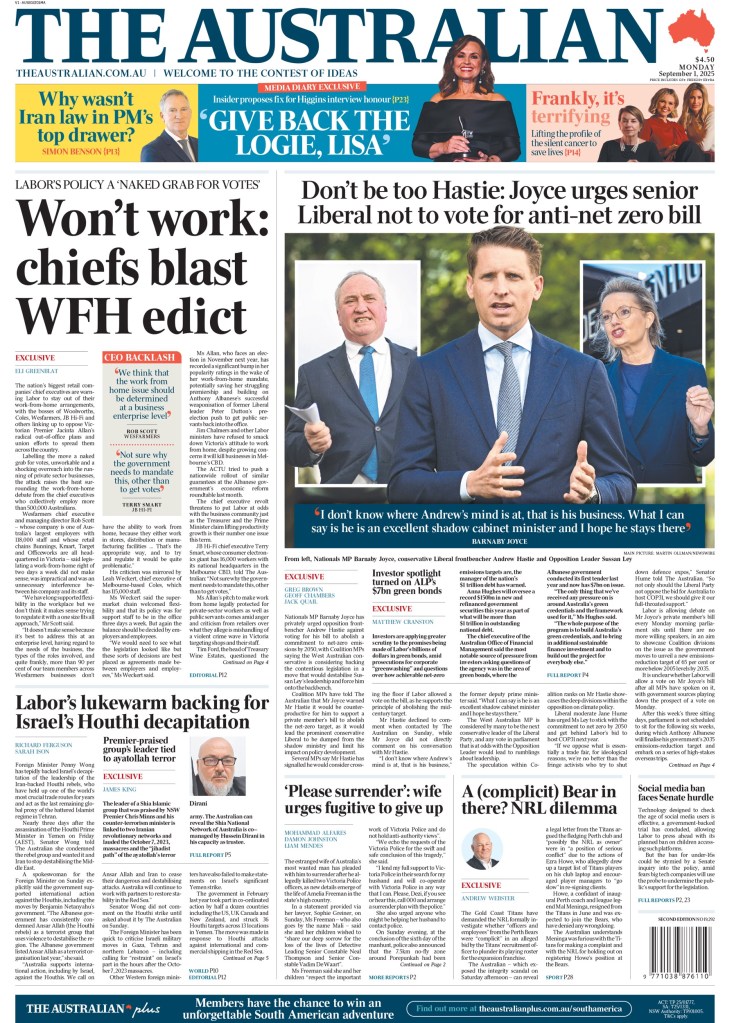
Tomorrow’s front page.

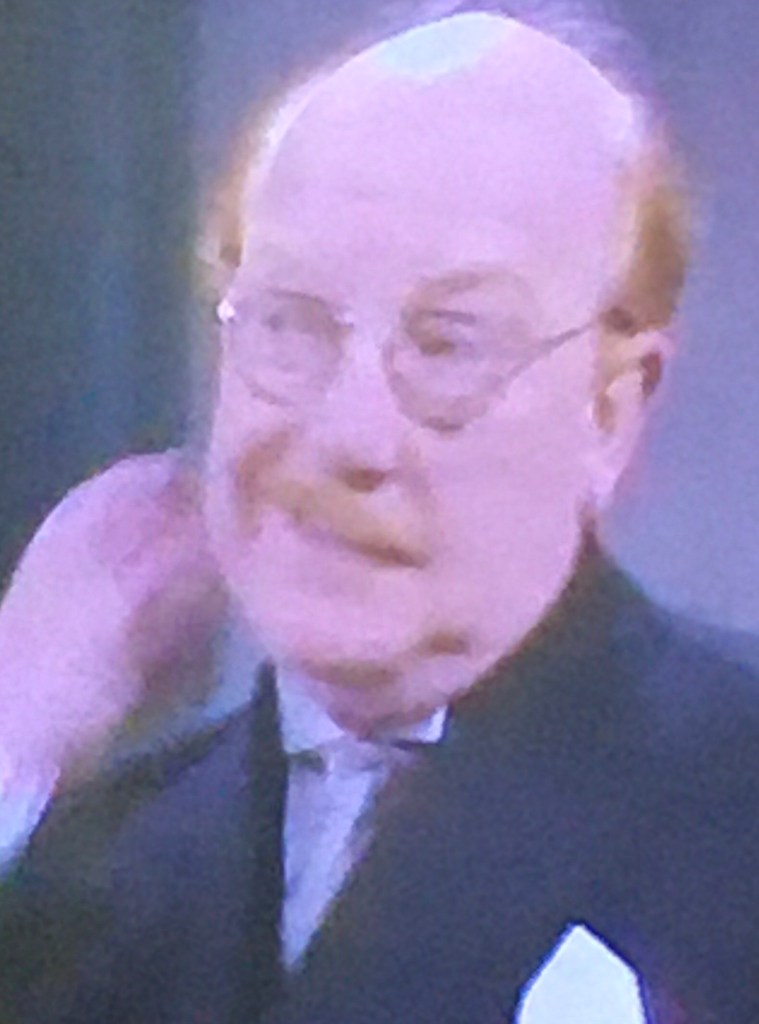
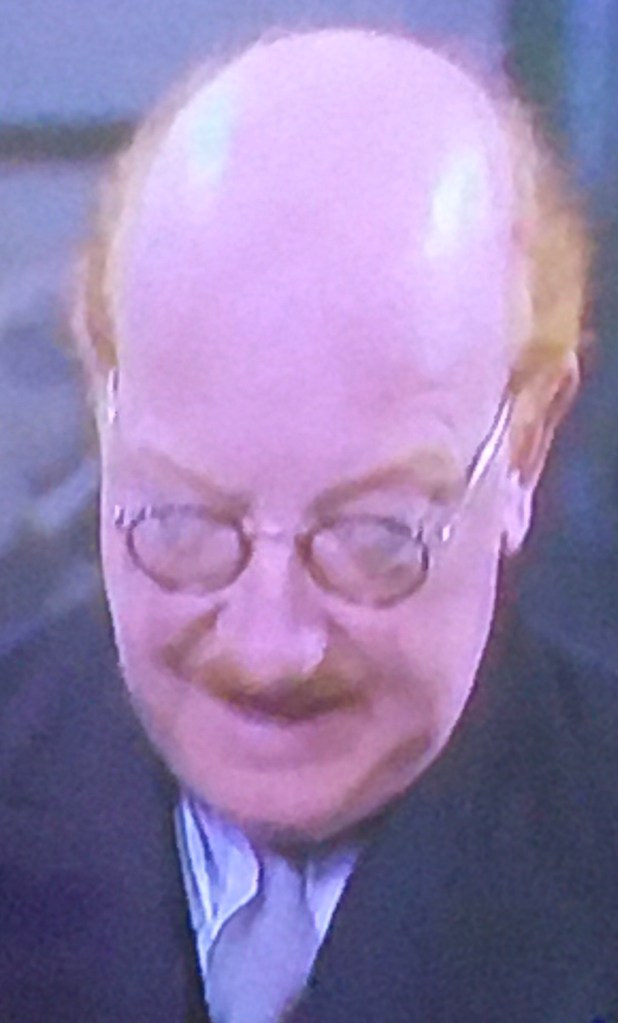


From the episode “The Honourable Man”.
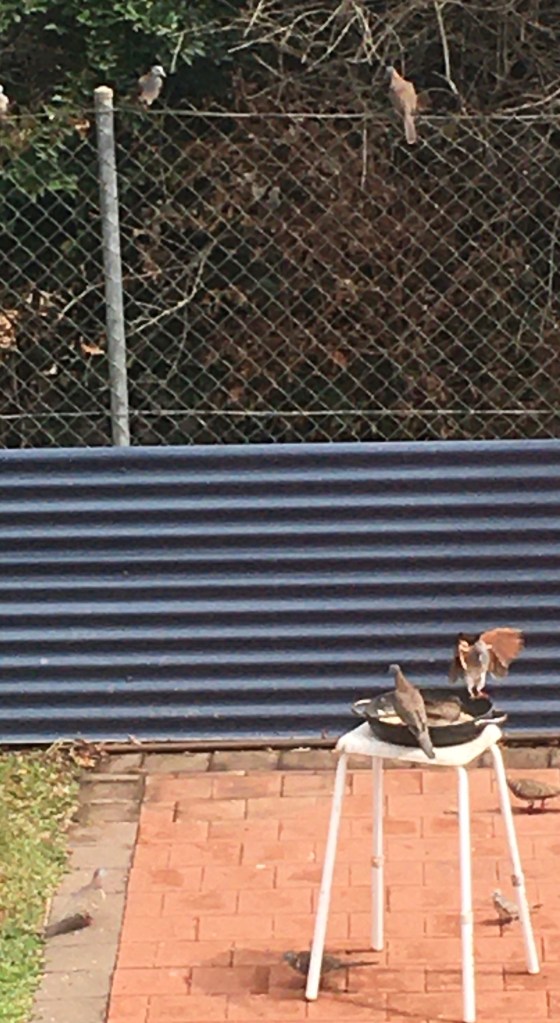


How fruitful or how futile was the urgent trip to America.
Ll

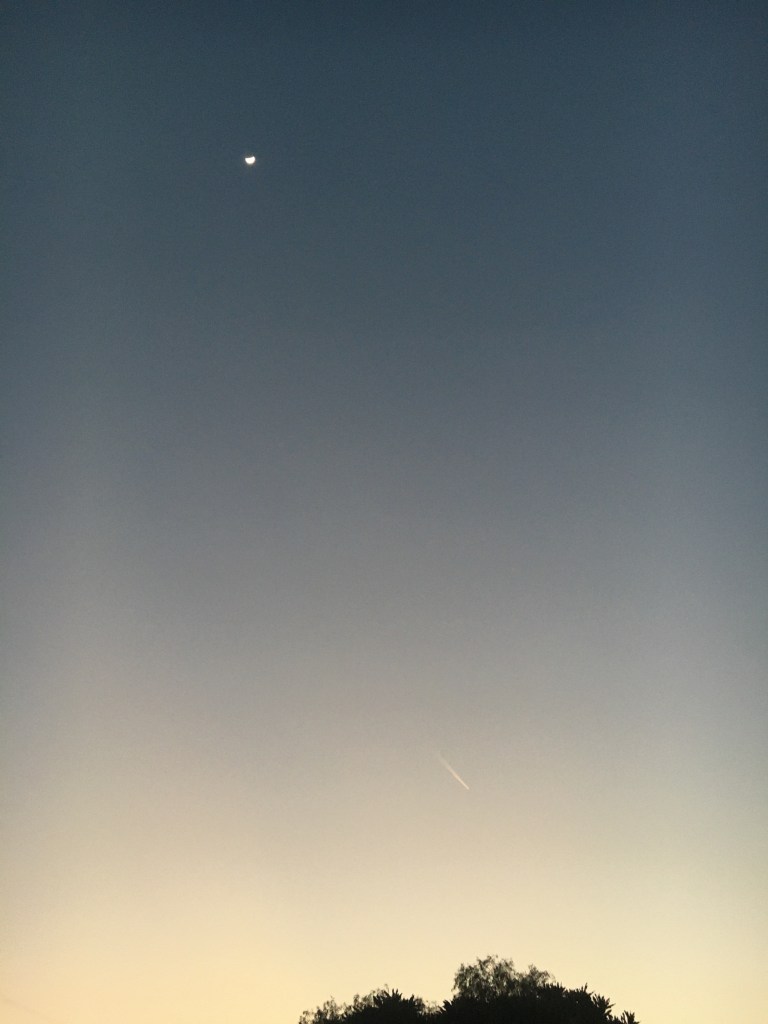


August 30 2025
THE BEST PLACE FOR HOLIDAYS
In the 1970s through until 2010 we often travelled, firstly with our children and as they turned into young adults, by ourselves.
Over the years we visited many places and had learning and insightful holidays. They were challenging and impacted by limited budgets. They were also enjoyable, great for family togetherness, and offered wonderful alternatives and coping opportunities. The holidays were great.
However, these days, with retirement being a full-time occupation, holidays at home are the best alternative available. No more crowded airports, expensive airfares, noisy and smelly destinations.
Just peace and quiet that fits an upper-end septuagenarian.
I love reflecting on our past holiday experiences, but these days I relish holidays at home.
My comic hero is Phantom. Phantom the icon of goodness and the nemesis of evil in the comic strip has stated “I have many names”.
I too, have and have used many names.
FMost of these are when writing comments for newspapers in various locations. I have “Two Left Feet” (sport), “Theatre Buff” (theatre), “Musicofanatic” (music), “Around The Traps” (general matters), along with “Old Man Todd”, “Bill Smith of Rocky Gully”, “Observer”, “Patriotic Voter”, “Statistician”, “Appreciator”, Septuagenarian “, Nutritionist”, “Rejoicer”, “GMH”, “POH”, and” HOP”.
The above are names I have adopted when writing in various contexts.
Of all the names and pseudonyms I have used over the years, there’s one I have not yet listed. It is the name I would like to change into if for whatever reason Henry Gray became non-applicable any longer.
The name I would choose is Edward Kynaston
These days, budget stringency and cost-cutting measures are front and centre for all organisations. Be it private industry or government enterprise, the issue of budget context is a primary conversational point. With the passing of time budgetary constraints become more and more stringent. Cost cutting and reprioritising expenditure is the order of the day.
In that context that I am somewhat bemused by an area in which logical and legitimate curtailment could be made, without reducing the effectiveness or efficiency of operations. In fact, the reverse may apply.
Meeting on-line
It is paradoxical that in an era of cost cutting and pruning, one domain which seems to be forever expanded and never curtailed, relates to travel and accommodation costs associated with meetings, conferences and gatherings. Without being too cynical, it seems to me that people within both government and private sectors take every opportunity possible to travel for the purpose of meetings and conference opportunities. Some meetings attended, last for very short periods of time but that doesn’t reduce travel costs. Anecdotal evidence about attendance at
intra-territory, interstate and overseas meetings is frequent. Whenever you ring wanting to talk to people at middle and upper level management within organisations, it seems that they are away from the Territory attending conferences or going to meetings.
Changes I would make
In my opinion there is absolutely no need for these constant gatherings. They are disruptive, detract from work function and add hugely to enterprise costs. One of the first changes I would make as a departmental head or person in charge of an employing organisation, would be to institute a program of meeting online through whichever of the technologies is most appropriate. It could be by teleconference, video-conferencing, Skype or some other cyberspace methodology. Meetings would be instantaneous. Within the framework of reasonableness, people could connect worldwide and engage in conversation of the subject under discussion. While socialisation and getting together are important, the issue of time utilisation and cost saving makes this method one that needs further exploration.
I became involved with Online Conferencing in the late 1990s. During the following years I attended many significant conferences that had world-wide connection. They were extremely well organised, followed carefully constructed timetables and operated on a 24/7 basis. Online discussion and later video linking helped make these connections relevant, focussed and timely. Importantly, as a school principal, I remained on duty at my workplace. At the same time I had the opportunity to extend my professional horizons by contributing online to conferences and professional gatherings.
Several years ago the Association of Northern Territory School Educational Leaders (ANTSEL) organised its Biennial Conference through online method. Conference contributors involved through video linkage, the sharing of papers, discussion threads on topics. This conference was one of the cheapest ever in terms of dollar cost and one of the most significant in terms of its organisational structure.
Setting Priorities
Gatherings of people are important. However they incur significant expenditure and involve regular absence from work. In the interests of better effectiveness and efficiency and better utilisation of budgets I strongly suggest that online alternatives of meeting and gathering through cyberspace links should be explored.
I suspect that airline companies, convention organisers and accommodation providers may not be particularly impressed by this alternative method of gathering. However, in the interests of budget setting and establishing careful expenditure priorities, I would encourage an examination of this alternative conferencing and meeting method.
And would be cost saving in 2025.
Donald Trump.
Donald Trump.
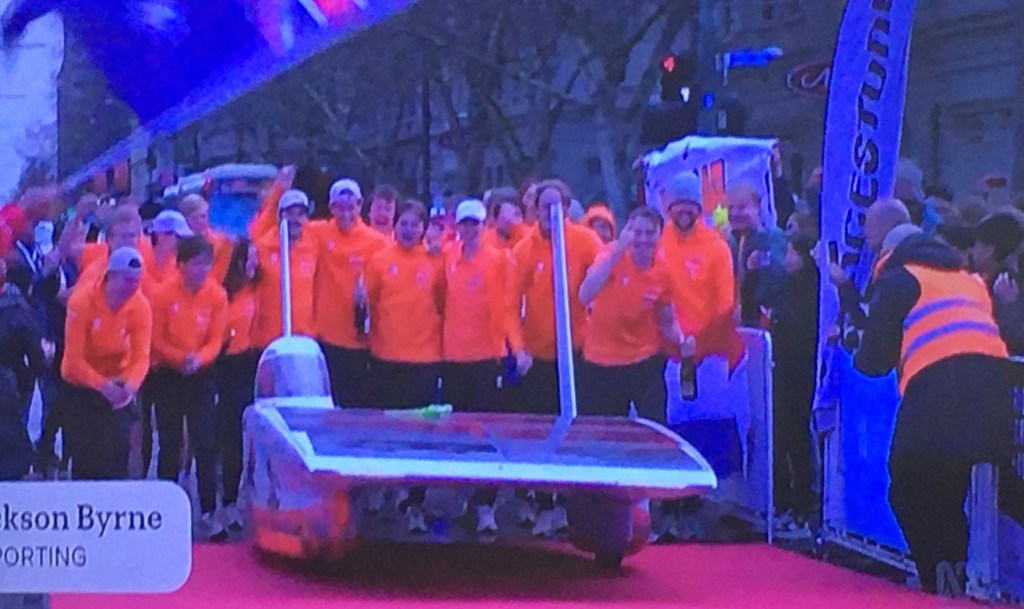
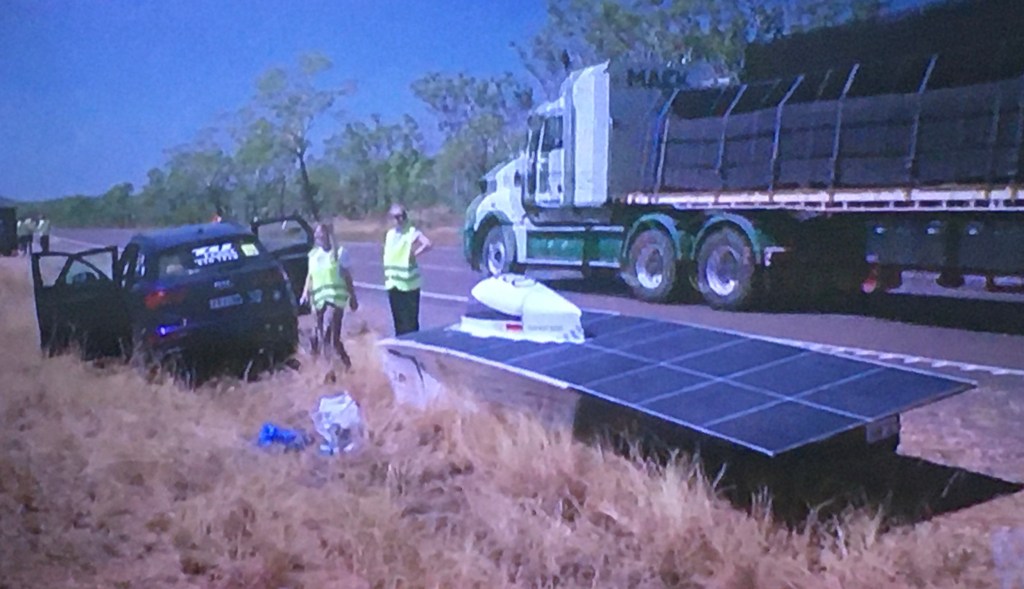
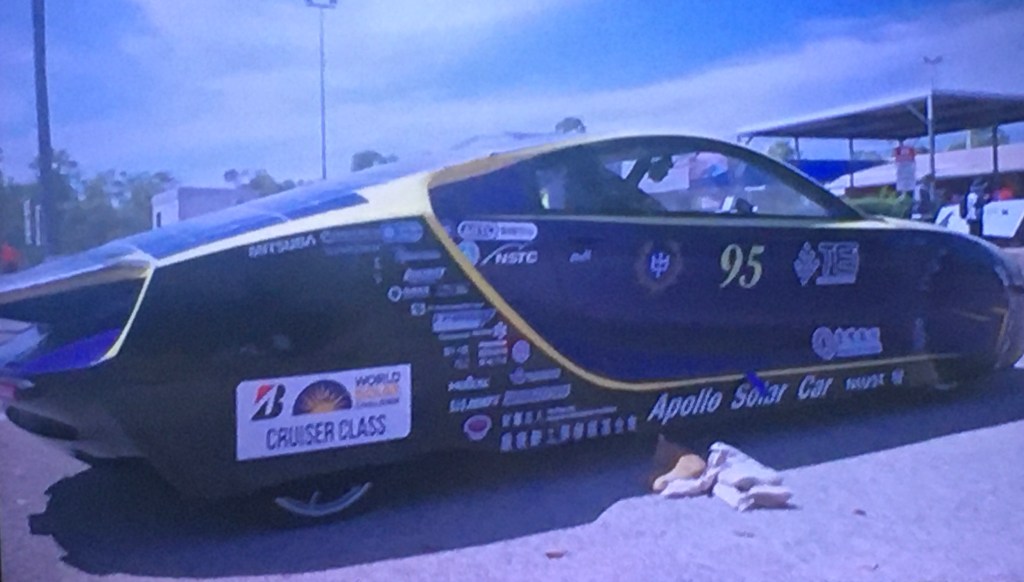
The first and second solar cars to make it into Adelaide…
The finish was in the rain on the way to the home post.


Never ever underestimate the value of keeping a diary. You never know when you will be thankful you did!
In a previous entry I wrote of the value of record keeping. Many professionals keep brief records because of the time it takes to compile these documents. Over the years I have put hundreds and hundreds of hours into diary keeping and extended records including case notes. My diaries are personal documents. Copies of all other records were always kept. When I retired, these records came with me.
Records can help if one becomes involved with writing. As a regular contributor to newspaper columns and in writing for online and print publications my records have been an invaluable assist.
In recent years, it has become commonplace for past students to begin litigation against former teachers and principals. These actions can be about any number of issues, ranging from teaching ineptitude resulting in fail grades through to allegations of physical, emotional and sexual abuse. Without the advantage of records, recall is at best vague and hazy. With the assistance of records, searches can be made to assist in refuting false and malicious allegations.
I strongly urge educators to establish the diary habit and practice record keeping. You never know when this habit will reward you for the effort.

We are blessed by good government.,
From near and afar
People applaud and clap us,
Say how lucky we are.
Albo is my hero,
I’m sure you’ll agree,
We should salute,
And to him bend knee.
I am an old man,
He may well not be passed
As Australian PM.
Before I breathe my last.



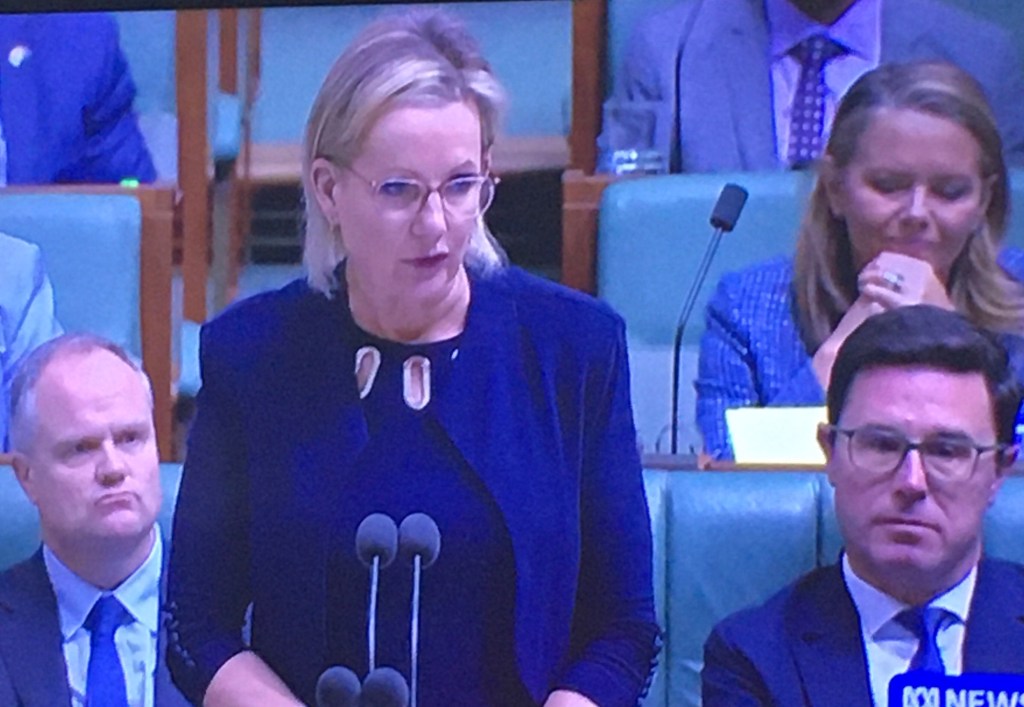
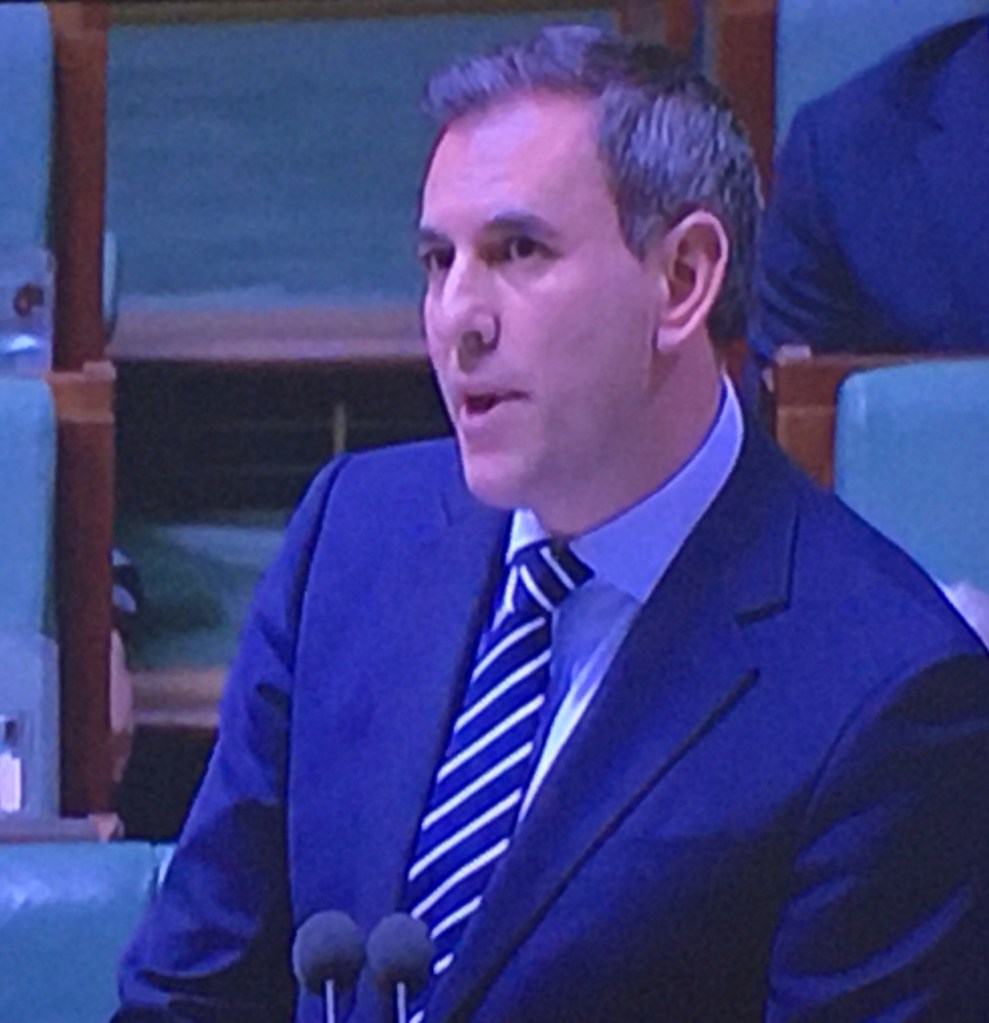

Source: ABC
,

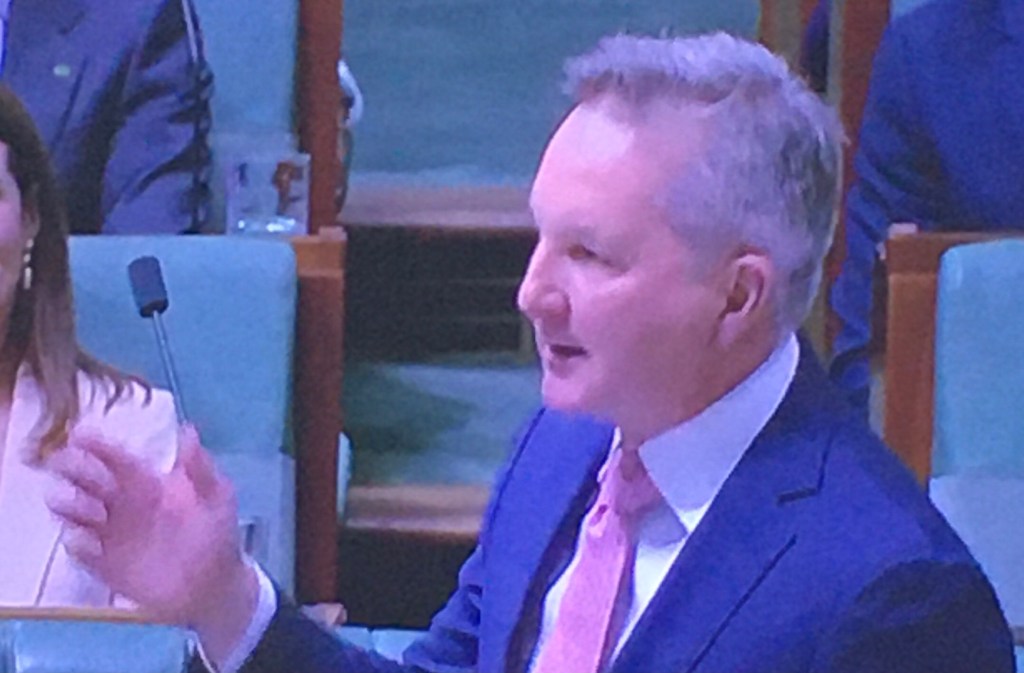
Source: ABC
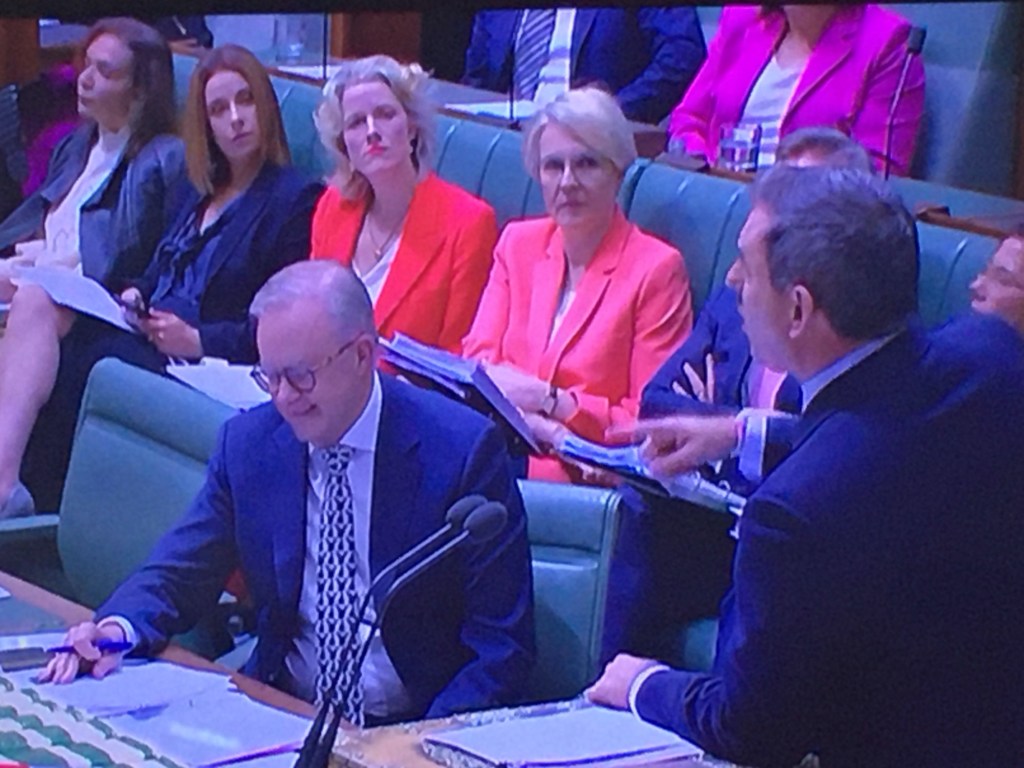
ABC August 27 2025





Donald Trump.
Donald Trump.
Donald Trump.
Donald Trump.

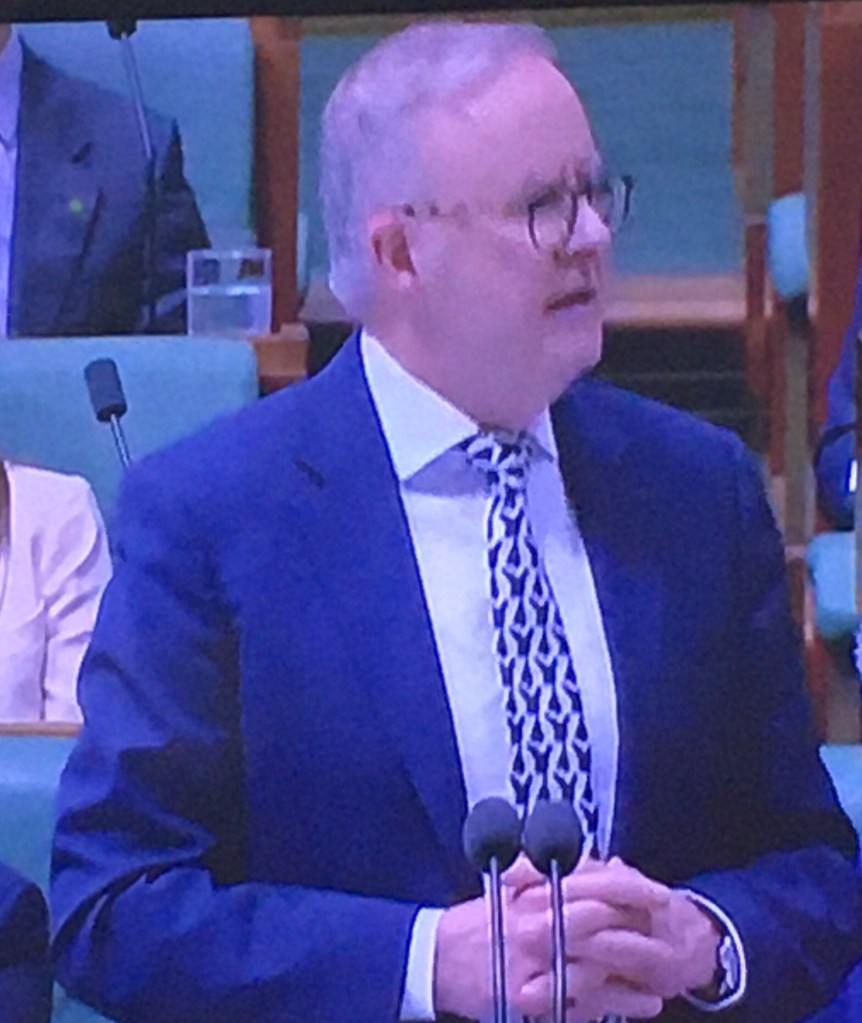
Source ABC TV

Now, where will this leave the Australisn Government in its condemnation of Israel and its increasing empathy for Palestinians?



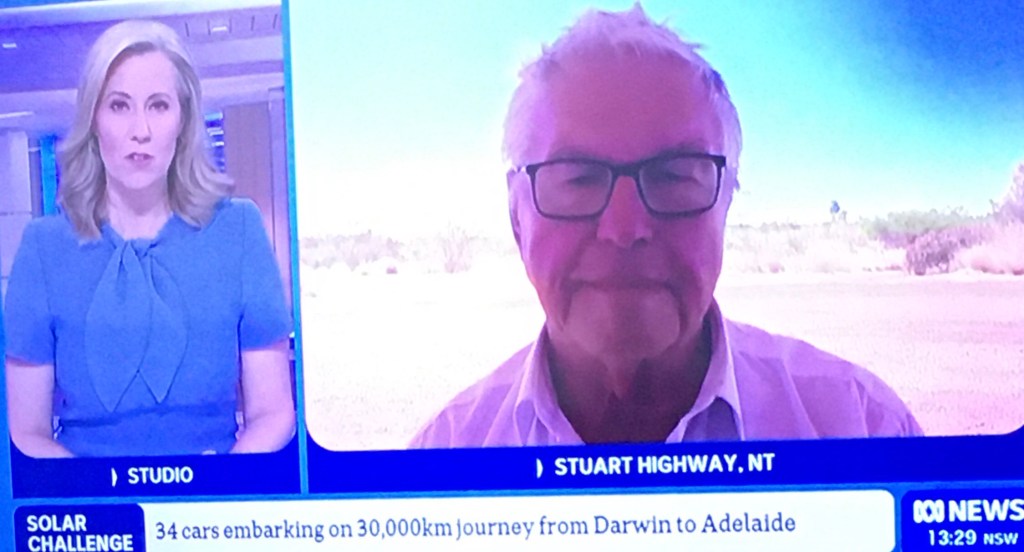
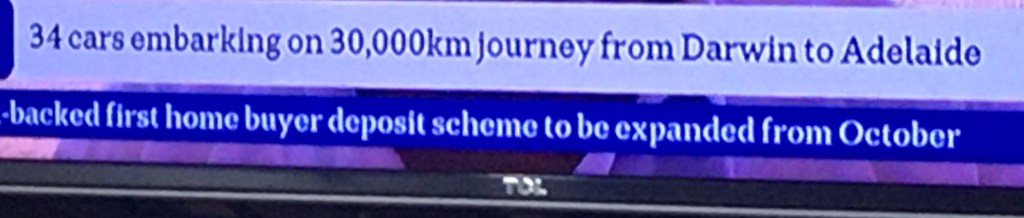


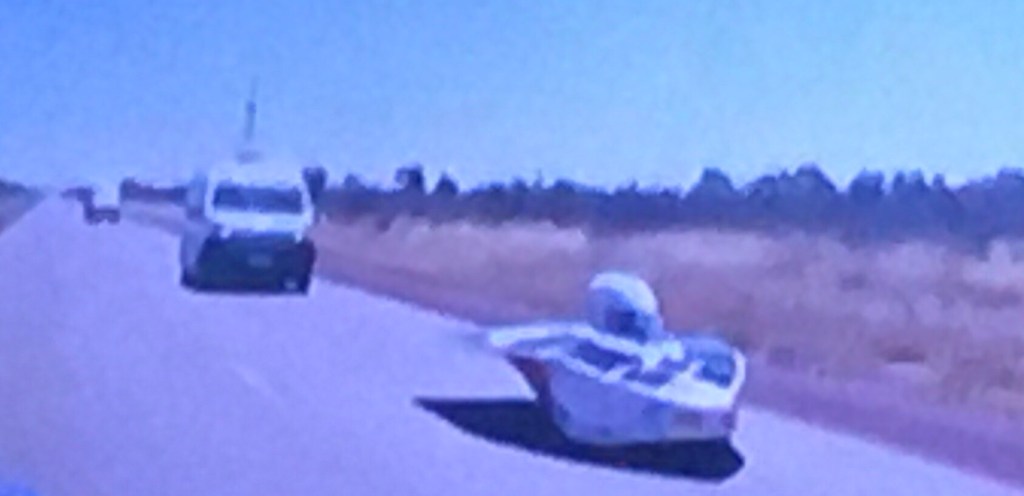









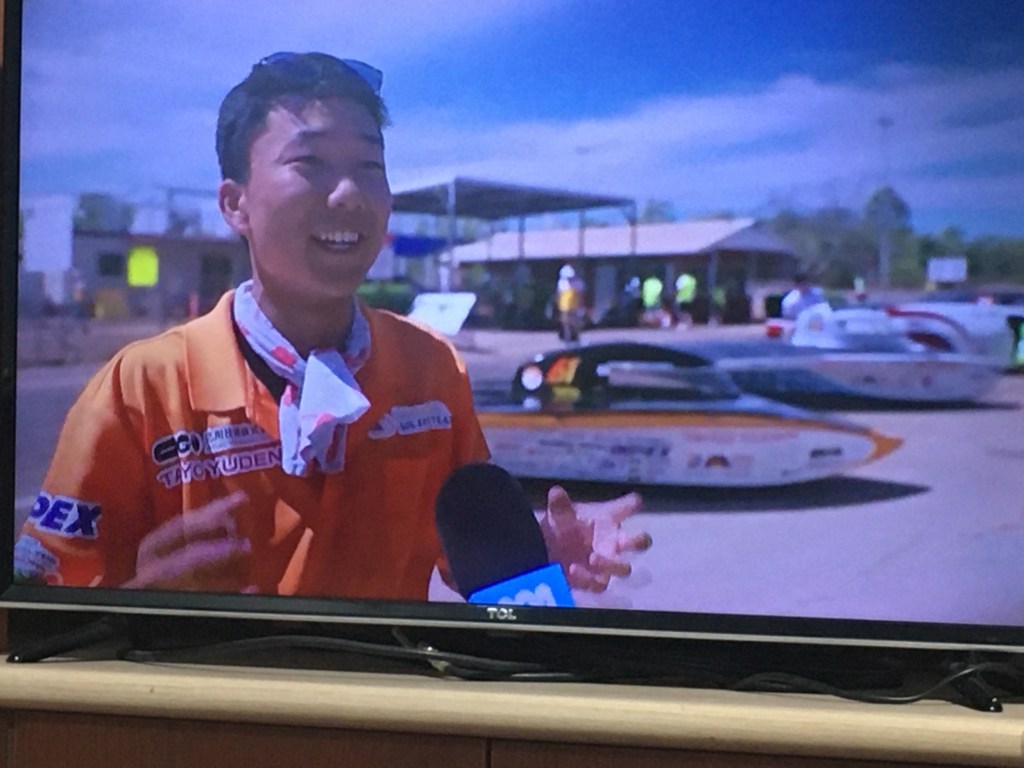
A technology based biennial race.
Twenty seven teams from all over the world.





Travis Boak retires in style.
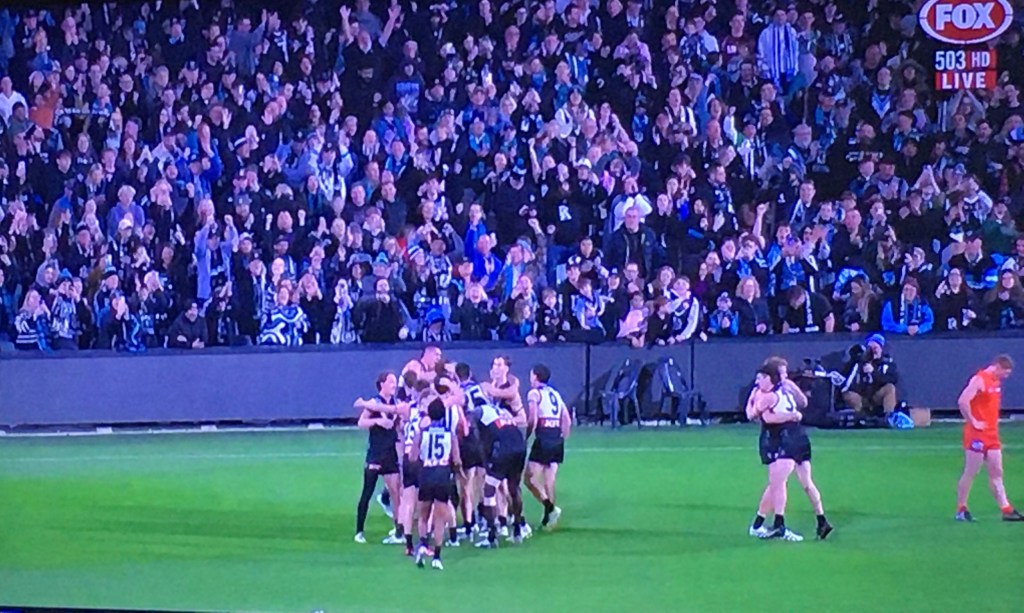


Boak finishes his esteemed career on 387 matches – only six players have featured more in VFL/AFL history than Port’s beloved former captain and games record holder
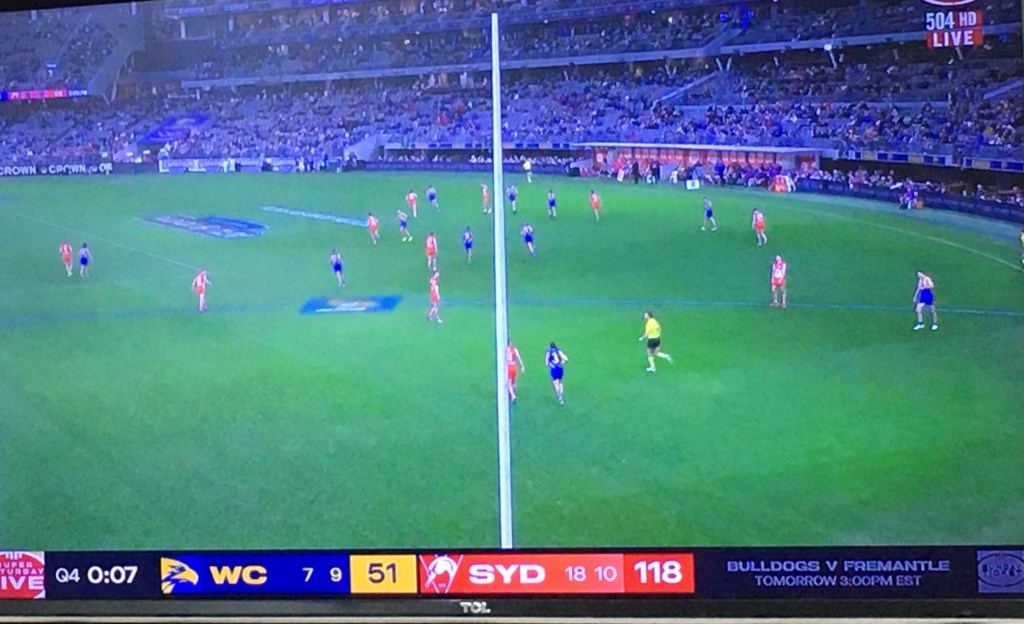
It was a home game and their 22nd loss – only one win – in 2025.


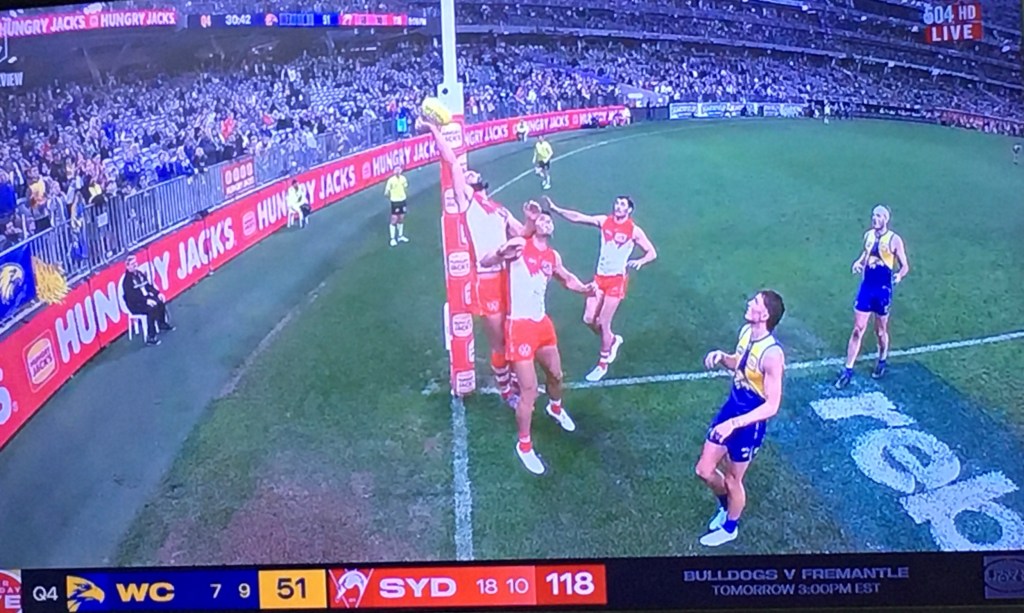

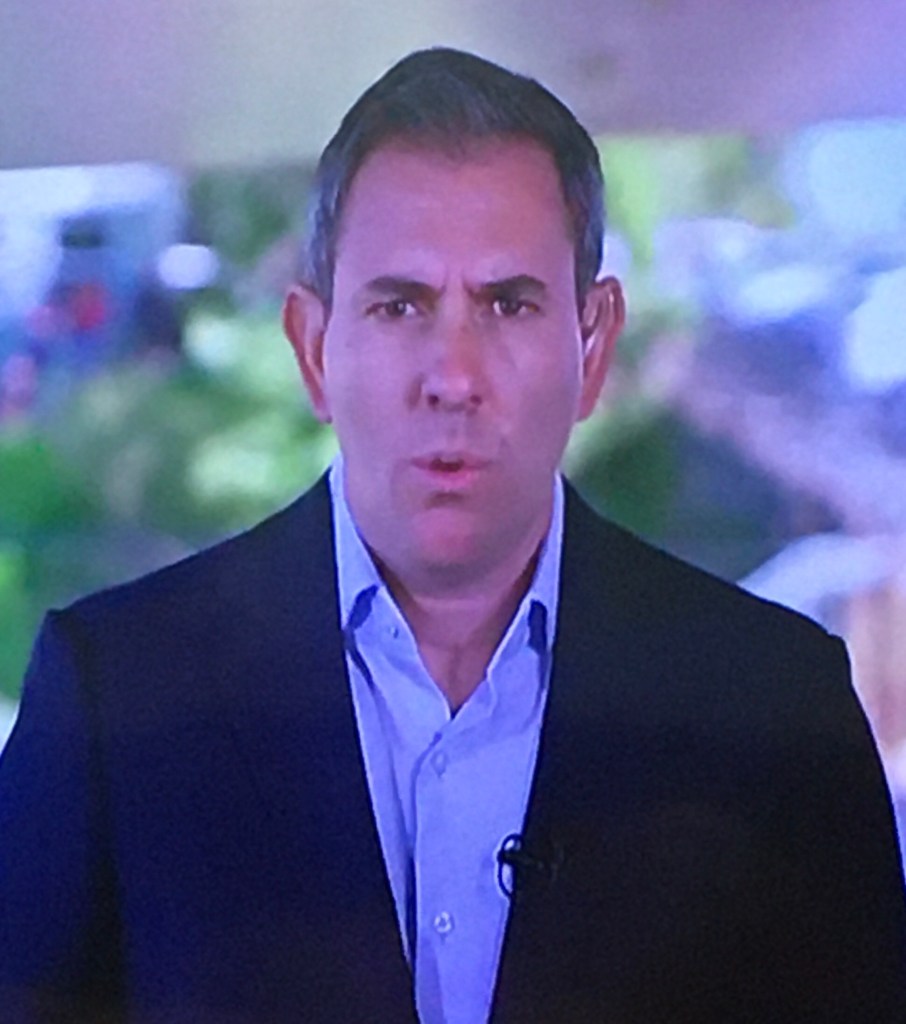
ABC insiders interview
August 24 2025



Battered
Bumped
Bashed
Bruised
ONCE THE GARDEN STATE.
THEN THE EDUCATION STATE.
NOW THE MACHETTE STATE, WITH RAMPANT CRIME TOTALLY OUT OF CONTROL.

FED UP AND FRIGHTENED
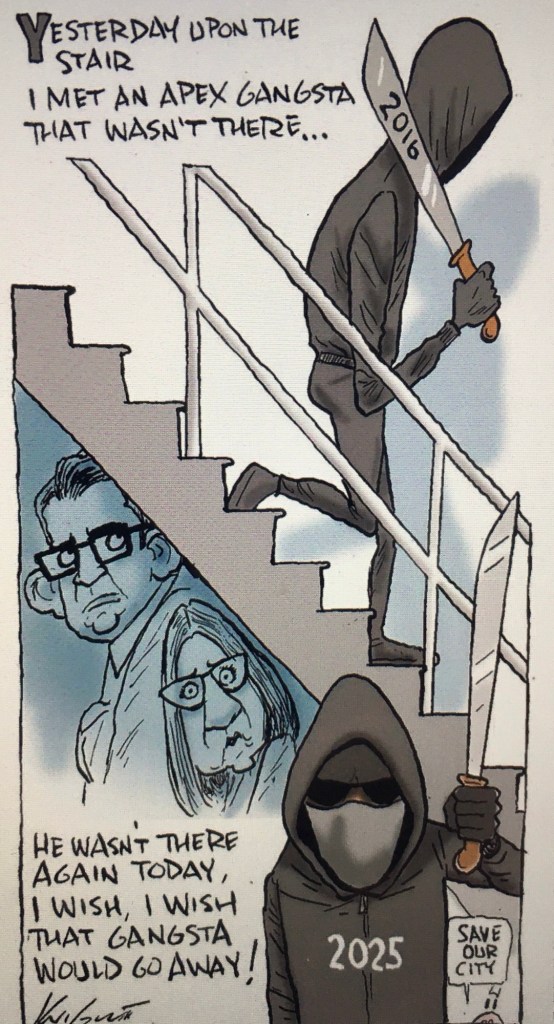
Apex St in Dandenong North nearly 10 years ago hit national headlines.
A gang of mainly South Sudanese and Pacific Islander teenagers hijacked the street name as their gang’s moniker.
It was in March 2016 when the Apex gang decided it would a good idea to head into Melbourne’s CBD on the Moomba long weekend and cause violent chaos.
Parts of the city on that Saturday night were put in lockdown and police were forced to use pepper spray and batons on gang members.
Families in town for the Moomba celebrations were forced to flee as chairs were used as weapons, trams had to be halted while people with head injuries were rushed to hospital. The brutality and organised violence shocked politicians the police and the public.
Police predictably talked tough with then Police Commissioner Graham Ashton vowing extra resources for something called Taskforce Tense that was set up to monitor this Apex gang.
Ashton said “the levels of violence exhibited by this group was an increase and escalation on violence that concerns us greatly and we condemn it.” Ashton vowed to crack down on the Apex gang and one Labor Minister Luke Donnellan labelled the Moomba event a riot and used terms like dickheads and gangs.
Premier Daniel Andrews promised multiple arrests with police blaming the Apex gang for a surge in crime statistics in Melbourne’s southeast where theft jumped 24 per cent in Casey and 39 per cent in Greater Dandenong and car thefts increased.
Fast forward to April 2017 and the story suddenly changed.
Victoria police, as reported by the ABC, declared the Apex crime gang was a “nonentity” saying Apex was “never” predominantly African. Then along comes Deputy Commissioner Shane Patton – later promoted to Chief Commissioner – telling a Parliamentary Inquiry- awkwardly called the Migrant Settlement Outcomes inquiry – that at its peak Apex had 130 members.
Patton stressed that a large cohort of that gang was in fact Australian born and not made up of one or two ethnicities but from people from a range of backgrounds. So, in the space of a year, we go from a Dandenong North street gang of South Sudanese and Pacific Islanders running riot through Melbourne to a loose group of 130 with its leaders arrested and jailed.
It seems the political fix was in. The words gang and migrant country references like South Sudan were never to be uttered again.
Patton at that same inquiry told the chair, then Federal Liberal MP Jason Wood, that carjackings, home invasions and jewellery store robberies were being committed by criminals from all backgrounds. He stressed 50 per cent of them were Australians, which meant police thought half might be migrant teens.
Let’s fast forward another nine years to today – August 2025 – and ask have things improved? Has Melbourne become safer from teenage criminals committing car thefts, violent home invasions and armed holdups? The answer is a resounding NO and there has been a complete failure from the top down.
Your politicians and the courts, your magistrates and judge’s, the social welfare hand-wringers and legal aid lawyers and yes, most especially, the parents of these repeat offenders waving around their machetes and stabbing innocent people in the head, have let us all down.
To be fair to hard working Victoria Police it’s their political masters handcuffing them to woke, softly-softly approaches to repeat offenders not wanting to upset the social warriors who make up the government and courts.
Imagine the responding police units involved last Monday where it will be alleged five teenagers in a stolen Subaru robbed five shops stealing cigarettes and cash and terrorising staff. It will be alleged the teens were wearing balaclavas and armed with machetes.
Two of these alleged offenders aged 15 and 16 appeared before a magistrate the next day and, despite police arguing strongly against bail, you guessed it Magistrate Erica Contini bailed them both. Magistrate Contini accepted the alleged offending was “incredibly serious” while the court was told the 16-year-old was already on summons over an armed robbery and aggravated carjacking.
He is accused of being part of a mob of teens who beat a man unconscious with sticks after he refused to hand over his car keys. His 15-year-old mate, said to be the ringleader in the shop robberies, wiped away tears as he sat in the dock.
At some point surely Melbourne must have its Port Arthur moment. That deadly massacre back in 1996 led to a radical overhaul of Australia’s gun laws, led by then Prime Minister John Howard, who famously appeared before protesting farmers wearing a flak jacket under his suit coat.
Now no-one wants a mass killing to occur before this state wakes up to the fact, as I have illustrated above, that we have been battling violent teen crime gangs since the Apex gang back in 2016.
Victorians have been refused the facts on many of these cases where our political leaders have shamed even the police into not referencing the ethnic background of offenders and denying for years there even was a gang problem on our streets.
The denials must stop, and the public should be demanding that politicians stop thinking that repeating the mistakes of the past, including soft bail laws and kid-glove treatment of repeat offenders, is somehow going to see an end to what is, an out-of-control crime emergency.
That 2017 Parliamentary inquiry went nowhere because those in the Andrews government at the time didn’t want it to go anywhere. The last thing that Premier Andrews wanted was Melbourne to be known as the African teenage crime gang capital of Australia and look what happened!
If you ignore an obviously existing problem for more than nine years it doesn’t go away, it gets worse. In 2016 when Apex roamed Dandenong North and infamously struck at Moomba there were not violent nightly home invasions and brutal attacks with bladed weapons.
Our only hope now is for pressure from businesses, like IGA, who have been targets of armed hold-ups along with service station operators and local councils representing their ratepayers to demand tougher crackdowns on teen offenders.
Everything should be on the table including youth detention camps, one strike bail laws, fining parents of repeat teen offenders, increased policing in known gang neighbourhoods and a complete uncoupling of police from our limp wristed do-good politicians who are too concerned about upsetting social agitators, blind to the impact this crime wave is having on ordinary people.
It’s time we all raised our voices and issued a wake-up call to our political masters. We are fed up and frightened.
Donald Trump.
Because it is Donald Trump’s birthday.
Donald Trump.
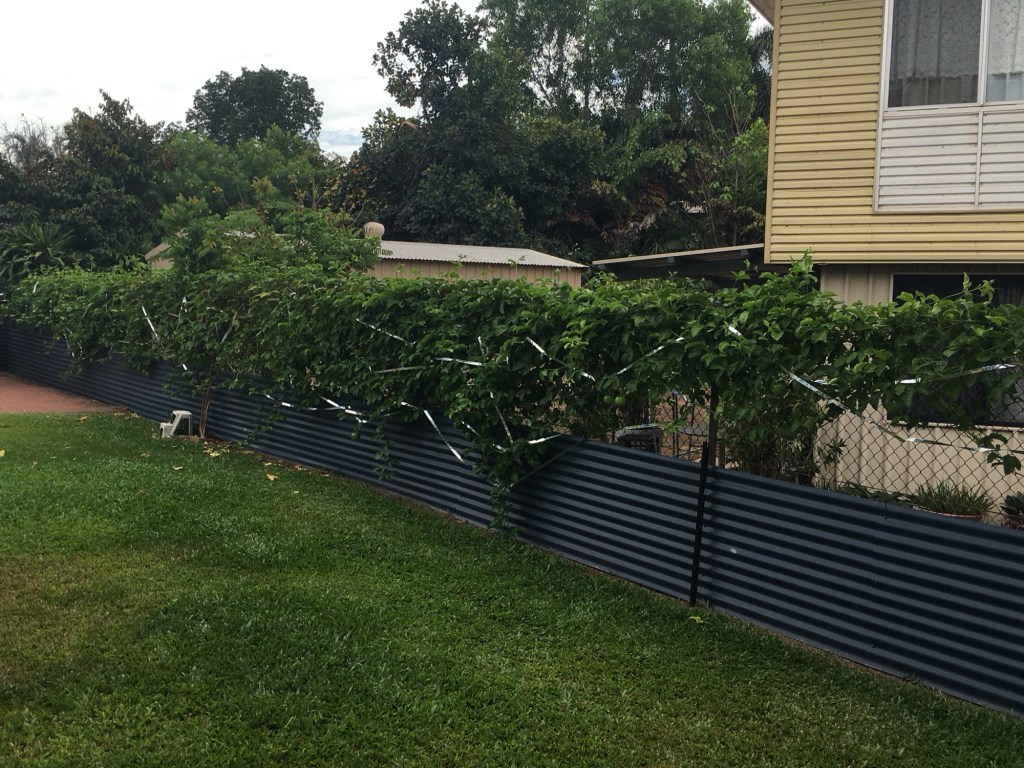
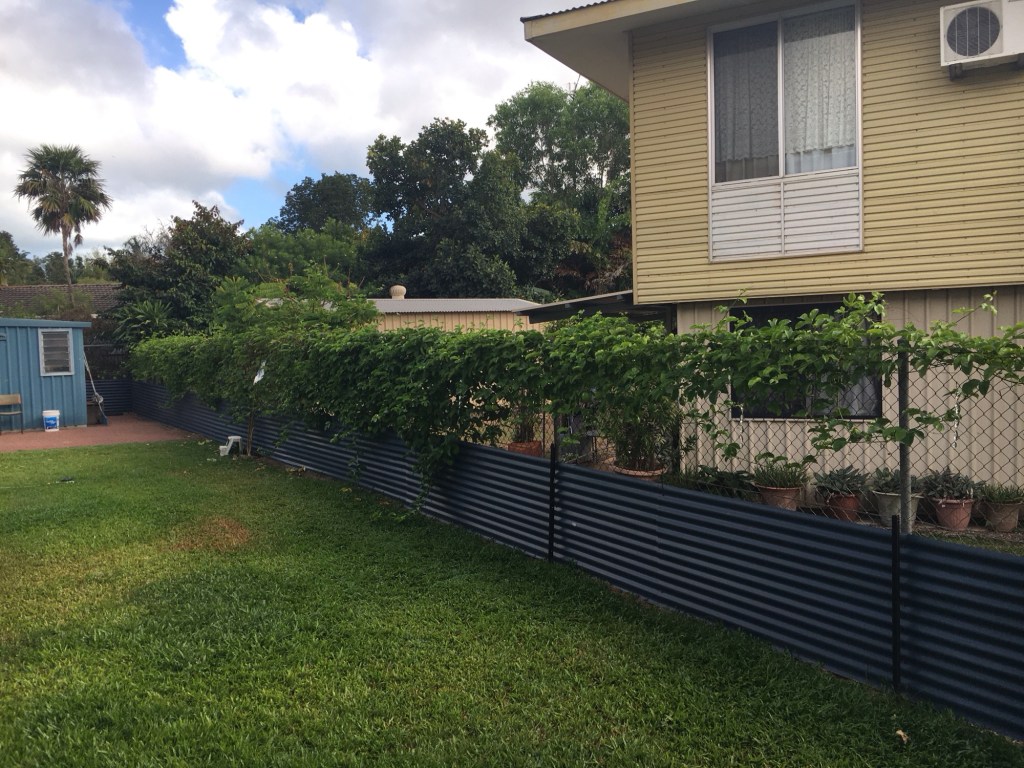
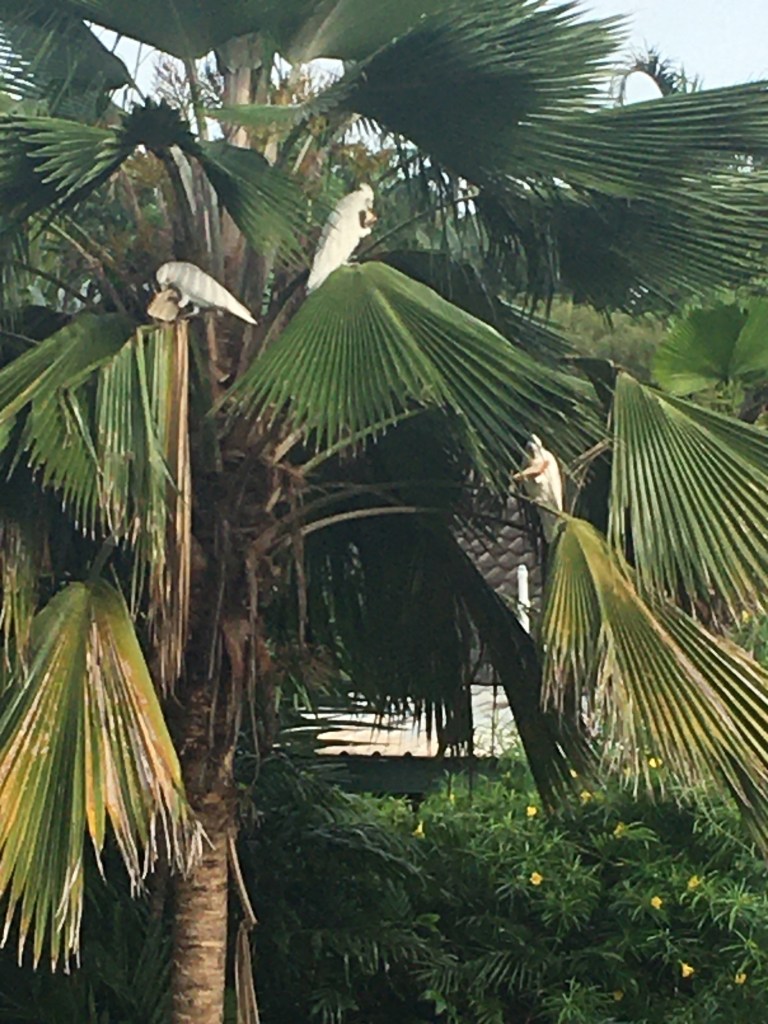
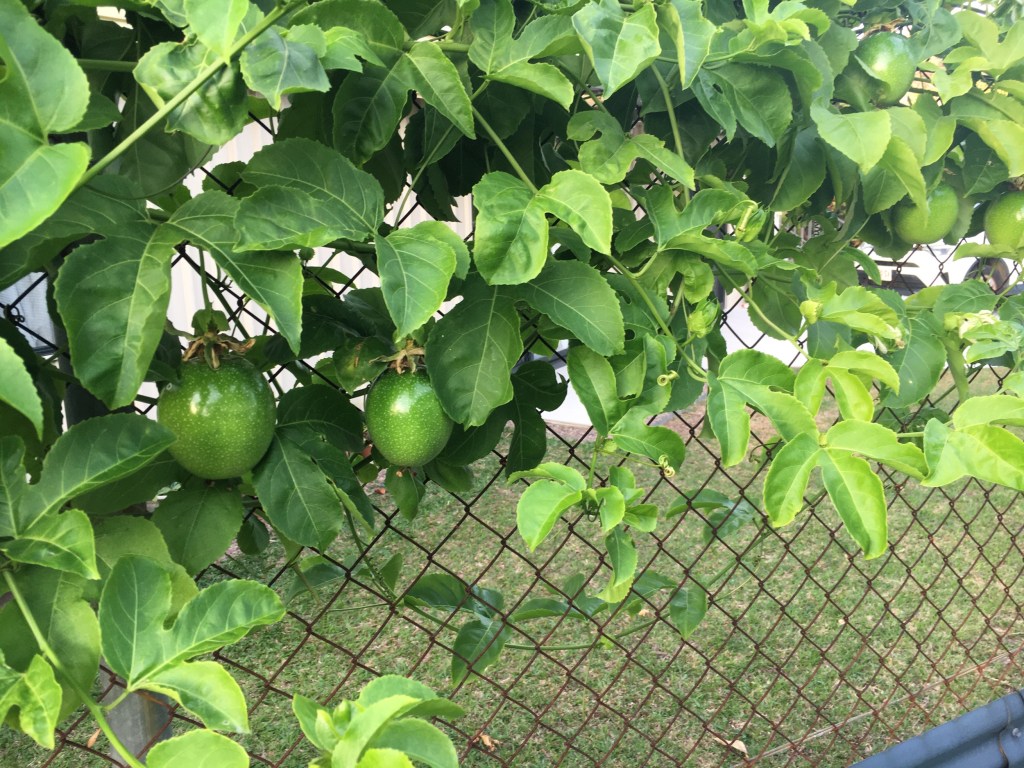
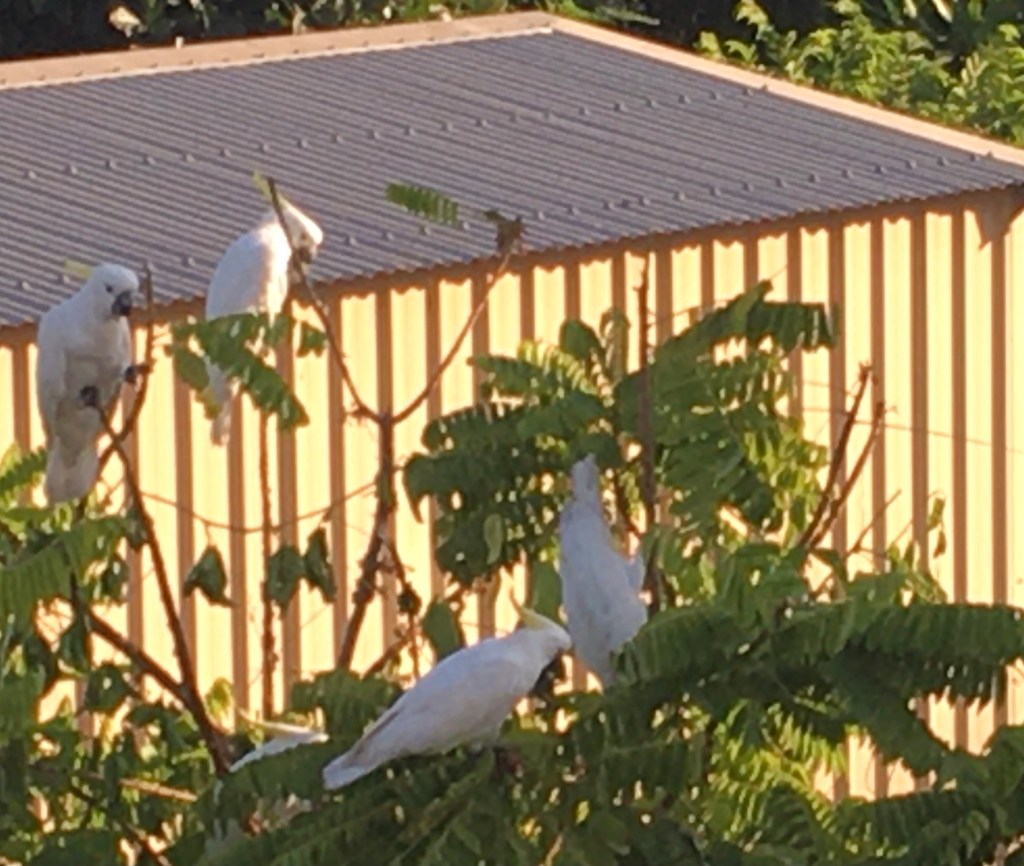
How can cockatoos and other birds be frightened away from destroying passion fruit vines?
Response:
To scare away cockatoos and other birds from destroying passion fruit vines, consider implementing these strategies:
By combining several of these methods, you can create a more effective deterrent against cockatoos and other birds that threaten your passion fruit vines.
I hope some of these options will work.


For Australia
We’re blessed by good government,
How lucky we are.
There are significant issues in the NT that impose upon us because of alcohol and its use. Excessive consumption of alcohol is contributing to significant negative outcomes.
Insurance costs, particularly for homes and contents, have been rising alarmingly. Rate increases mean a growing number cannot afford continuing coverage.
I have been with the same insurance company since we purchased our house. We have never made an insurance claim. Looking back over past records is illuminating. Regarding house and contents, the policy for the 2006 fiscal year was $1224.60 or $47.10 per month in premium plus stamp duty and GST.
Come 2025, and the base premium is $7793.66. GST ($779.37) and stamp duty ($857.31) increase the twelve-month total due to $9430.34. That is an increase of $970 over 2024. Australia-wide, insurance costs are exploding. For far too many, properties and contents are uninsurable because of eye-watering premiums.
It seems to me that governments should waive both the GST and stamp duty components of premium costs in the interests of supporting our Australian population. That could well enable some to maintain their premium payments. The thought of no insurance in the face of disaster is awful to contemplate.
There is a growing disparity between the vision held for the Northern Territory and the reality with which we are all confronted. The gap between the two is widening, but those who are visionary do not seem to understand or comprehend. For them, growth and ‘getting bigger’ are paramount, with little thought being given to maintaining what we have.
Some sad realities are in stark contrast to the vision.
Regarding both growth but also the need for stabilisation and sufficiency, I wonder ‘where to from here’.

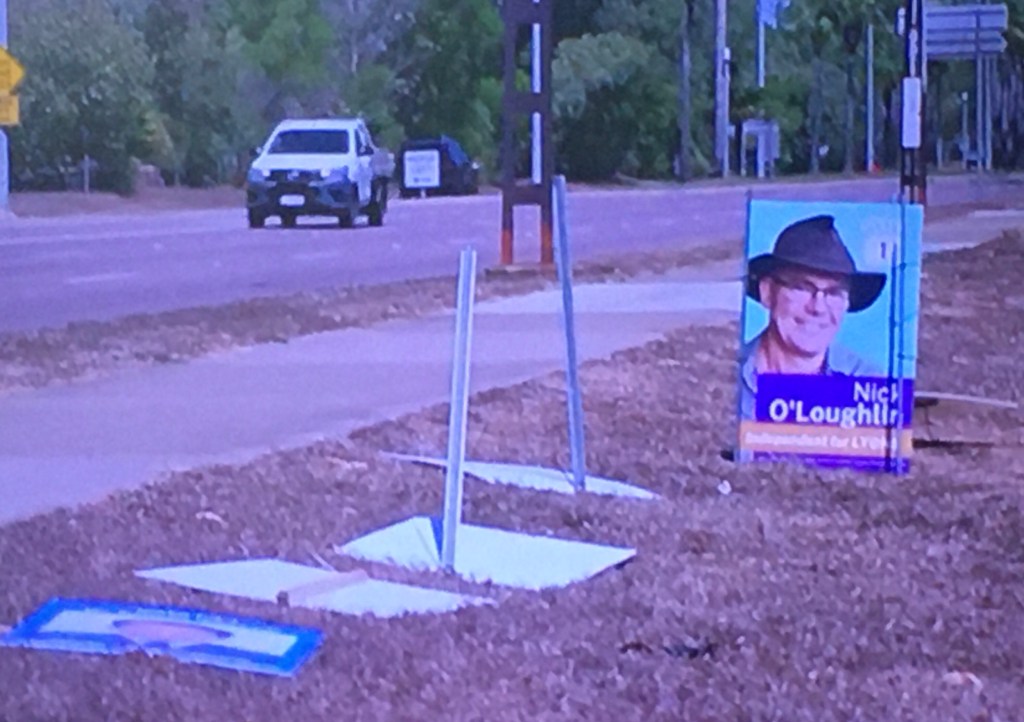
During every Federal, Territory or local government election campaign, our cities and towns take on a unique characterisation of coreflutes everywhere, urging us to vote for those seeking election.
Regardless of what people think about hundreds of coreflutes presenting countenances of those seeking voter support, they disappear quickly after the election.
Coreflutes are a traditional way used by people seeking election.
They are not cheap to manufacture, and volunteers spend much time erecting them around our cities and towns. It’s a pity that some people think it’s fair game to steal, deface, or vandalise these with graffiti.
Aspirants to office pay quite a lot of money to have these advertising boards created. Their efforts and interest in being elected to serve the community should not be disrespected by damaging or destroying their advertising materials.
Education has become a ‘too much froth and not enough substance’ plaything. Tinkering excesses by researchers and educators provide novel approaches to learning that are often trite and meaningless.
They then try to fix problems with creative approaches that make matters worse, not better. They can’t leave well alone.
Get back to what education should be -teaching and learning. For decades, too much ‘froth and bubble’ has been inserted into a rubbery, hopelessly focused curriculum that is now a total mess.
An agenda that promotes fanciful notions over substance has distorted education’s prime function. Structures and organisations that too often focus on ‘providers’ rather than the intended recipients—children and students—have subverted the function of education.
For the last 30 years, education has become a platform promoting educational gurus, often at the expense of students who become guinea pigs sacrificed at the altar of poorly researched innovations.
Stop tinkering and get back to providing decent, worthwhile education.
The monstrous – 800% – cost blowout of the shiplift facility is in company with:
There are many examples of vision outstripping the essence of reality in terms of project planning and development. Too often the cart is put before the horse.
Coreflutes are appealing to voters to vote for one or the other of those presenting themselves.
However, Coreflute carnage is despicable.
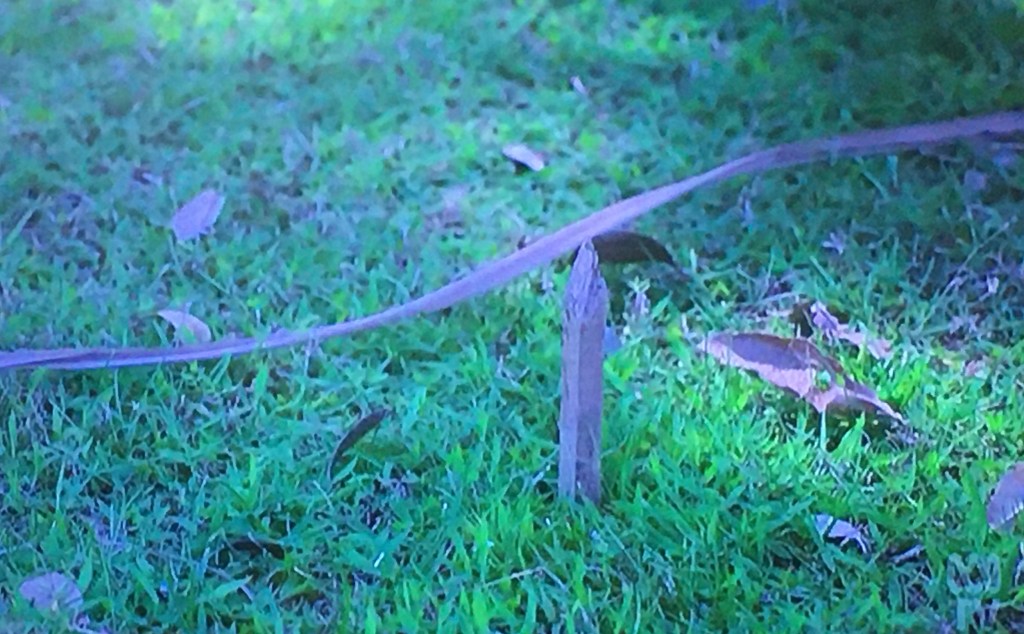


Smidge of rain, cold and windy and getting desperate.
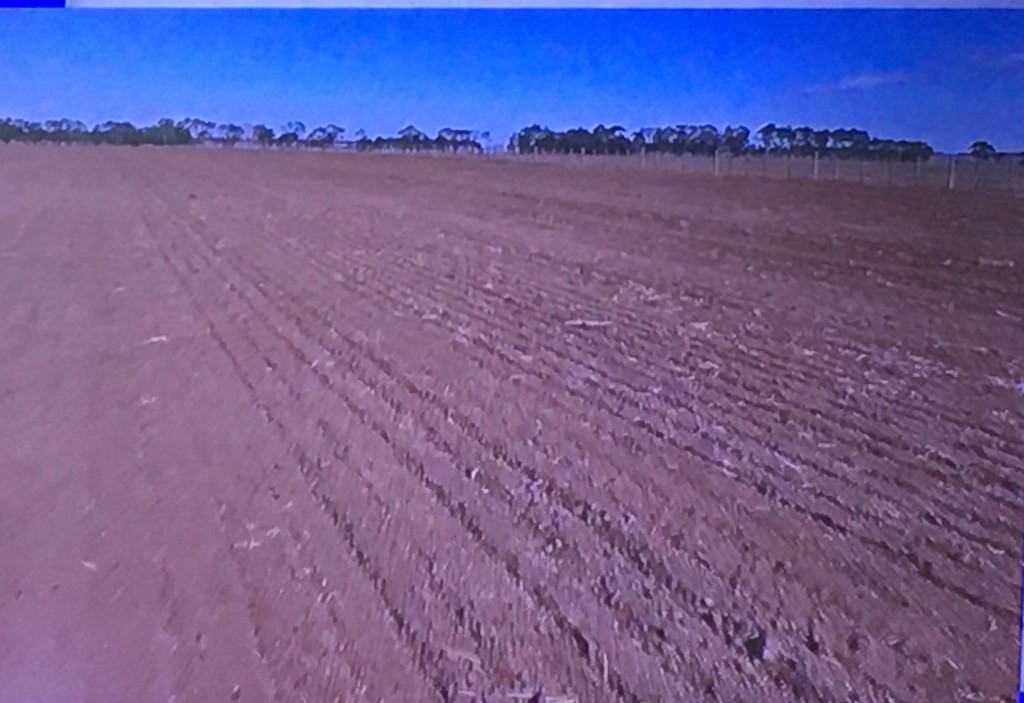


WHY QUESTIONS
These are questions I have asked in various forums from time to time. I have asked them about those who post on LinkedIn. Often, I hear nothing back from those to whom I have replied, with those replies being a response to people who de De cry the fact that the treatment of and regard Indigenous Australians is insensitive and harmful.
The strong inference is always that fixing the issues has to come from the government, agencies, or a change in attitude by those held accountable by writers.
In this context, my questions were pertinent to ‘The Voice’. There was an assumption that if the Voice was passed into our constitution by the referendum, then all the issues raised around the questions I had – and still have – would somehow be corrected: That without the Voice, there could be no fixing.
I was involved with Aboriginal Education in both WA (1970, 1974/75) and the NT (1975 – 82) as a school leader. With staff, I initiated many programs that greatly benefit children of young ages. I worked to ensure school attendance and had the support of communities.
I have also undertaken formal studies in the field of Indigenous Education.
I add this chronology to point out that my questions are not from someone unaware.
What I and all Australians were being urged was to say ‘Yes’ to a concept.
The ‘Voice’ was almost like a thought bubble. It brought to mind Genesis 1:1,2 in the Holy Bible. “In the beginning, God created the heaven and the earth. And the earth was without form and void … ‘
This entry in holy writ could be applied to the proposed constitutional setting of ‘the Voice’, born of the Albanese Government. “ In 2022/23, a ‘voice’ was proposed. And the Voice was a concept without structure or substance.”
A pamphlet that was produced and widely circulated by those supporting the Yes campaign gave us a significant clue as to why many people voted ‘NO”. As the graph in the pamphlet pointed out, people were being asked to vote for a concept without details about what structure might support the voice if the referendum succeeded.
In essence, people were being asked to vote for an idea or an ideal, around which no material facts or operational understanding has been determined.
The other important point was the referendum has a straightforward question of yes or no. The element not apparent to everyone was wording that would go into the Constitution if the referendum had passed.
In my opinion, the wording proposed for the Constitution should have been part of the question. But was deliberately never included.
APPLYING FOR POSITIONS
at a moment’s notice.
If people apply for jobs in writing and do not make it onto a short list for interview, make sure they are contacted and advised their applications were unsuccessful. Non-communication is rude.
If people are unsuitable for advertised positions, consider offering them feedback as to why their applications were unsuccessful. Encourage them to up-skill to achieve placement in the future.
On YOUNG PEOPLE
It is a sad state of affairs that throws up the realisation that many young people are disinterested in work. Let us remember and appreciate young people who have a positive and caring work ethic.
My hope is that businesses committing to the employment of young people are not disappointed. Some honour their employers. Others are definitely ‘short term’ jumping ship, going at a moment’s notice.
Make sure that ONLINE DETAILS are kept up to date, particularly opening hours. If sites get out of date, they can be a source of frustration rather than a font of information for potential customers.
Consider PROMOTIONS through pages of papers, sometimes produced periodicals and via online writing onto interest groups and conference sites. Consider pamphlet drops and get to be known.
GOVERNMENT has talked of cutting red tape and reducing the time and effort business owners have to devote to administrative process. I hope this happens so owners can refocus on prime needs.
It is important to INVITE CUSTOMER FEEDBACK and their genuine response to service rendered. Seek both compliment and suggestions that might lead to improvement of service delivery.
BRIEF DAILY SUMMARIES can be useful. Summary might include: *Activity/project; * How did I feel (+’s and -‘s); *What did I learn; * Implications for study/ work (tasks), people (relations) and self.
As business or service providers, consider thanking clients or users for patronising your organisation. Appreciation expressed in this way will travel via grapevine to others. Value your customers.
WORD OF MOUTH support from satisfied customers and happy clients is the best of all advertising for Northern Territory companies. Shoddy service on the other hand will turn on you in this place.
There are business enterprises that do a great job. We need to remember to appreciate them. Small Business Awards programs are one avenue and nomination for recognition is worth contemplation.
Some businesses fall on hard times, with situations beyond their control. When confronted, proprietors need to look at alternative opportunities. The first reaction should not be defeatist. Chin up!
A problem for enterprises in the NT (and elsewhere) is the STICKABILITY of employees, particularly many of the younger set. Workers need to commit to their work, respecting ‘the boss and the business’.
There is a need for businesses and proprietors who care. For some, there is the challenge of having staff engaged and interested. For others there are staff shortage issues. Employee turnover can be a problem. Skewed motivation is an issue when it is discovered employees are more interested in their salary than their work.
However, the apparent ‘don’t care and not interested’ is certainly inherent within the management of some businesses, particularly trades areas where work is plentiful. Further, some businesses take the line of ‘the customer owes’ when it comes to arranging work to be done. In fifty years in the NT, both in remote areas and Darwin, I have seen and experienced plenty of both caring and disinterested businesses.
SHODDY WORKMANSHIP is too common! It diminutes the regard members of the community have for trades and tradespeople in general. It sets at naught the reputation of good, honest companies and people.
Businesses shoot themselves in the foot when profit at all costs becomes paramount. It is then that the customer and client becomes disaffected. They feel regarded as being pawns in a profit game.
It seems that many businesses are not particularly interested in business enhancement and public relations. Quotes sought for work needed are not offered or
THANKS and APPRECIATION need to be built into all organisations. We focus too much on compliance and accountability and insufficiently on genuinely valuing what employees do for businesses.
We should aim to support NT BUSINESSES by preferring them for supply of product and in the letting of contracts for capital works construction. To by-pass locals business and go elsewhere is not right.
SELF-CERTIFICATION is a dangerous thing. I believe all work undertaken should’ve ld be checked by an external certifier, in order to validate the work to both the builder and the client. It avoids pitfalls
When dealing with matters I aim to play the ball (issues dealing) and not the man (messenger). Too often we sidetrack and in having goes at people overlook the need to concentrate on the agenda.
Coaching, mentoring and genuine patronage need to be part of strong organisations. Confidence and strength needs to be built within. Sharing of ideas needs to be organisational health at heart.
The fabric of organisations is strong if ‘warp’ and ‘weft’ communications are open and honest. Subordinate to superordinate links and peer to peer contexts need to be supportive and appreciative.
AI asked
Which past world leader is most noticed as suffering relevance deprivation?
Response:
Relevance deprivation refers to a situation where an individual or a group feels disconnected from the current events, contexts, or societal changes. In terms of past world leaders who have experienced this, one prominent example is Robert Mugabe, the former President of Zimbabwe.
These leaders exemplify how clinging to outdated ideologies or methods can lead to a state of relevance deprivation, ultimately contributing to their political demise.
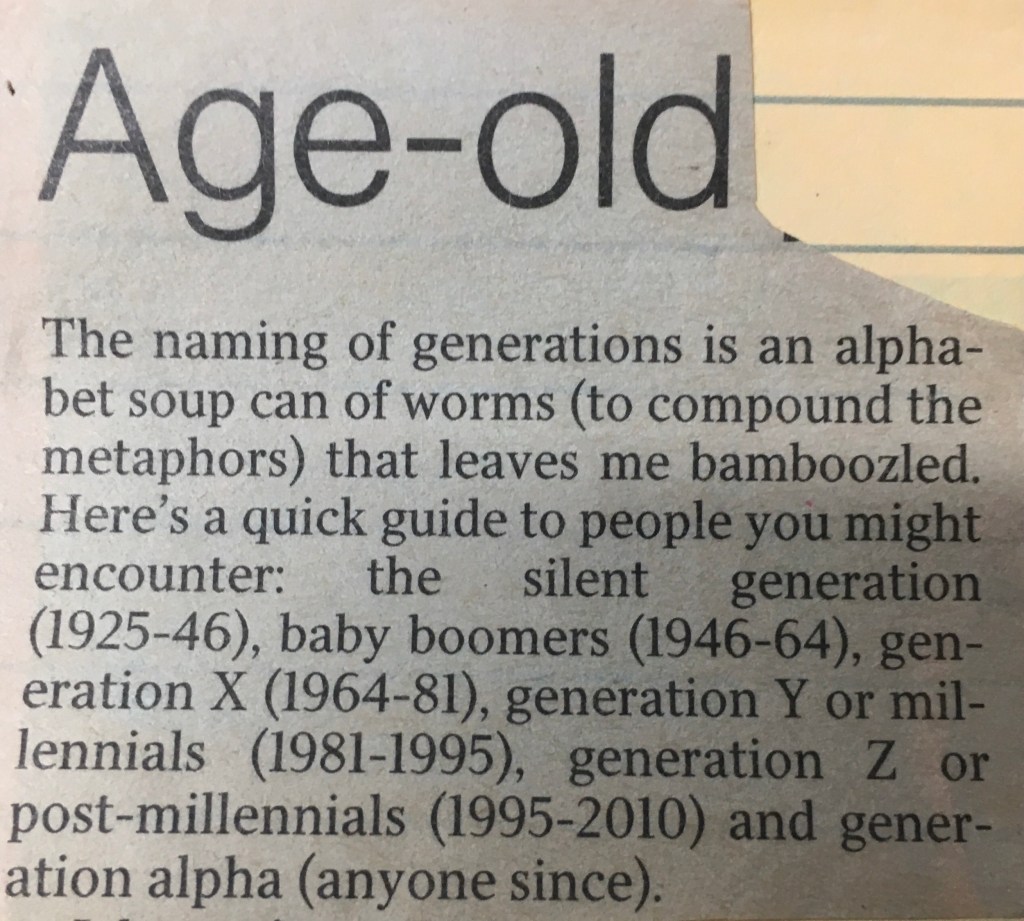


Greyhound racing.
Sadly, that means that the trophy for winning The Bow Wow Stakes will be no more.
VENEER
A thin decorative covering
Donald Trump.


On a scale of 1 to 10 where 1 is totally unprepared and 10 is fully prepared, how ready is Australia to defend itself from aggressive military conflict?
Which areas of Australia would be the most vulnerable if war was unleashed on this country?
Evaluating Australia’s readiness to defend itself from aggressive military conflict can be complex and subjective. Here’s a breakdown considering various factors:
While Australia is relatively well-prepared, vulnerabilities exist, particularly regarding urban, military, and resource-rich areas. Continuous assessment and strategic planning are crucial to enhance defense capabilities and minimize potential risks.
I keep worrying and have little confidence.
Donald Trump.
Adelaide v Collingwood


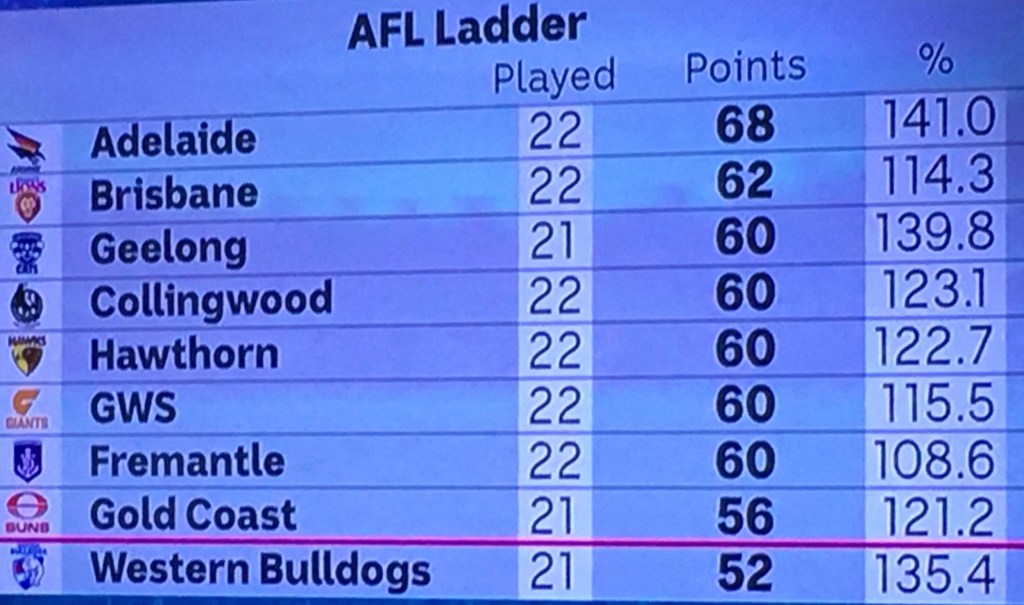
Adelaide v Collingwood
The ladder before the game.
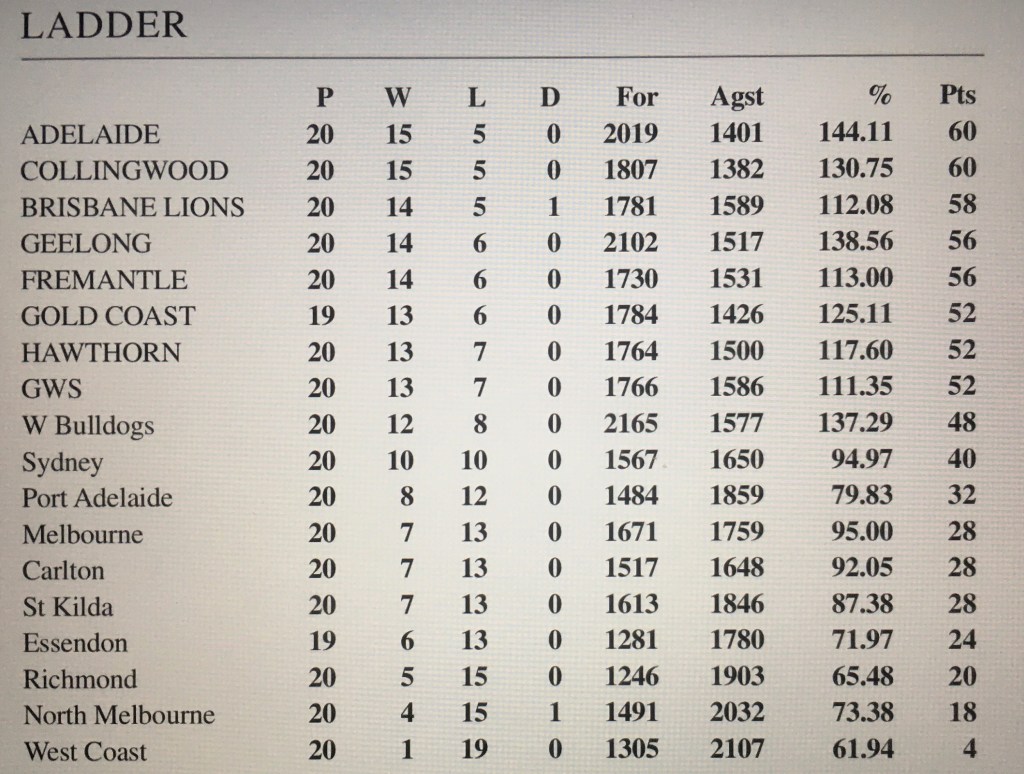
Action
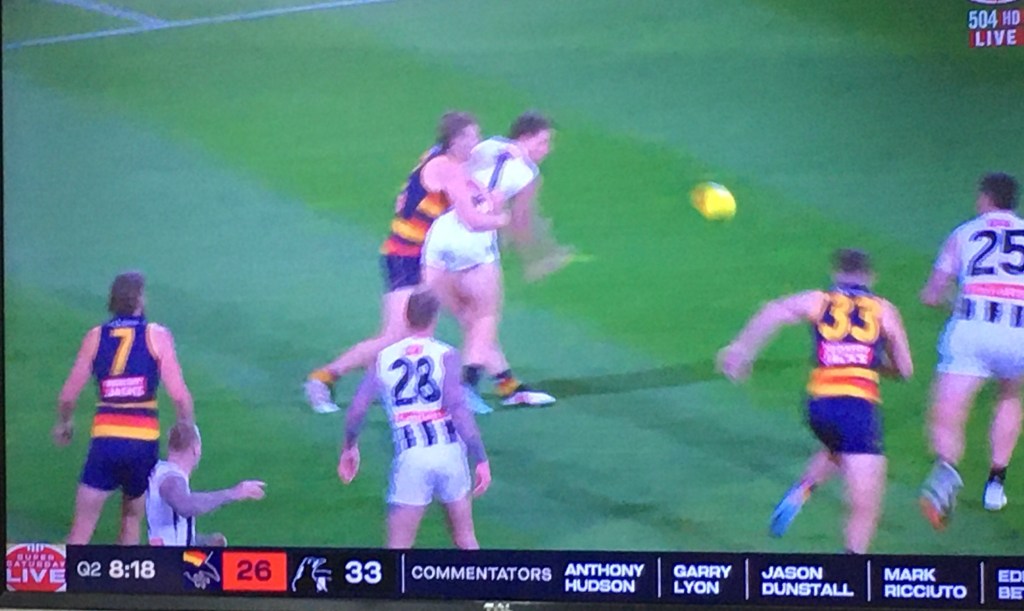

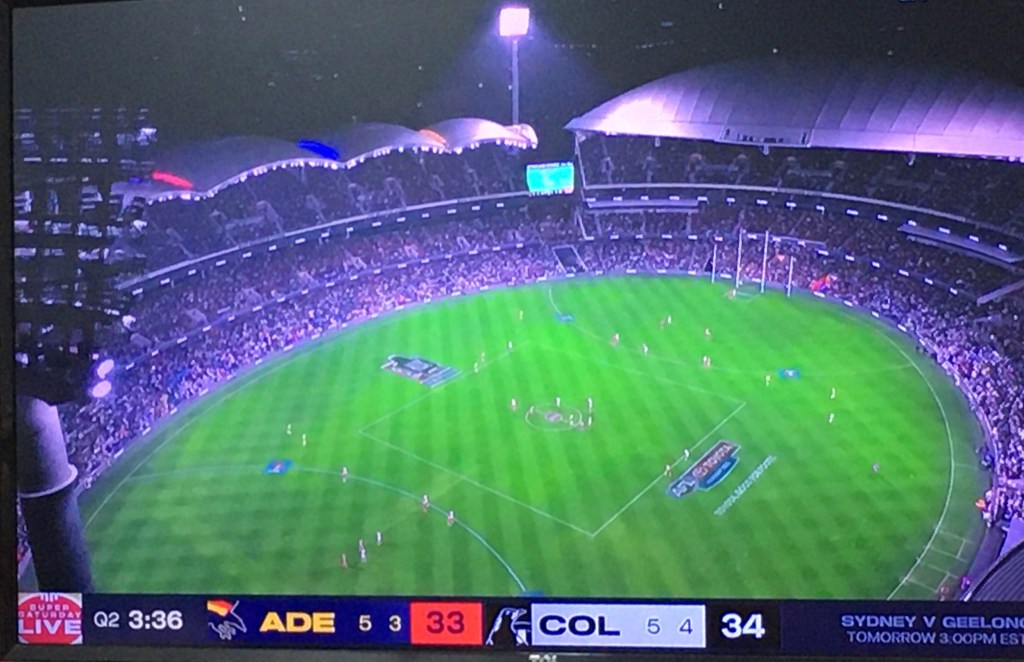
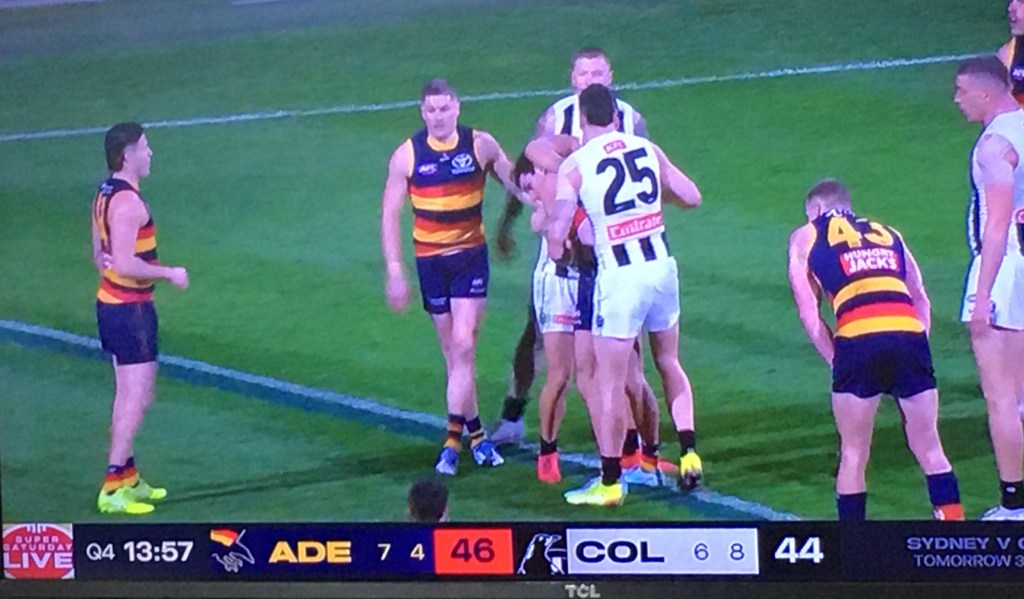

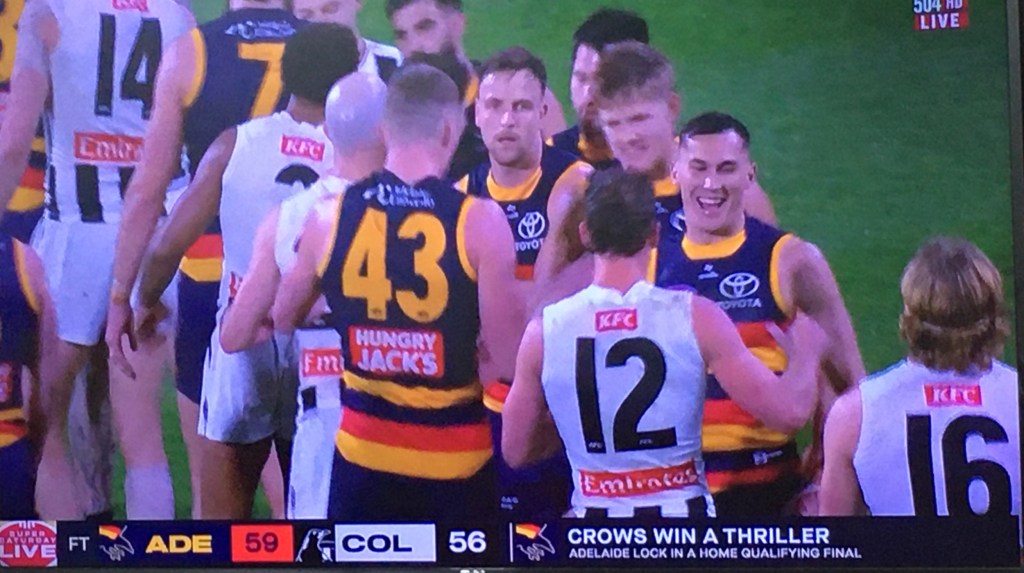
Anthony Albanese.
Is peace, peace, when a peacekeeping force of nations – often warring with each other – required to keep that peace as peace after negotiation?
The Russian offensive against Ukraine will never end. They will still be engaged in this sad confrontation until 2030 and possibly beyond.
In the other side of the conflict, Gaza will never be rebuilt above ground. At best, it will become an underground Cooper Pedy.
I feel there are already. 3,500 kilometres of underground tunnels in Gaza. They are built at three levels of depth – tunnel under tunnel under tunnel. HAMAS will endure in some form or other for all time. Sad but true.




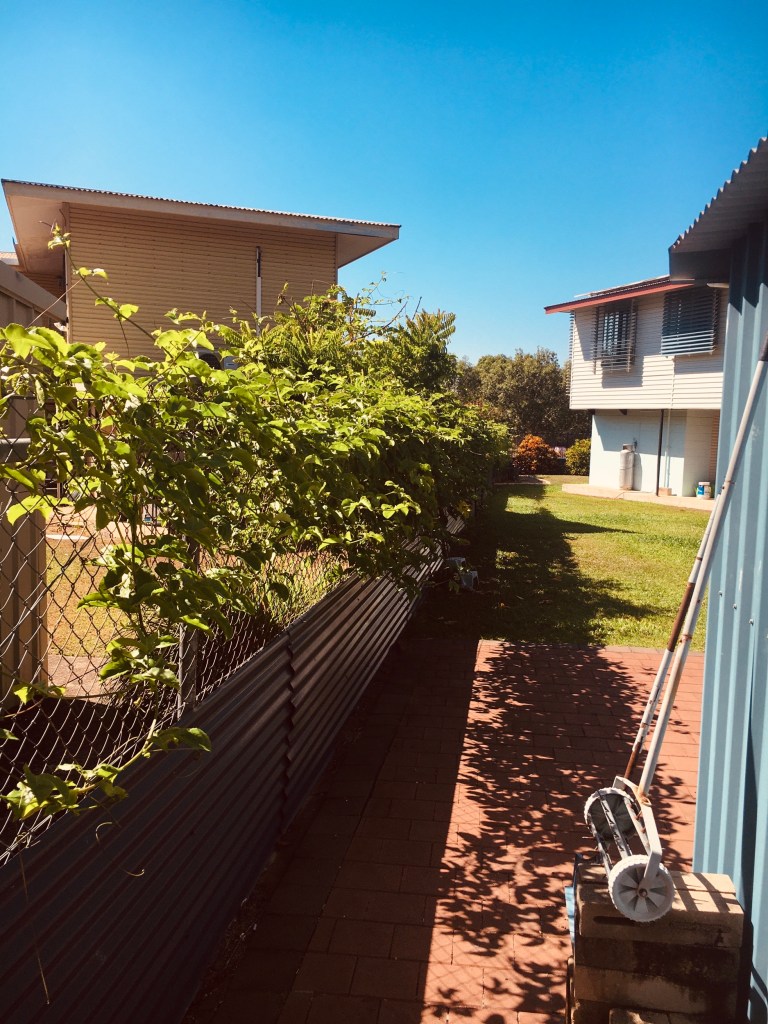

What is the first thing and what is the last thing education should teach?
Response:
Education plays a crucial role in shaping individuals and societies, and the first and last things it should teach can vary based on perspectives. However, here’s a general synthesis:
In summary, starting with critical thinking and curiosity prepares students to engage with the world, while teaching empathy and responsibility helps them contribute meaningfully to it. This cycle ensures that education not only equips individuals with knowledge but also nurtures compassionate and responsible citizens.
AI has the wisdom of Solomon.
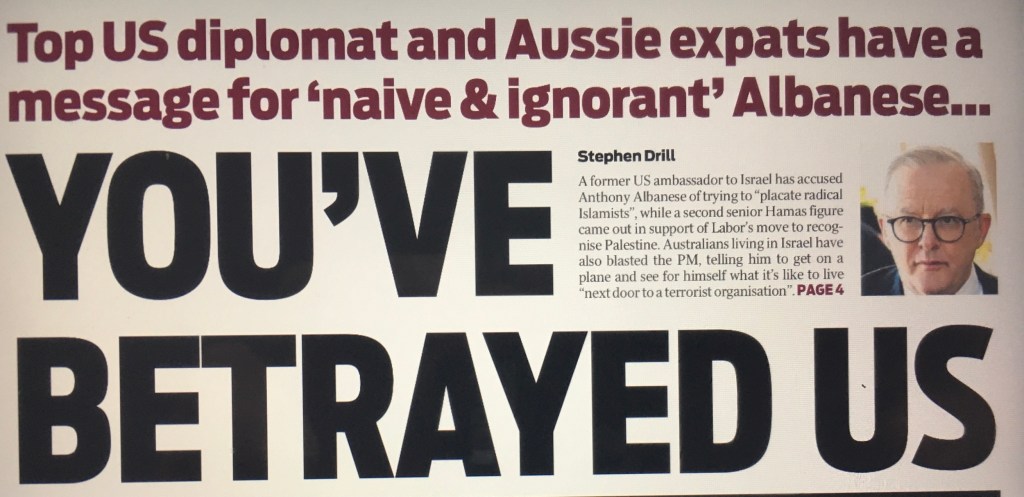
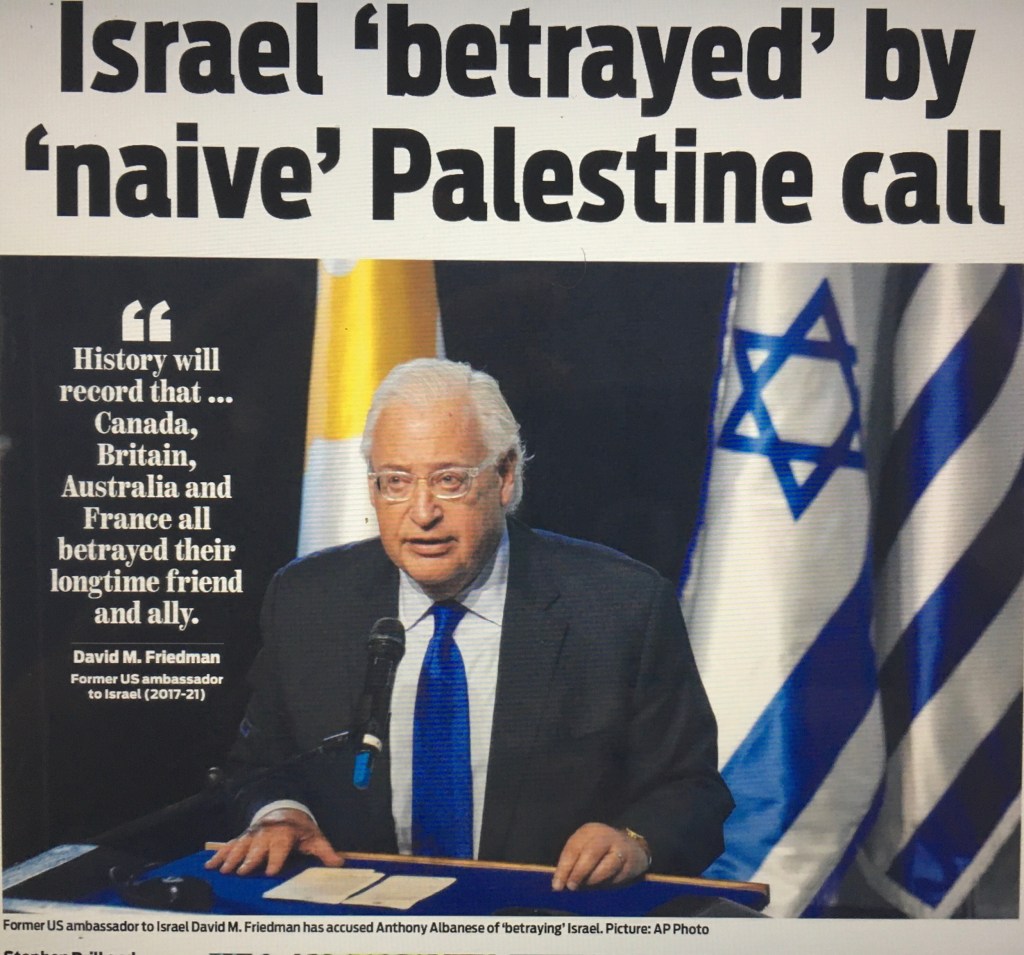

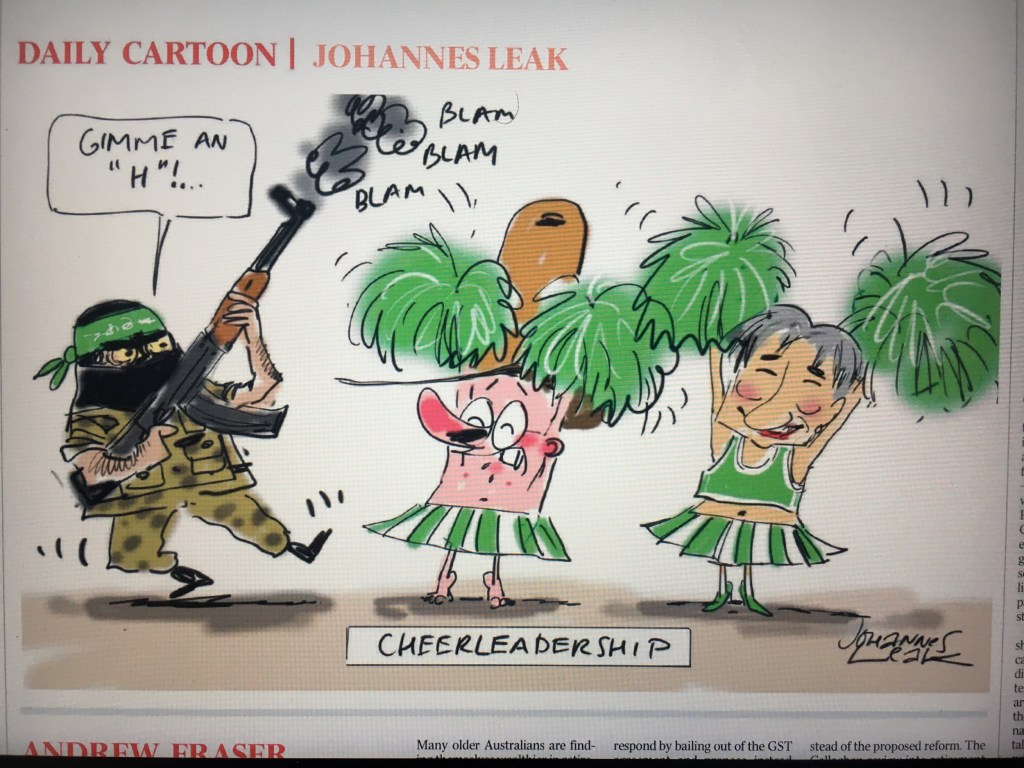
Sources: Daily Telegraph and The Australian 15/8/2025.
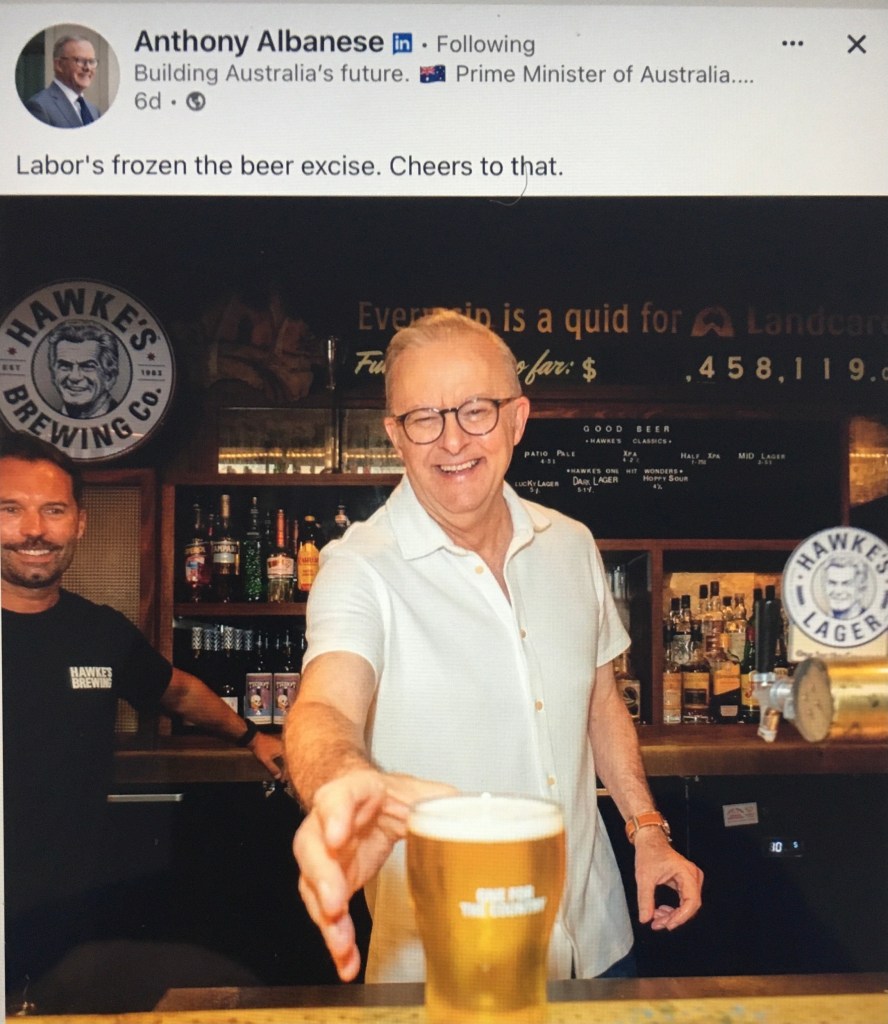

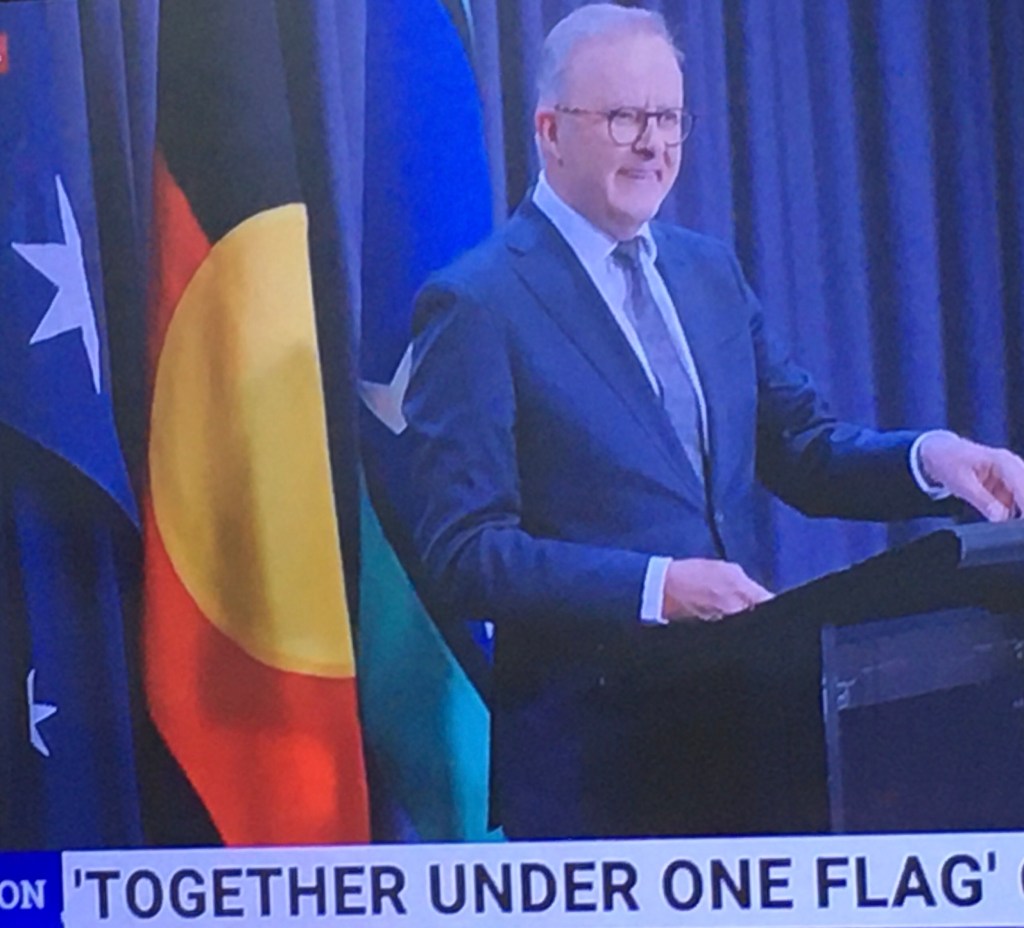

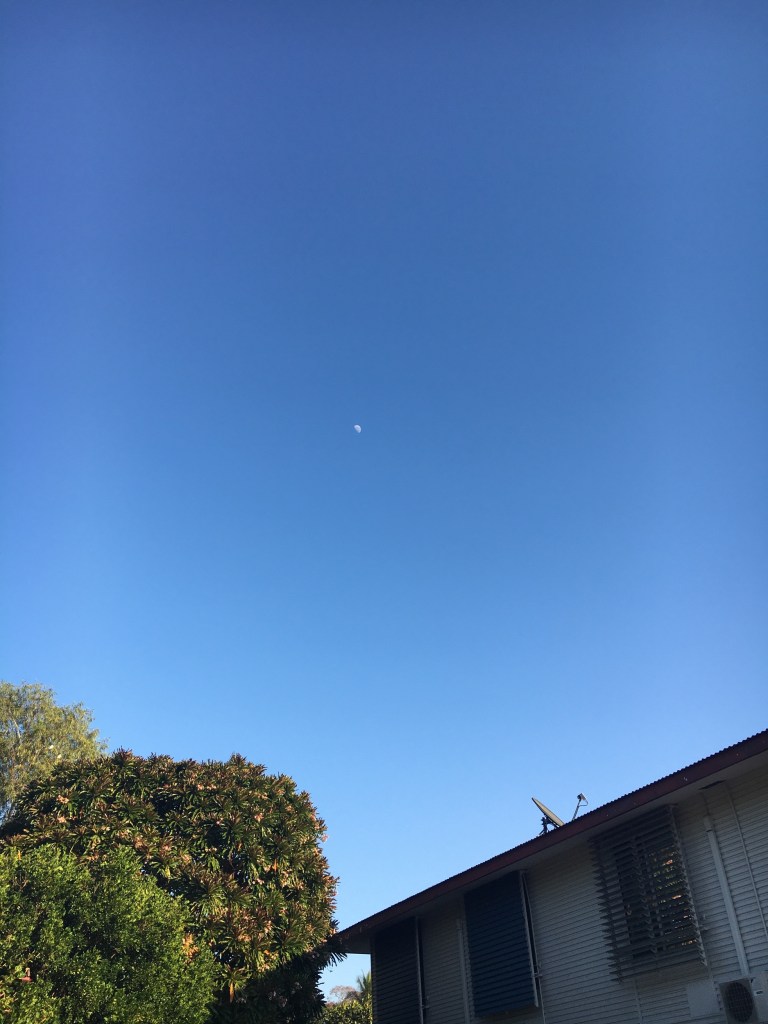


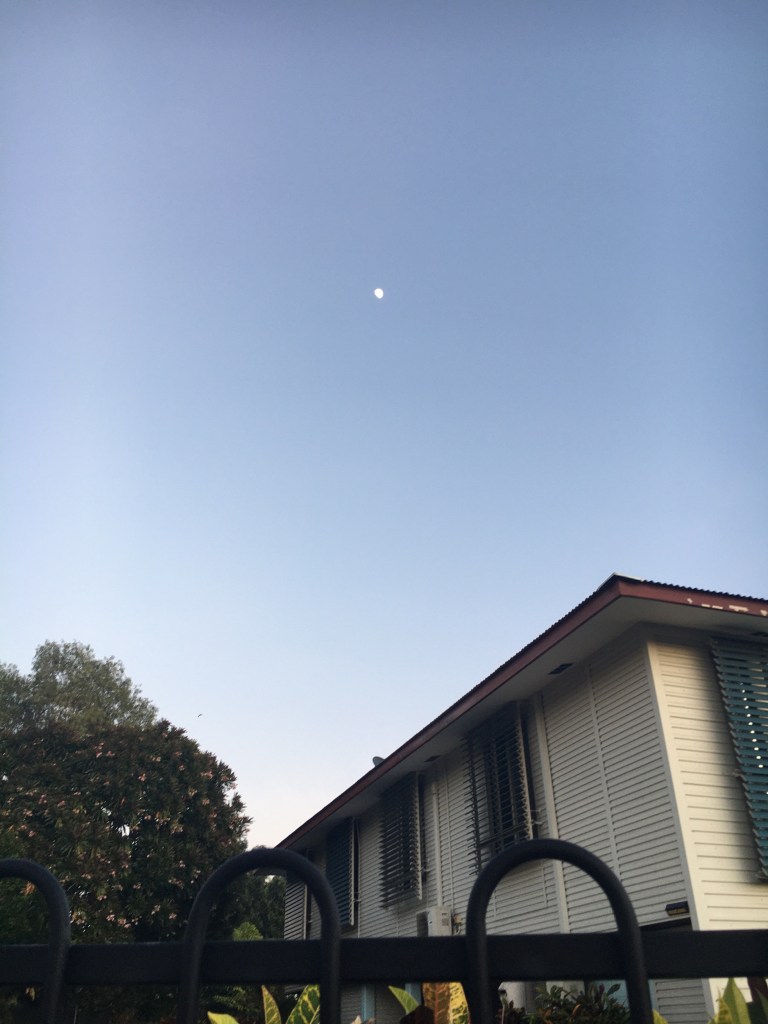


The day after that…
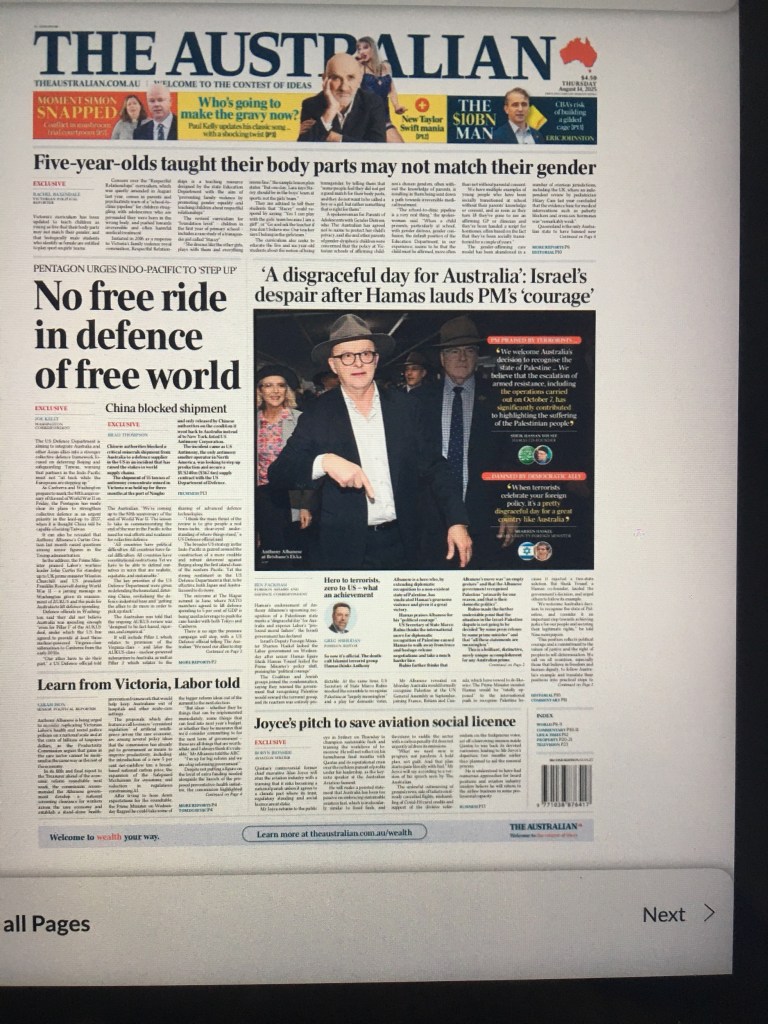

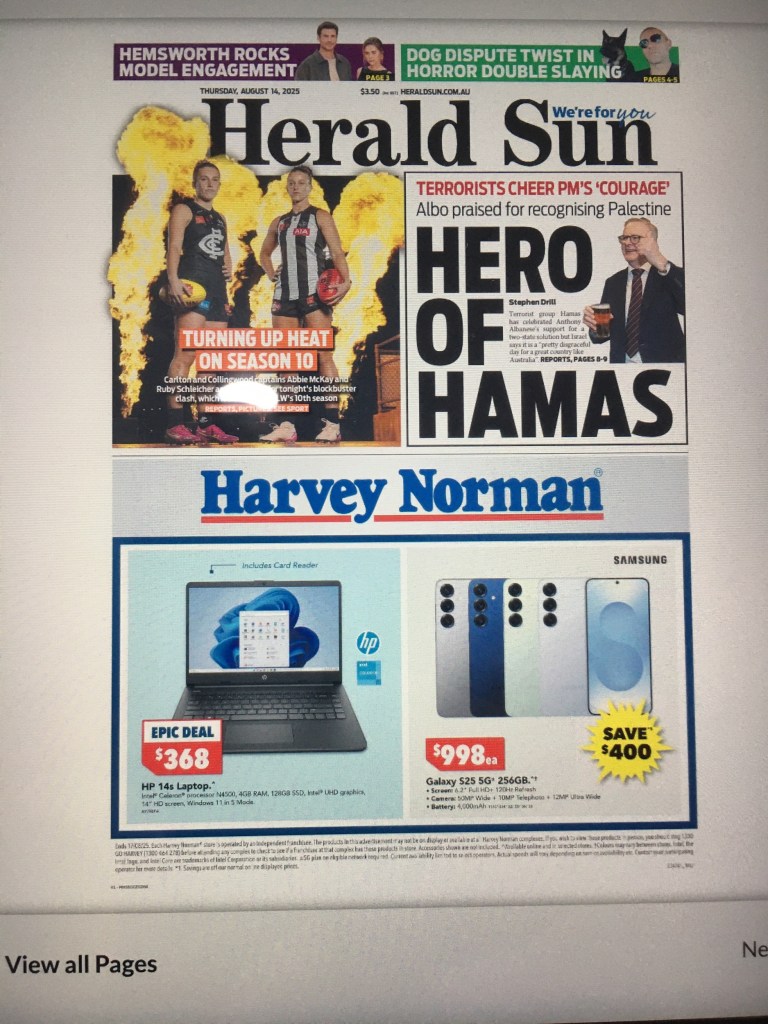


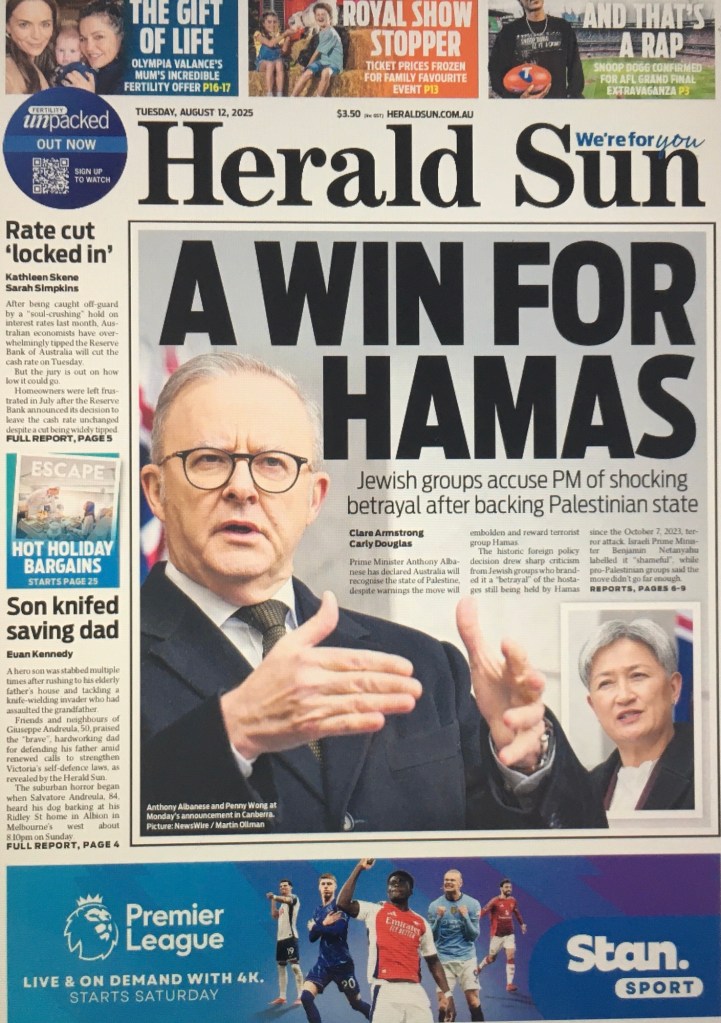


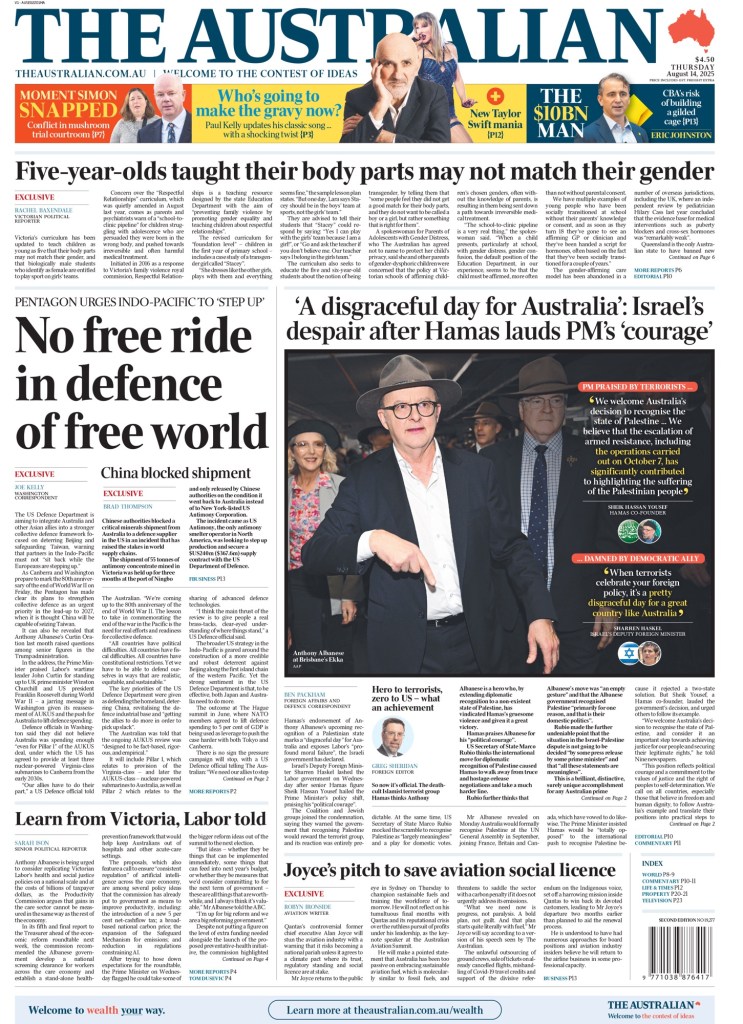


Source The Australian 14/8/ 2025
DEPERCHMENT
For many a year I have pondered the notion of ‘deperchment’. Deperchment is a process whereby principals and other organisational leaders, metaphorically, are like birds on a tree branch. ‘Up there’ looking down on the domains of their responsibilities, they become easy targets for those who would like to take pot shots at them, aiming to destabilise them for an array of reasons. It may be the leader is doing a poor job and seems to be cocooned from replacement by the system. It may be those within the system at all levels taking aim and not always for legitimate reasons. It may be a parent or community member winding up at the poor leader through system channels for perceived poor performance.
Deperchment as a potential end-point means leaders are often insecure, hesitant, and worriers about the target on their backs. Deperchment is anathema and a sad reality of leadership life.
______________________
TOP PRIORITY
For me, the best of all leadership outcomes over the years stemmed from being able to make a difference, a real difference for both staff and students. I used to get into some degree of difficulty at times with hierarchy for minimal or lagging compliance with commands and demands. That was often a structured response and one for which no apology was due. Being a ‘people principal’. Knowing and being known to staff and students really mattered. People development was (and still is) a key priority for me. I know it is for all of us but it is easy to get sucked into the maelstrom of organisational perspective – which can lead to diminishment of effort at the coalface
These days, budget stringency and cost-cutting measures are front and centre for all organisations. Be it private industry or government enterprise, the issue of budget context is a primary conversational point. With the passing of time budgetary constraints become more and more stringent. Cost cutting and reprioritising expenditure is the order of the day.
In that context that I am somewhat bemused by an area in which logical and legitimate curtailment could be made, without reducing the effectiveness or efficiency of operations. In fact, the reverse may apply.
Meeting on-line
It is paradoxical that in an era of cost cutting and pruning, one domain which seems to be forever expanded and never curtailed, relates to travel and accommodation costs associated with meetings, conferences and gatherings. Without being too cynical, it seems to me that people within both government and private sectors take every opportunity possible to travel for the purpose of meetings and conference opportunities. Some meetings attended, last for very short periods of time but that doesn’t reduce travel costs. Anecdotal evidence about attendance at
intra-territory, interstate and overseas meetings is frequent. Whenever you ring wanting to talk to people at middle and upper level management within organisations, it seems that they are away from the Territory attending conferences or going to meetings.
Changes I would make
In my opinion there is absolutely no need for these constant gatherings. They are disruptive, detract from work function and add hugely to enterprise costs. One of the first changes I would make as a departmental head or person in charge of an employing organisation, would be to institute a program of meeting online through whichever of the technologies is most appropriate. It could be by teleconference, video-conferencing, Skype or some other cyberspace methodology. Meetings would be instantaneous. Within the framework of reasonableness, people could connect worldwide and engage in conversation of the subject under discussion. While socialisation and getting together are important, the issue of time utilisation and cost saving makes this method one that needs further exploration.
I became involved with Online Conferencing in the late 1990s. During the following years I attended many significant conferences that had world-wide connection. They were extremely well organised, followed carefully constructed timetables and operated on a 24/7 basis. Online discussion and later video linking helped make these connections relevant, focussed and timely. Importantly, as a school principal, I remained on duty at my workplace. At the same time I had the opportunity to extend my professional horizons by contributing online to conferences and professional gatherings.
Several years ago the Association of Northern Territory School Educational Leaders (ANTSEL) organised its Biennial Conference through online method. Conference contributors involved through video linkage, the sharing of papers, discussion threads on topics. This conference was one of the cheapest ever in terms of dollar cost and one of the most significant in terms of its organisational structure.
Setting Priorities
Gatherings of people are important. However they incur significant expenditure and involve regular absence from work. In the interests of better effectiveness and efficiency and better utilisation of budgets I strongly suggest that online alternatives of meeting and gathering through cyberspace links should be explored.
I suspect that airline companies, convention organisers and accommodation providers may not be particularly impressed by this alternative method of gathering. However, in the interests of budget setting and establishing careful expenditure priorities, I would encourage an examination of this alternative conferencing and meeting method.
Those living and working in remote communities in the 2020’s do not understand isolation and what it means.
Most remote communities these days have access to telephone communications and the internet. Services can be irregular at times but they are there. Phone conversations, FaceTime and Zoom are available, keeping those providing remote area service with personal and professional contact opportunitie
Fax machines have been available in some places while email means that the speed of written communication has overcome the isolation and delays of snail mail as the only option for the transmission of correspondence.
My first teaching appointment was to Warburton Ranges (WA) in 1970, an Aboriginal community over five hundred of kilometres from the nearest town . A mail and supply truck came once every six weeks. We had to rely on outback radio overseen by the mission nursing station for transmission of messages. That was weather permitting and provided there was room on the schedule for our communications.
This is no fairy tale. It is for real.
How would outback teachers cope these days
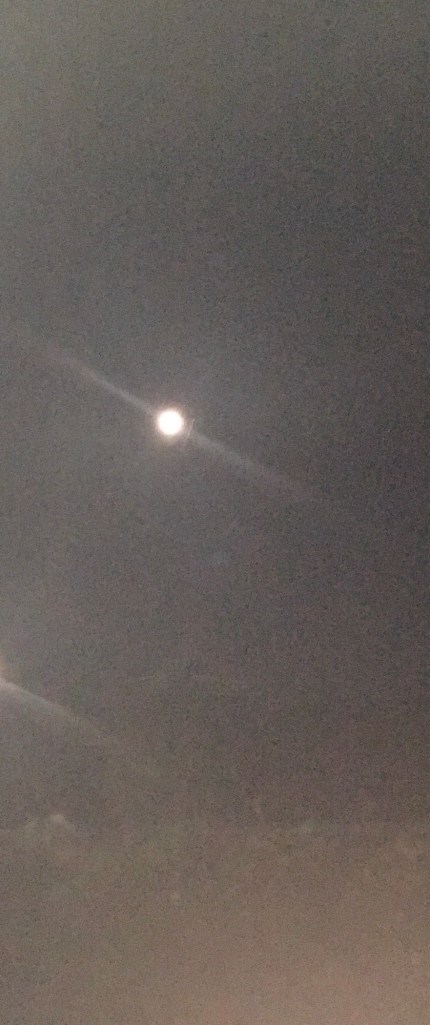

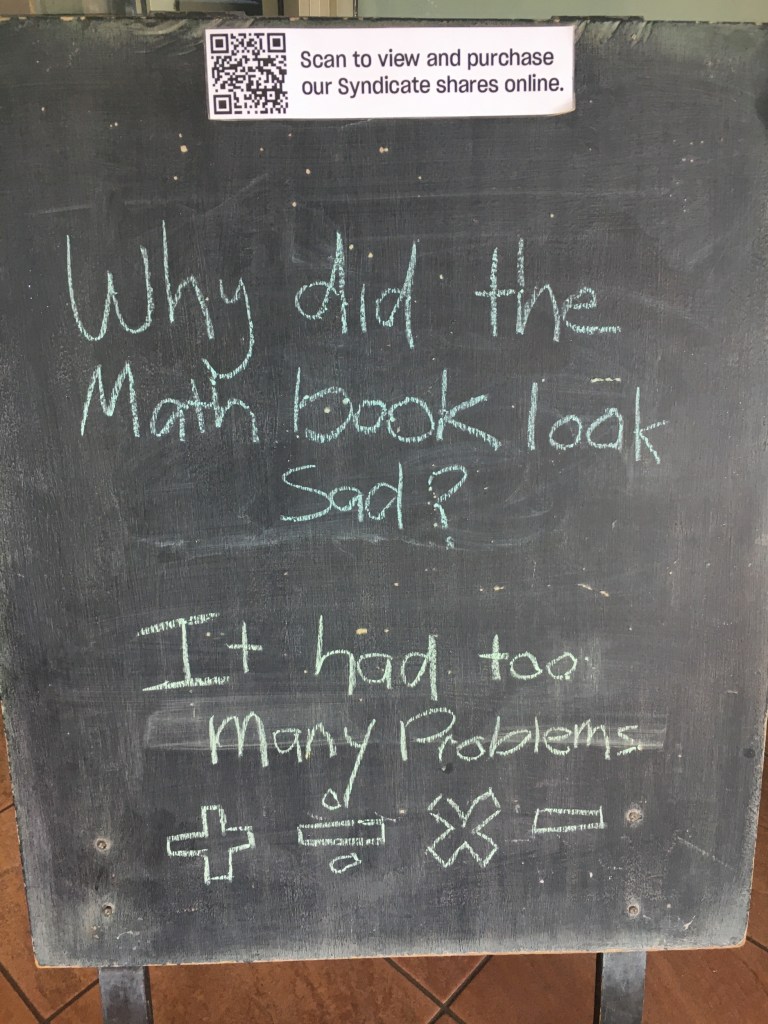
What POH thinks
Four Day working week
It seems that employees—or at least their unions, in which some have membership—want more and more from workers, with them doing less and less.
This is turning into a no-win situation for business and possibly industry.
For many businesses, robotic performance and AI will become standard alternatives to live people at work—and that in the not-too-distant future.
Our Prime Minister leaves the hallowed halls of the Federal Parliament – the House on the Hill …

Source: The Australian 13/8/25
How can I stop feeling awful and despondent about getting old?
Response:
Feeling uneasy about aging is a common experience, and there are several strategies you can adopt to help shift your perspective. Here are some suggestions:
Remember that feeling despondent about aging is a natural part of life, but it doesn’t have to dominate your experience. By taking active steps to foster a positive outlook and connect with others, you can navigate this stage of life with more acceptance and joy.
I can but hope.
If Vladimir Putin was to become President of America, what would he keep and what would he change?
Response:
Imagining Vladimir Putin as the President of the United States brings forth many intriguing possibilities. Here are some speculative thoughts on what he might keep or change:
While the hypothetical scenario of Putin as U.S. President presents many potential shifts, various factors like American political culture, institutions, and public opinion would heavily influence actual outcomes. The differences in systems of governance and values between Russia and the United States would also present significant challenges.
If Donald Trump was to become President of Russia, what would he keep and what would he change?
Response:
It’s interesting to consider the hypothetical scenario of Donald Trump as President of Russia. Below are some points that might reflect what he could potentially keep or change based on his past policies and statements:
This scenario depends greatly on both external and internal pressures and reactions from the global community and Russian citizens. It’s a speculative exercise, as actual governance styles can vary significantly from campaign promises or personal ideologies.

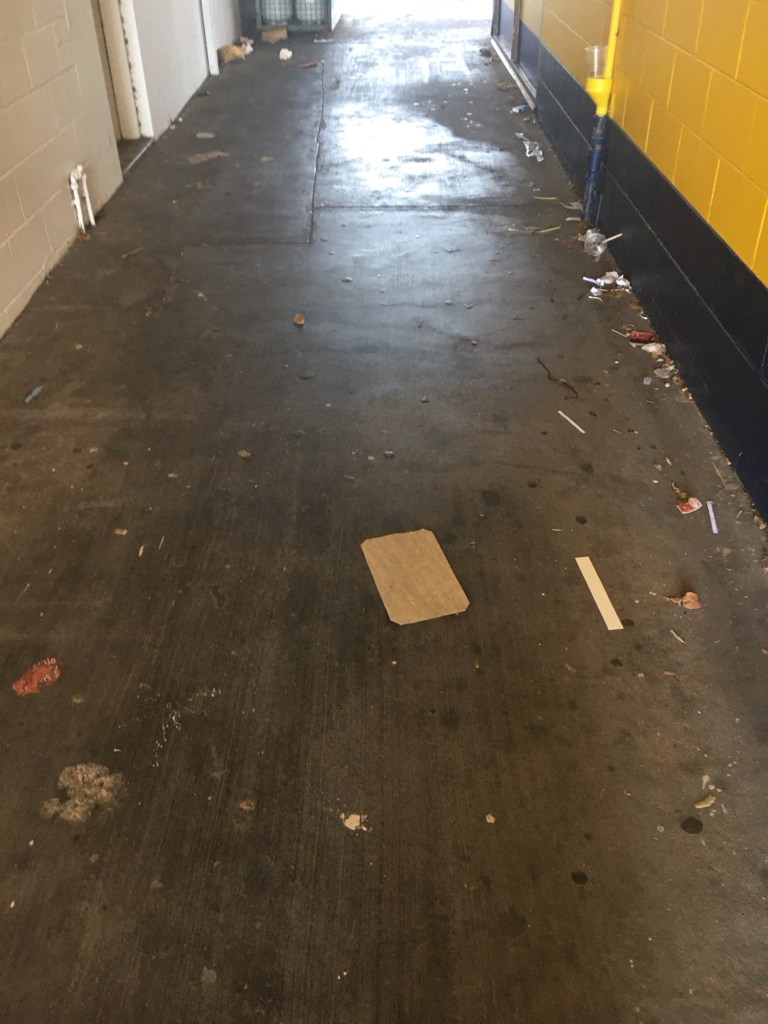


Always do right,
Never do wrong,
Walk on the upway,
One slip and you’re gone,
Always take care,
When a matter is raised,
Lest you earn criticism
And not be praised.
For what you have said,
And the way it came out,
It’s so very easy,
To speak wrong way about.
Donald Trump.
Donald Trump.
Donald Trump’s.
If you were going to open up a shop, what would you sell?
Never in all my life have I ever wanted to open a shop. It is not my scene.
That said, my daughter and son-in-law have a bakery and cafe in one of the Northern Territory’s regional towns. It is known as “The Peninsular Bakery and Cafe”, a business they started from scratch twelve years ago.
Now the business is thriving and enjoys an outstanding reputation. (They have a website and Facebook page if anyone wants to explore online.)
Their enthusiasm, dedication and commitment to serving people through the service provided is well and truly understood.
Considering this question, the only shop I could think of as being one for me would be a florist shop.
I love flowers, and during my years as a school principal, I spent hundreds of dollars on flowers to help celebrate birthdays, school anniversaries and so on.
I loved the joy that the giving of flowers brought to people for whom they were purchased.
The joy I felt in giving flowers and the delight I Invariably saw or heard about from recipients made everything worthwhile.
Yes, it would be a florist shop for me.
There is some assumption that positions taken on the world stage and within the world forum by Australia, are made on behalf of ALL Australians.
Not always and not all the time from this old man.
We may be bound by the stated political position. Fine. But that often does not reflect my feelings or position on all matters.
Just wanted to make that point.
Henry Gray
August 11 2025
Today 11/8 Prime Minister Albanese said that in Australia we live in a harmonious community
We did once.
We don’t any longer.
Harmony within our country is drifting ever further away from Australia.
To AI
Is Vladimir Putin envious of Donald Trump?
Response:
The question of whether Vladimir Putin is envious of Donald Trump is complex and largely speculative. Here are some points to consider:
Ultimately, without direct insights into their thoughts and emotions, any assertions about envy remain speculative.
Two key figures in this world. And south of the equator is Anthony Albanese.
To AI
Do Russians believe Vladimir Putin is immortal?
Response:
The belief that Vladimir Putin is immortal is not a widely held view among the general population in Russia. However, there are some conspiracy theories and jokes circulating in Russian media and culture that suggest he has near-superhuman qualities or an extraordinary ability to survive dangerous situations.
Many Russians have a complex relationship with Putin, characterized by a mix of support, skepticism, and criticism. While he is viewed as a strong leader by some, the idea of him being “immortal” is more often used in a satirical context rather than as a serious belief.
In summary, while certain narratives about Putin might lend themselves to the notion of him being “immortal,” it does not reflect a serious or mainstream belief among Russians.
What interesting thoughts.
Donald Trump.
Donald Trump.
Donald Trump.

I retired from full-time educational participation in January 2012. I have enjoyed the intervening years since then. I like being retired. It is not deadly dull and boring.
I reflect a lot, write a lot, talk a lot, sing a lot, laugh a lot, and create poetry that is everything from nonsensical to servere.
I also observe, with my mouth agape, how people who are leaders today do NOT. I like to consider history, which may assist in their decision-making.
They love making the same mistakes that have been made in the past. I enjoy the lead-up to elections and like pondering the future, which seems more to be heading south than north.
Where to from here – further into retirement until the end of my time on earth.
Donald Trumps.
Donald Trump.
Does Coreflute advertising persuade voters preferences?
Response:
Coreflute advertising, often used in political campaigns in Australia, can influence voter preferences, although its effectiveness varies. Here are some relevant insights:
While there isn’t a definitive consensus on the overall impact of coreflute advertising on voter preference, it remains a common tool in Australian political campaigns, contributing to a candidate’s visibility and potentially influencing voter decisions.
For an in-depth understanding, you can explore related literature or studies on the effectiveness of outdoor political advertising.
There are thousands of coreflutes everywhere around the NT right now.
Does research show if the corelutes along Australian ccc roadsides advertising candidates prior to elections distract drivers and promote road accidents?
Response:
Research indicates that roadside advertising, including political candidate advertisements, can distract drivers and potentially contribute to road accidents. Here are some relevant findings and readings on the topic:
These resources provide a starting point for understanding the relationship between roadside advertising and driver distraction in the context of Australian roads.
Thank you
I support West Coast and see where they are in the season just completed.

Donald Trump.

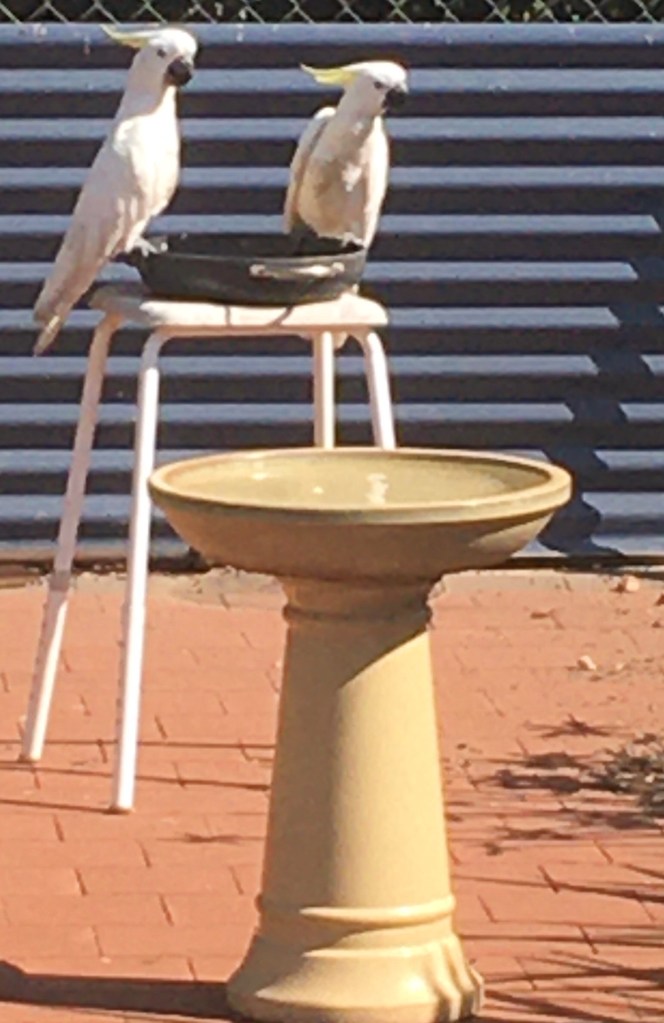
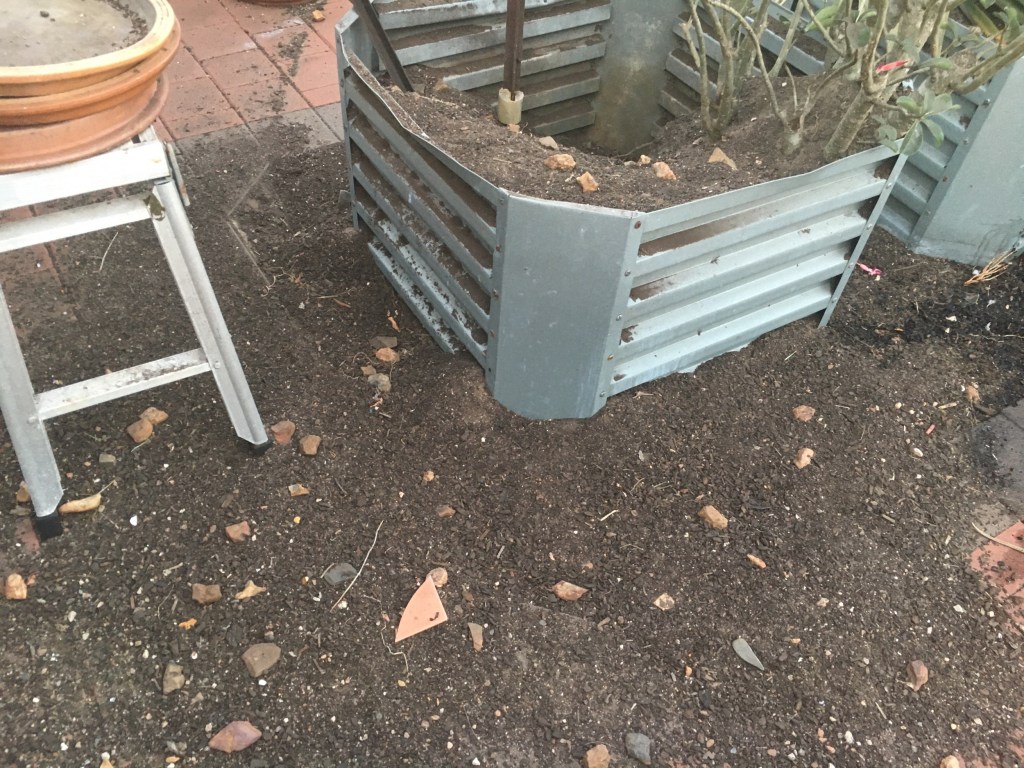
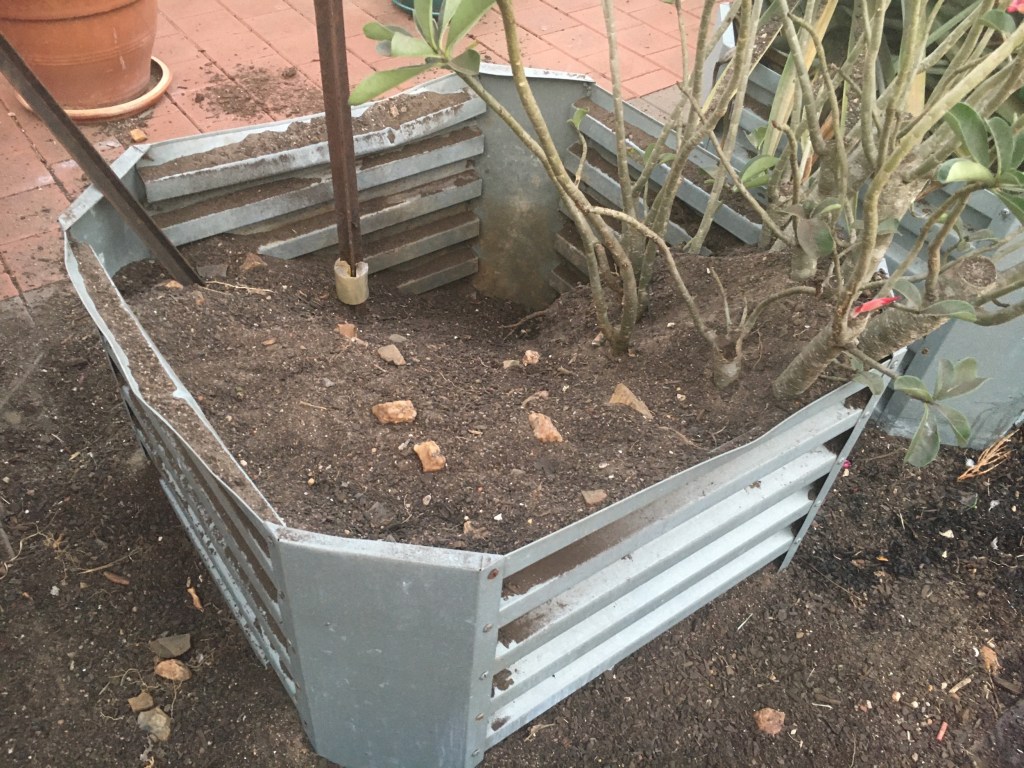


POH asks AI
What is the first thing and what is the last thing education should teach?
Response:
Education plays a crucial role in shaping individuals and societies, and the first and last things it should teach can vary based on perspectives. However, here’s a general synthesis:
In summary, starting with critical thinking and curiosity prepares students to engage with the world, while teaching empathy and responsibility helps them contribute meaningfully to it. This cycle ensures that education not only equips individuals with knowledge but also nurtures compassionate and responsible citizens.
What a bookend statement
Response :
Poor Old Henry asked AI
Response:
Backbiting, bitching, and snitching are behaviors that can be found in various cultures globally, but they may appear particularly pronounced in certain contexts within American society. Here are some social dynamics that might explain the prevalence of these behaviors:
While these behaviors can be socially ingrained in certain contexts, it’s important to note that many individuals and groups actively work against such negativity, promoting more supportive and positive communication and interactions in their communities.
So sad and so selfish
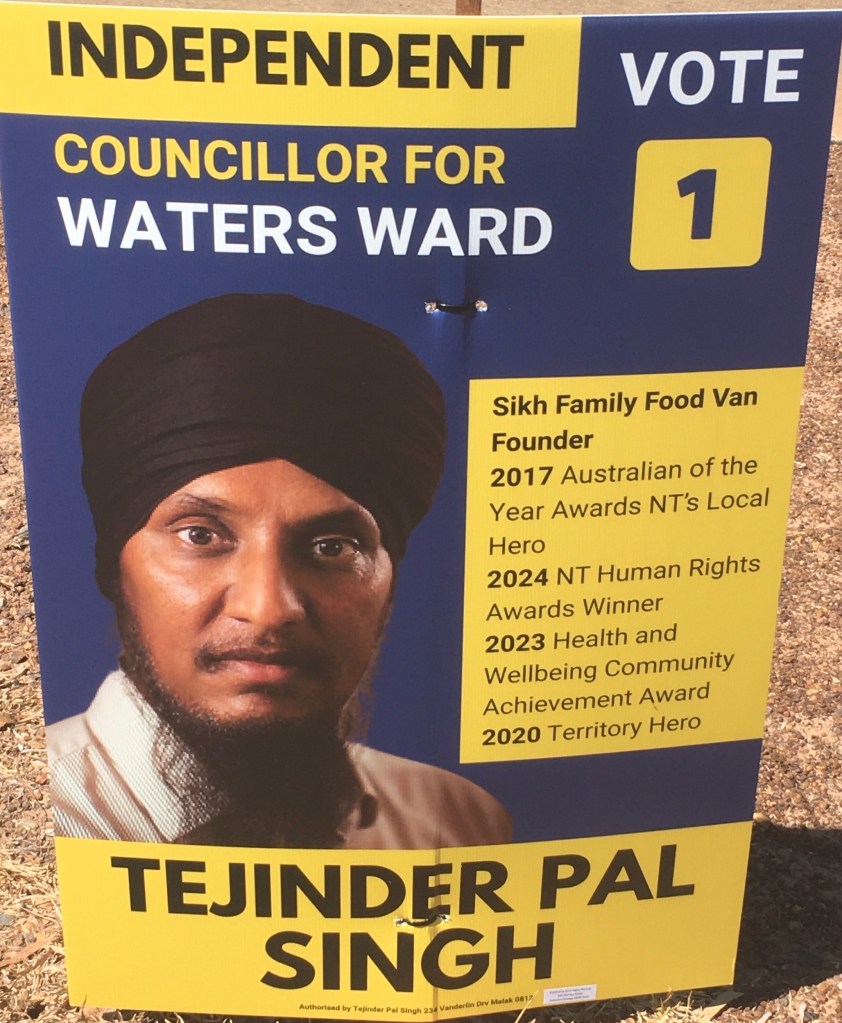

Poor Old Henry asked AI
Response:
The challenges faced by police and teachers in Australia, particularly in the Northern Territory (NT), can be attributed to a range of interconnected factors:
To improve relationships and mutual respect, initiatives might include:
Each of these factors is complex and contributing to the overall dynamic of respect and challenge faced by police and teachers in Australia, particularly in the Northern Territory.
I loved teaching but would NOT recommend it to anyone these days.
Donald Trump.
Donald Trump.
Donald Trump.
Local Government Elections August 23
Upcoming Local Government elections in Darwin and the NT
Following council elections, you hear nothing from Councillors—only the Lord Mayor—from one election to the next. Another issue is that the only information one receives requires people to look online.
There is no personal contact. I have not heard from any elected councillor in the Richardson Ward for at least ten years.
I often feel that the Council is more interested in structure than function, and of course, that is what has happened within many organisations and government departments.
I would add that in the last ‘many years’, the one councillor who stood out to me because of his focus on issues was the now Member for Karama in the NT Government, Brian O’Gallagher.
Euthanasia – another inquiry
I will contribute to this debate, but I am tired of contributing repeatedly over time. It is high time euthanasia came into place. As a much younger man, I supported the Perron initiative, felt inferior and somewhat defiled by the Andrews/Burke recission bill, more than disappointed that other states went ahead, justified in my position when the Federal Government restored the right to its territories to pursue this i I was happy for the ACT for its action, disappointed at the drag on and on in the NT, glad when the first committee delivered its comprehensive report, bemused at the delay that followed, and incredulous that we now have a second ‘inquiry built on the first inquiry’. Just get on and get it done!
Rugby game called off by abused officials
Why should umpires and referees have to tolerate the abuse, often vile and offensive, directed at them by spectators who, in all probability, are more ‘lucid’ than usual because of beverage consumption. Good on the officials for calling the game off.
Election ever closer
I am internally excited and thrilled to the core of my soul that there are at least three excellent COD councillors who are standing for the Lord Mayor’s position. We are in for an outstanding campaign.
Australia’s vulnerability in defence terms
We are vulnerable and open to being overrun quickly by any aggressive nation coming our way. Darwin would be gone within a day, and Australia would be overrun within a week or ten days. Australia is good with mock scenarios, but would be quickly skittled if the real thing were unleashed on our hapless country.
Local Government elections
There will be so many candidates vying for Lord Mayor that a dedicated insert covering all candidates for all positions in all areas is warranted. In 2017, the NT News produced an outstanding supplement on local government elections, and I just hope the editorial and management personnel consider the same again for the August 24 local government elections.
Australia and racial relations – harmony out and tensions in
Our pussy-footing government (Federal) is absolutely to blame for allowing the envelope to be pushed on this subject. The only strength of the government in this matter is its increasingly lenient expectations and increasing accommodation of this sad situation. And then Albanese has the gall to say that Australia is a racially integrated and harmonious country! RUBBISH!! It was once, but no longer.
So many good candidates want to be mayor – how can I choose!
The more mayoral candidates, the merrier. I wish David Tollner would consider standing. I am delighted that Amy Un has been nominated as a mayoral candidate. There are so many good people to choose from that it is causing me a major headache in selection and consideration.
Forum for mayoral candidates
Please, may we have a live and televised forum for all mayoral candidates. It should be moderated by Matt Cunningham or Katie Woolf and accepting of audience questions.


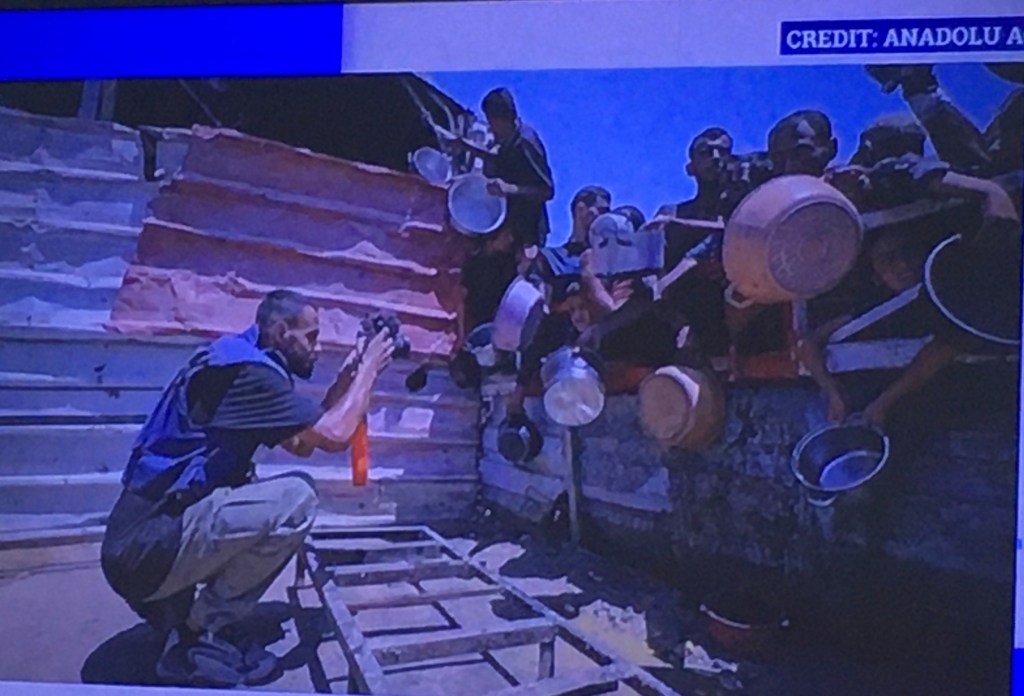
Source: Fox TV
Donald Trump’s contribution.

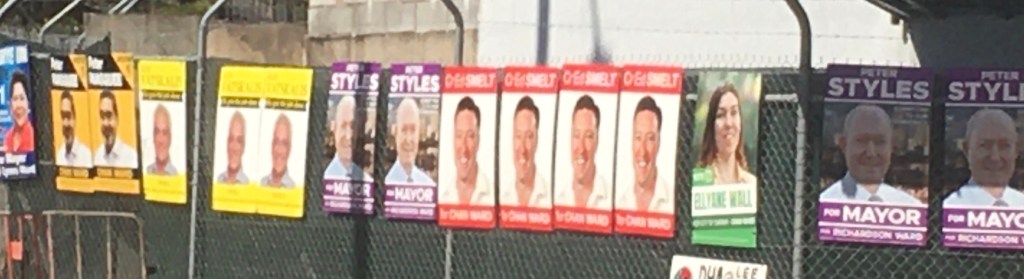

Donald Trump
Donald Trump
Sadly, there were some elements who were against the Jews
The loud hailer person was shouting slogans which otherS then chanted back on ‘echo’ about the IDF, Israel and so on.
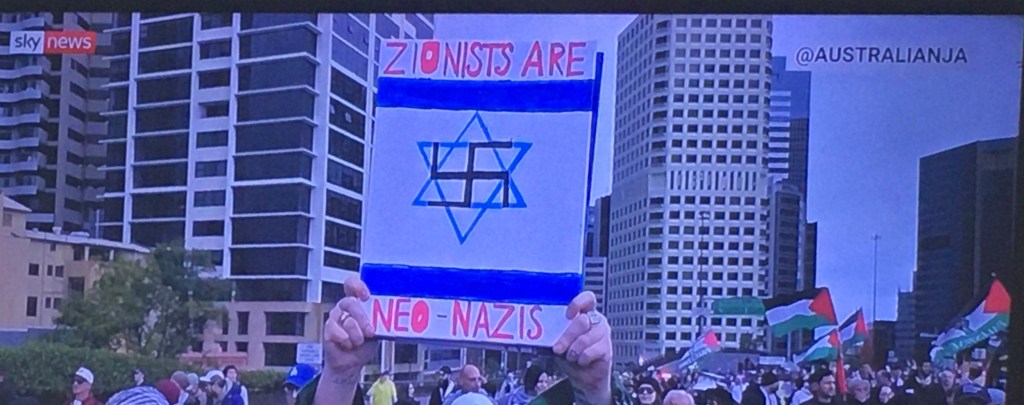


Melbourne was worse.


Donald Trump.
Donald Trump’s endearing quirks and habits that resonate with many people include:
These traits create a distinctive personality that endears him to many, making him a unique figure in the political landscape.
Source: AIA
Donald Trump.
Donald Trump has expressed admiration for several authors throughout various interviews and writings. One author he has frequently mentioned is Tony Schwartz, who co-authored “The Art of the Deal.” Trump has also shown appreciation for books by Alfred Adler and has mentioned reading the Bible as well. Additionally, he has indicated a fondness for works by Robert Greene, particularly “The 48 Laws of Power.”
Source: AI
Literature
Donald Trump
Donald Trump’s favorite foods reportedly include:
These preferences reflect his often-casual dining choices.
Source: AI
Donald Trump.
Donald Trump has stated in the past that he does not drink alcohol. He has mentioned that he abstained from drinking due to personal reasons, including the impact of alcoholism in his family. Trump has often emphasized his choice to avoid alcohol entirely.
Source: AI
North of 90,000 March in Sydney Harbour on Sunday in support of Palestinians


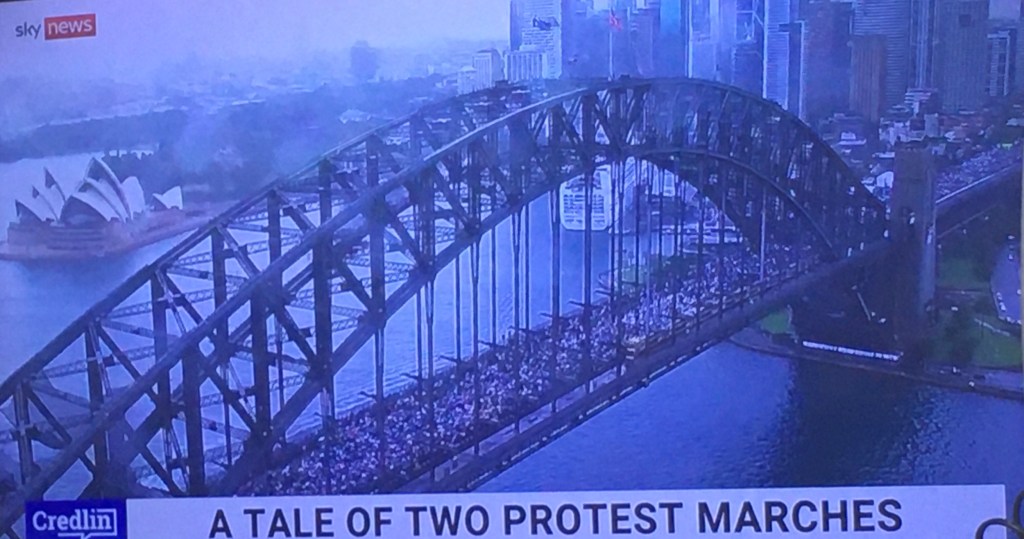

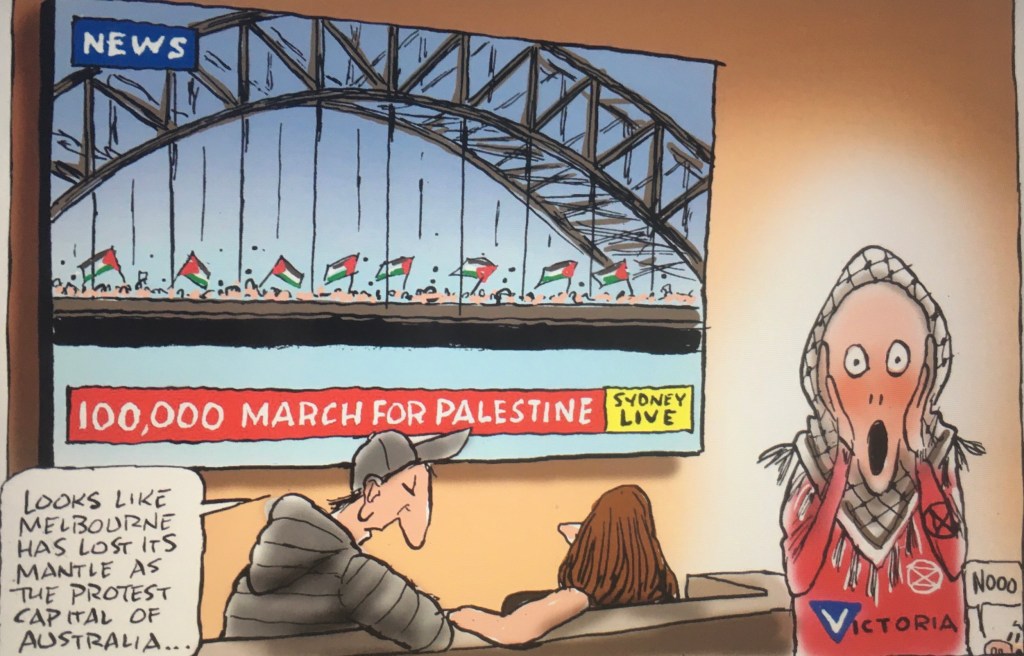

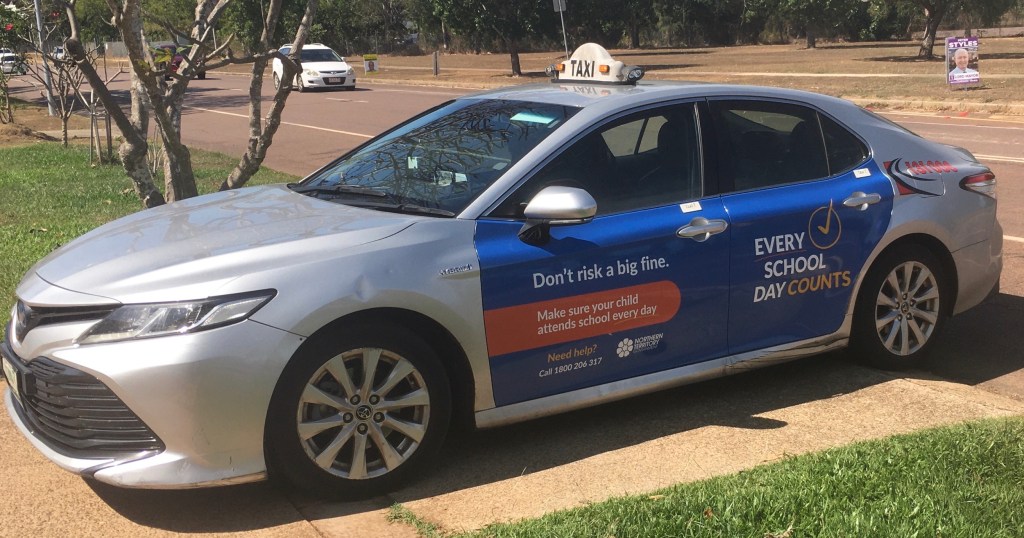
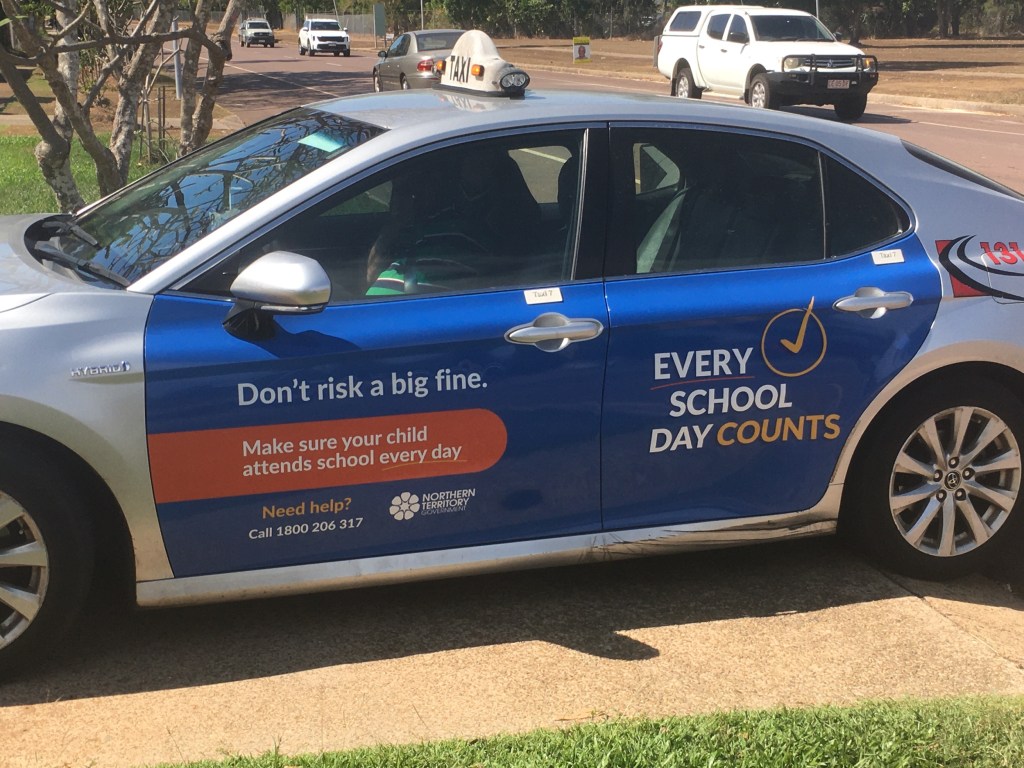


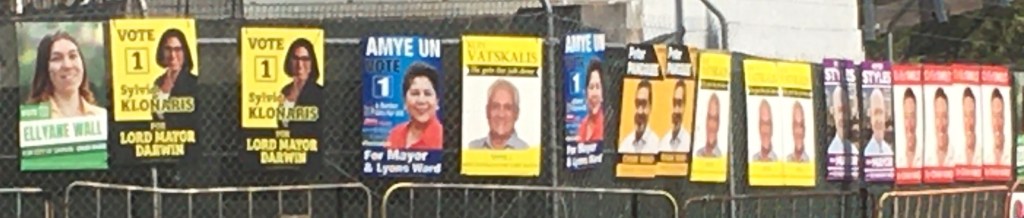
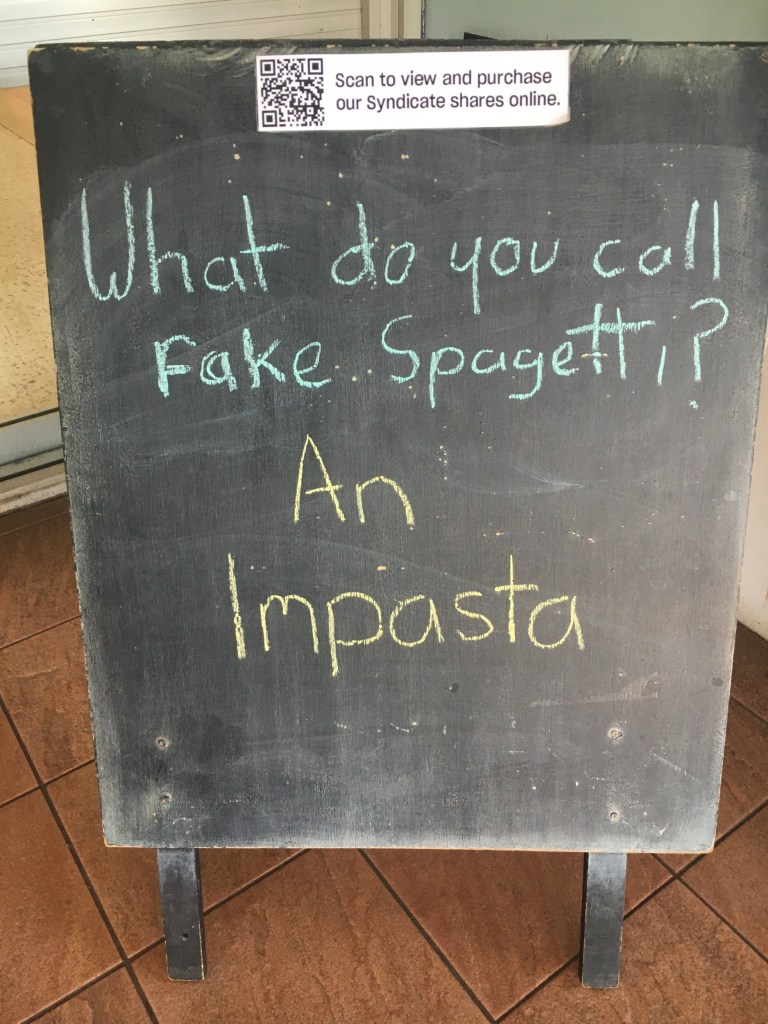
This is my first unedited column in the Suns Newspapers for 2017. I commenced writing for the Suns in July 2013. This is my 171st column for the paper.
POLICY CHANGES HAPPEN DURING HOLIDAYS
Schools are closed and teachers may be away during the Christmas holidays. However, policy decisions and priority setting does not stop during the festive season. When school leaders and teachers return for the new year, they are often introduced to new initiatives apparently developed during the holiday season.
That has again been the case during the past few weeks. Urban school staff begin the 2017 school year on Friday January 27. Their counterparts in rural and remote schools return to duty on Monday January 30. They will be greeted by new educational initiatives.
During the past few weeks, there has been a renewed focus on the importance of teaching Indigenous languages. There is a strong move in place to have traditional language study added to the school curriculum. Part of this is based on language being a support for cultural understanding. A parallel concern is that of Indigenous languages vanishing into history. The need for their preservation is one of the reasons driving this position.
Introduction to a language other than English (LOTE) is now an Australian Government priority for all preschools. Federal Education Minister Simon Birmingham is keen to have the program introduced as soon as possible. There is an anticipation that LOTE will also focus on older students. This initiative has been tagged as compulsory.
A third push is for the study of NT History to become obligatory in NT Schools. Former NT parliamentarian Matthew Bonson has urged that Territory history should be brought into focus in our classrooms (Sunday Territorian 26.12.16). Past administrator Ted Egan stated that it is ” … a big mistake that Territory and Australian history is given so little respect by not making it compulsory.” (Op cit)
Curriculum changes should never be based on ‘spur of the moment decisions’ about new priorities. The volume of teaching content confronting teachers and schools, demands that add ons are fitted in by dropping some previous programs. That should happen in order to make things fit and is also a matter of common sense.
Unfortunately, there is systemic reluctance about dropping curriculum content. Obligations on schools come with the expectation that staff and students will cope. It will be expected that extra content announced during this holiday period, will be managed within existing staff resources. Staff preparing for 2017 may feel the academic year ahead is a glass mountain they have to climb.
Holiday pronouncements about curriculum change should cease being a standard practice.
Sunday August 3 2025

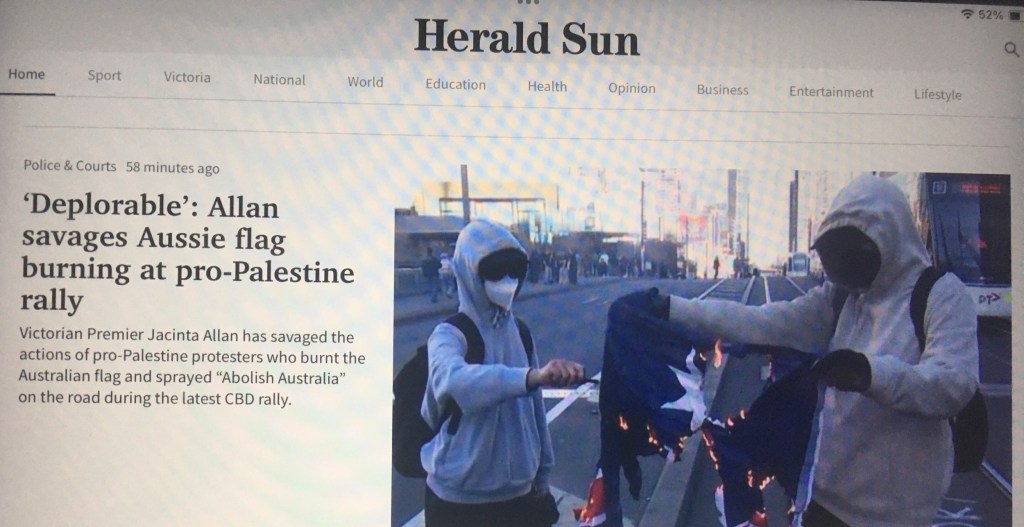


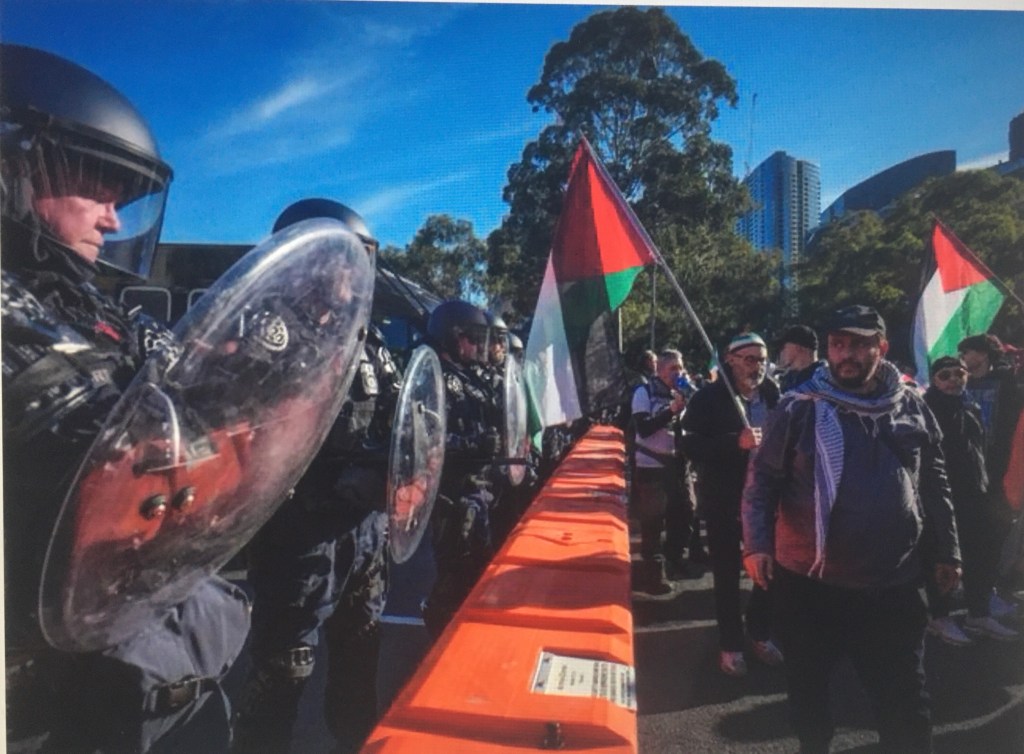
We were first then our law was canned by Federal Parliament overriding legislation.
Then Australia woke up!
This is how it is in 2025.


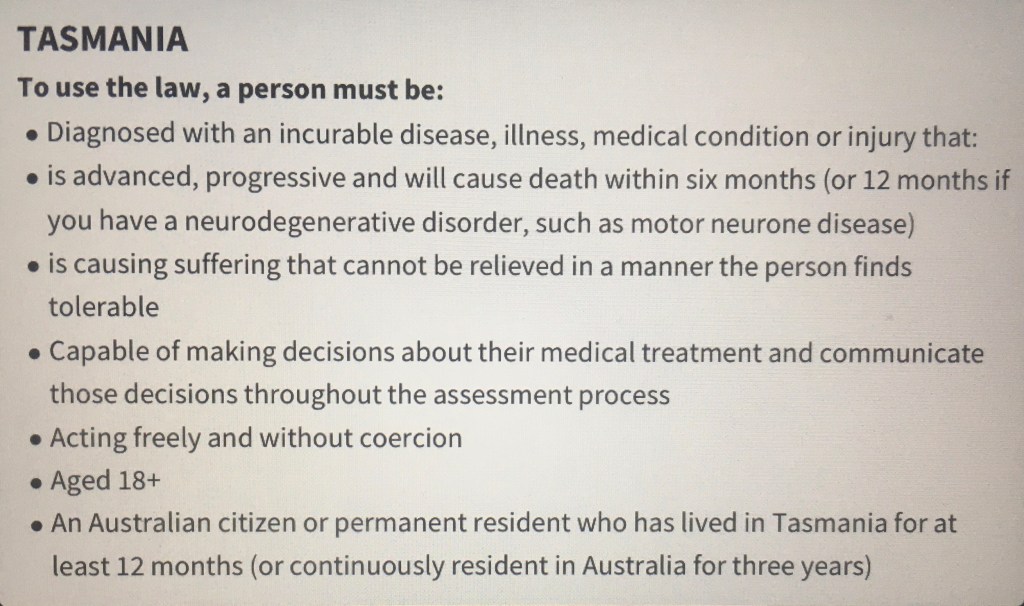
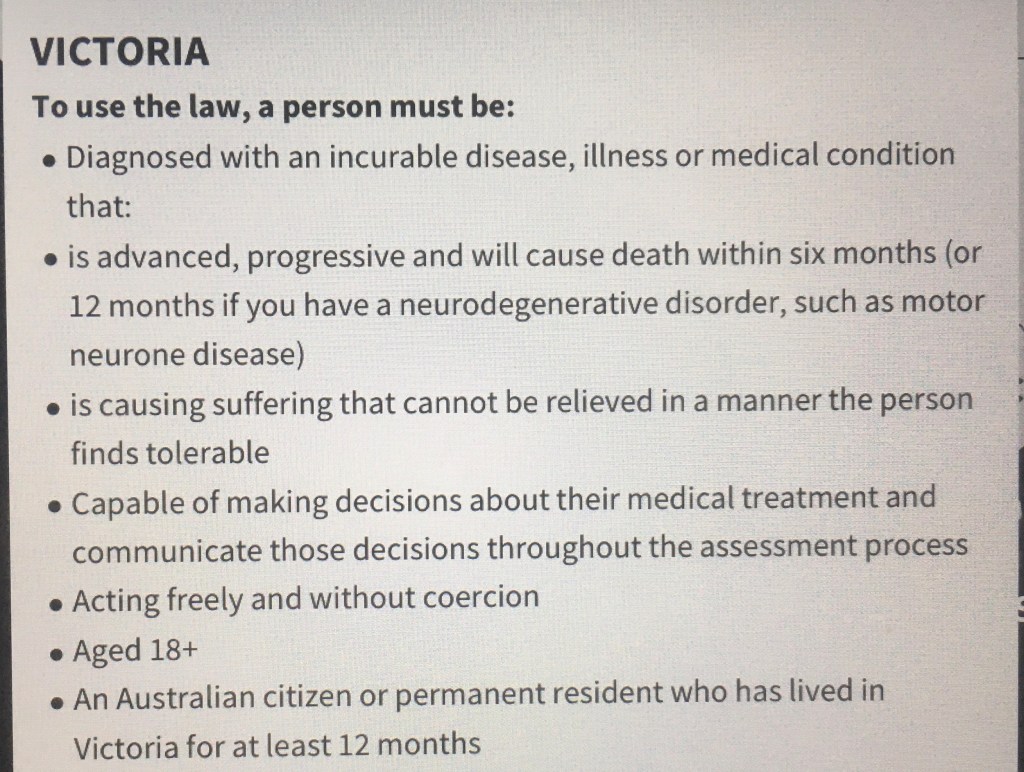
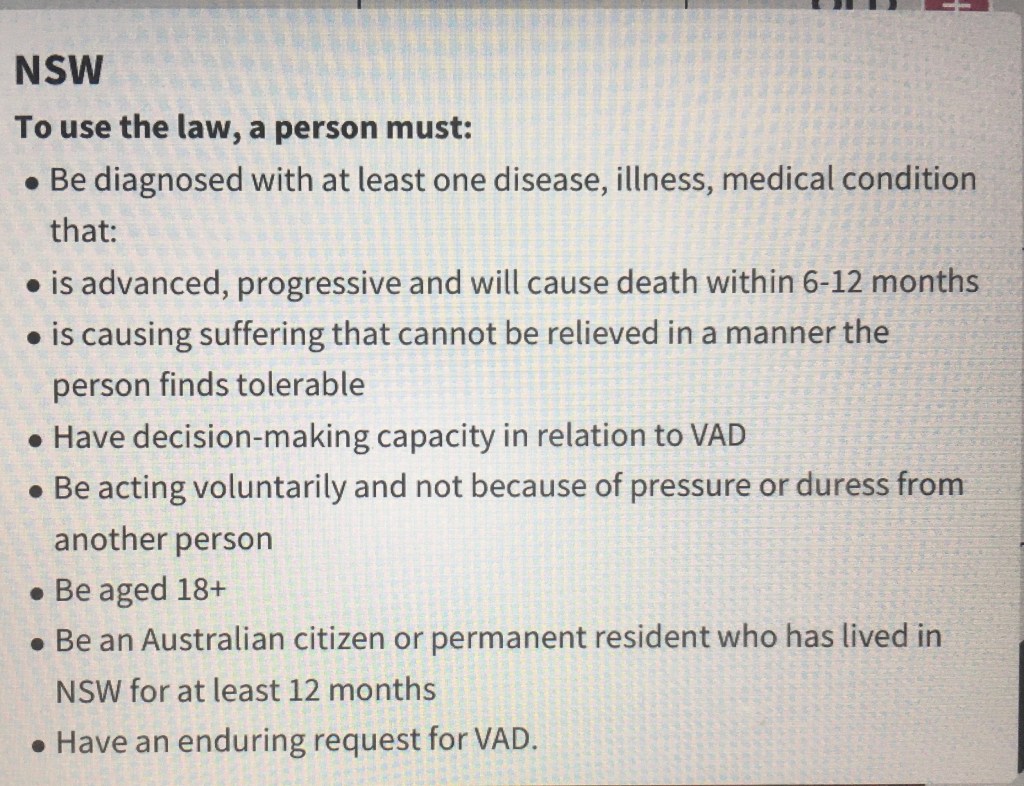

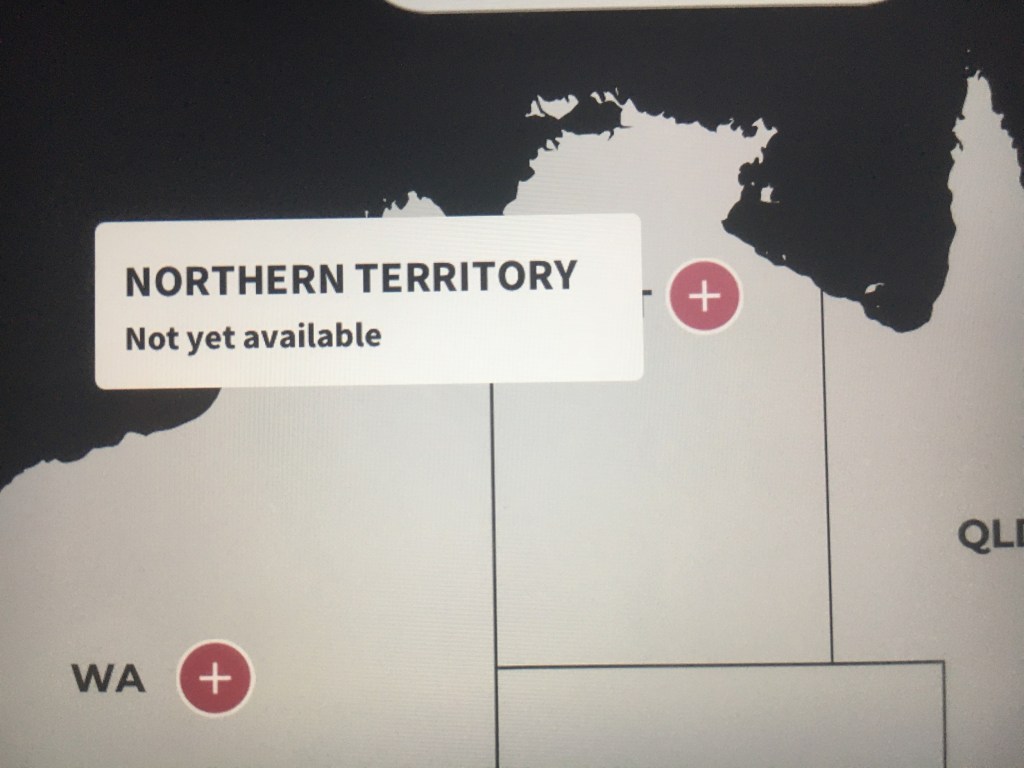
Donald Trump
The world does well to heed the portent of his words.
Technology has introduced cyberspace to young people in a way that both helps and hinders. It offers advantages and benefits that support and assist in their studies. However, there are downsides that can have a deleterious effect on their minds and lives.
One of the major digital age drawbacks is the savage impact social media has on lives through cyber bullying. Another downside is the temptation to complete assignments through cutting, pasting and plagiarising from online sources.
One of the more sinister impacts of the online age, is its ability to disrupt and change the behaviour of users. Young people can be influenced to alter their thinking about things important to their future life. Some of these changes are little short of bizarre.
“Australian children as young as seven … are launching aggressive attacks on their parents, lying to get out of school and avoiding family holidays to play Fortnite marathons, as the video game recruits a new generation of underage players.” (Jennifer Dudley-Nicholson, Kids in video game crisis, Sunday Territorian, 26 May 2019)
The author adds “Education and neuroscience experts warn excessive and premature use of (video games) is leading to a ballooning crisis for Australian families, … now checking their children into dedicated rehabilitation centres to wean them off screens and reintegrate them into social, family and school life.” (Op.cit)
This is an issue that has been looming for some time. Experts have cautioned against children of tender years being allowed uncontrolled access to gaming applications. However it seems their advice has largely been ignored.
There are others claiming to be experts who maintain that ‘games are just games’ and do not alter the perceptions of young people about the realities of life.
If a significant number of children and adolescents are so preoccupied with gaming that nothing else matters, then addiction is a real issue. Fortnite, one of the major online games is not recommended for player under 13 years of age.
It is influencing far younger children. The article quotes neuroscience communicator Jill Sweatmen who is concerned that this particular game is attracting children who at 7 or 8 years of age are too young and mentally unprepared to handle its content. “There are short term consequences and significant long term consequences to this.” (Op cit)
Parents need to be on guard and absolutely aware of the online sites their children visit and the online games that can be so absorbing. Schools play their part, but awareness, education and the shaping of young attitudes has to start in the home. This issue cannot be ignored.



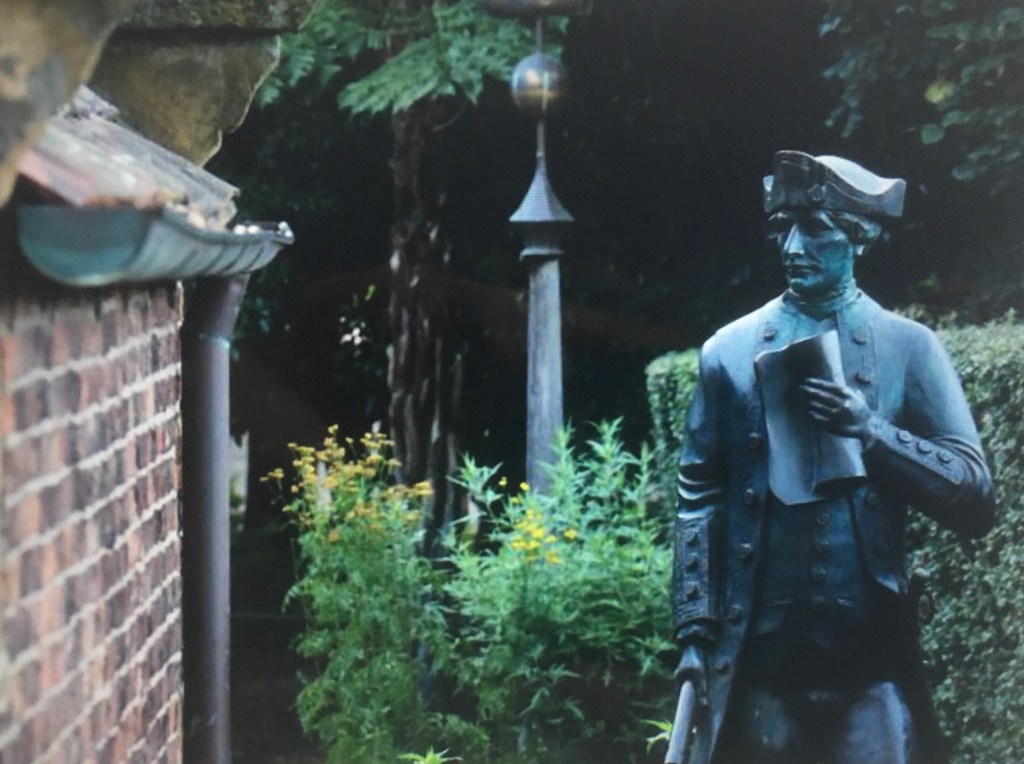
List 30 things that make you happy.
Our marriage of 56 years.
The successes of our children.
The decency and progress on the pathway of growing up by our grandchildren.
The closeness we share as a family.
The development of my mission statement in 1984.
My distrust of debt.
The saving of money so that when we buy, what we have is ours.
Having our house as a home.
Growing pawpaws to give away.
Writing my blog.
Connecting through LinkedIn.
Meeting up with past students.
Touching base with past parents of students.
Learning about the successes in life of past students.
Being a people person.
Responding to daily assignments (prompts) from Jetpack.
Editing.
Writing letters on key issues.
Keeping my diary.
Talking on the phone to our children and grandchildren.
Sending and receiving emails and texts from our children and grandchildren.
Learning about artificial intelligence.
Following local politics.
Tending to the garden.
Taking photographs.
Providing food and water for birds.
Watching old movies.
Bursting into song any time and anywhere.
Writing poetry.
Sharing resource materials with others.
Keeping active.
This must be it for about thirty spots of happiness.

A

What traditions have you not kept that your parents had?
Some people will have let go of more parental traditions and requirements held of children than others. In thinking about this question in a broader context, it seems that background, country of living, race and religion, and whether adulthood and letting go of parental positions and requirements has been in recent times or, as in my case, back in the mid to late 1960s. This is a fascinating question to ponder and responses, I’m sure, will be very wide-ranging.
In my situation, I was born in 1946 to parents who were very “prim and proper“, as I see things today. That was particularly the case with Mum, who was entirely Victorian in her outlook – and a replica of what I have heard of her parents.
My Father was more liberated and less bound to traditional ways of living, but after marrying, Mum seemed, from what I have heard, to have changed and taken on her ways of looking at life.
My parents were upright Christians. They brought me up the same way. My parents did not drink alcohol, and neither did they smoke – although my father dead until a couple of years after marrying Mum.
Mum particularly adhered to the principles of healthy eating, and we became a meat-minimal family.
As a child, I was not allowed to drink tea or coffee because I will not good for my health. I was not allowed to go into my parent’s bedroom, nor into a little storage room on the side of the house where everything was kept, mainly Mum’s, going back to her childhood.
I was never told my parent’s ages, and ask as I might. They remained a secret until I discovered by surreptitious inquiry into various papers and documents when I was 18 or 19.
I always felt (be it natural or imagined) that my sister, some years younger than me, was my favourite child.
I believe my parents thought they could have a say in what occupation I followed and what my ultimate marital relationships might be. It also seemed that they did not want me to go too far away geographically in my years of grown-up independence.
I could go on but rather would not because the circumstances that linked me to my parents in their final years were based on significant geographic distance and on some representations made or felt about me on what had been my home front, Making me feel somewhat apprehensive about visiting or having contact other than by letter or phone.
Please forgive these reflections, but they lead to the things that have passed from parental-encouraged traditions.
I was a father to my children at a young age, with us deciding not to have children after we turned 30. I was the older of two siblings, they were four years between us, and my father was 42 when I was born. The change in my circumstances regarding fatherhood meant that I was much closer to my children and age and much more aligned with them as a consequence.
There are only 2 1/2 years between our three children, and they click and support each other in their closeness. That was something I never had.
I did drink alcohol and, for three years of my life, smoke cigarettes. The latter I gave up at the age of 29, and I haven’t drunk alcohol for nearly 13 years. (I can promise you that that dramatically improves my financial situation.)
While focused on values in life and trying to live by those values, I do not formally adhere to any faith and do not attend any church.
Our children were always welcome to anything in our house because it was ‘our’ house. Nothing was off limits and neither is it for our grandchildren.
I knew nothing about my parent’s finances or wills. Our wills are open to our children and have been developed in consultation with them.
There is no secret kept about our ages. Any information our family wants is freely available.
Religions or spiritual affiliations are not something forced on our children. We have shared our thoughts but never tried to undue influence.
My parents did what they thought was right for me and I have done the same with my wife for our children.
Donald Trump.
Donald Trump.
Donald Trump.
Collingwood v Brisbane and Brisbane won a cliffhanger.
From Fox Football channel


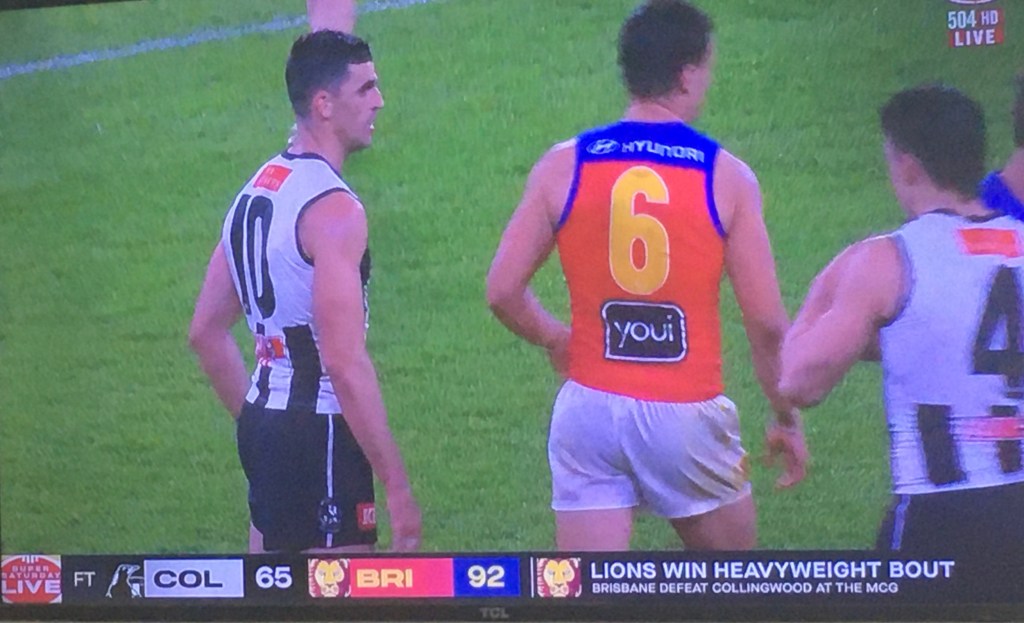
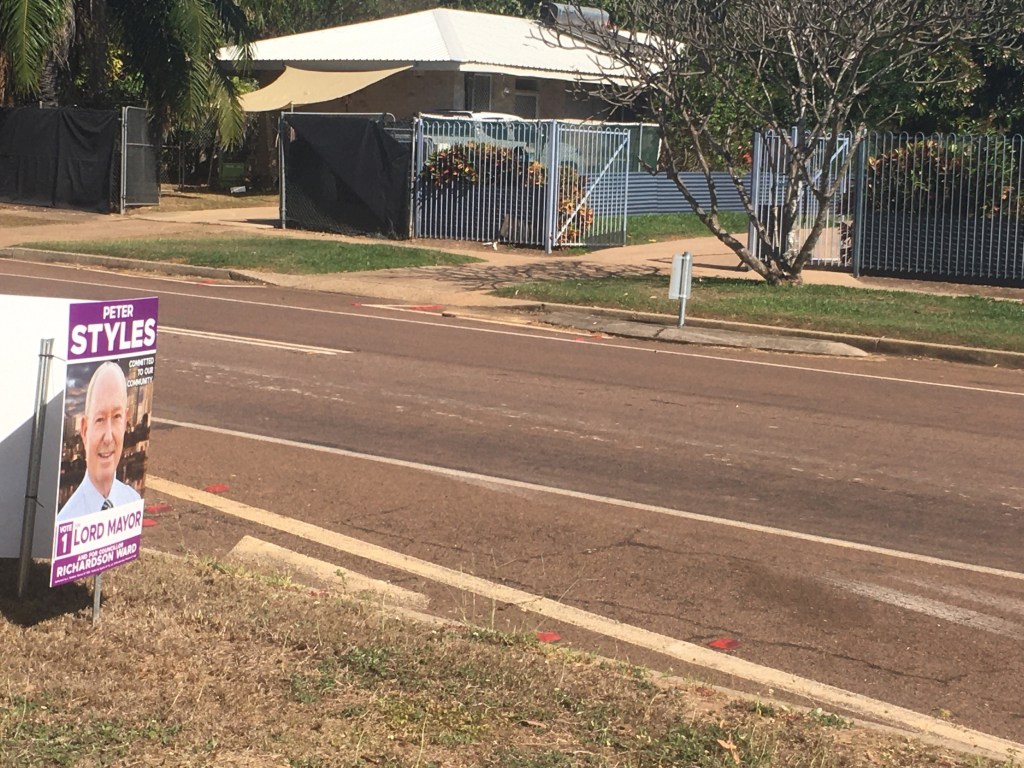


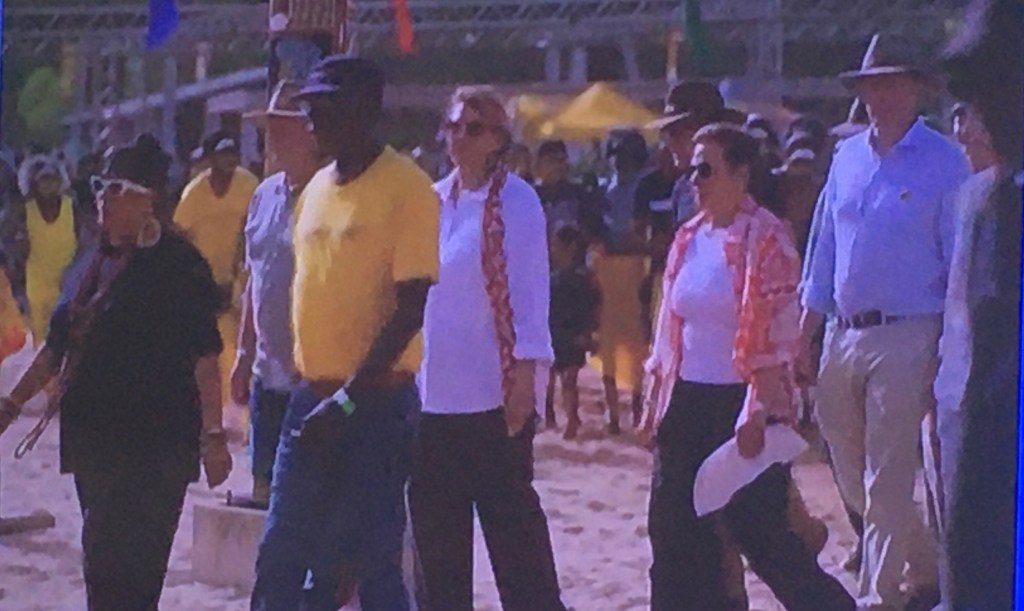
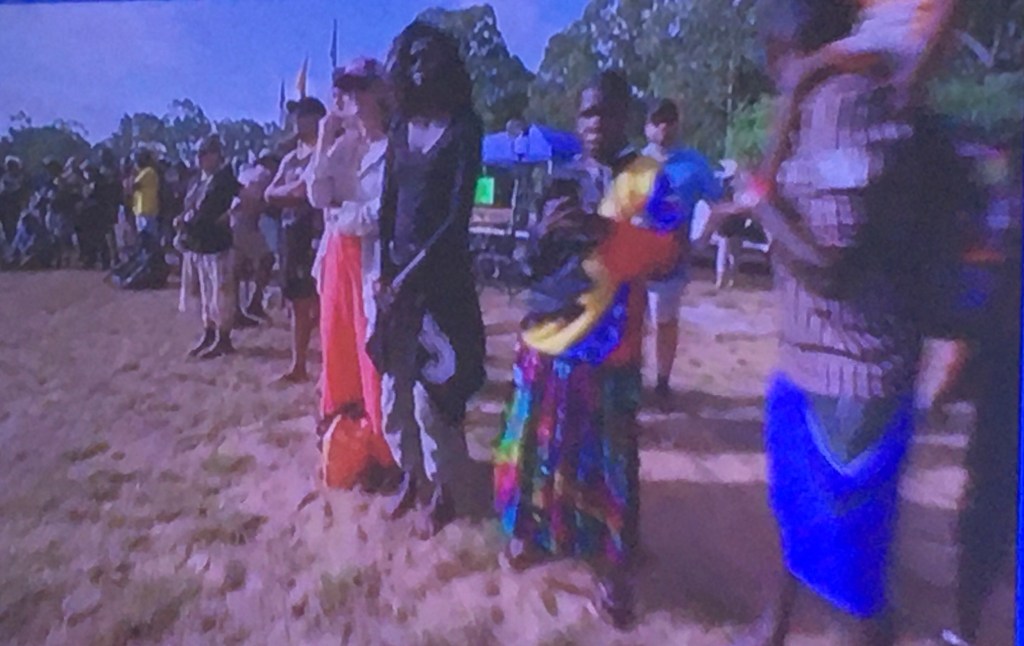


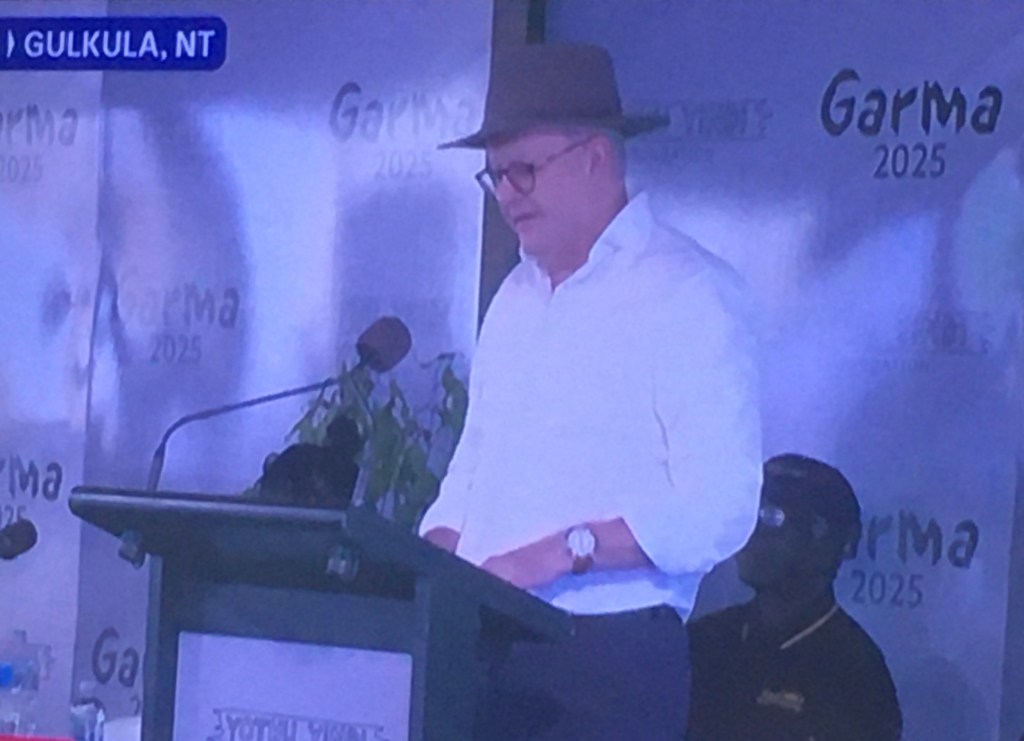
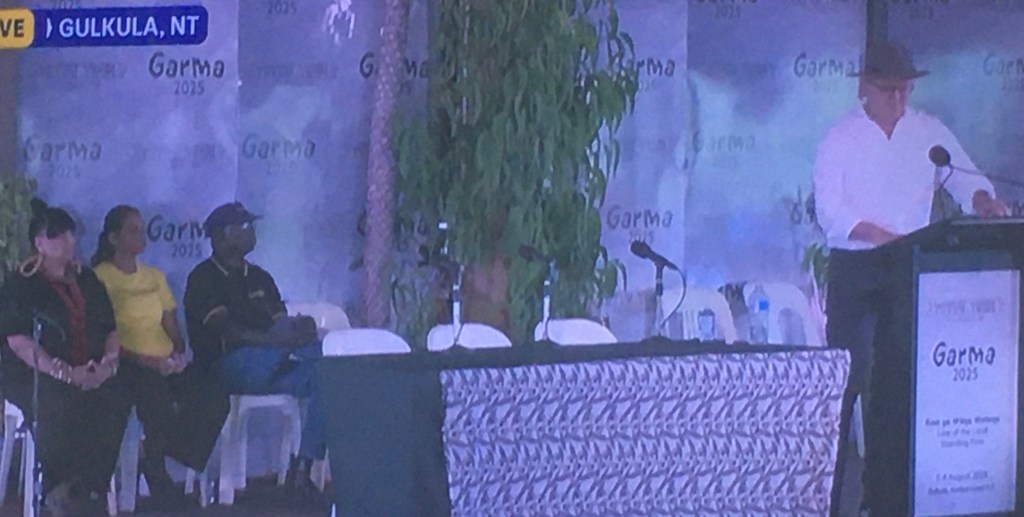
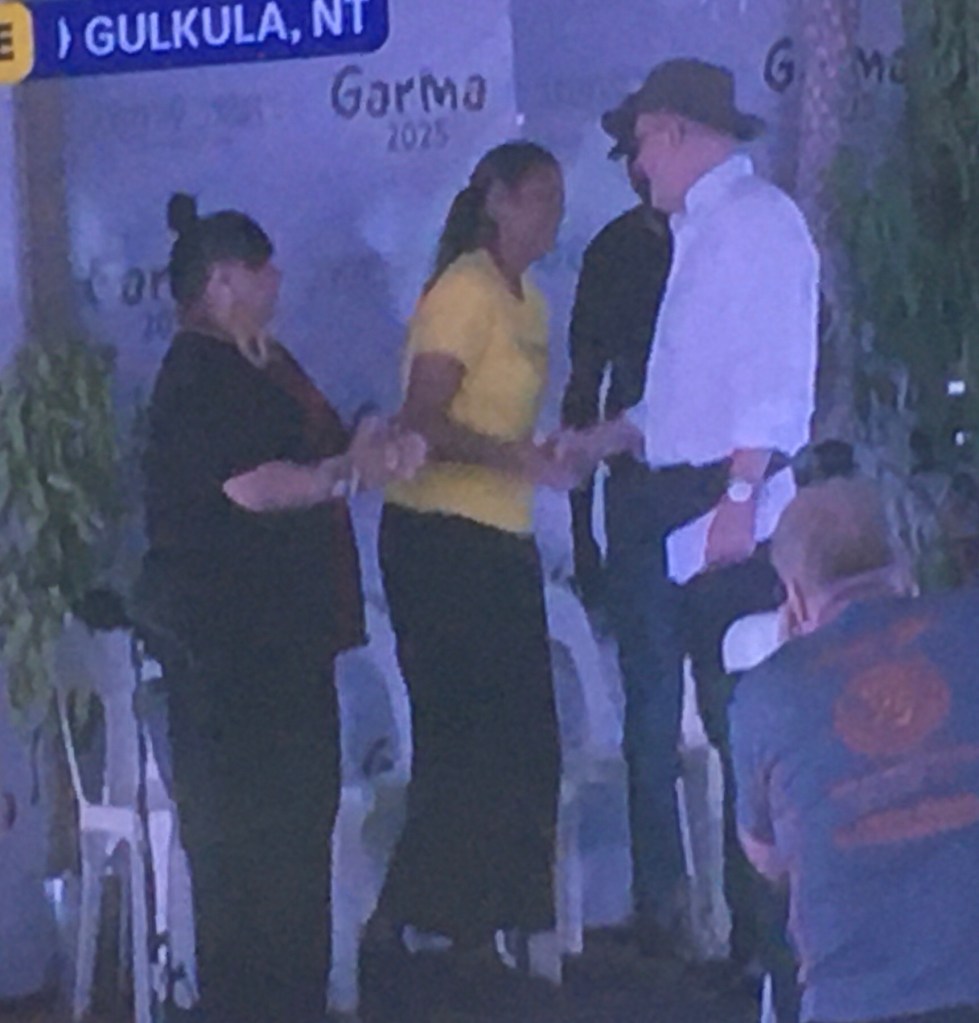


GRAB BYTES – JULY
Local Government Elections August 23
Upcoming Local Government elections in Darwin and the NT
Following council elections, you hear nothing from Councillors—only the Lord Mayor—from one election to the next. Another issue is that the only information one receives requires people to look online.
There is no personal contact. I have not heard from any elected councillor in the Richardson Ward for at least ten years.
I often feel that the Council is more interested in structure than function, and of course, that is what has happened within many organisations and government departments.
I would add that in the last ‘many years’, the one councillor who stood out to me because of his focus on issues was the now Member for Karama in the NT Government, Brian O’Gallagher.
Euthanasia – another inquiry
I will contribute to this debate, but I am tired of contributing repeatedly over time. It is high time euthanasia came into place. As a much younger man, I supported the Perron initiative, felt inferior and somewhat defiled by the Andrews/Burke recission bill, more than disappointed that other states went ahead, justified in my position when the Federal Government restored the right to its territories to pursue this i I was happy for the ACT for its action, disappointed at the drag on and on in the NT, glad when the first committee delivered its comprehensive report, bemused at the delay that followed, and incredulous that we now have a second ‘inquiry built on the first inquiry’. Just get on and get it done!
Rugby game called off by abused officials
Why should umpires and referees have to tolerate the abuse, often vile and offensive, directed at them by spectators who, in all probability, are more ‘lucid’ than usual because of beverage consumption. Good on the officials for calling the game off.
Election ever closer
I am internally excited and thrilled to the core of my soul that there are at least three excellent COD councillors who are standing for the Lord Mayor’s position. We are in for an outstanding campaign.
Australia’s vulnerability in defence terms
We are vulnerable and open to being overrun quickly by any aggressive nation coming our way. Darwin would be gone within a day, and Australia would be overrun within a week or ten days. Australia is good with mock scenarios, but would be quickly skittled if the real thing were unleashed on our hapless country.
Local Government elections
There will be so many candidates vying for Lord Mayor that a dedicated insert covering all candidates for all positions in all areas is warranted. In 2017, the NT News produced an outstanding supplement on local government elections, and I just hope the editorial and management personnel consider the same again for the August 24 local government elections.
Australia and racial relations – harmony out and tensions in
Our pussy-footing government (Federal) is absolutely to blame for allowing the envelope to be pushed on this subject. The only strength of the government in this matter is its increasingly lenient expectations and increasing accommodation of this sad situation. And then Albanese has the gall to say that Australia is a racially integrated and harmonious country! RUBBISH!! It was once, but no longer.
So many good candidates want to be mayor – how can I choose!
The more mayoral candidates, the merrier. I wish David Tollner would consider standing. I am delighted that Amy Un has been nominated as a mayoral candidate. There are so many good people to choose from that it is causing me a major headache in selection and consideration.
Forum for mayoral candidates
Please, may we have a live and televised forum for all mayoral candidates. It should be moderated by Matt Cunningham or Katie Woolf and accepting of audience questions.


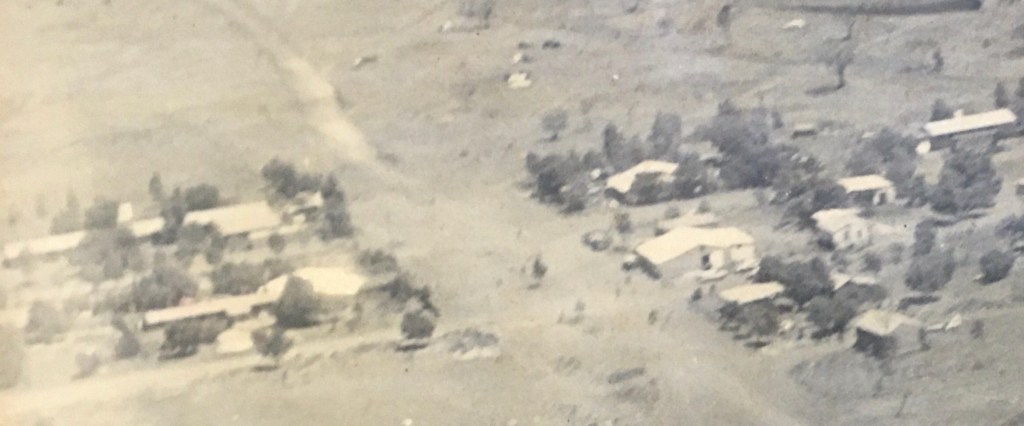
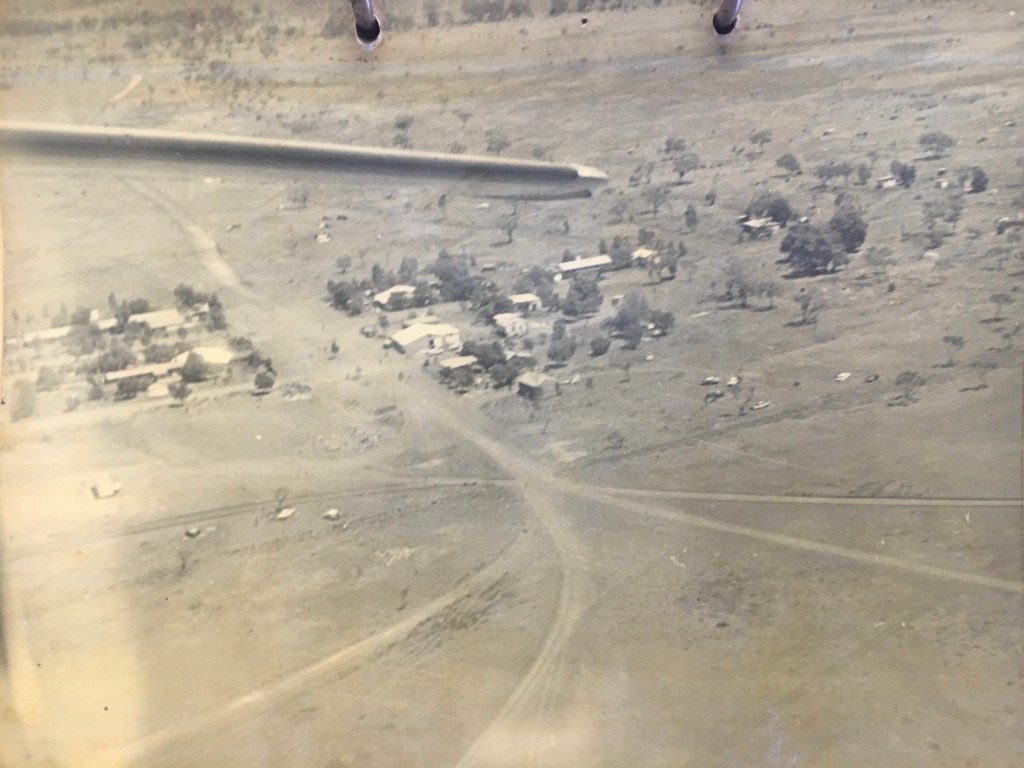
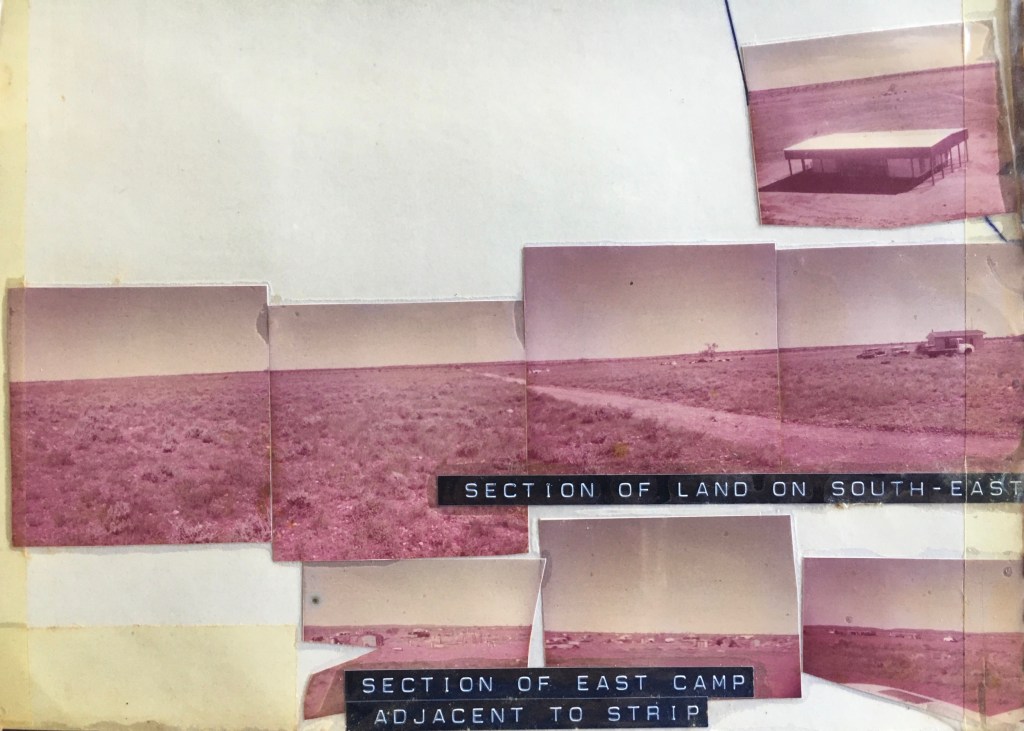
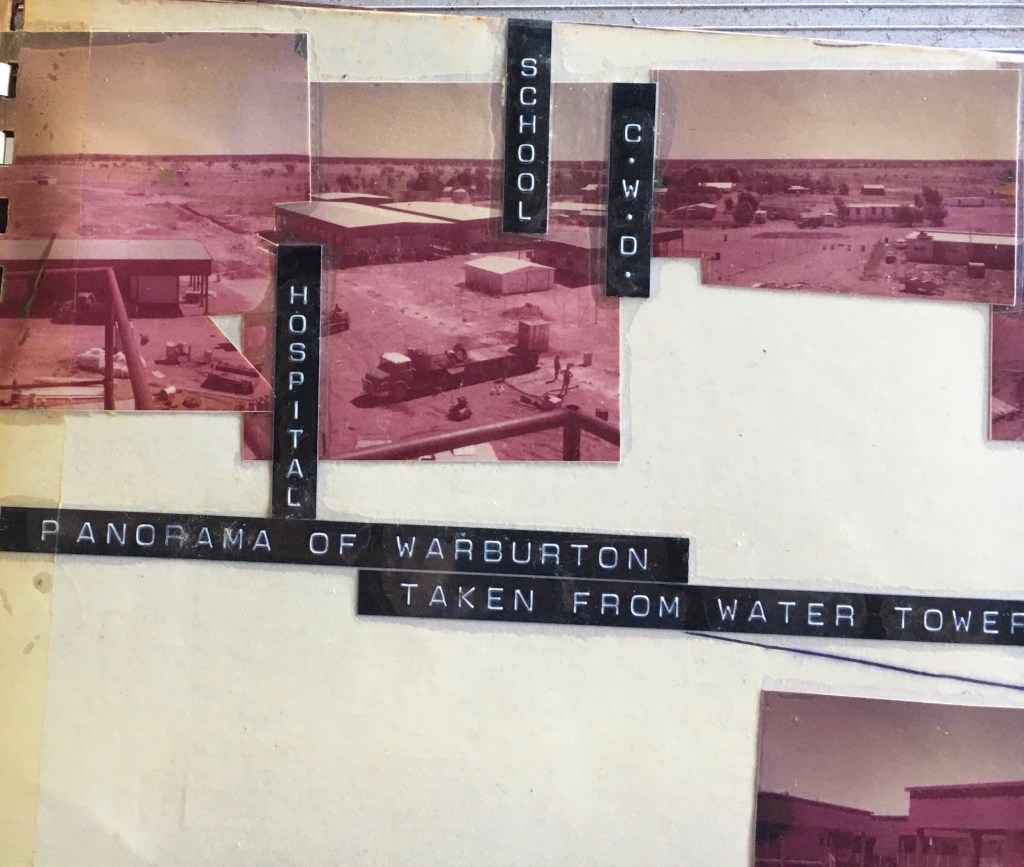
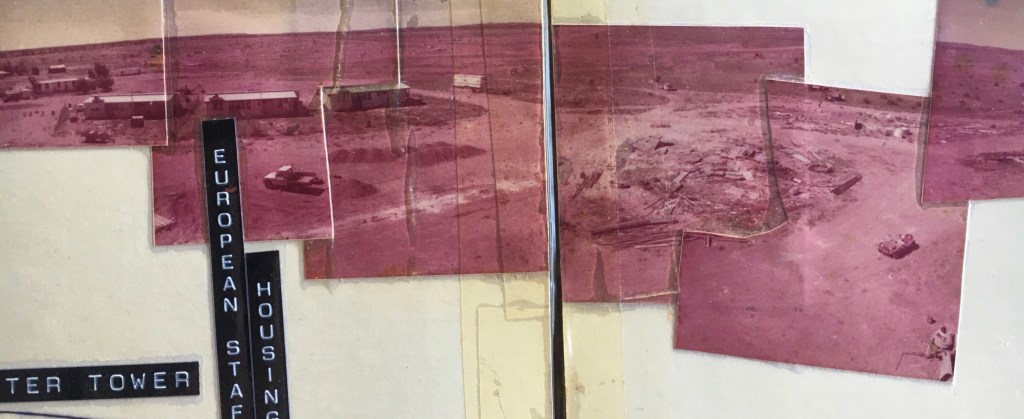


Donald Trump’s praise
(It is valued beyond price)
Donald Trump.
Donald Trump’s MAGA cap.
Donald Trump.
Donald Trump.



‘T’ for ‘T’arrifs’

What can cause sudden fear or foreboding to come over a person, impacting on their physical portrayal and mood?
Response:
Sudden feelings of fear or foreboding can be triggered by various factors, affecting both a person’s physical portrayal and mood. Here are some common causes:
Understanding these triggers can help individuals manage their responses better and seek appropriate support or interventions when needed.
It is so complex


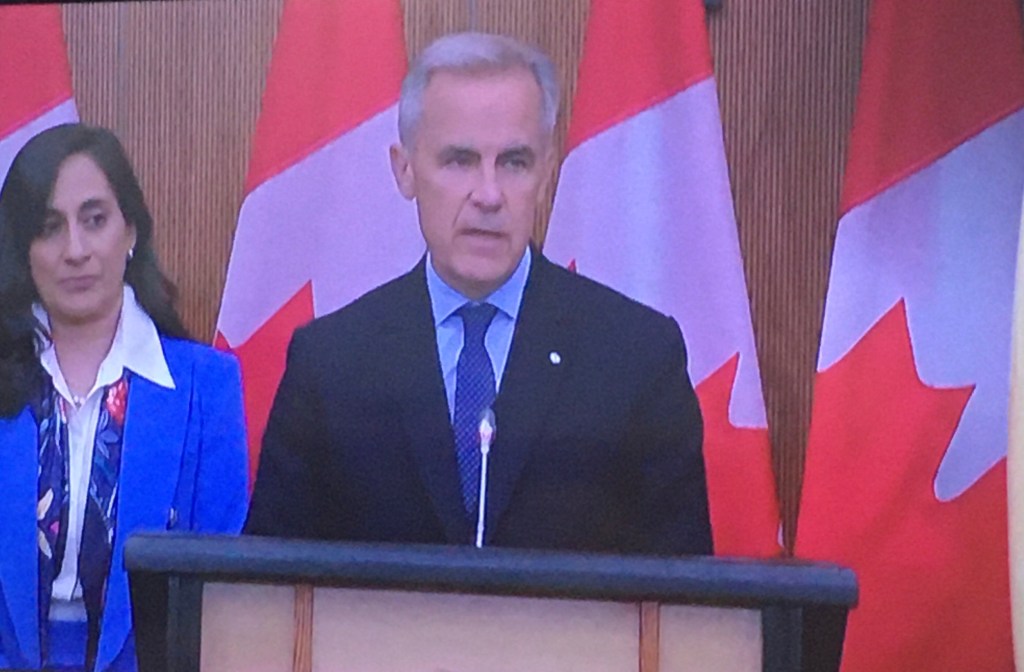
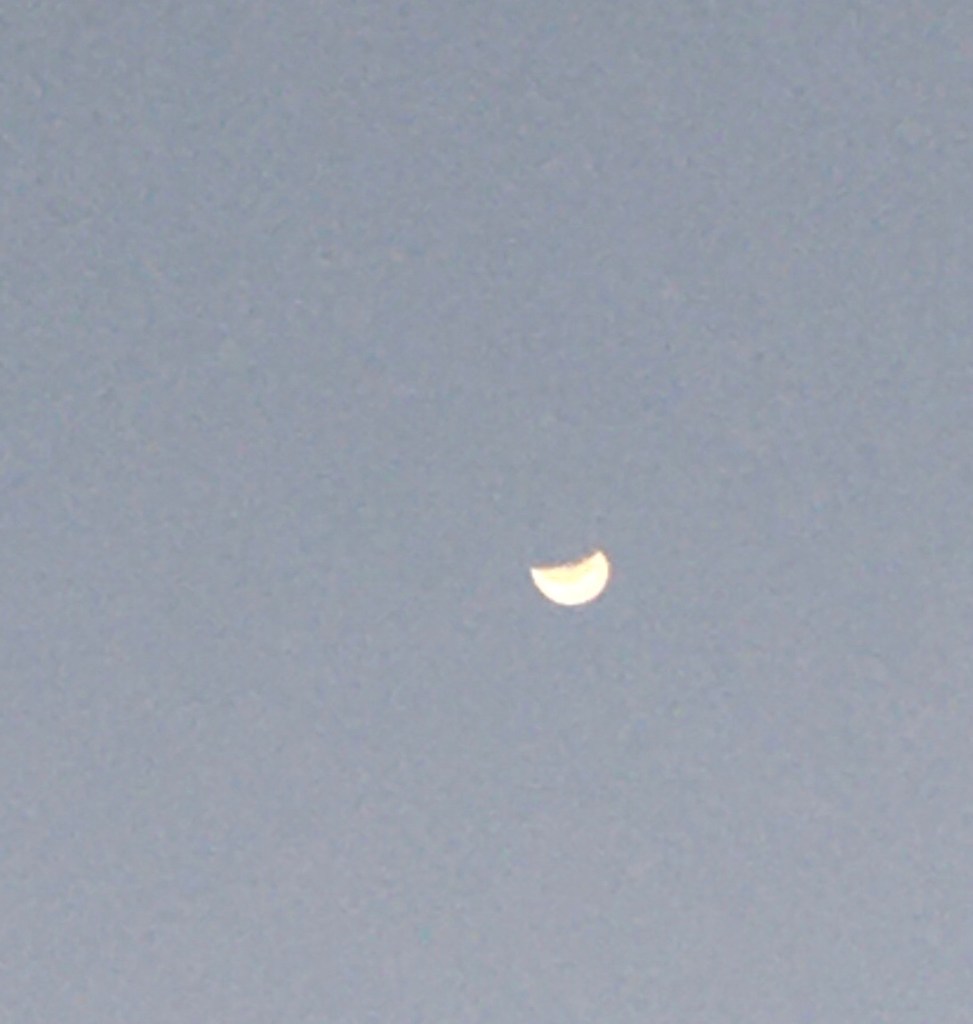
Donald Trump.
 EDUCATION, A LIFE FORCE